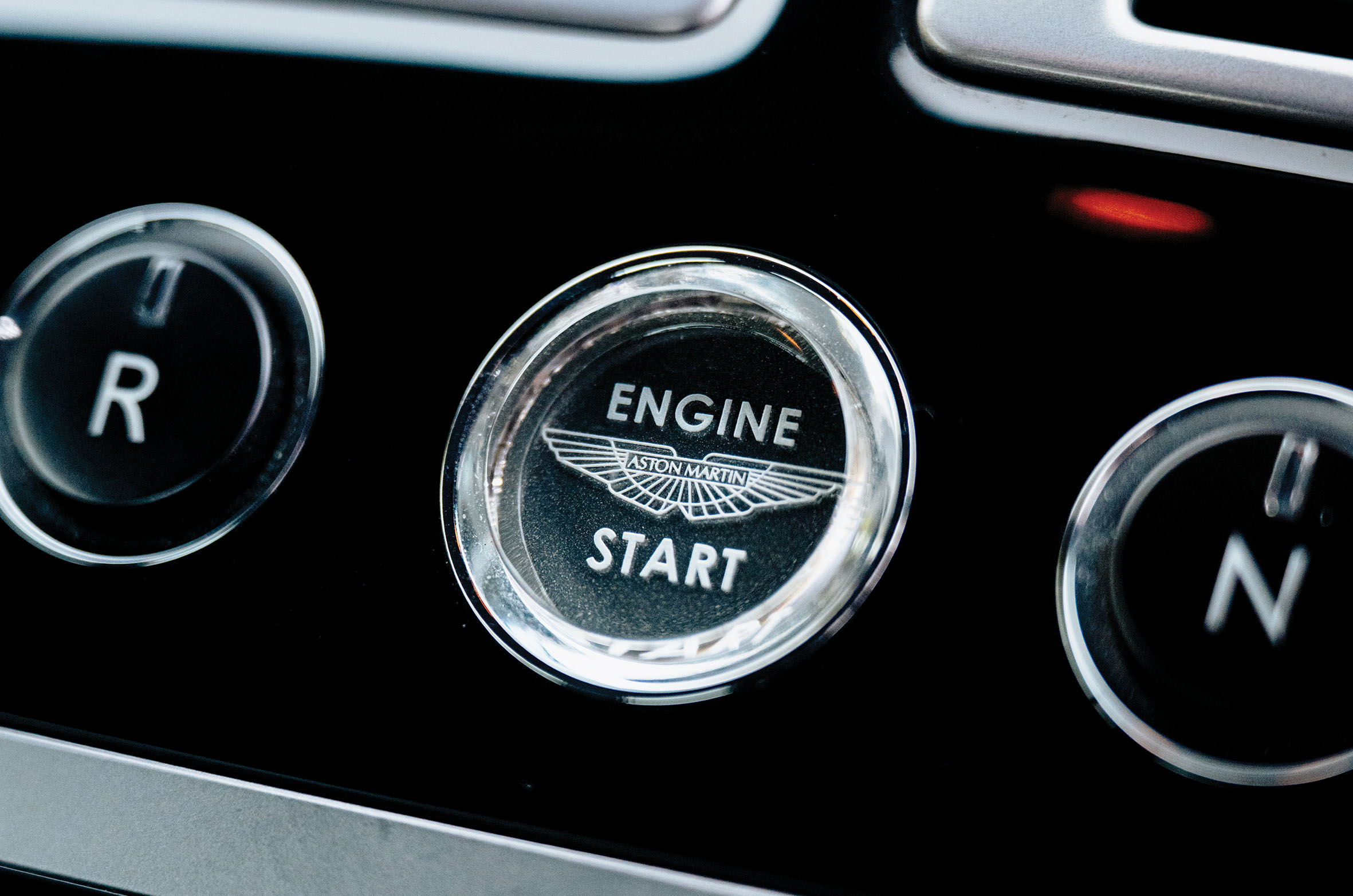
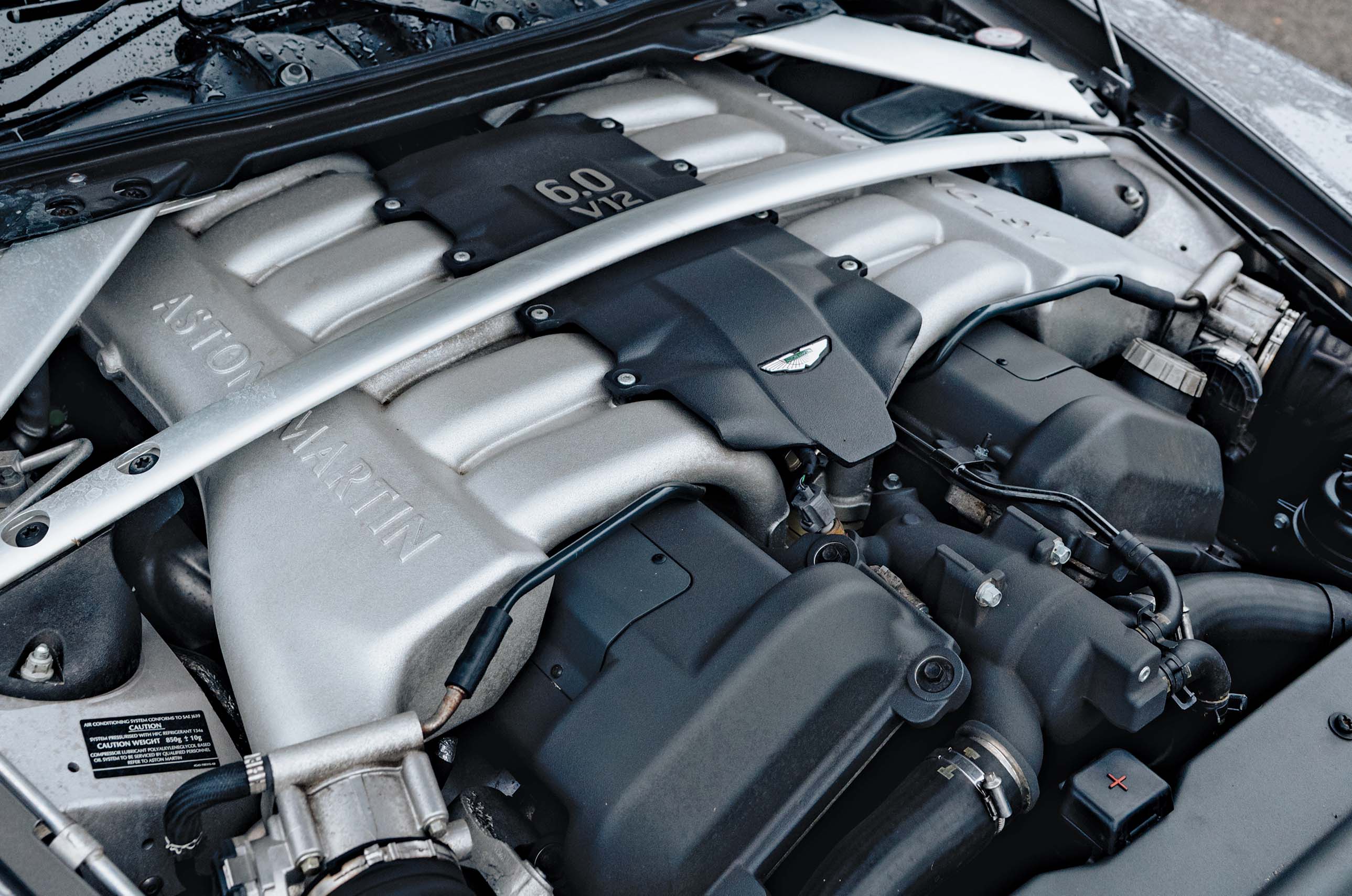
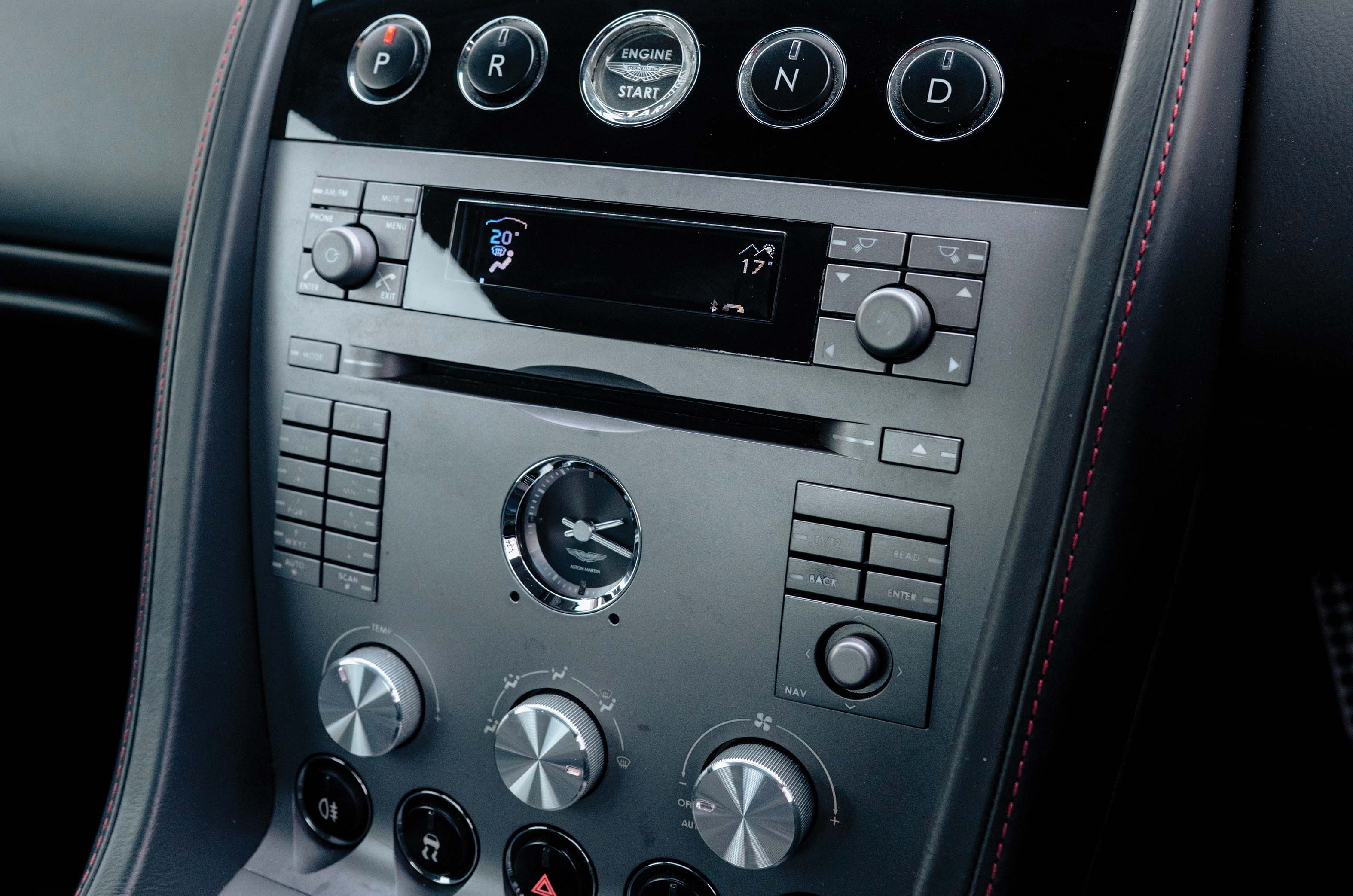
As hinted at by the starting procedure, there’s a real liveliness to the V12’s demeanour.
Flex your right ankle and a distant growl accompanies that tantalising build-up of torque you expect from a large-capacity, 12-cylinder engine.
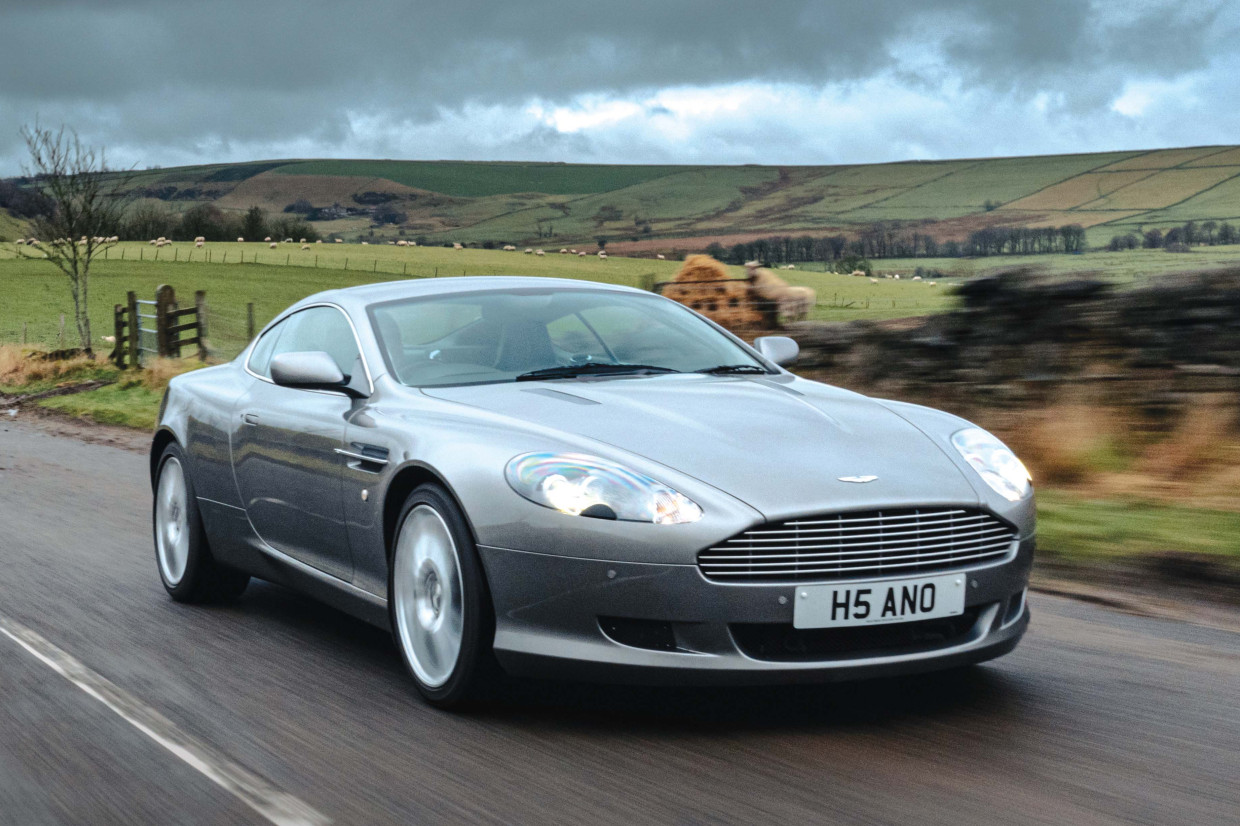
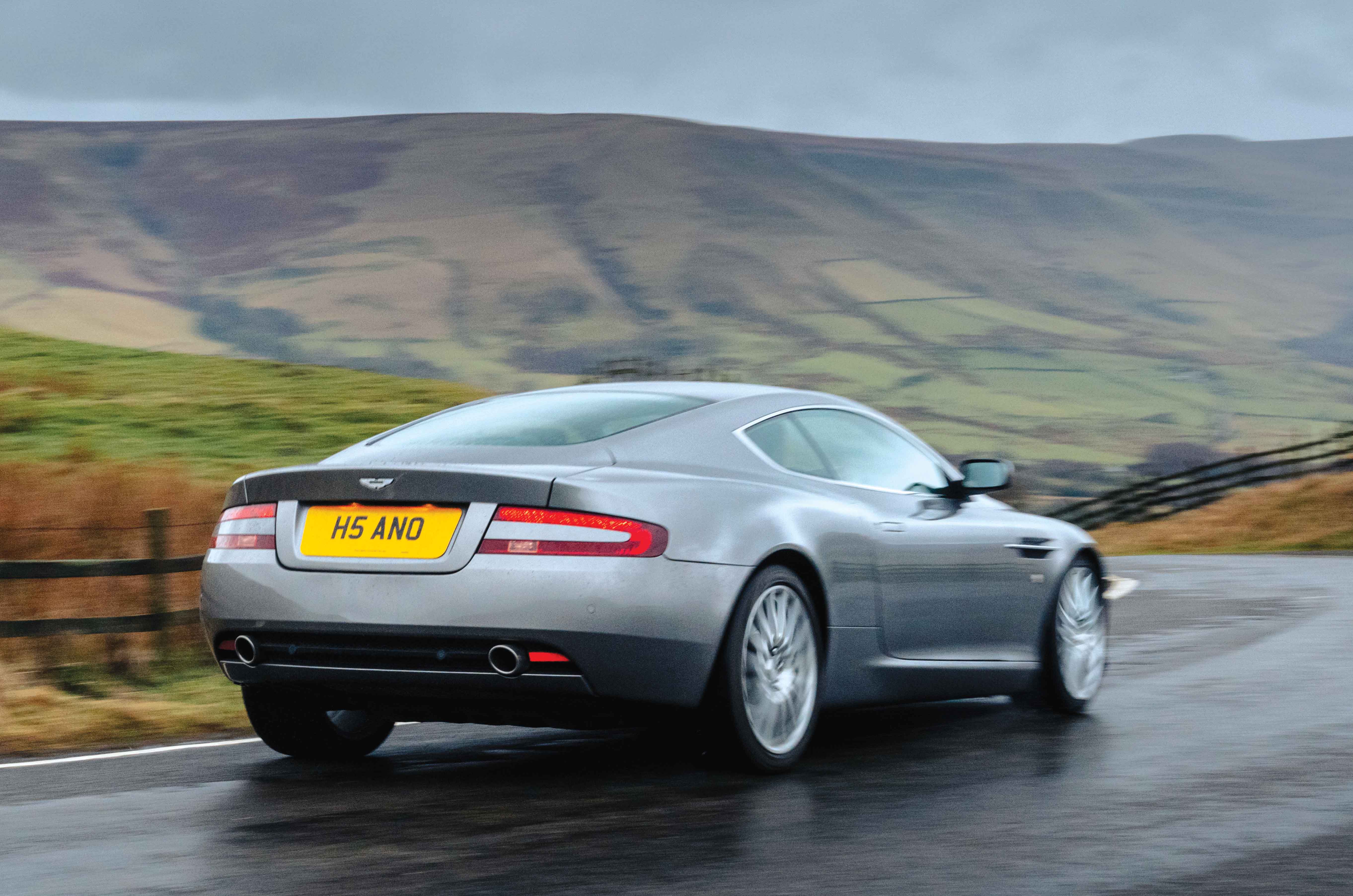
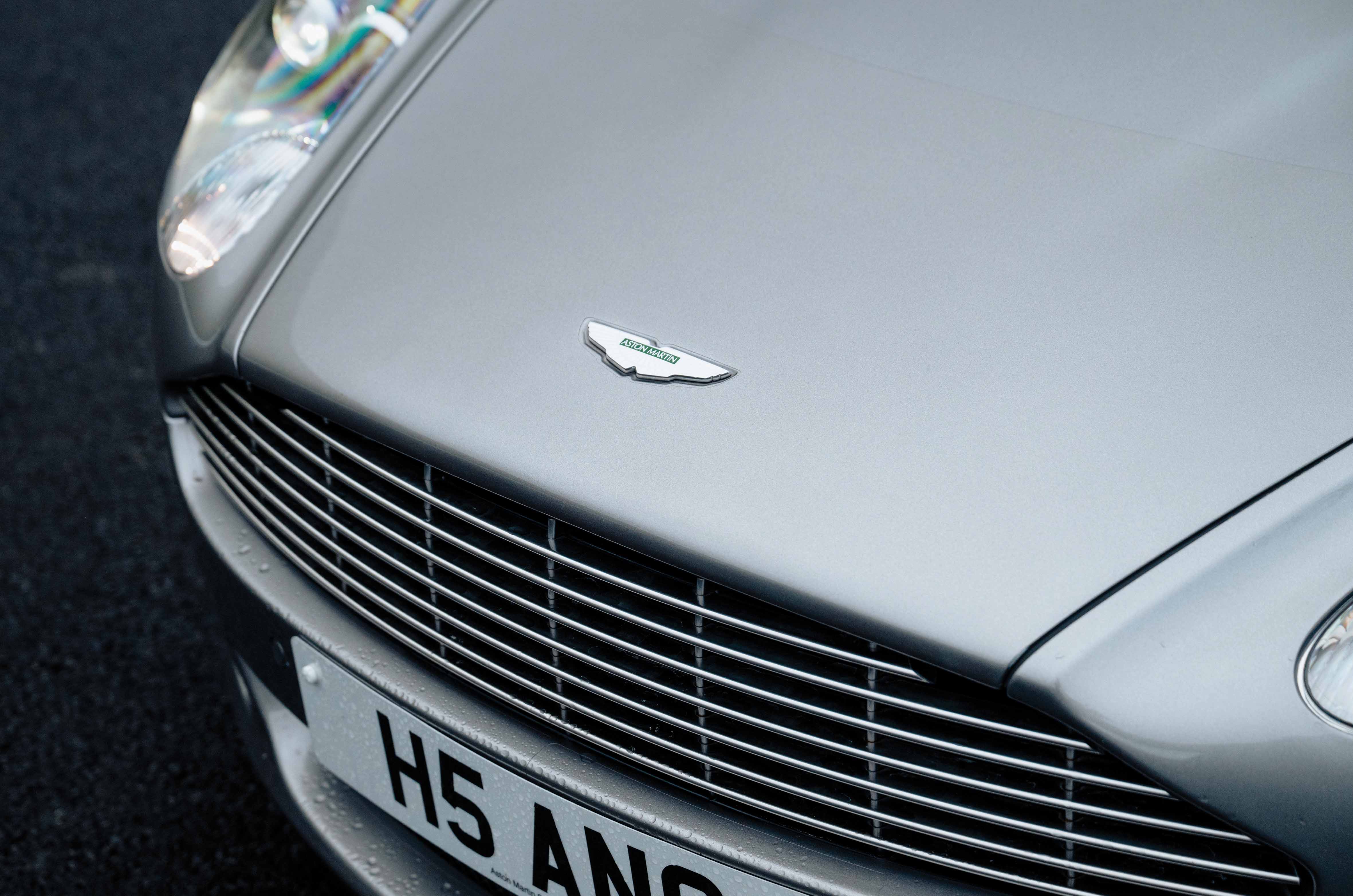
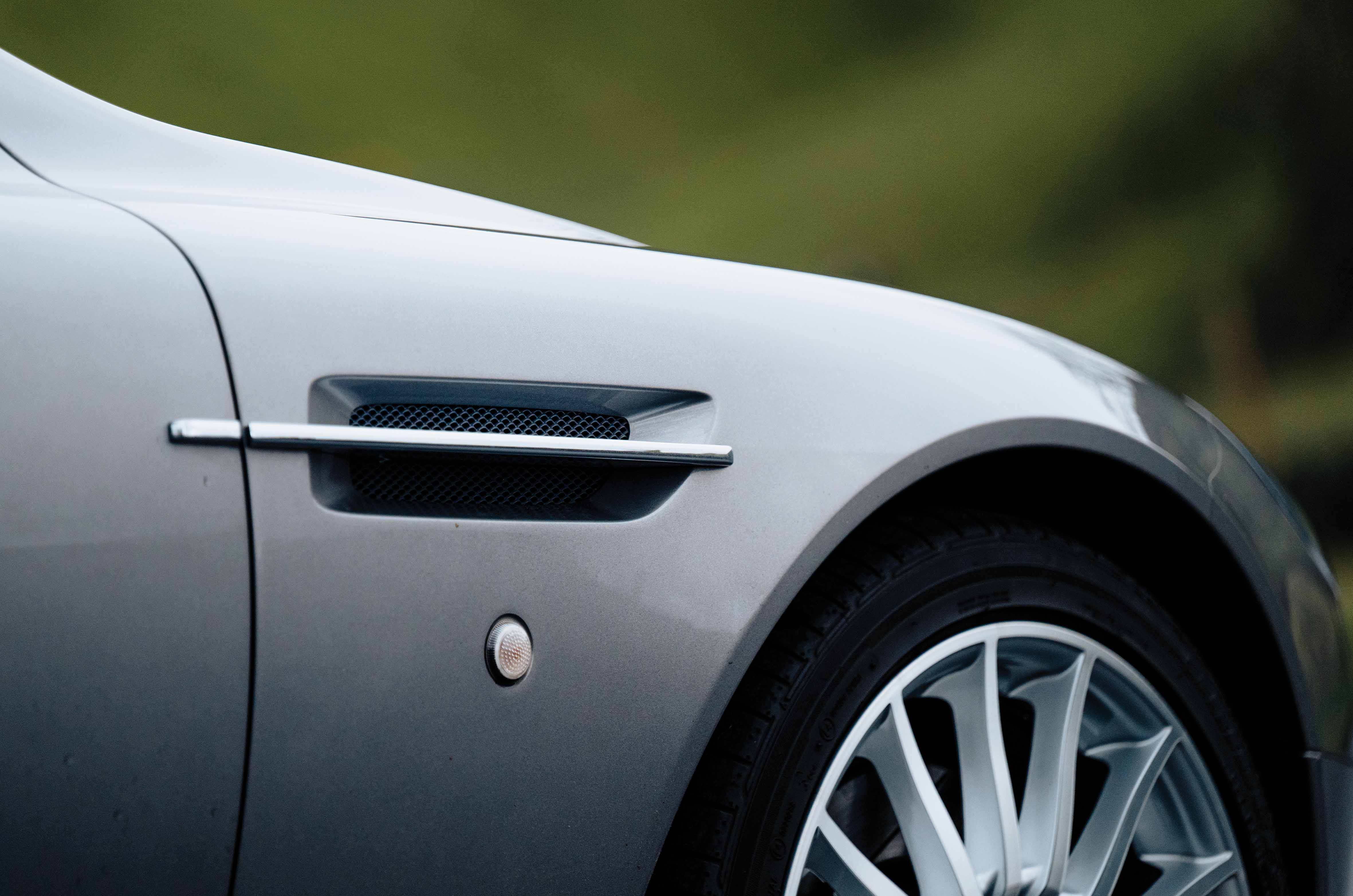
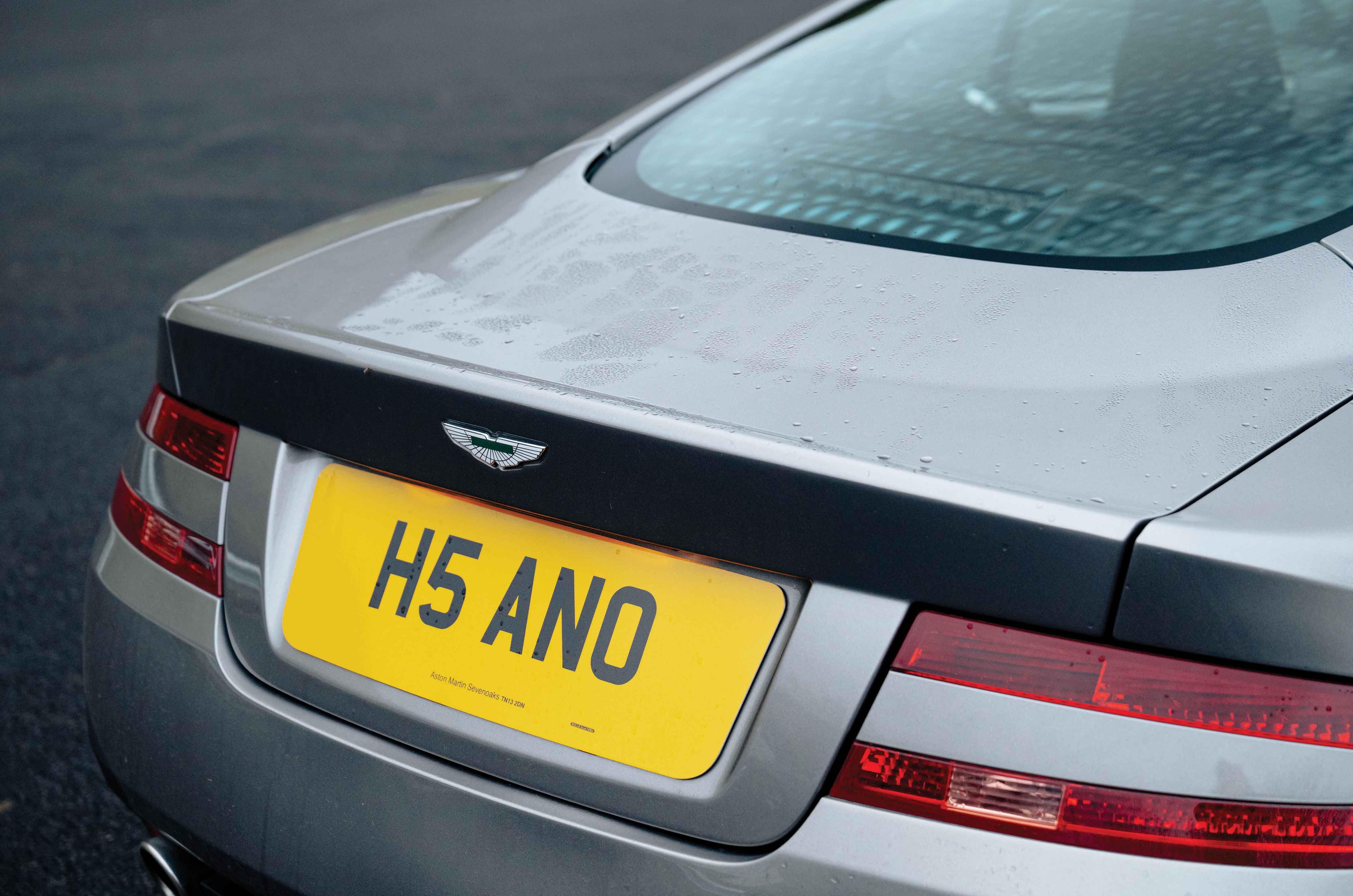
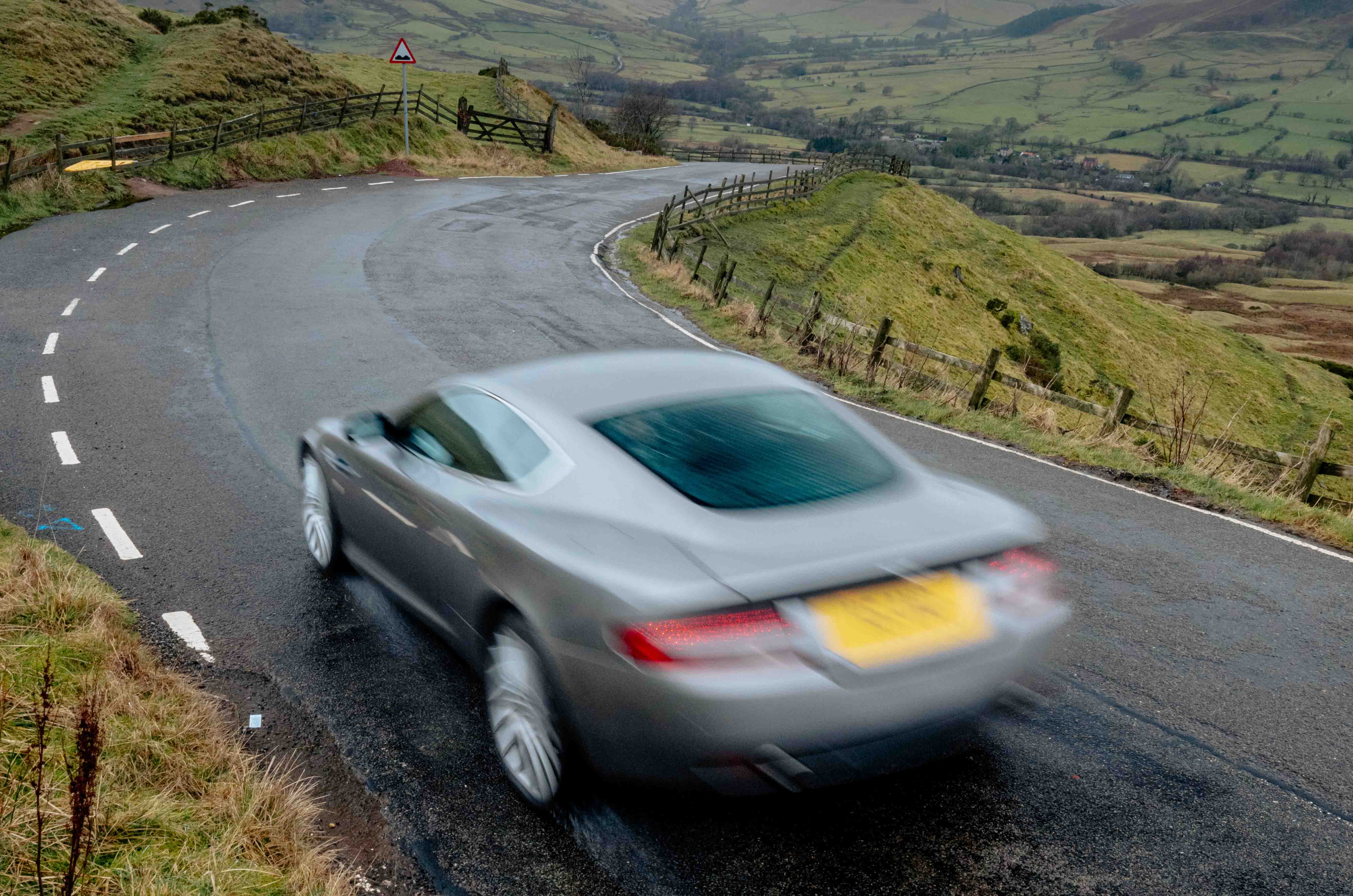
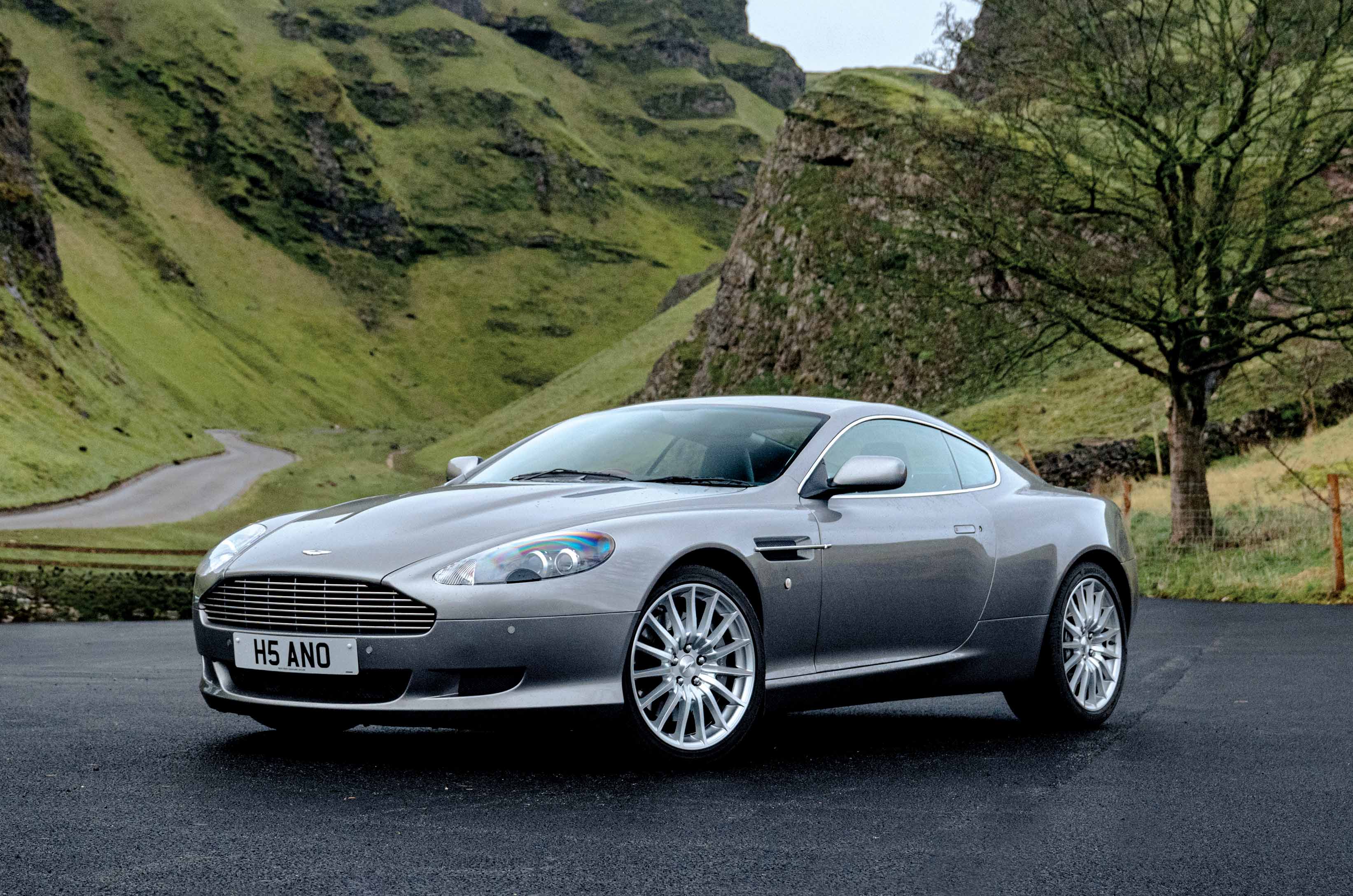
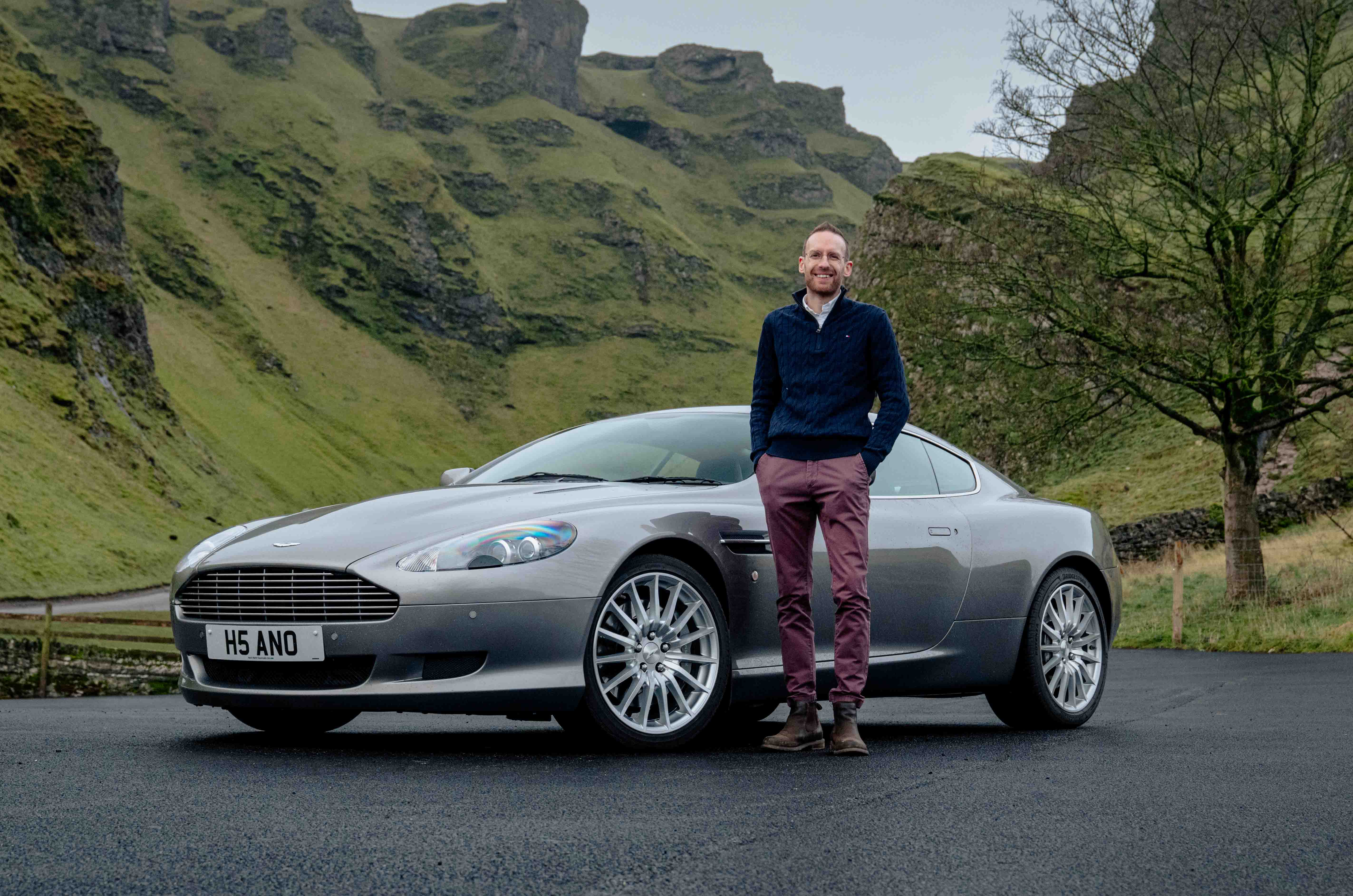
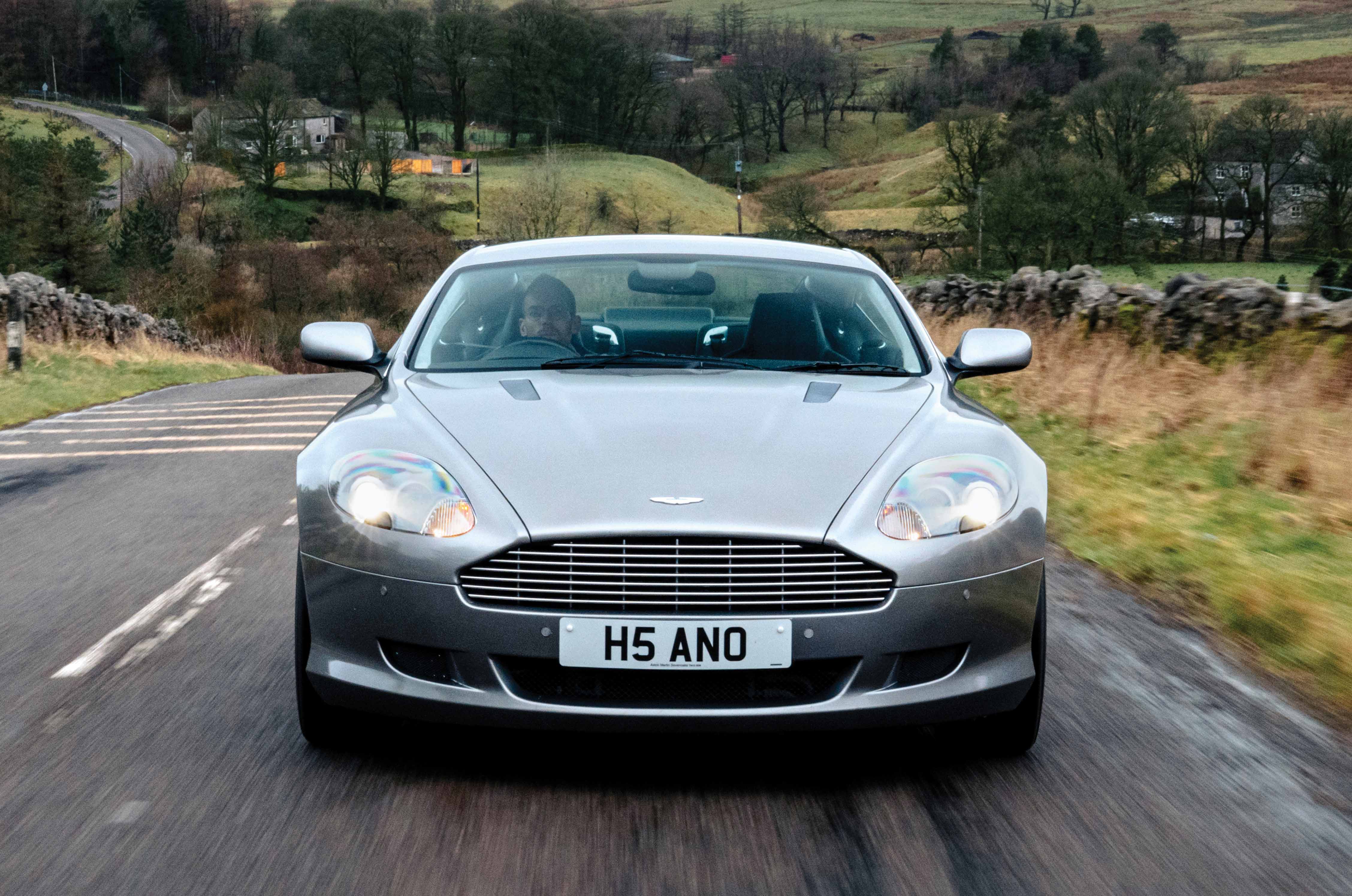
The Aston Martin DB9’s styling still looks fresh more than 20 years since launch, with a purity that is yet to be bettered
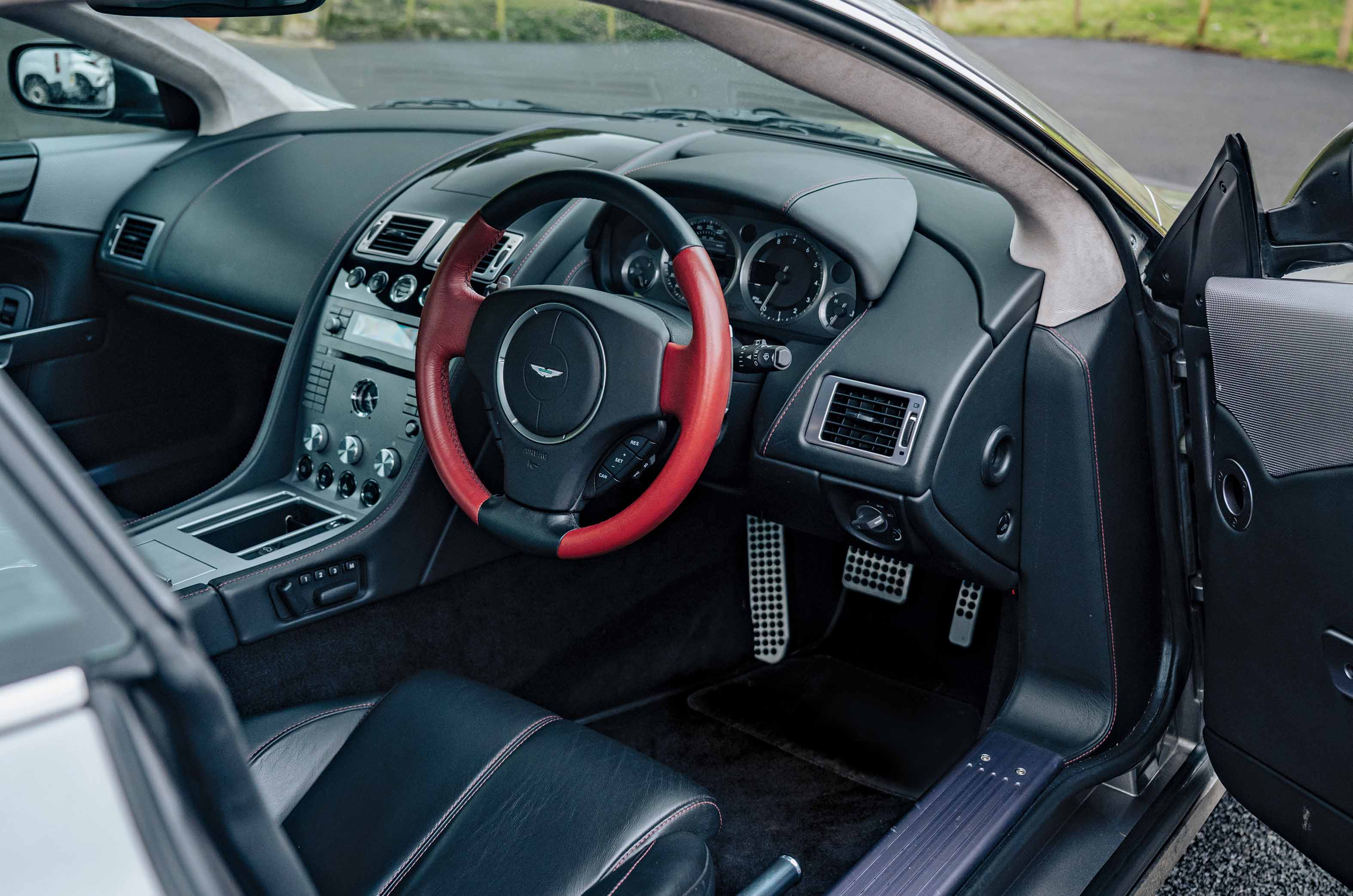
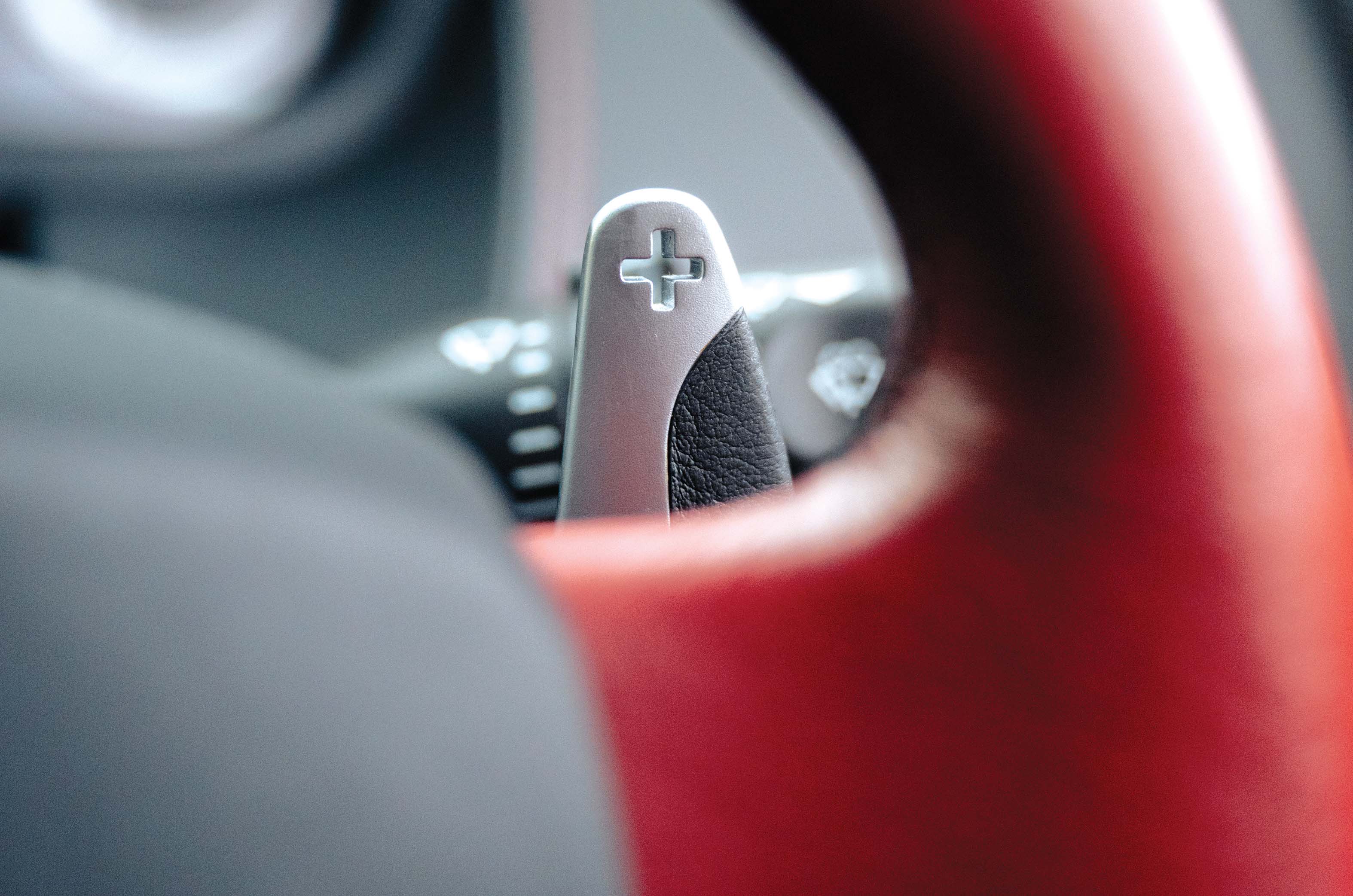
The ZF transmission is inclined to shuffle swiftly to a higher ratio to keep things quiet and stress-free, but it also mutes the throttle response, so clicking the left-hand downshift paddle a couple of times is almost mandatory to experience more of the V12’s vocal range.
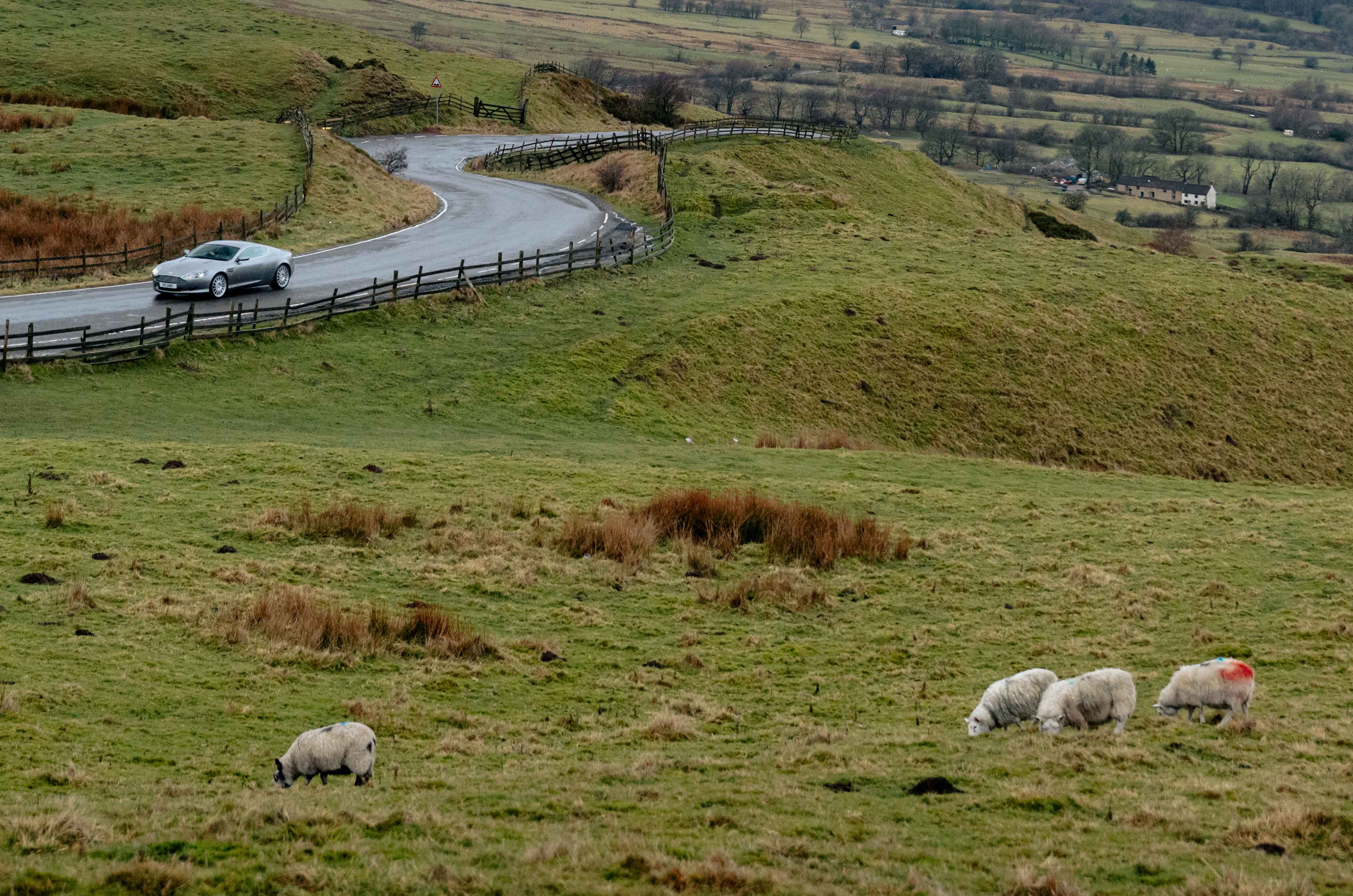
Swapping between third and fourth as the moorland roads crest and meander, the DB9 is in its sweet spot: effortlessly brisk, but still holding plenty in reserve.
That slightly brittle low-speed ride quickly evaporates – the dampers are much happier dealing with higher loads – and here Aston’s decision to opt for firmer settings makes more sense, because the DB9 is far better equipped to deal with the compressions and crests of an undulating B-road, morphing from cruiser to sports car as both you and the road demand more from it.
The DB9 launched a whole new dynasty of Aston Martins
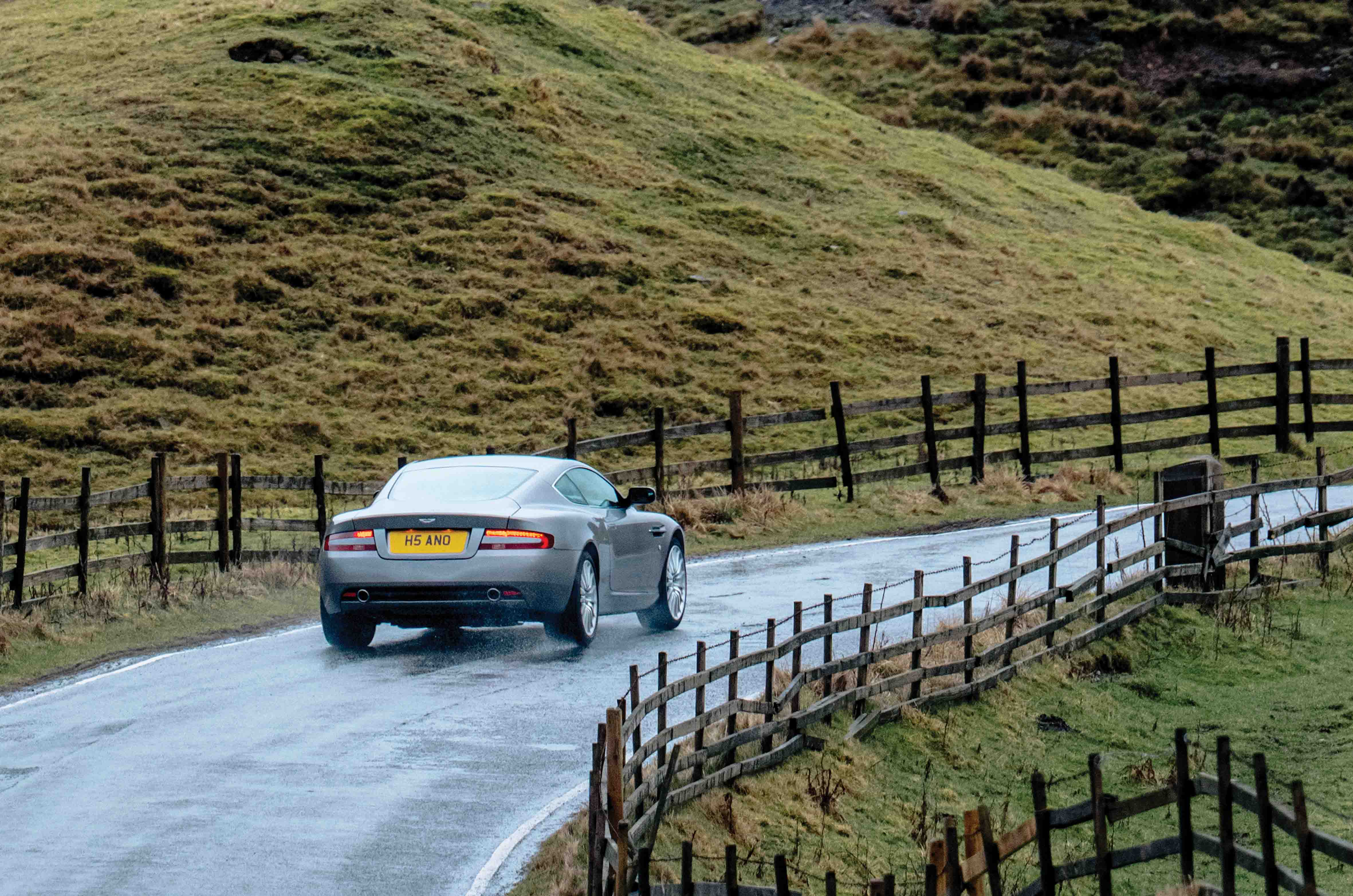
There are no Continental-style high-speed sweepers here, but it would no doubt feel comfortable on those, too; around tighter corners it’s balanced and grippy, even on the damp surface.
The steering feels ideally weighted, too: like contemporary road testers, owner Adam finds the rack a little heavy, but to my hands it feels well balanced with the other controls, and its accuracy contributes to the DB9’s sense of wieldiness
A couple of open stretches finally present themselves and give us a chance to extend that engine.
Sink the pedal from around 2000rpm in second for the best effect: an instant, insistent push from behind as the revs begin to rise, with a rate of acceleration that seems to build proportionally with every hundred rpm.
The Aston Martin DB9 has shift paddles for its six-speed ZF gearbox
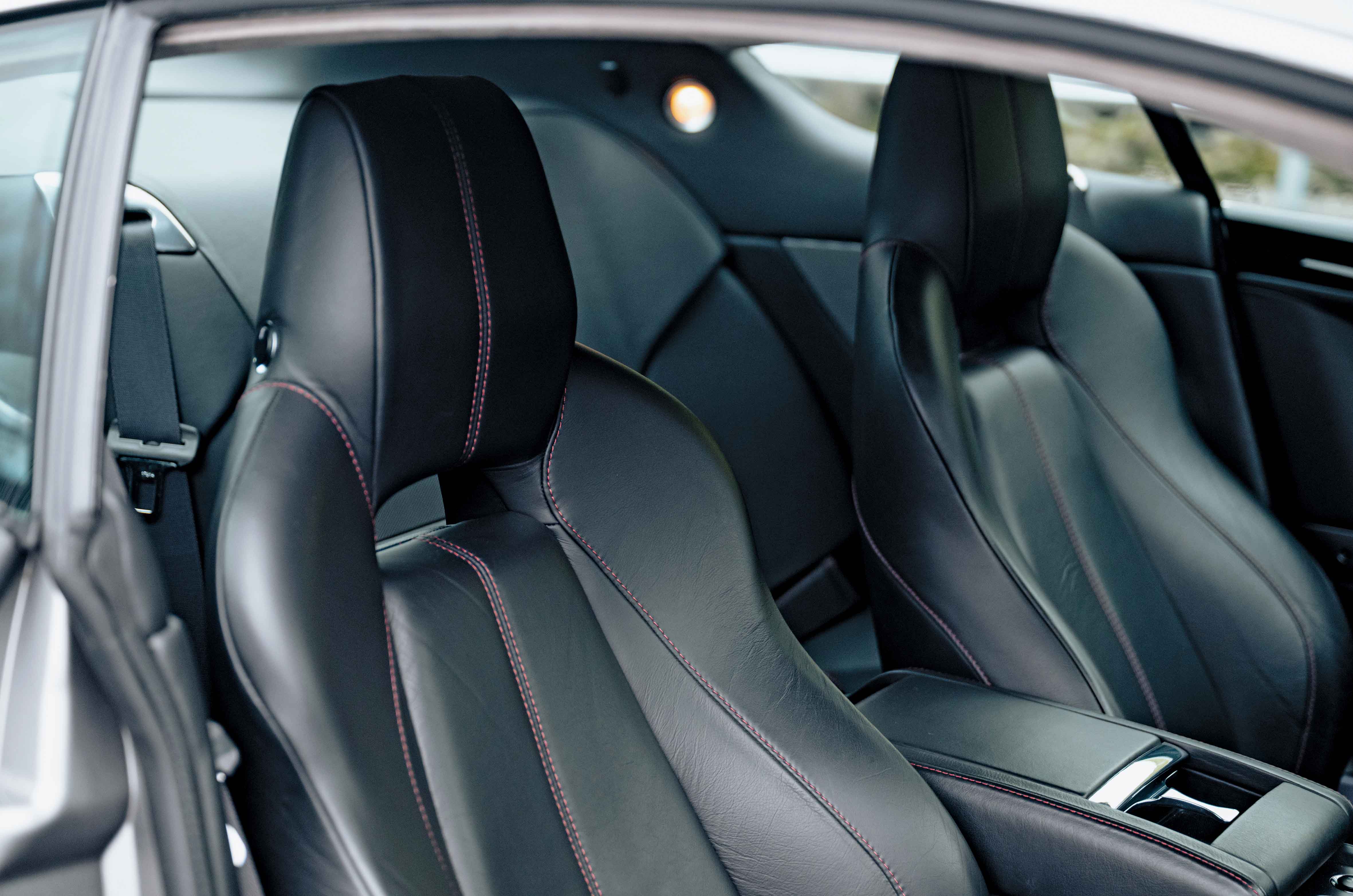
By around 4000 an induction bark has begun to permeate the previously hushed cabin, and by six-and-a-bit, as you’re flexing your fingers for the next gear, it’s grown into a blue-blooded roar.
A DB12 is more guttural, and gives you a much more brutal kick in the kidneys, but its extra 350bhp or so is almost wasted; the DB9 is still wonderfully potent, but not so much that you couldn’t regularly enjoy the full breadth of its urgent and orchestral performance.
That you can today combine an engine such as that with one of the most elegant shapes of the past quarter-century for as little as £20,000 looks baffling when its closest contemporary, the Ferrari 612 Scaglietti, costs three times that.
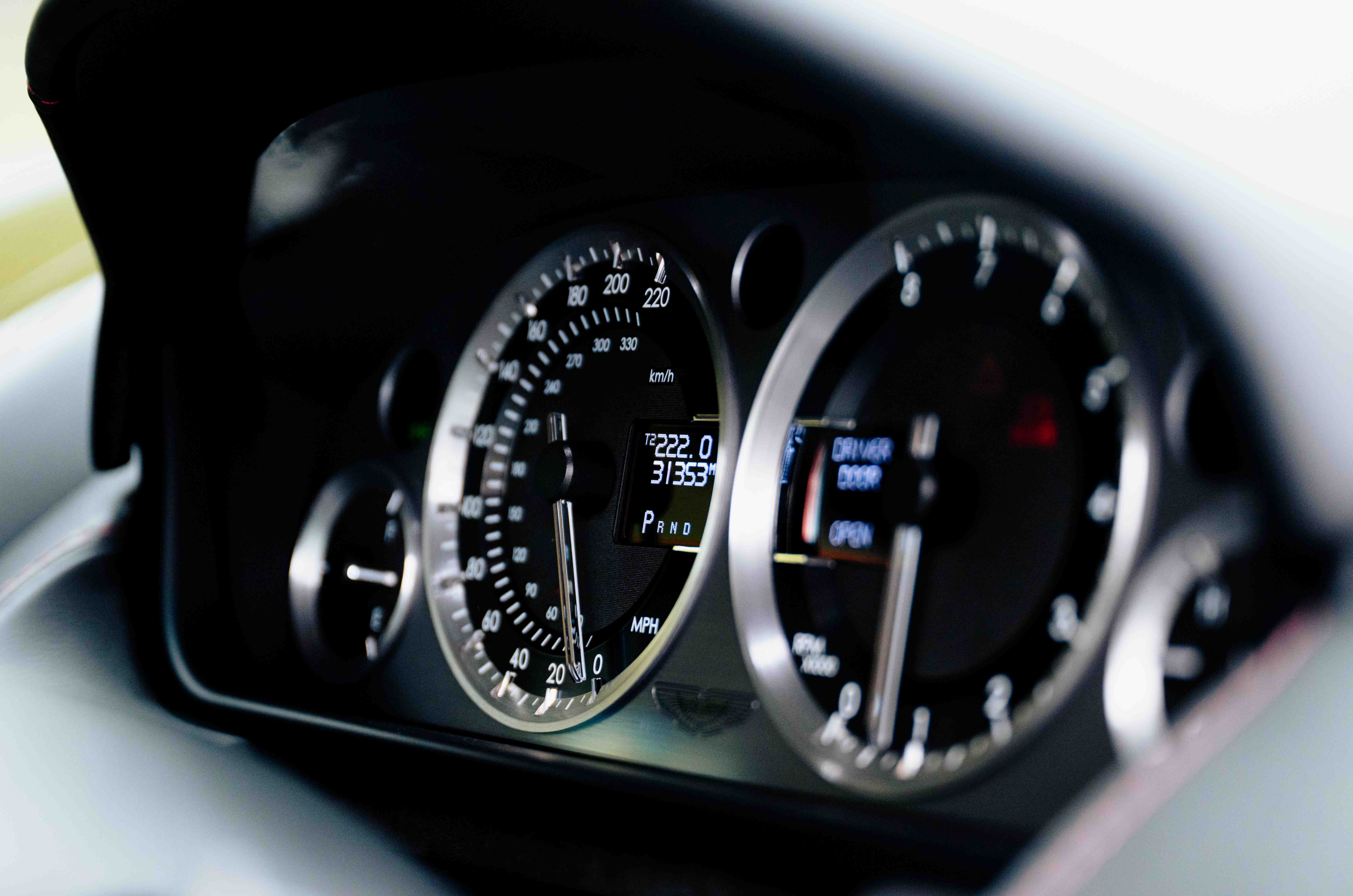
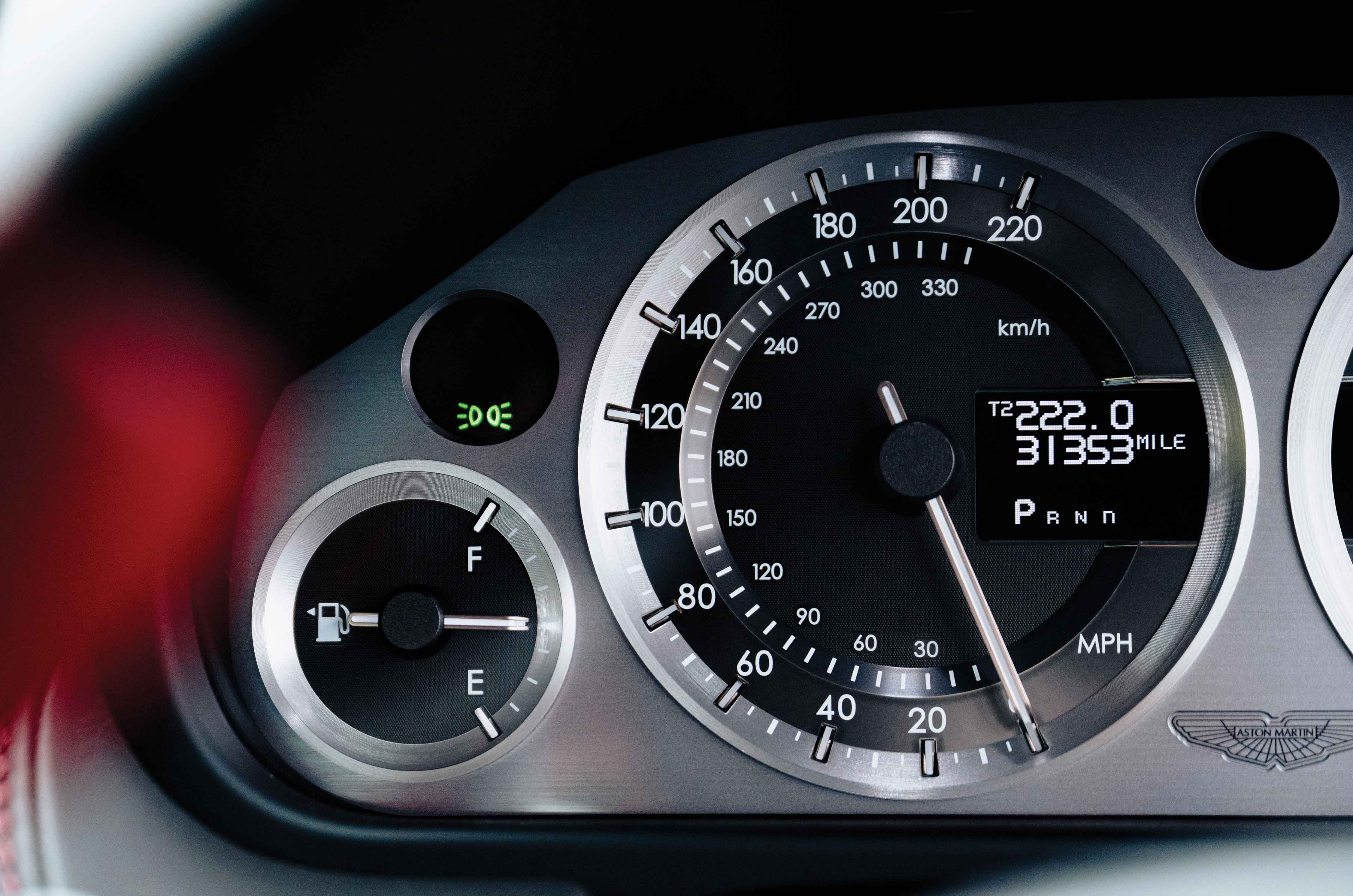
The Aston Martin DB9’s jewel-like dials
It’s also just a fifth of what the DB9 cost when new, before inflation is taken into account, and while you’d probably want to spend a little more to find a car with a suitably heavy folder of paperwork – and set aside a bit extra for unexpected costs – the DB9 today cannot be considered anything other than a bargain.
But there’s more to it than that, because the DB9’s core appeal lies in it being one of the best-resolved cars that Aston Martin has ever made – and, thanks to its use of the VH architecture that underpinned more than a decade of Astons to follow, one of the most significant, too.
It’s reassuring to find that it’s no less compelling today, either visually or as an involving grand tourer – and, as exotica goes, nor is it especially difficult to run.
Consider all that, and it’s even easier to appreciate the lengths Aston Martin has gone to in order to surpass it.
Images: Jayson Fong
Thanks to: Scott Fisher at Aston Martin
Aston Martin DB9: owner’s view
What’s it like to own an Aston Martin DB9?
Adam Osborne has owned the Aston Martin DB9 on these pages for around 18 months, marking the culmination of a 20-year dream after watching Top Gear’s famous race with a train to the south of France.
In 2024, Adam sourced the car through Aston Martin Timeless, the brand’s approved-used programme, paying £40,000 for a car with 27,000 miles.
He covers around 3000 miles a year and has so far needed only a door seal and an alternator belt, plus routine servicing, while Adam pays c£90 a month for insurance on a classic policy and £66 per month on VED, and the car returns 19mpg in mixed driving.
Aston Martin DB9: specialist’s view
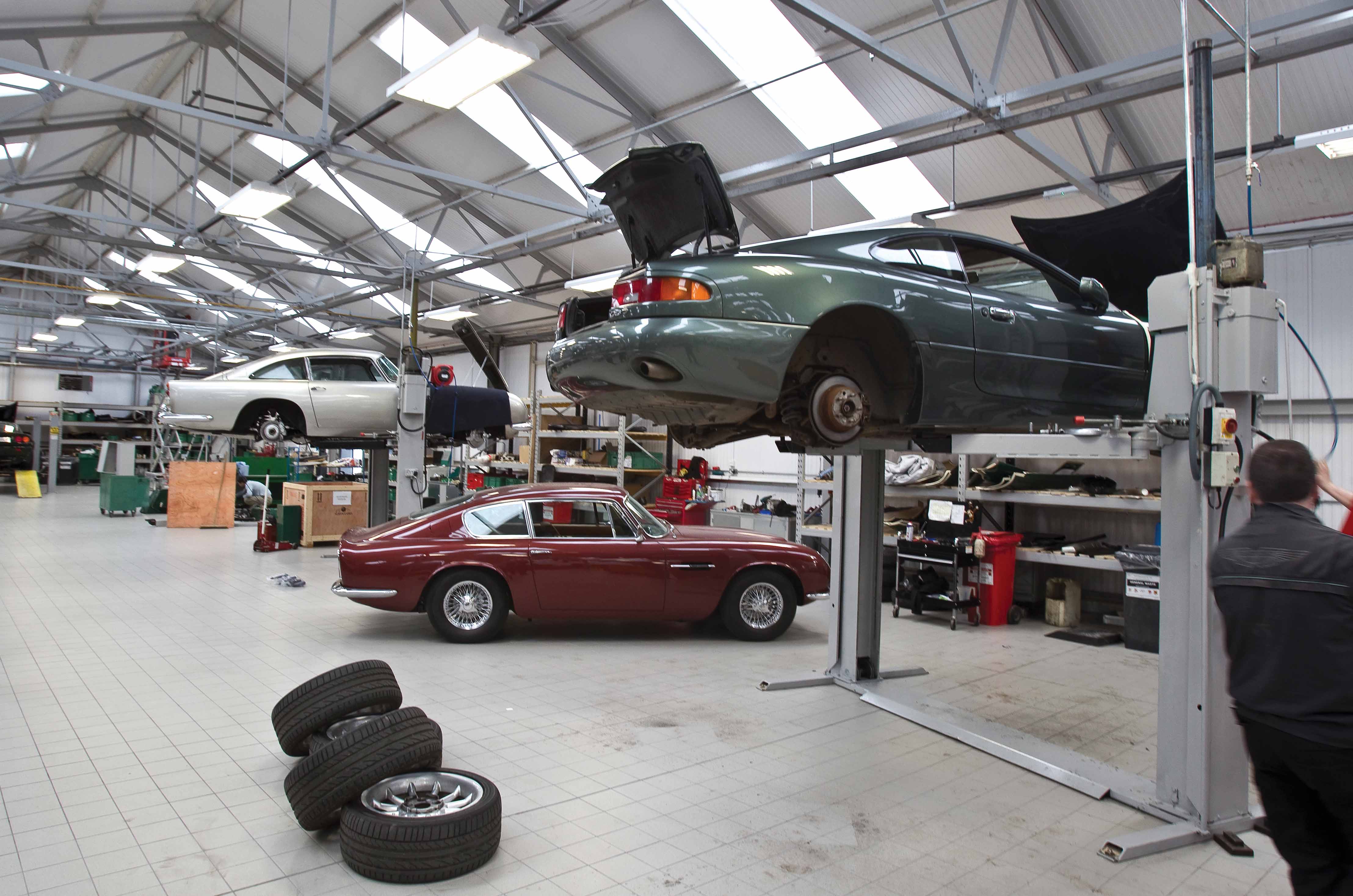
Aston Martin Works looks after models from all eras
Buying an Aston Martin super-GT at a temptingly reasonable price need not be as nerve-racking as you’d expect.
“There’s a noticeable difference in cars that have been serviced regularly,” says Mark Cranston, senior service manager at Aston Martin Works, “they tend to have fewer problems.”
Maintain a DB9 to a reasonable degree, Mark says, and it should be reliable and relatively easy to look after: “Some items are in short supply from time to time, but generally parts availability is very good.”
Aston Martin Works recommends servicing every year or 10,000 miles, and has a 10-year schedule, with filters replaced every 20,000 miles, transmission and diff fluids at 40k, coolant at 50k and plugs at 70k.
Prices are fixed across all AML dealerships, with smaller services at £865, rising to £1065 when several big jobs coincide in the 10th year, and spark-plug replacement adds an extra £1270.
“It doesn’t use special plugs,” says Mark, “but the job is quite labour-intensive, which pushes up the cost.”
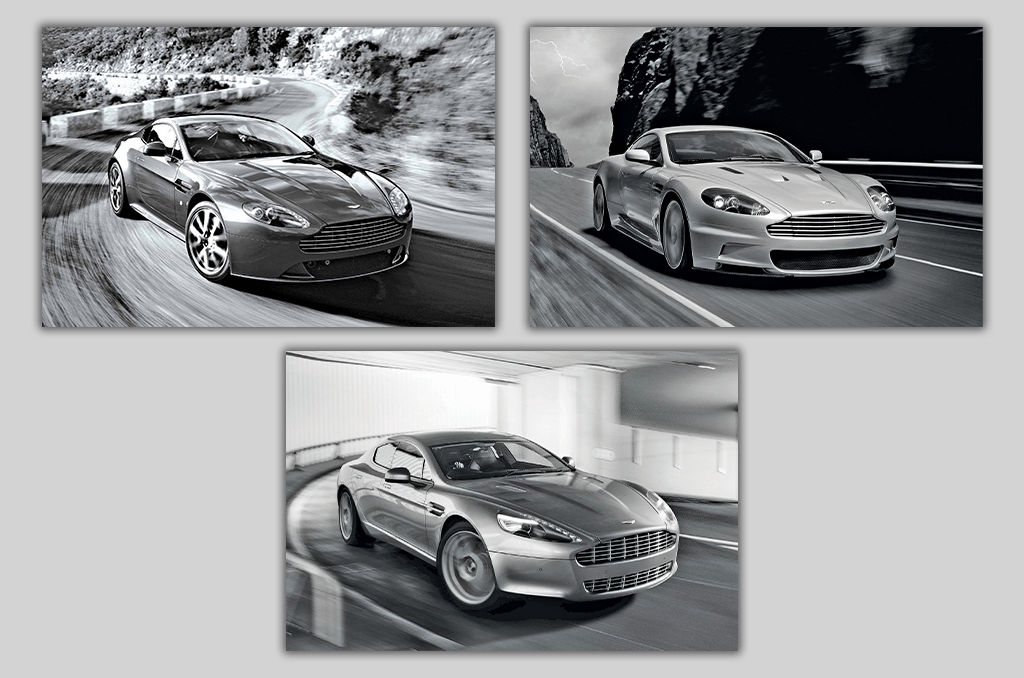
Aston Martin’s VH-platform family
Clockwise from top left: Aston Martin Vantage; DBS; Rapide
Aston Martin Vantage
The DB9’s shorter V8 sibling was more sports car than GT, while the V12 Vantage was even more intense. The V8 is another bargain today.
Aston Martin DBS
Famously driven – and crashed – by Daniel Craig’s 007 in Casino Royale. A more focused take on the DB9, with a 510bhp V12.
Aston Martin Rapide
The VH architecture made it relatively simple to scale for four doors, though the rear accommodation is still tight for a saloon.
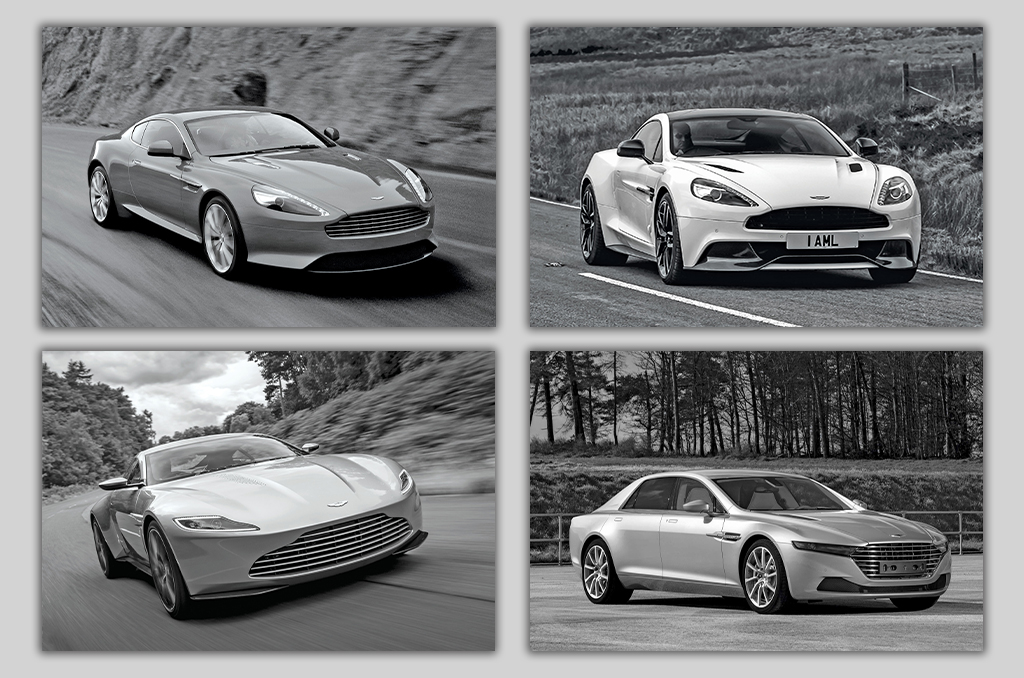
Clockwise from top left: Aston Martin Virage; Vanquish; Lagonda Taraf; DB10
Aston Martin Virage
The classic moniker returned on this limited-production model that sat between DB9 and DBS. Adaptive dampers among the refinements.
Aston Martin Vanquish
The oft-forgotten 2012 Vanquish replaced the DBS, with dramatic styling, a carbonfibre body and a 565bhp iteration of the V12.
Aston Martin DB10
10 cars were built for Bond movie Spectre, based on V8 Vantages. The styling pointed the way for the post-VH Vantage of 2018.
Lagonda Taraf
Closely related to the Rapide and aimed at Middle Eastern buyers, with styling inspired by the 1974 William Towns-designed Lagonda.
Factfile
Aston Martin DB9
- Sold/number built 2004-‘12/ c16,500 (all variants)
- Construction aluminium monocoque, aluminium and composite panels
- Engine all-alloy, dohc-per-bank 5935cc V12, Visteon fuel injection
- Max power 450bhp @ 6000rpm
- Max torque 420lb ft @ 5000rpm
- Transmission six-speed automatic, RWD
- Suspension independent, by double wishbones, coil springs, telescopic dampers, anti-roll bar f/r
- Steering power-assisted rack and pinion
- Brakes ventilated discs, with servo and anti-lock
- Length 15ft 5in (4697mm)
- Width 6ft 7½in (2017mm)
- Height 4ft 4in (1318mm)
- Wheelbase 8ft 11¾in (2740mm)
- Weight 3880lb (1760kg)
- 0-60mph 5.4 secs
- Top speed 186mph
- Mpg 12.1
- Price new £103,000
- Price now £20-60,000*
*Price correct at date of original publication
Enjoy more of the world’s best classic car content every month when you subscribe to C&SC – get our latest deals here
READ MORE
Aston Martin Vanquish: culture shock
Buyer’s guide: Aston Martin DB7
Aston Martin DB9 vs Ferrari 612 Scaglietti vs Bentley Continental GT: the grand tour