Buyer’s guide: Mazda RX-7

| 12 Sep 2025
Classic & Sports Car – Buyer’s guide: Mazda RX-7

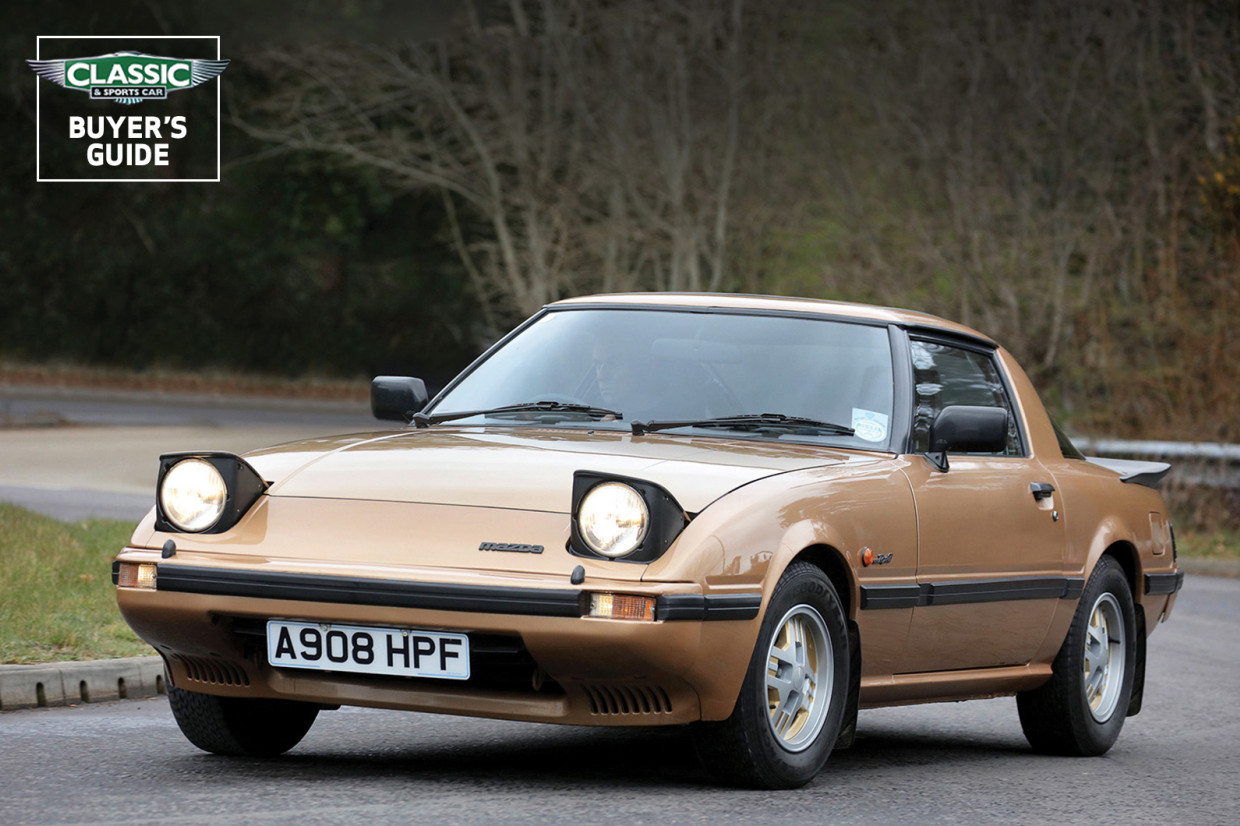
Why you’d want a Mazda RX-7

‘Has the Wankel rotary engine a future?’ asked Motor magazine in its road test of the RX-7 in September 1979.

Mazda faced a huge challenge in persuading people to buy a rotary-engined road car, however outstanding it might be. But outstanding it was.

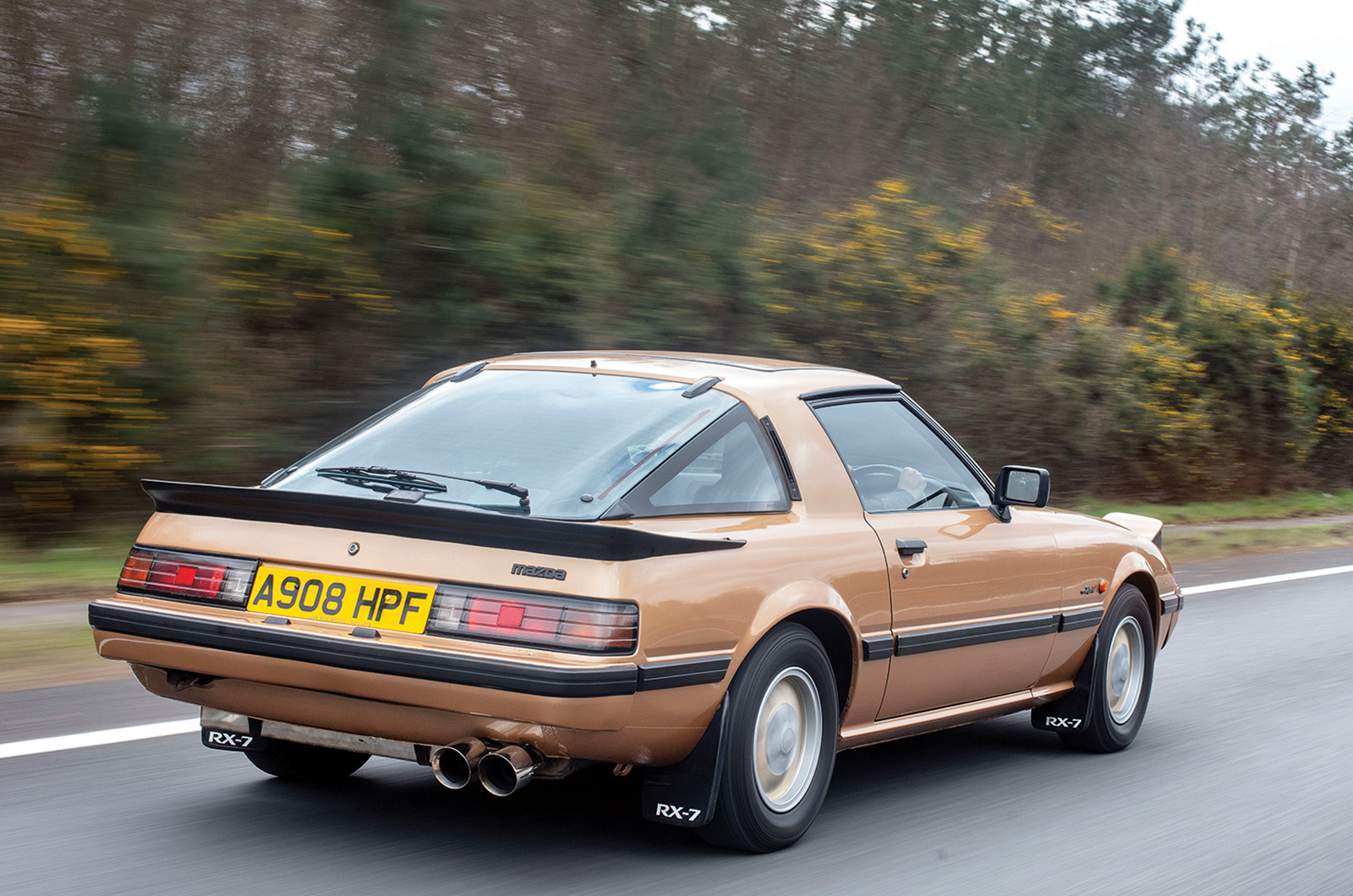
Astonishingly smooth, with noise only from the intake and exhaust, the RX-7 was tuned to minimise the prodigious thirst that led to previous rotaries’ withdrawal from the market. It was now on a par with rivals for economy.

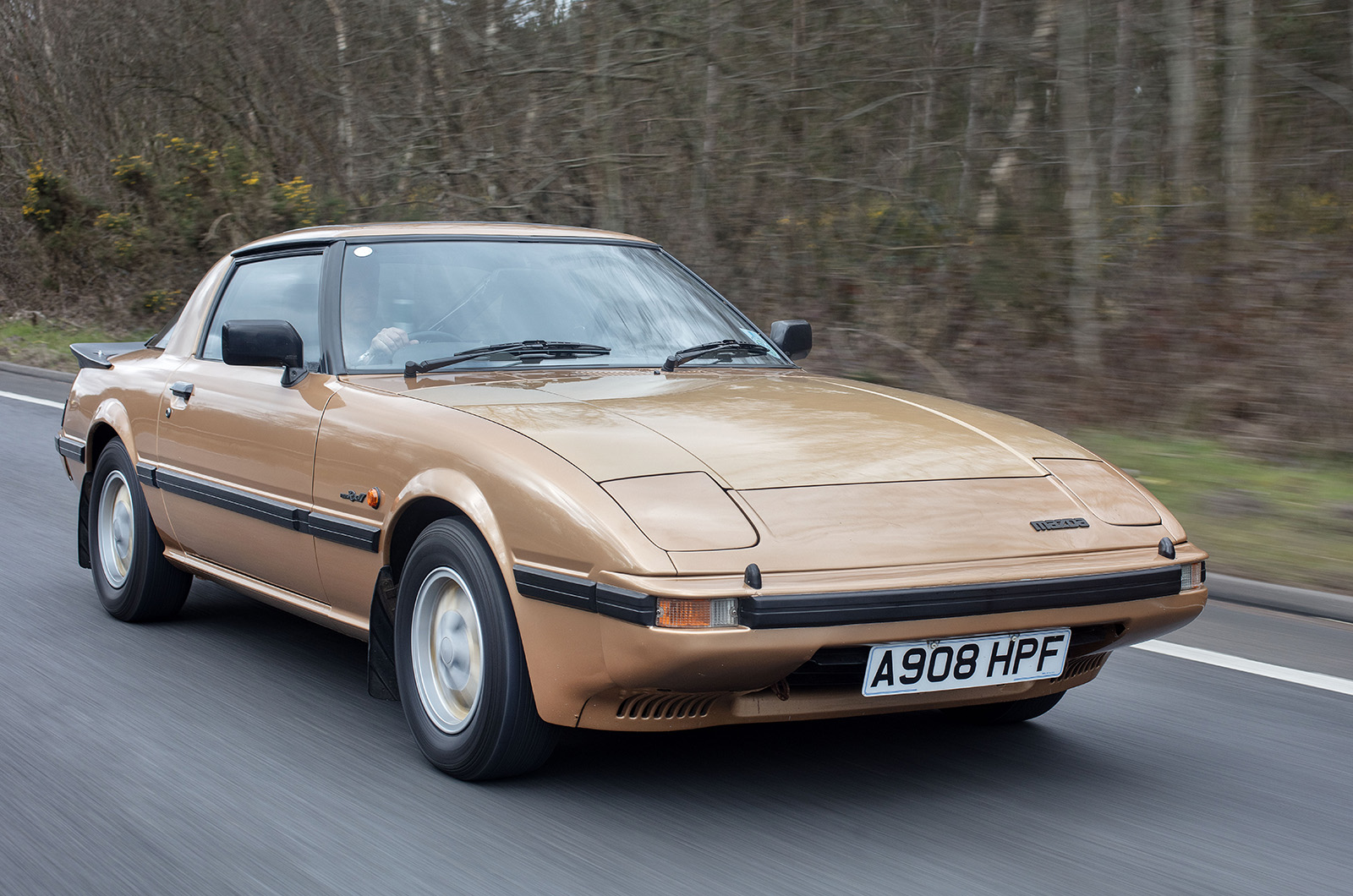
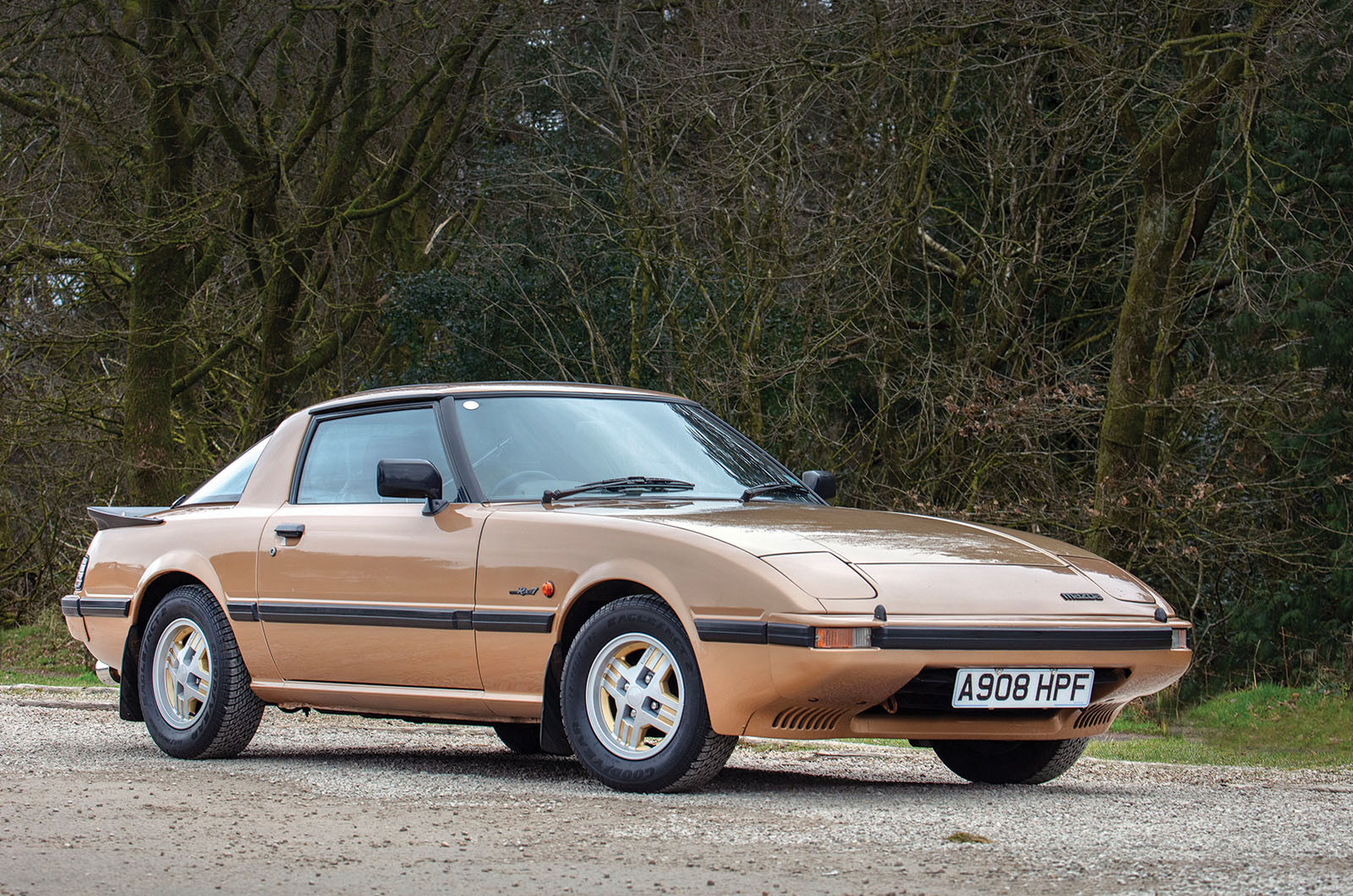
The light and compact RX-7 was supremely stylish, and its unframed rear hatch, with hinges, struts and lock mounted to the glass, was pioneering.

Diminutive rear seats were useful for kids, and the backrests could be folded down to increase luggage space, making the car thoroughly practical for two.

A light motor sited well back and tautly controlled suspension made it a delight to drive quickly on twisty roads, with the brakes more than powerful enough to lock up in pre-ABS days.
Classic & Sports Car – Buyer’s guide: Mazda RX-7

‘A very satisfying driver’s car, with thoroughly entertaining handling, tireless brakes, a good control layout, pleasant gearbox and the outstanding smoothness of that rotary engine,’ reported Motor – although its testers felt the performance had been held back for economy.
Even the Triumph TR7 would out-accelerate it to 60mph, and revving the super-smooth rotary was discouraged by a warning buzzer at 6700rpm – no doubt to save the rotor tips from premature wear, rather than any lack of power higher up.

Just 700 cars found British homes in the first 18 months, but sales in the significantly more important US market took off. The car was sold as a two-seater there, with optional automatic transmission and air-con.

In his 24,000-mile test report, Peter Dron noted the need for the lowest 90-octane – ideally unleaded – petrol, because of the US emissions equipment: ‘If it is not to foul its plugs in traffic and pop and bang more than ever.’

The FB answered all his reservations about the first-generation SA: for the UK it was far better equipped, with all-disc brakes, a lift-out sunroof and rear wash/wipe.

In Britain, Elford Engineering offered its own Turbo version, with 160bhp, plus a front airdam, side skirts and spoiler: some 540 were sold.

Mazda UK chose not to import the factory Turbo version when it was introduced in 1983.

Images: James Mann


Mazda RX-7: what to look for

Classic & Sports Car – Buyer’s guide: Mazda RX-7

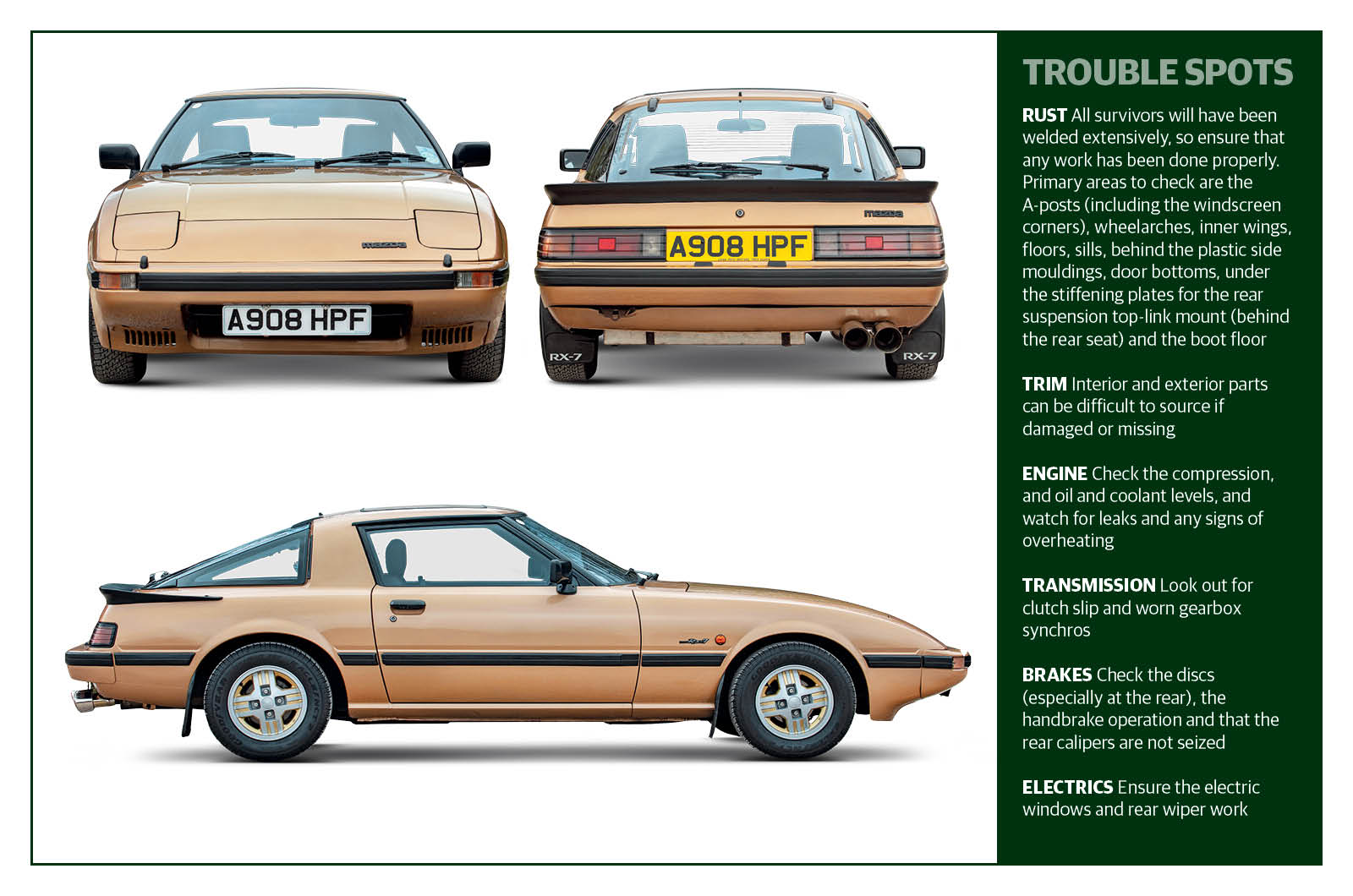
Trouble spots

Please see above for what to check for when looking at Mazda RX-7 classic cars for sale.

Classic & Sports Car – Buyer’s guide: Mazda RX-7

Engine

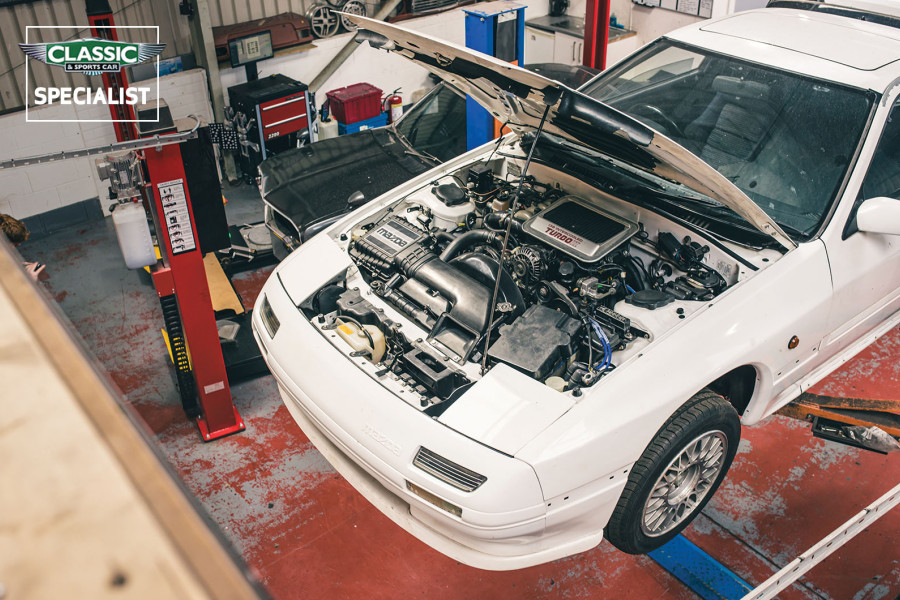
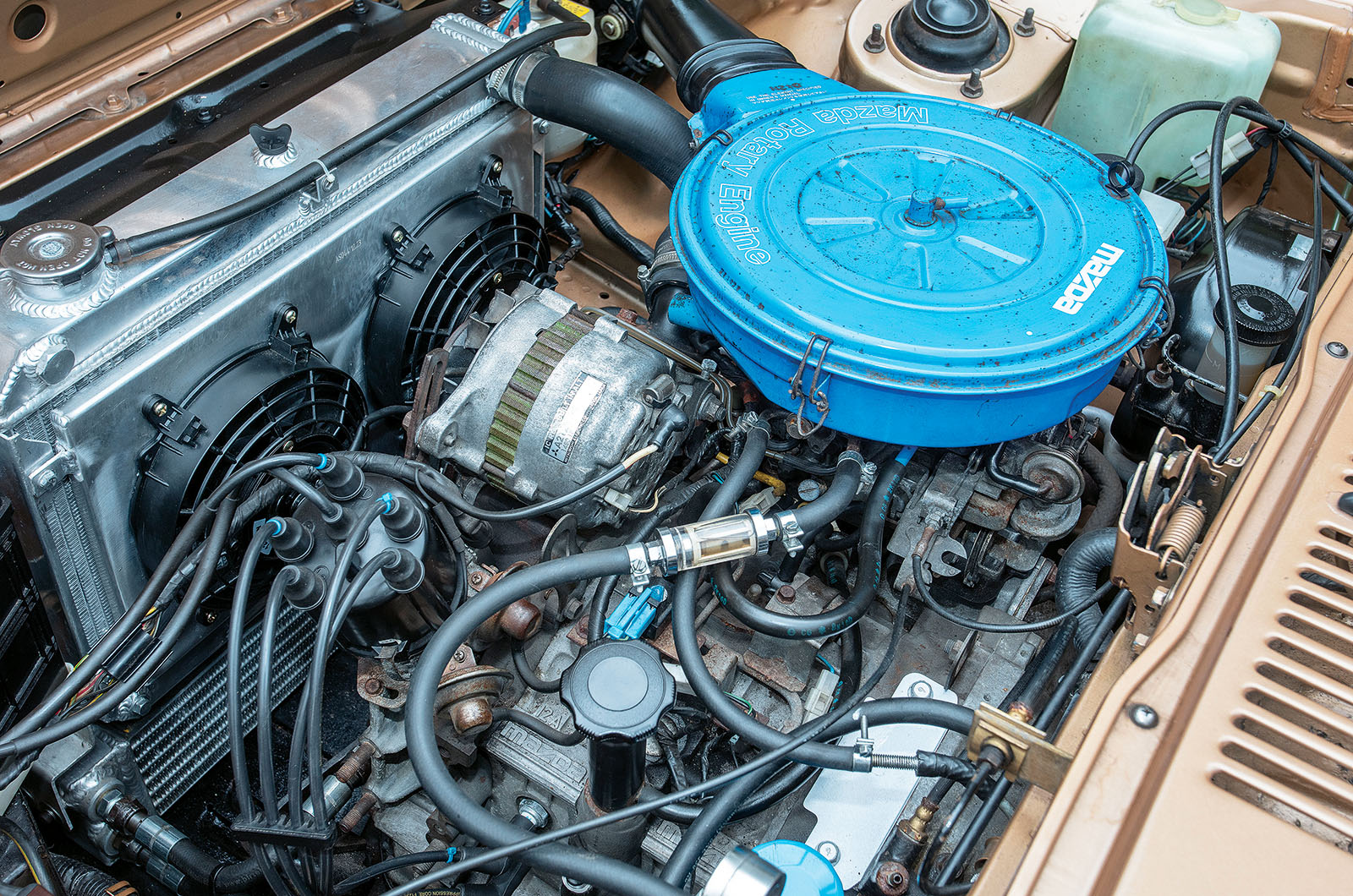
The twin-rotor Wankel engine is a very simple unit, and reliable given regular maintenance.

If there’s no evidence of a recent overhaul with new rotor-tip seals, get a compression test, and check for excessive oil smoke and leaks.

The cooling system is also critical: here an aluminium radiator replaces the rot-prone original.

Classic & Sports Car – Buyer’s guide: Mazda RX-7

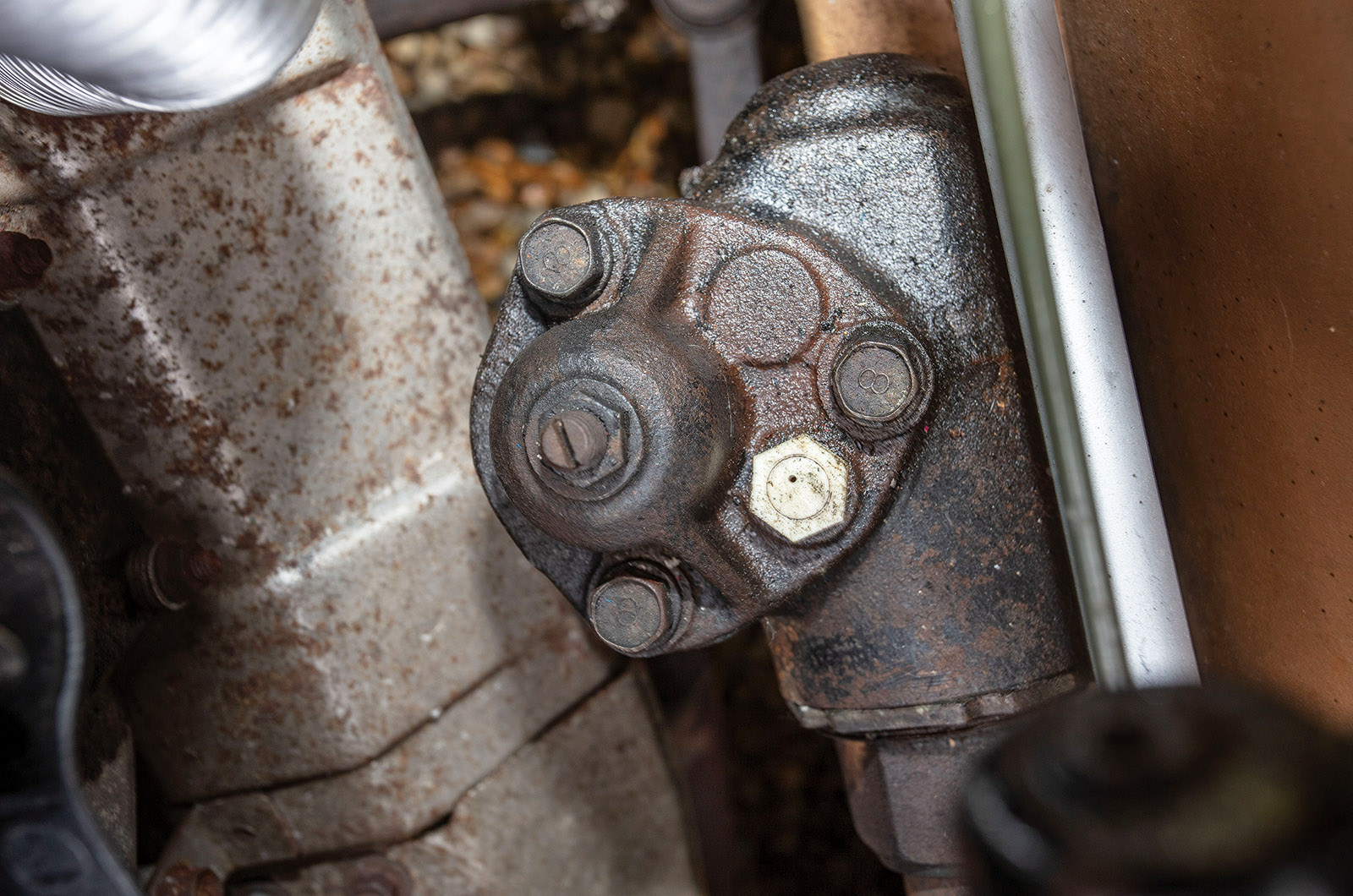
Steering

Steering precision was criticised when new, but check it hasn’t got worse.

There should be no significant straight-ahead play and no stiffness off-centre.

Classic & Sports Car – Buyer’s guide: Mazda RX-7

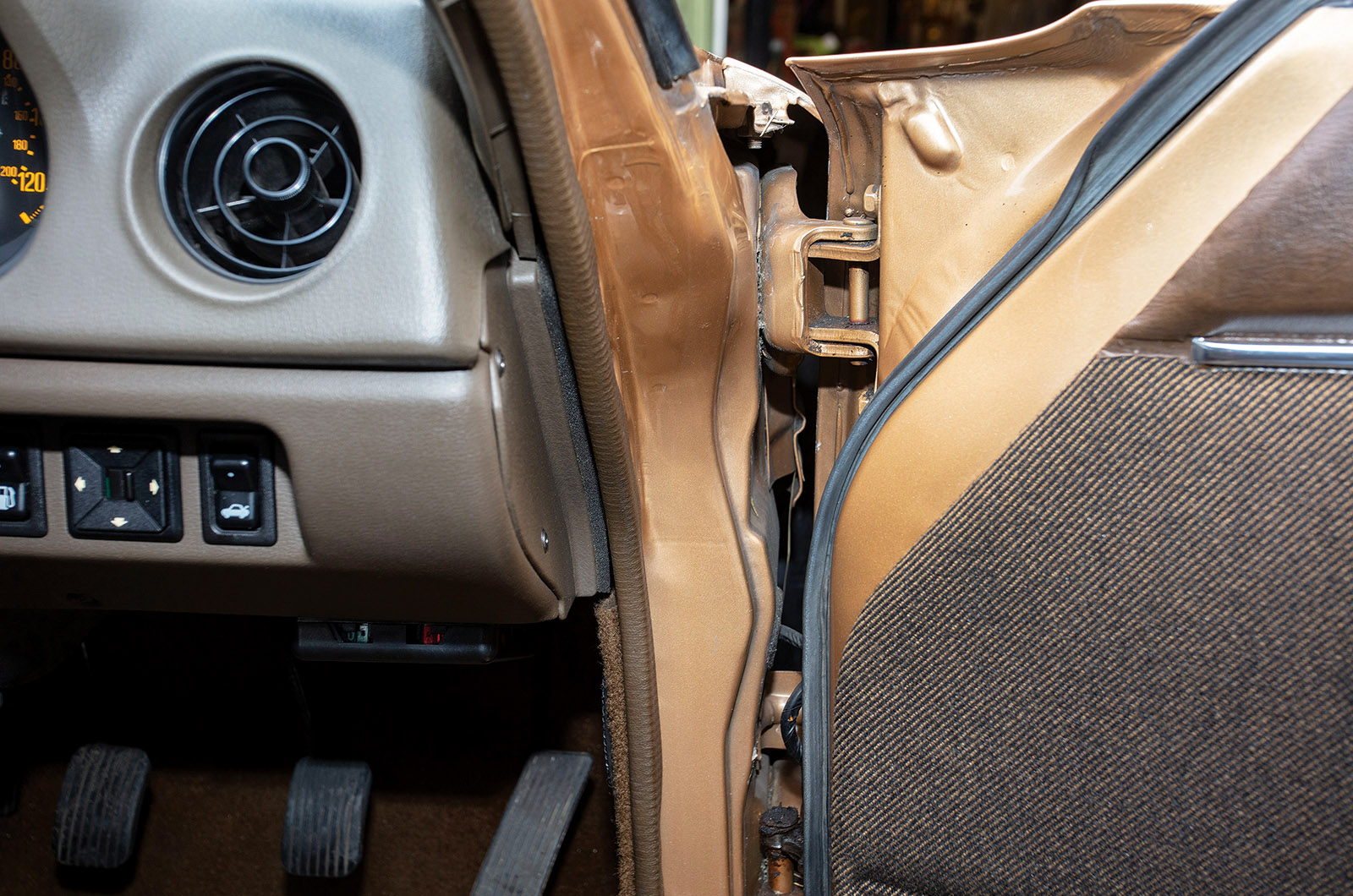
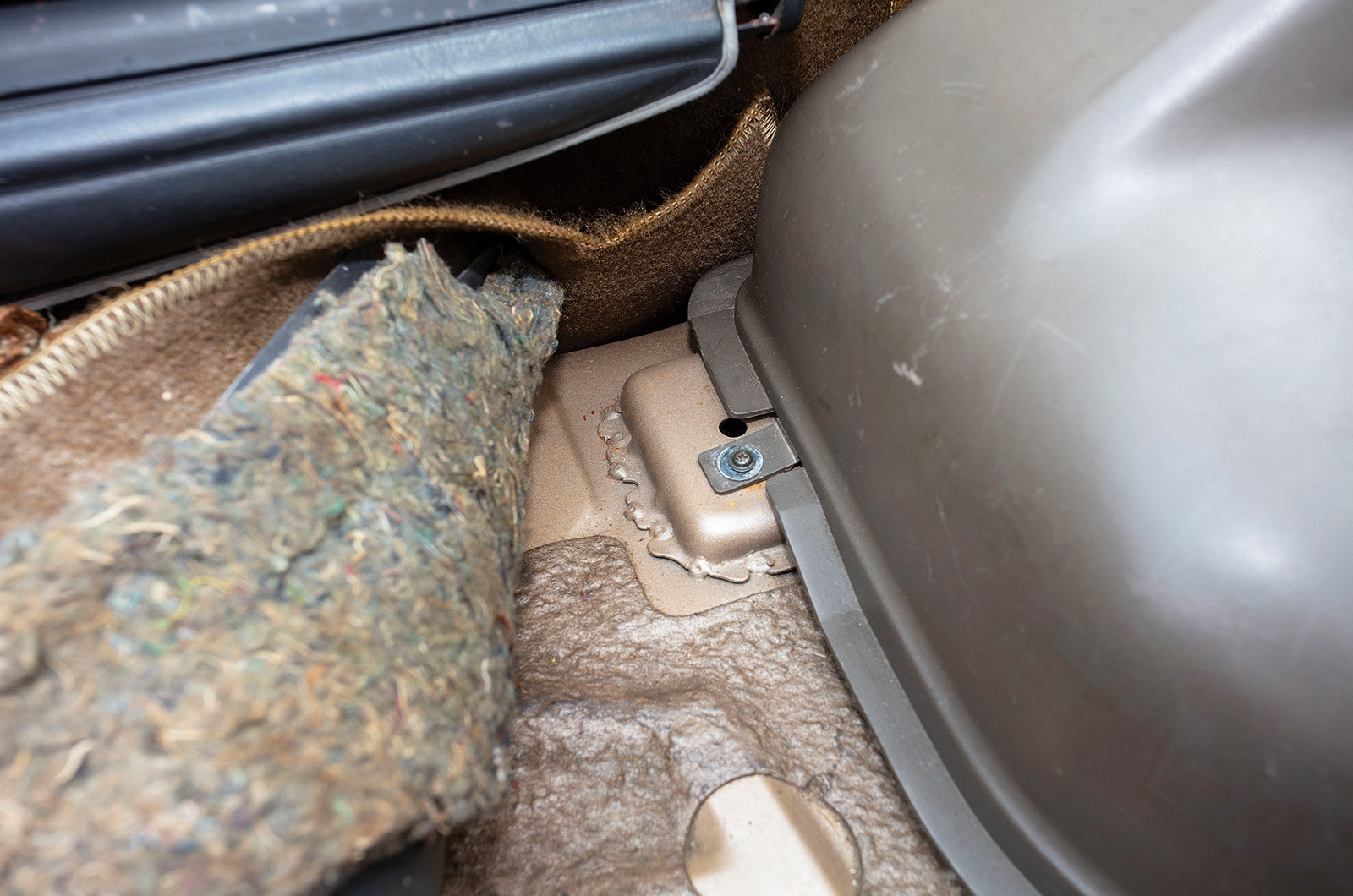
Rust

One of the first places to rust is in the A-post (left), especially where moisture is trapped behind trim. Beware broken trim clips – they are hard to replace.

Corrosion can take hold under the strengthening plates for the rear suspension mounts (right): if you can see rust here, it will be far worse underneath.

Classic & Sports Car – Buyer’s guide: Mazda RX-7

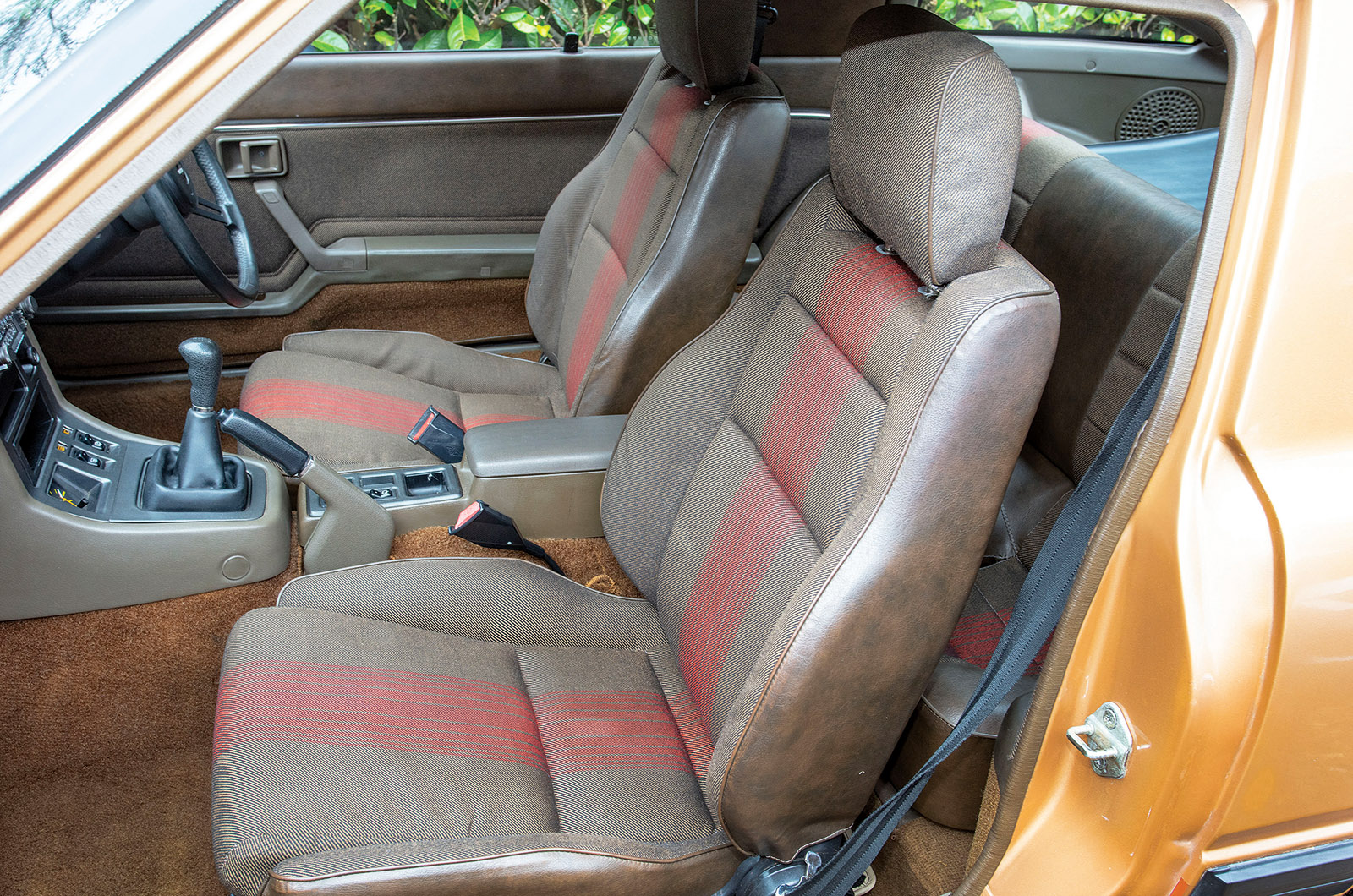
Interior

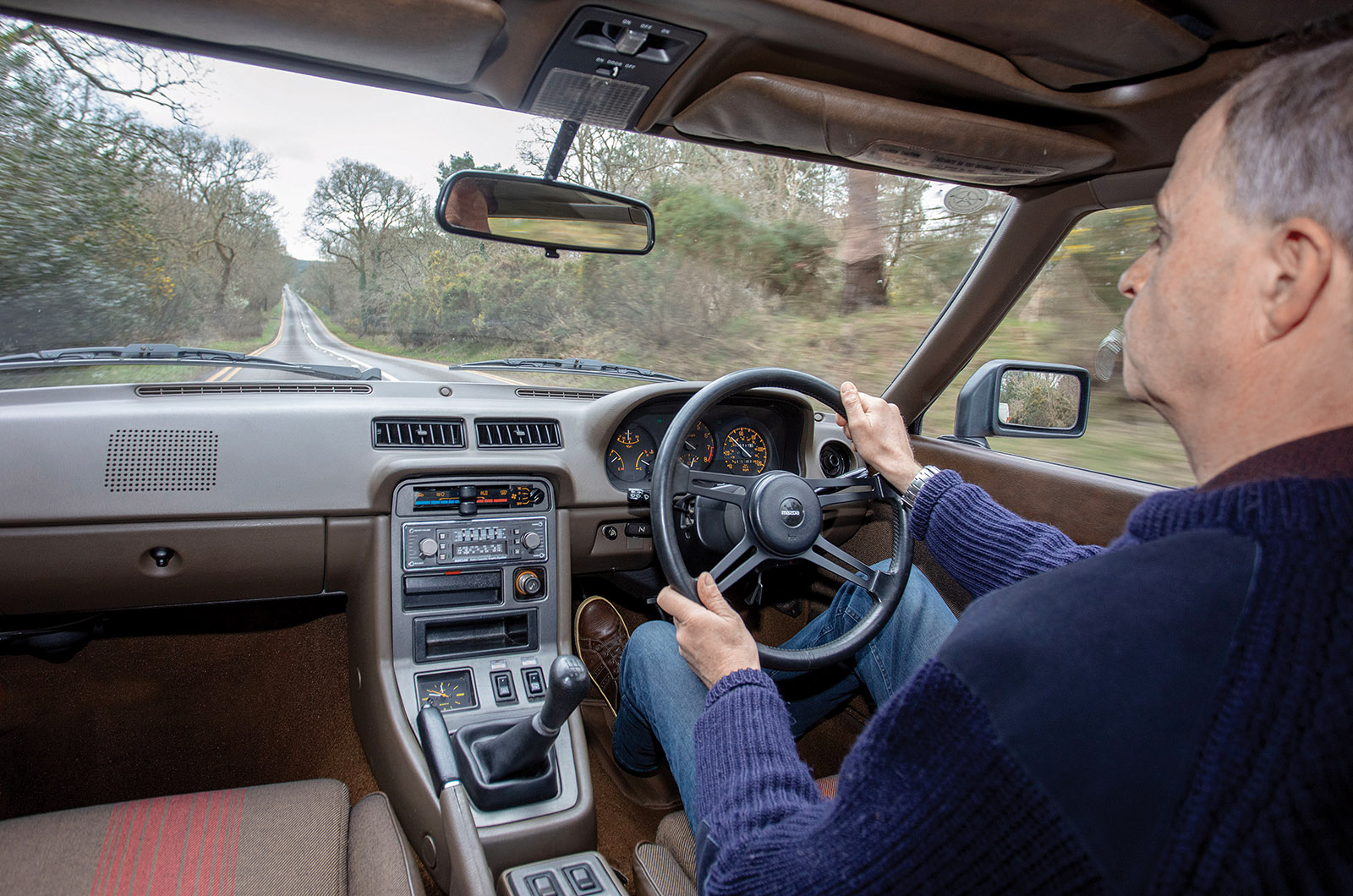
Interior parts are extremely scarce in the UK and costly to import from the USA, so check everything is present and correct. Leather was optional.


Mazda RX-7: before you buy

Classic & Sports Car – Buyer’s guide: Mazda RX-7

The unfamiliar engine configuration scares off many buyers, but it’s a very simple unit and can be durable if properly maintained.

Look for 60psi oil pressure at speed, and no leaks from the front and rear crank seals, or from the oil cooler and its pipework.

Make sure the exhaust isn’t smoky, and if there is no evidence of the rotor seals having been replaced recently, then a professional compression test is advisable.

It is not an expensive engine to rebuild, if needed: a DiY full rebuild kit, including all-new genuine Mazda components, costs £1360, while a professional overhaul is £2500-3500.

Classic & Sports Car – Buyer’s guide: Mazda RX-7

An unusual feature is that a small amount of engine oil is injected into the combustion chambers to lubricate the rotor tips – meaning the oil needs topping up much more often than in piston engines; some owners favour adding a little two-stroke oil to the fuel.

Oil changes were recommended at 6000 miles when new, but most now change annually or at 3000 miles.

Because of the long, thin combustion chamber, some unburnt fuel can pass into the exhaust: Mazda added an air-injection system to ensure full combustion of waste gases in the exhaust, hence the popping and banging sometimes heard.

Keep a close eye on the cooling system, which can silt up and overheat, or leak.

The transmission, brakes, suspension and electrics hold no particular surprises: look out for signs of wear and budget for replacements if needed. Most parts are still available from specialists in the USA, if not the UK.


Mazda RX-7 price guide

Restoration/average/show

  • SA/FB: £2-4k/6-12k/15-25k
  • Elford Turbo: £3-6k/9-16k/20-32k


Prices correct at date of original publication


Mazda RX-7 history

1978 RX-7 on sale in Japan and the USA

1979 On sale in the UK. Elford Engineering offers a 160bhp, 135mph Turbo variant

1981 Revised RX-7 FB: new nose and rear spoiler improve aerodynamics, lift-out sunroof, rear wash/wipe, electric windows and driver’s mirror, headlight washers, luggage cover, rear disc brakes, better seats/switchgear, firmer ride

1982 Japan-only SE-Limited: all-leather, 138bhp, rotor-look alloys, LSD

1983 Series 3 (not all markets): injected 1308cc 13B engine, 135bhp, upgraded suspension. Japan-only 163bhp RX-7 Turbo

1985 FB replaced by restyled, softer FC


The owner’s view

Classic & Sports Car – Buyer’s guide: Mazda RX-7

“My daughter Eloise was going stir crazy during COVID,” recalls Russ Marlow, “and said she wanted a rotary-engined car.

“I’ve had so many classics, but never a rotary before: we bought this RX-7 jointly, and she’s planning to buy me out now that she’s 25.

“We found it up north – it was off the road for 20 years and is very original. The fuel tank rusted so I’ve replaced it with a stainless-steel item – I was offered an original for £700, but this was £400! I’ve also fitted an aluminium radiator.

“It had a period Janspeed exhaust, which had a single outlet – I wanted twin pipes like the original, but could only get an oversized unit.

“My first rotary has been a steep learning curve: I’ve had lots of fuelling issues and have had three carburettors in bits. You don’t turn it off half warm: it floods, and if you start it again, it may catch fire.

“But it sounds amazing, is great fun to drive and handles beautifully.”


Also consider

Classic & Sports Car – Buyer’s guide: Mazda RX-7

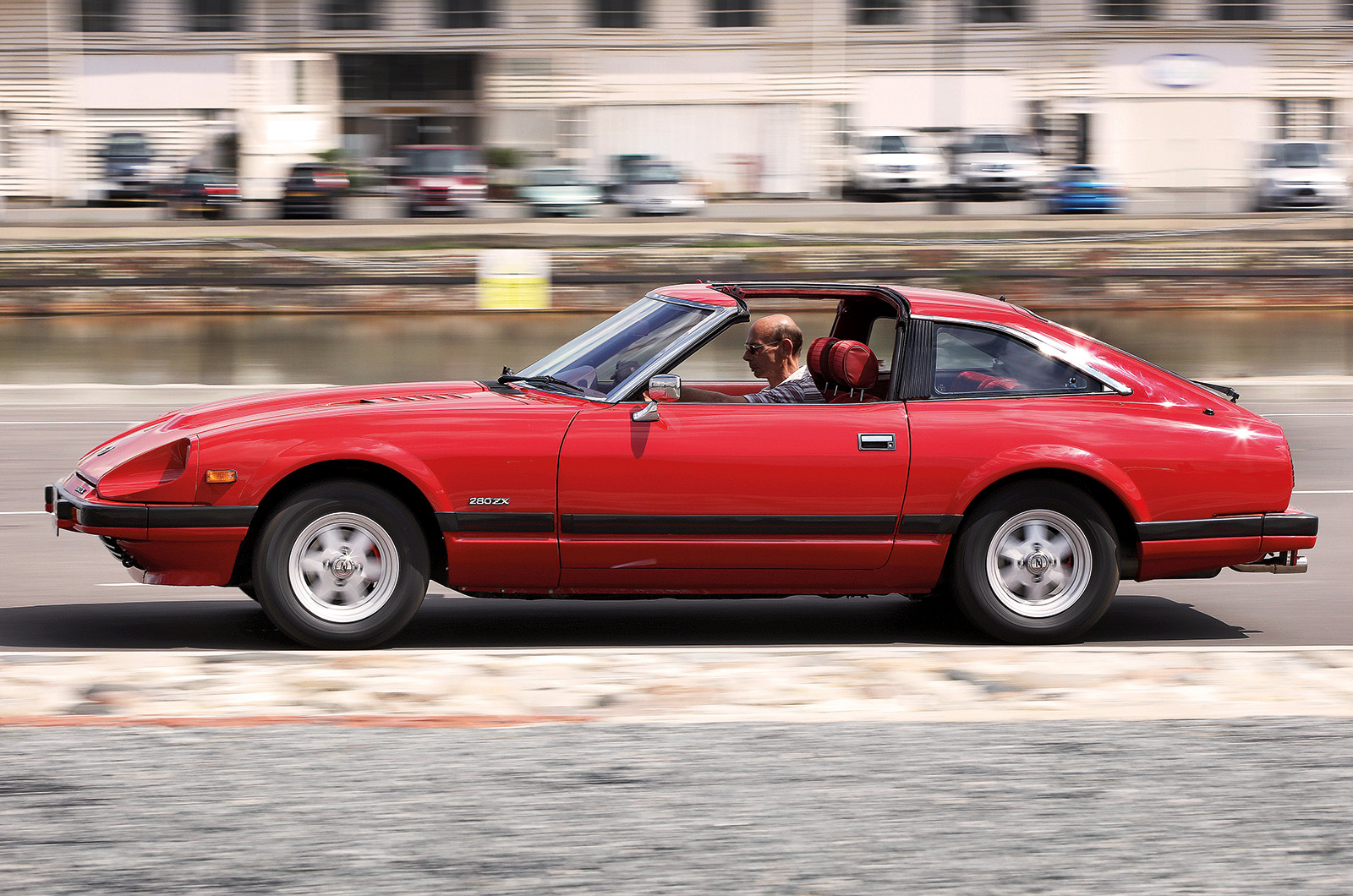
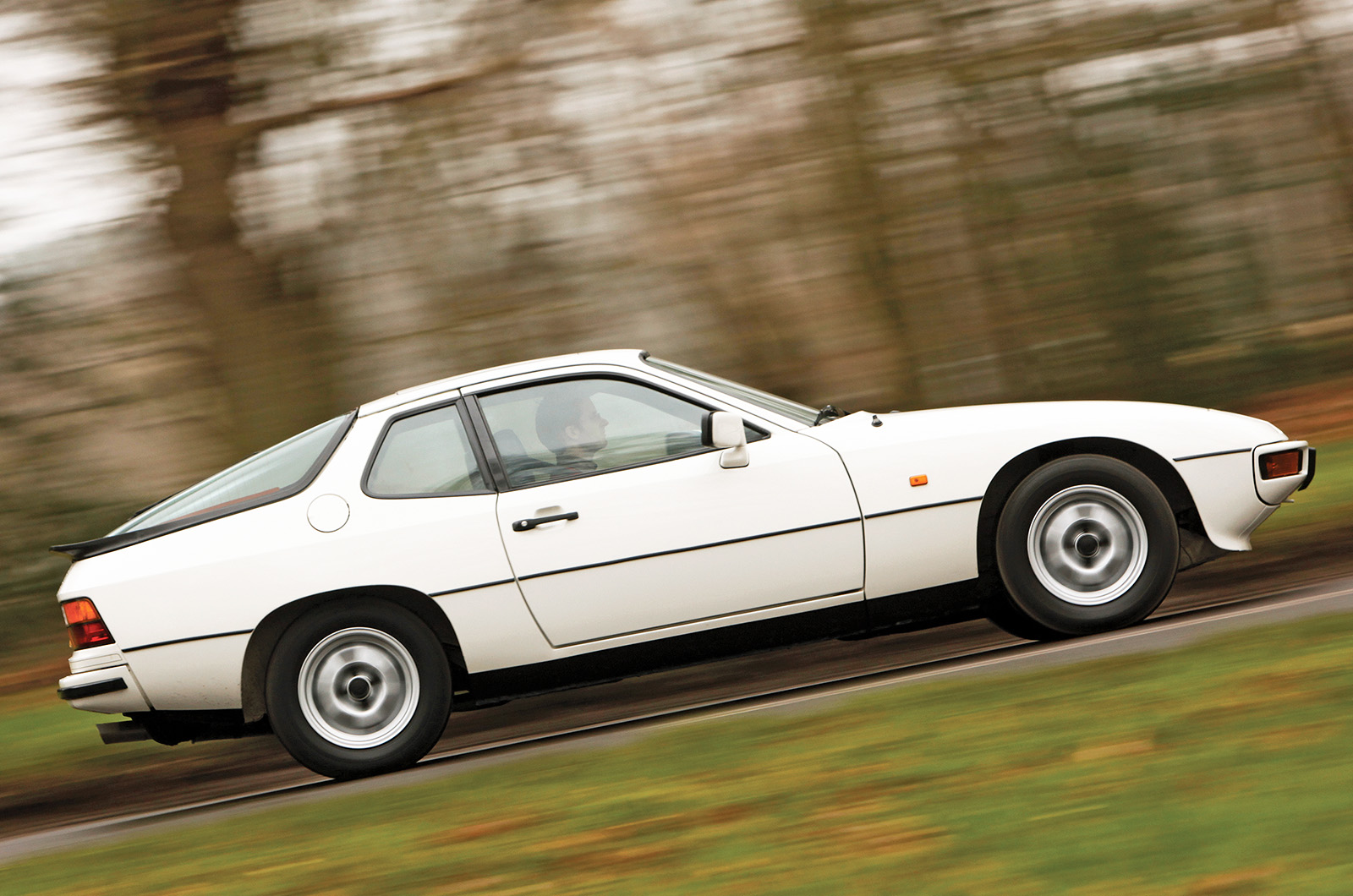
The Datsun 280ZX (left) and Porsche 924 are alternative buys

DATSUN 280ZX

Heavier and slower than its predecessors (and the RX-7), the Datsun 280ZX was the Mazda’s main rival in the USA and sold well. Injected ‘six’ is relaxed and durable; the bodywork less so.

Sold 1978-’83 • No. built 446,059 • Price now £5000-17,500*


PORSCHE 924

Slightly more expensive when new and cramped in the back, but quicker in standard form, the Porsche 924 couldn’t match the RX-7’s huge US sales. Corrosion is now its biggest enemy.

Sold 1976-’85 • No. built 122,304 • Price now £2-12,000 (turbo £15-30,000)*

*Prices correct at date of original publication


Mazda RX-7: the Classic & Sports Car verdict

Classic & Sports Car – Buyer’s guide: Mazda RX-7

Originality is now considered desirable, but many Mazda RX-7s have been modified: sourcing replacement parts to revert a car to standard can be extremely difficult, so evaluate before you buy.

If you can find one, a rot-free original or restored car is the ideal option, and the later FB version offers the best specification.

A good interior is a valuable plus; surprisingly, the rotary engine isn’t the biggest worry, but a well-rebuilt unit is obviously a bonus.


FOR 

  • Rare, distinctive, fun and practical to drive
  • Still easy and affordable to maintain, thanks to big numbers sold in the USA


AGAINST

  • Panels and most trim are now unobtainable, so restoration can be expensive
  • Many have been neglected or modified, and it’s hard to find a really good example

Mazda RX-7 specifications

  • Sold/number built 1978-’85/474,565
  • Construction steel monocoque
  • Engine alloy/iron 1146cc twin-rotor Wankel; two-stage, four-barrel carburettor
  • Max power 105bhp @ 6000rpm-163bhp @ 6500rpm
  • Max torque 106lb ft @ 4000rpm-166lb ft @ 4000rpm
  • Transmission five-speed manual (optional four-speed manual/auto in USA), RWD (via LSD in some markets)
  • Suspension: front independent, by MacPherson struts rear live axle, upper and lower trailing arms, Watt linkage, coil springs, telescopic dampers; anti-roll bar f/r
  • Steering variable-ratio recirculating ball
  • Brakes vented discs front, finned drums rear (FB rear discs), with servo
  • Length 14ft 1-2in (4293-4318mm)
  • Width 5ft 6in (1676mm)
  • Height 4ft 2in (1270mm)
  • Wheelbase 7ft 11in (2413mm)
  • Weight 2202-2240lb (1001-1018kg)
  • 0-60mph 9.5-7.4 secs
  • Top speed 120-143mph
  • Mpg 18-26
  • Price new £9199 (1983)

READ MORE

All Classic & Sports Car buyer’s guides

Mazda FC RX-7 Cabriolet vs Porsche 944 S2 Cabriolet: blue-sky thinking

Datsun 240Z, 260Z and 280ZX: Japan’s finest sports cars