Bob never got his The Avengers-spec Lotus; the last he heard of it from a retiring colleague was that it was sitting in a storage shed in Japan underneath a thick layer of dust.
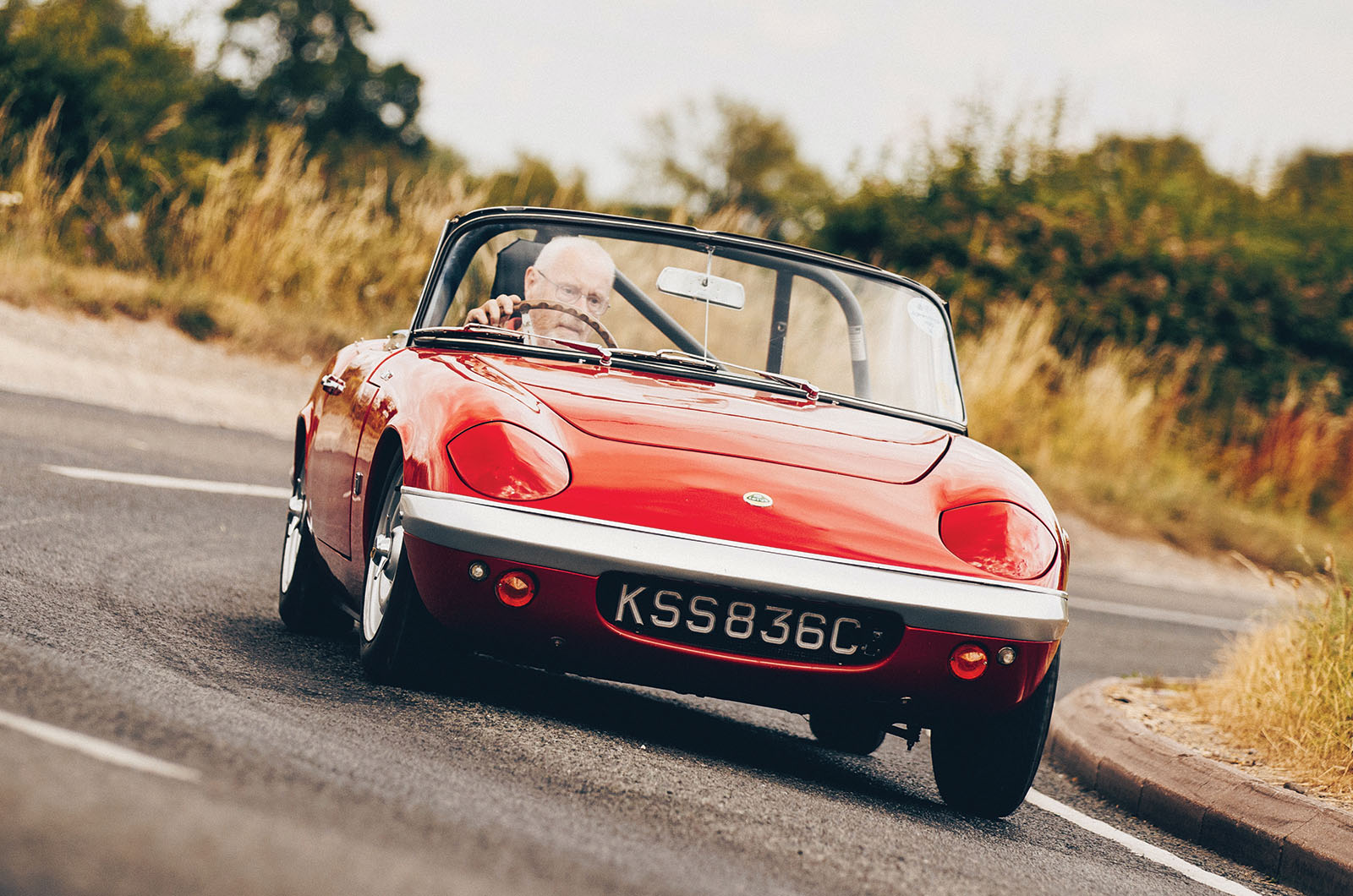
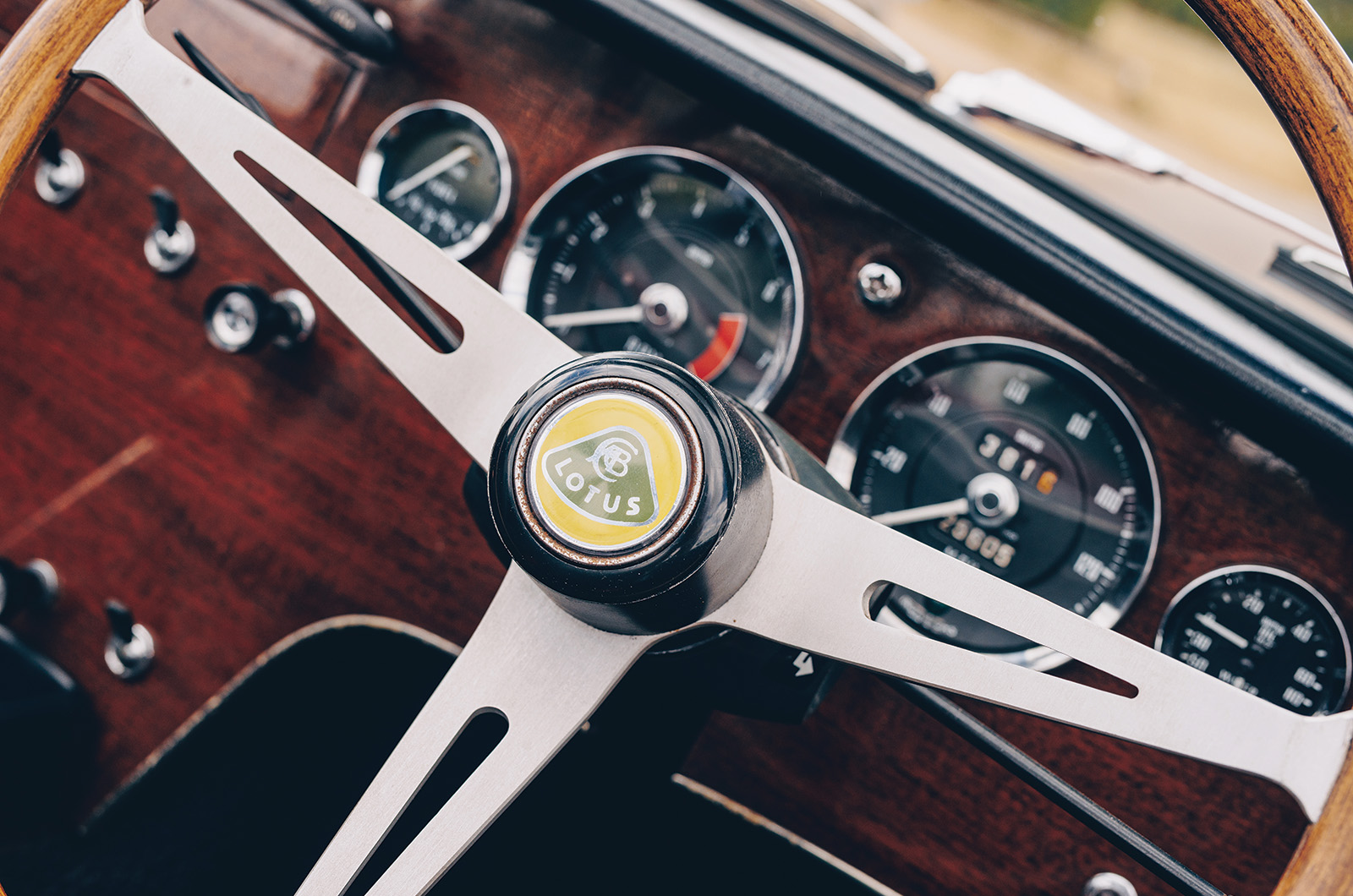
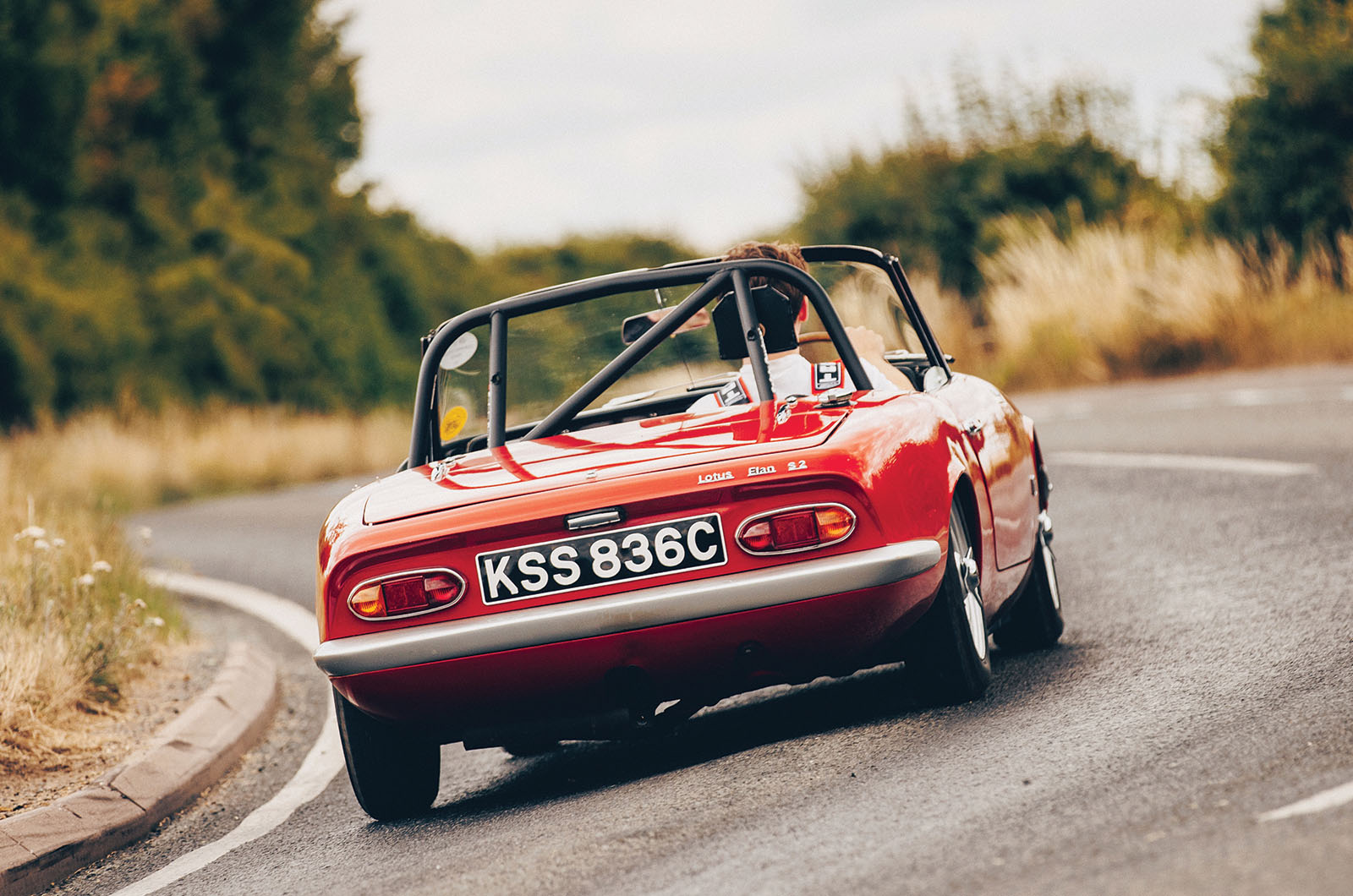
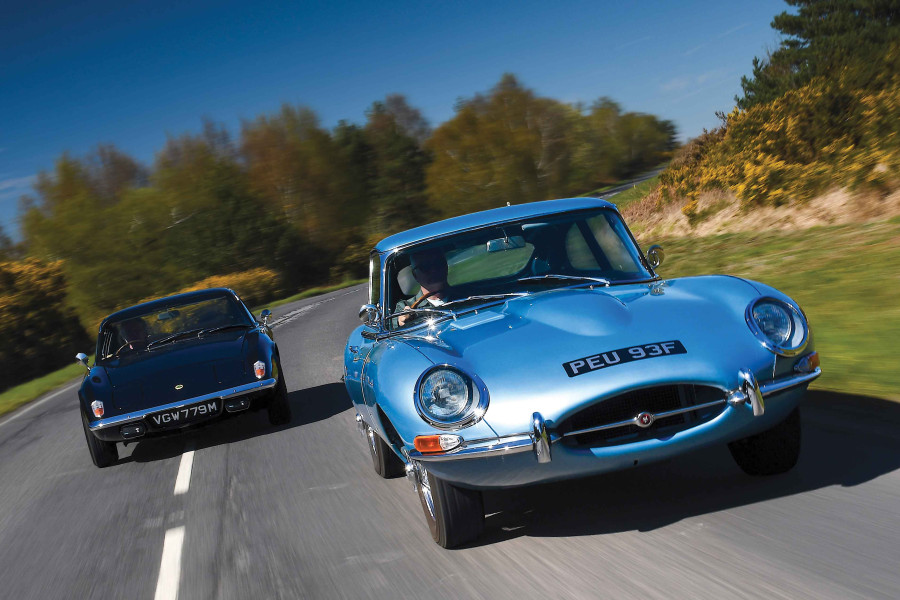
The Lotus Elan is remarkably free from scuttle shake
Eventually Mazda decided against a backbone chassis, too.
The problem was crash protection: giving the car enough side-impact resilience required such strong body panels that the shell saved little weight over a monocoque; once the backbone chassis was added to the scales, the car would weigh more than an RX-7.
“Hirai was dead serious about weight, that’s one thing that he was really brilliant with,” says Bob.
The production car’s Power Plant Frame, a bracing structure that tied the end of the gearbox to the rear axle to eliminate tramp, was directly inspired by the Elan, however.
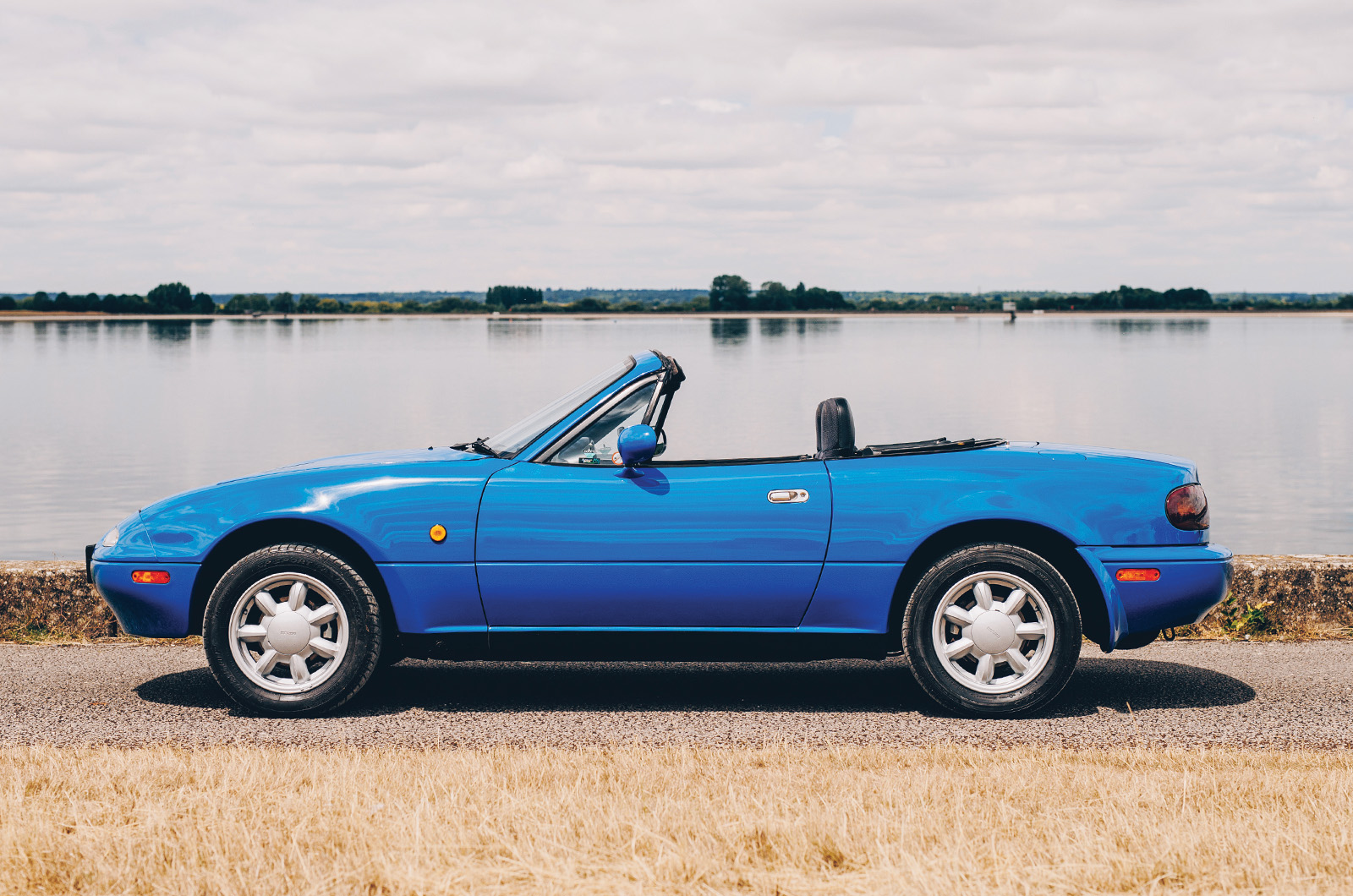
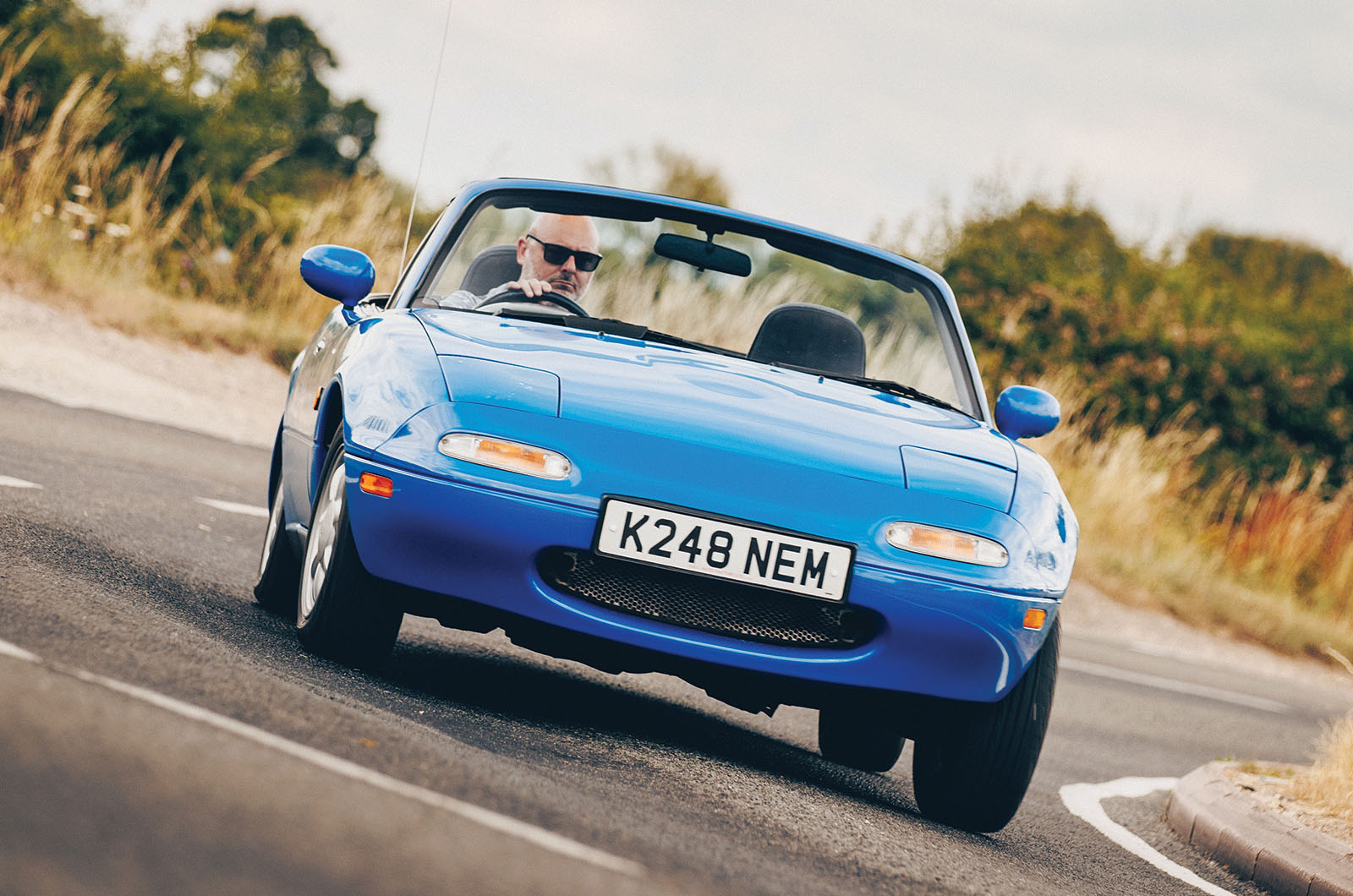
The Mazda MX-5 NA is a classic car in the making
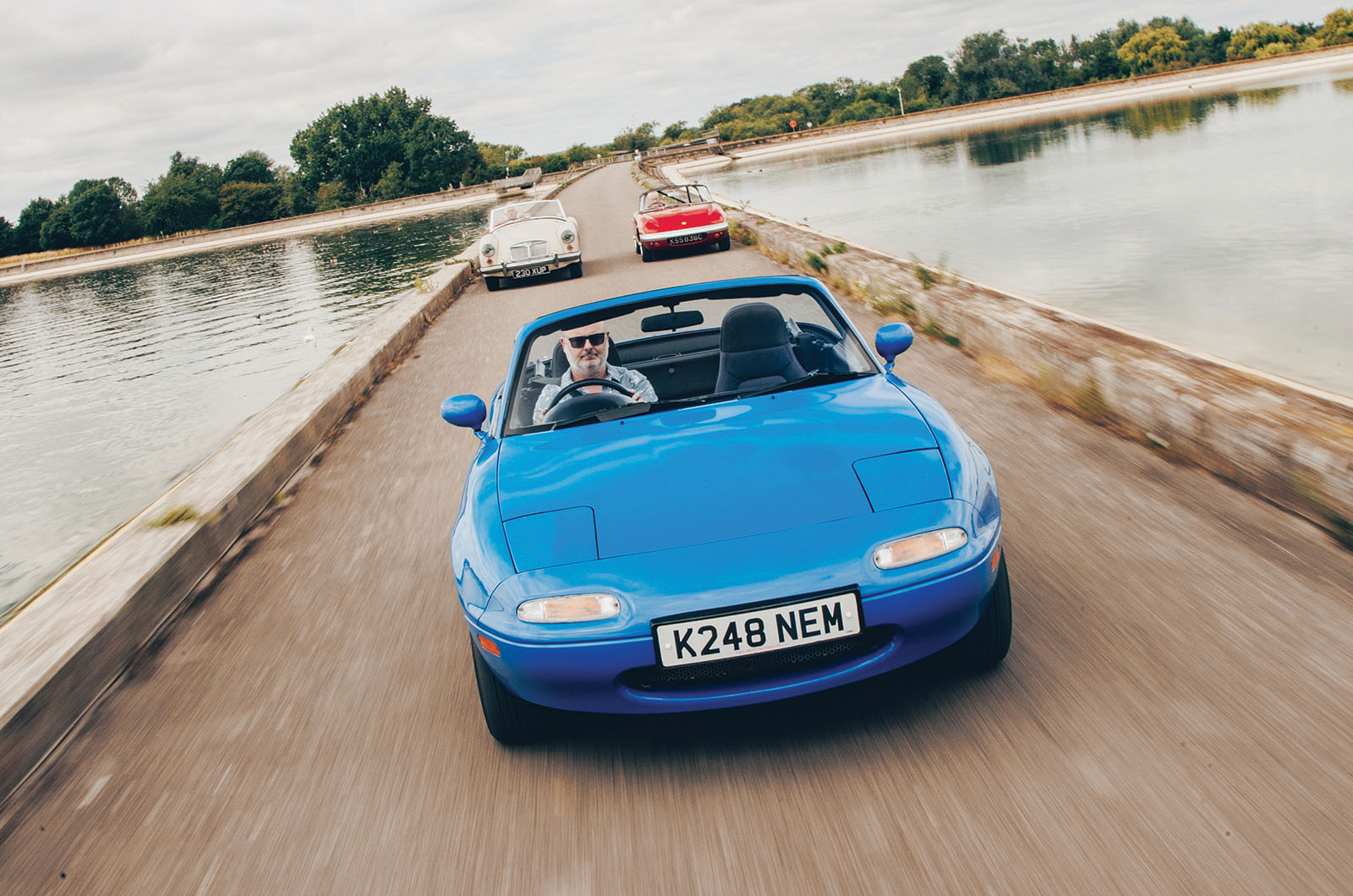
There is clear evidence of the Elan’s DNA in Will Williams’ 1992 Mk1 MX-5.
Its lightness is obvious in everything it does well: its cornering agility, supple ride and peppy throttle response.
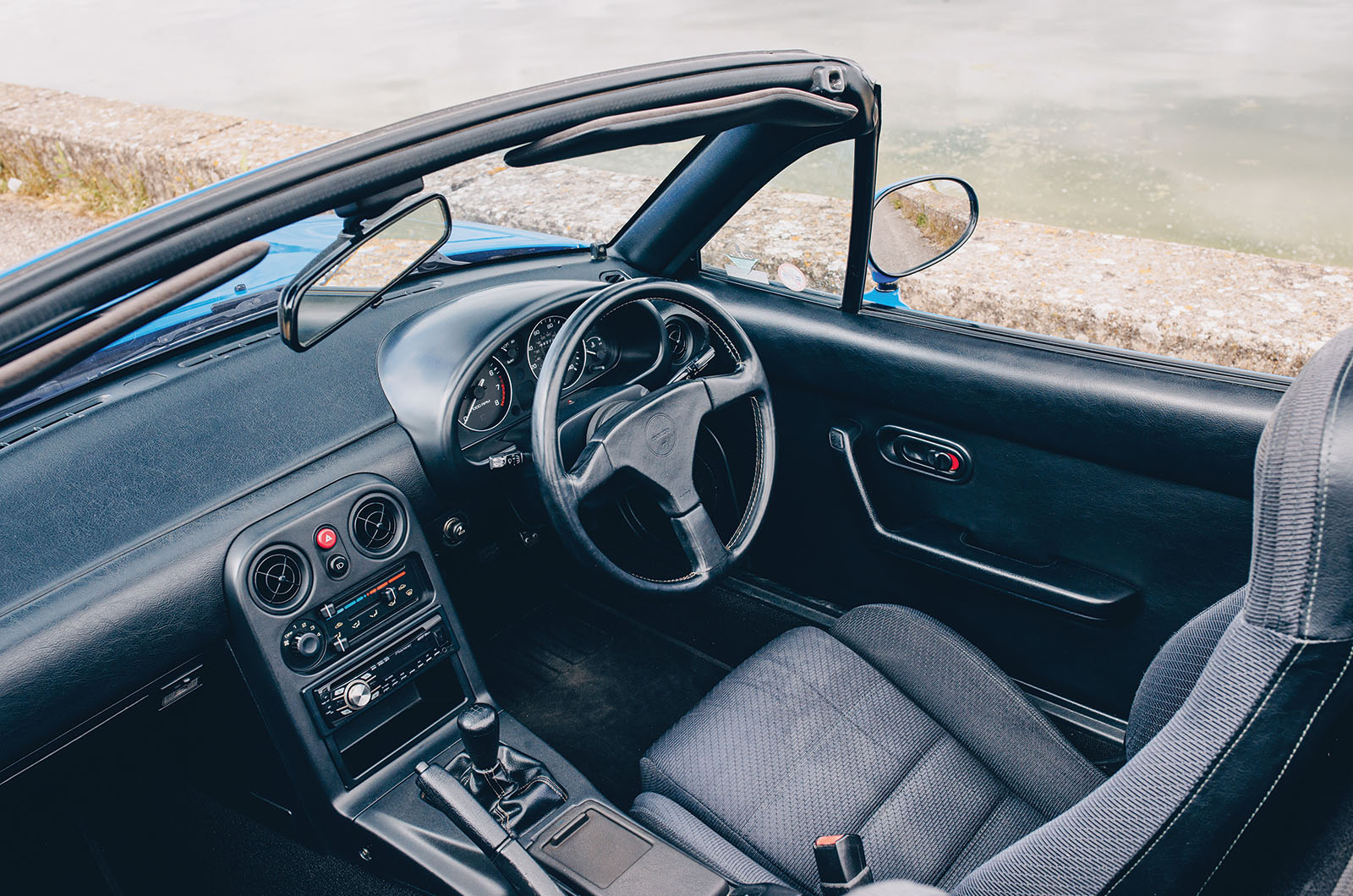
It shares the Lotus’ ergonomic rightness, too: every control, be it the pedals, steering wheel or gearshift, is perfectly honed.
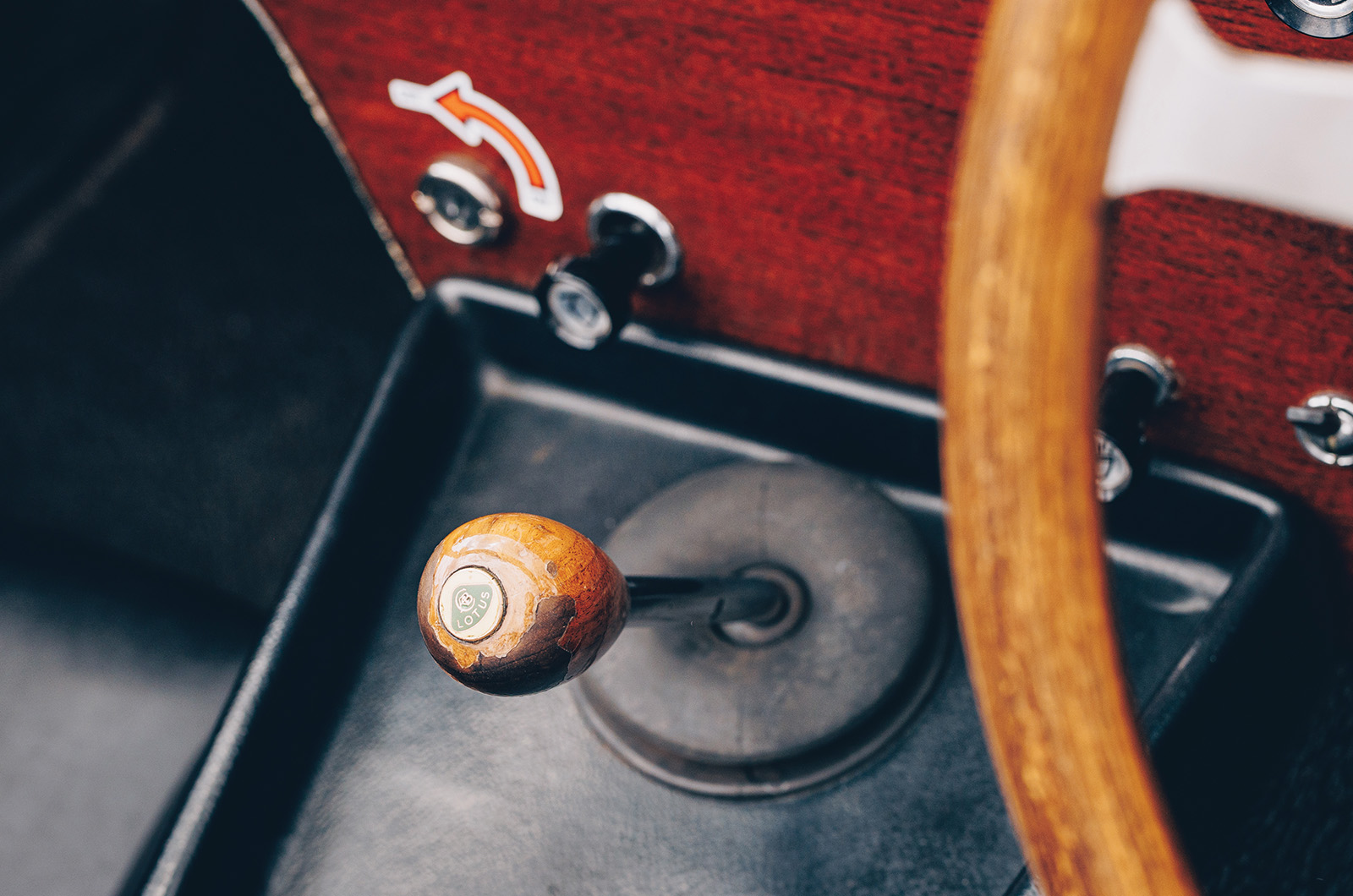
Mazda even added a metal end-stop to the gearchange to give it the satisfying mechanical feel of an old British roadster.
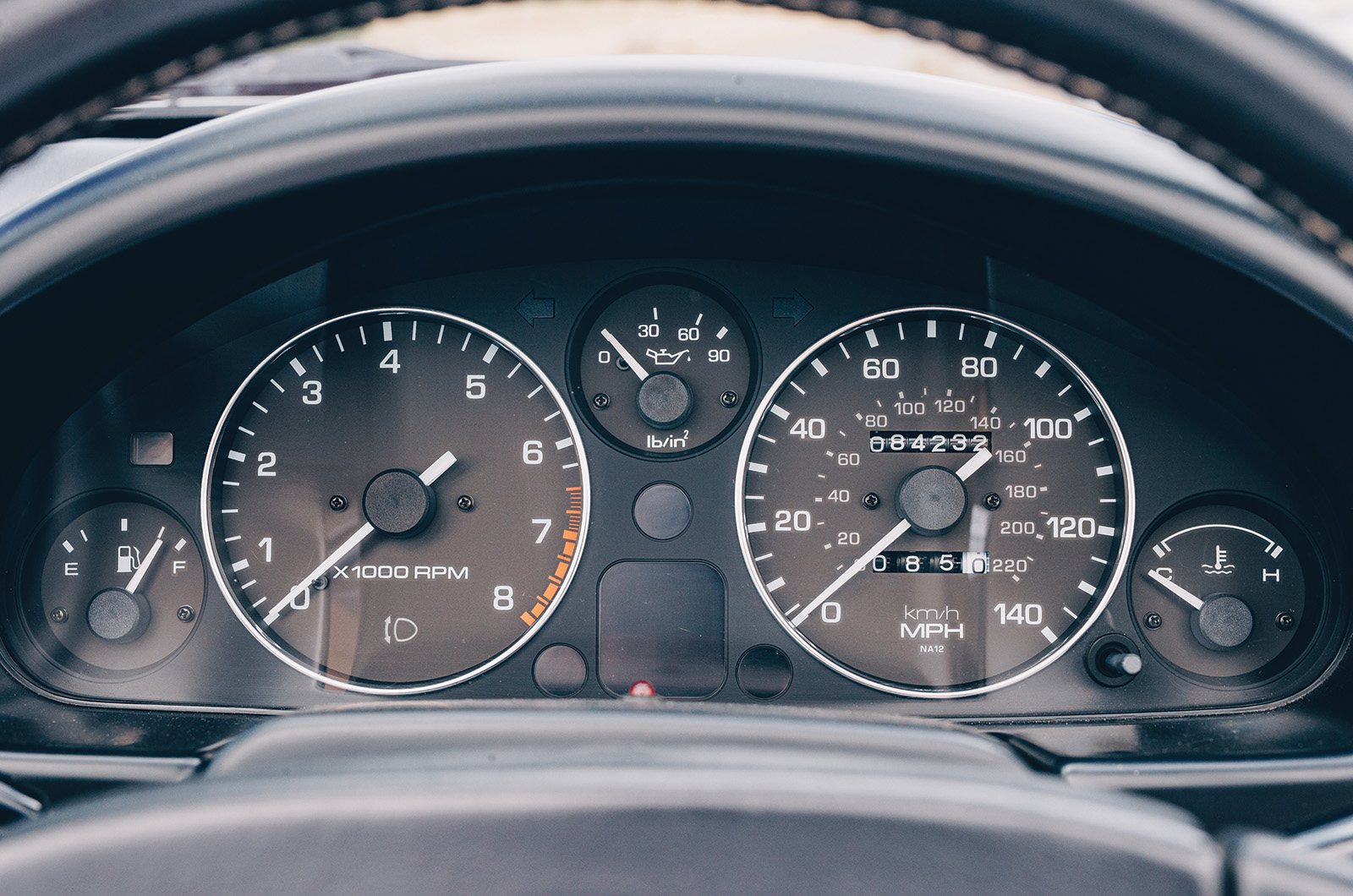
The Mazda MX-5’s cabin is a Japanese take on sporting simplicity
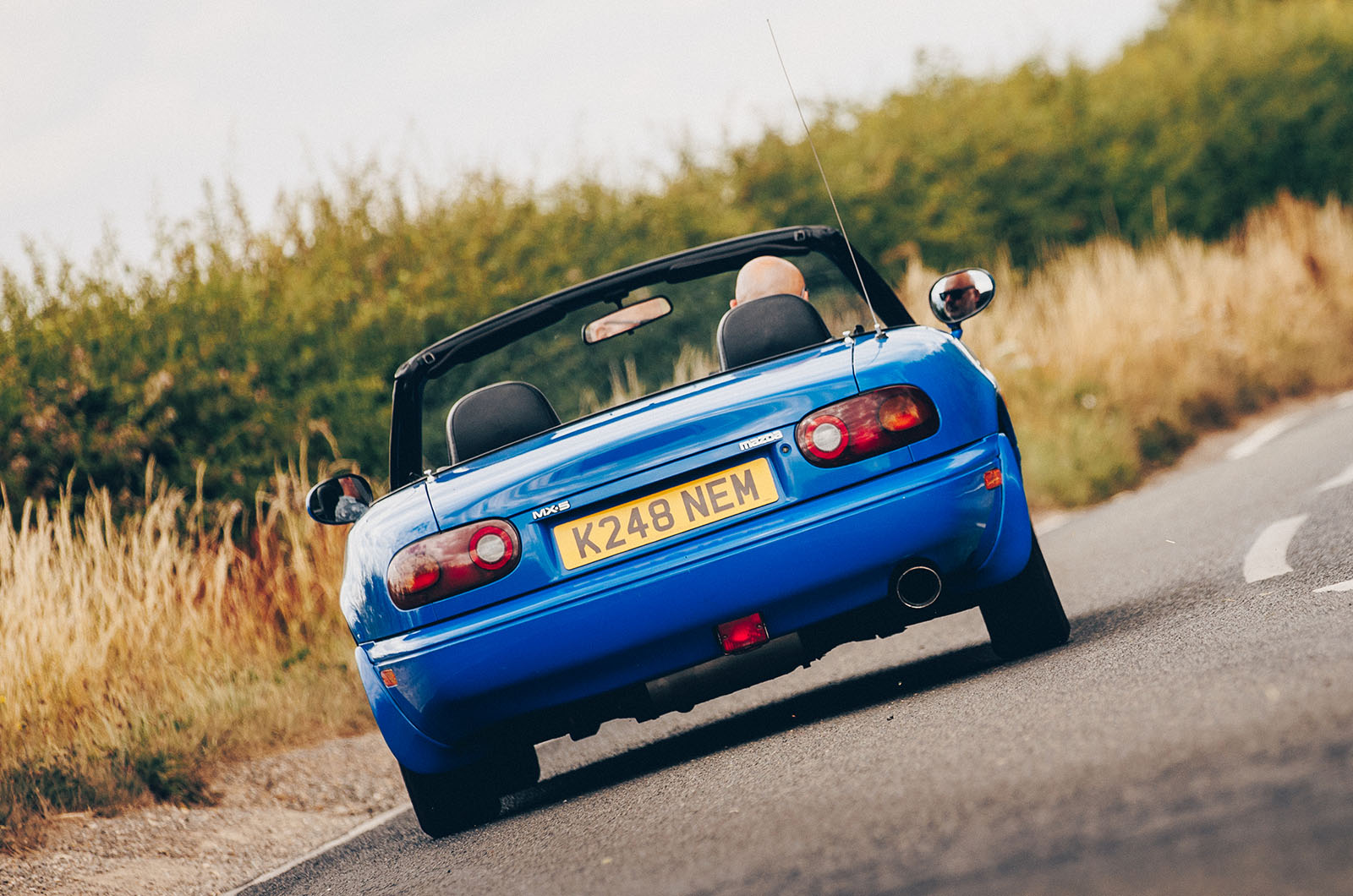
The relative lack of rigidity in comparison with the Lotus is noticeable, though.
On smooth Japanese or Continental Tarmac you’d barely notice, but Britain’s poorly surfaced roads shake the dashboard and windscreen pillars from side to side.
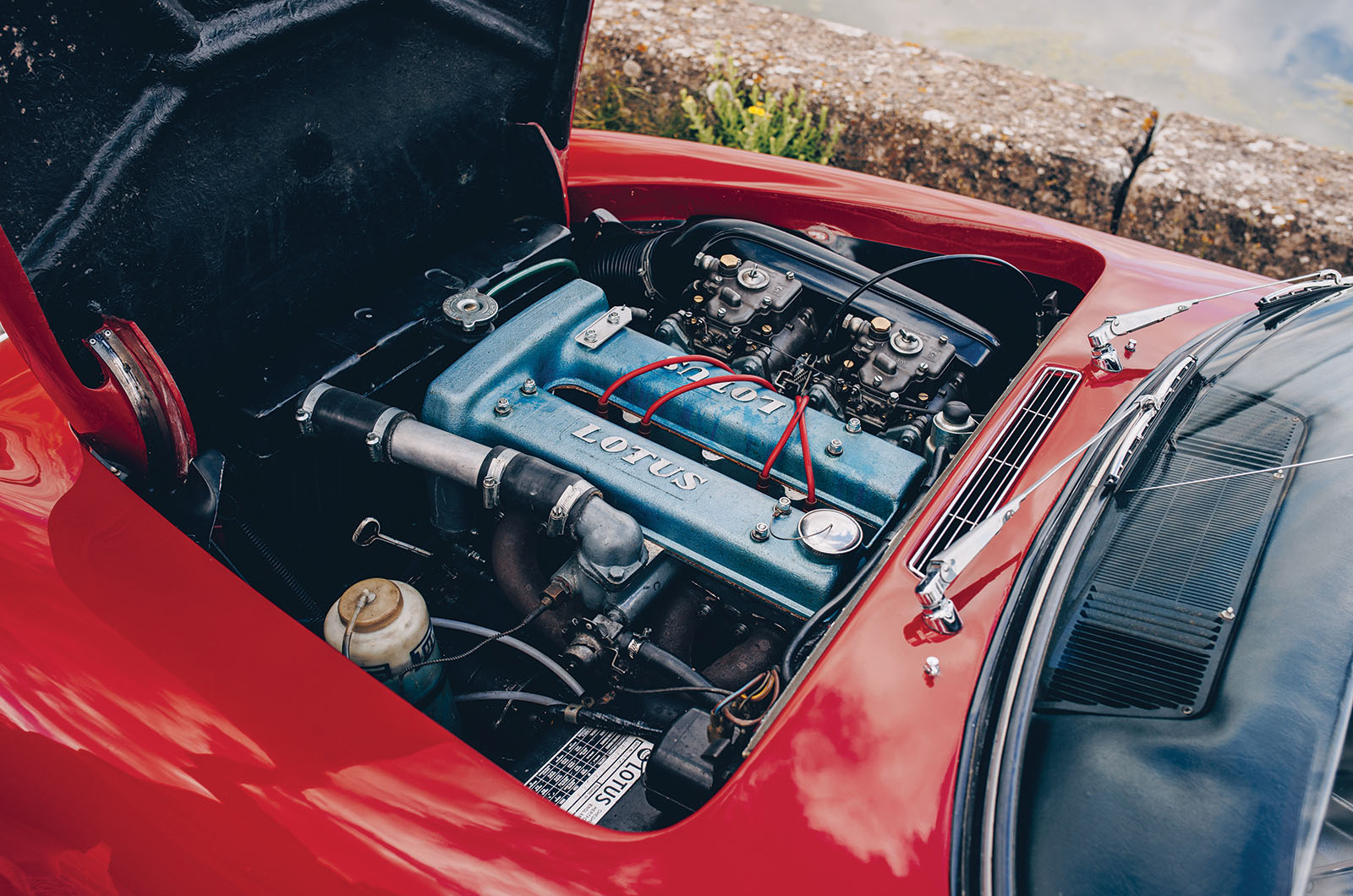
While Bob happily admits to such significant stimulus from the Elan, however, he refutes the idea that either the Mazda’s twin-cam engine (beyond its sound) or even the design of the body was inspired by the seminal Lotus.
He says of the Mazda B-series engine: “Before the Miata was even an idea, the Japanese were already twin-cam and four-valve nutcases.”
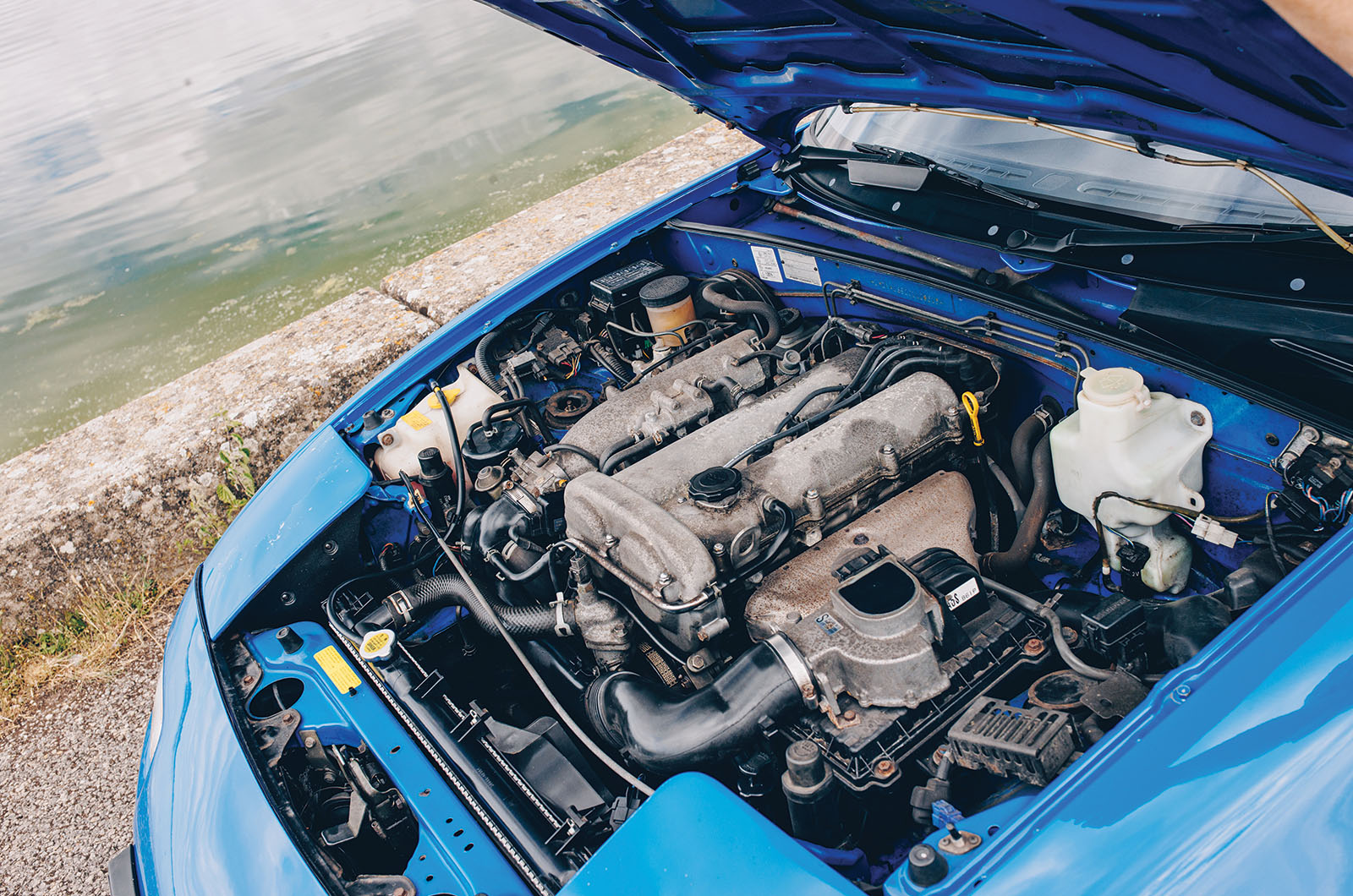
The Mazda MX-5’s 1.6-litre, fuel-injected, twin-cam ‘four’ makes 114bhp
He also argues that the visual similarity to the Lotus was a case of convergence rather than imitation.
“I can tell you it wasn’t intentional,” he insists. “Now people might not believe that, but you have to remember that a lot of the guys who did the day-to-day work on the car – the engineers and such – had never seen an Elan.
“It wouldn’t surprise me if half of the engineers didn’t drive to work but took the train.”
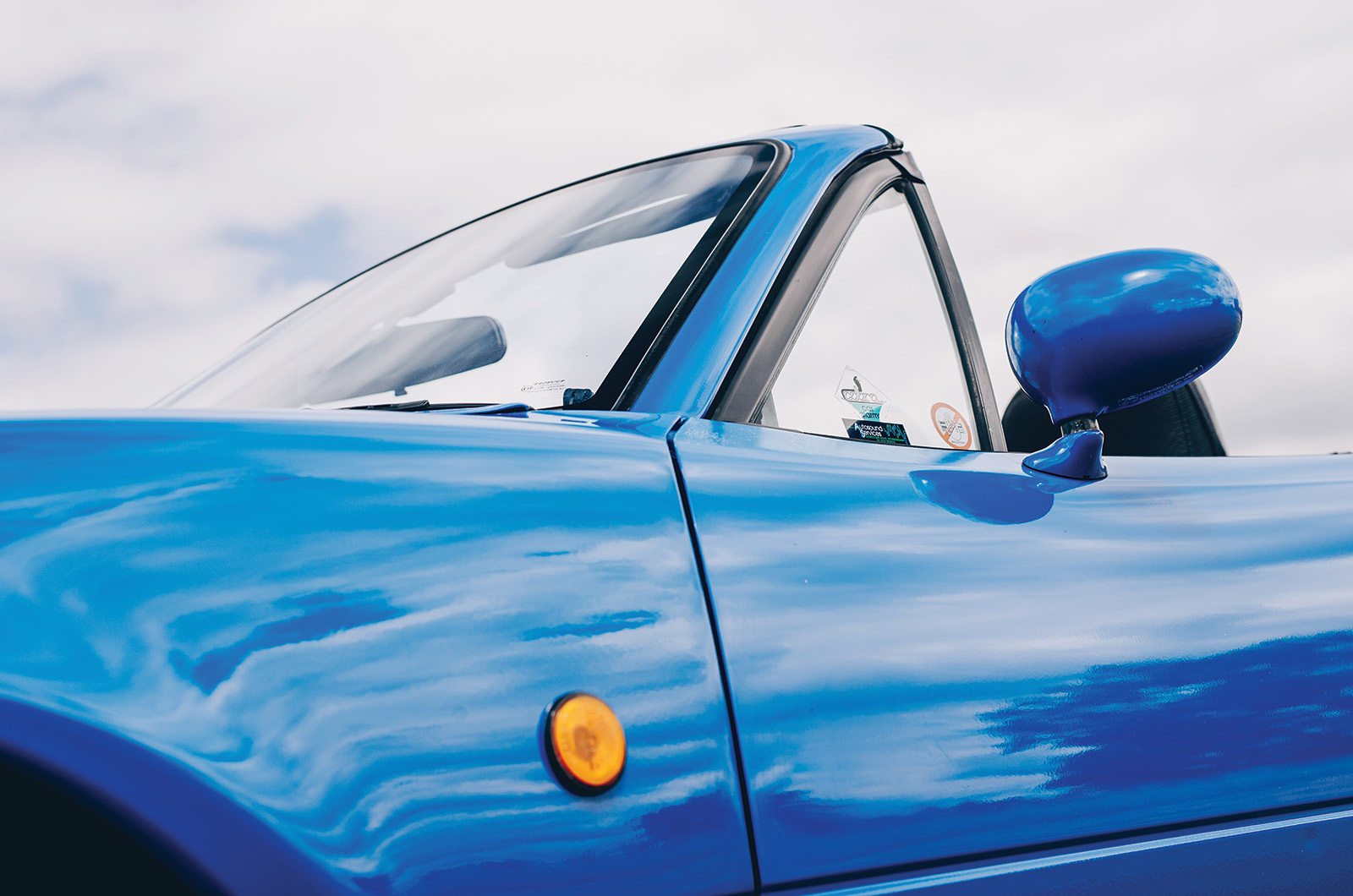
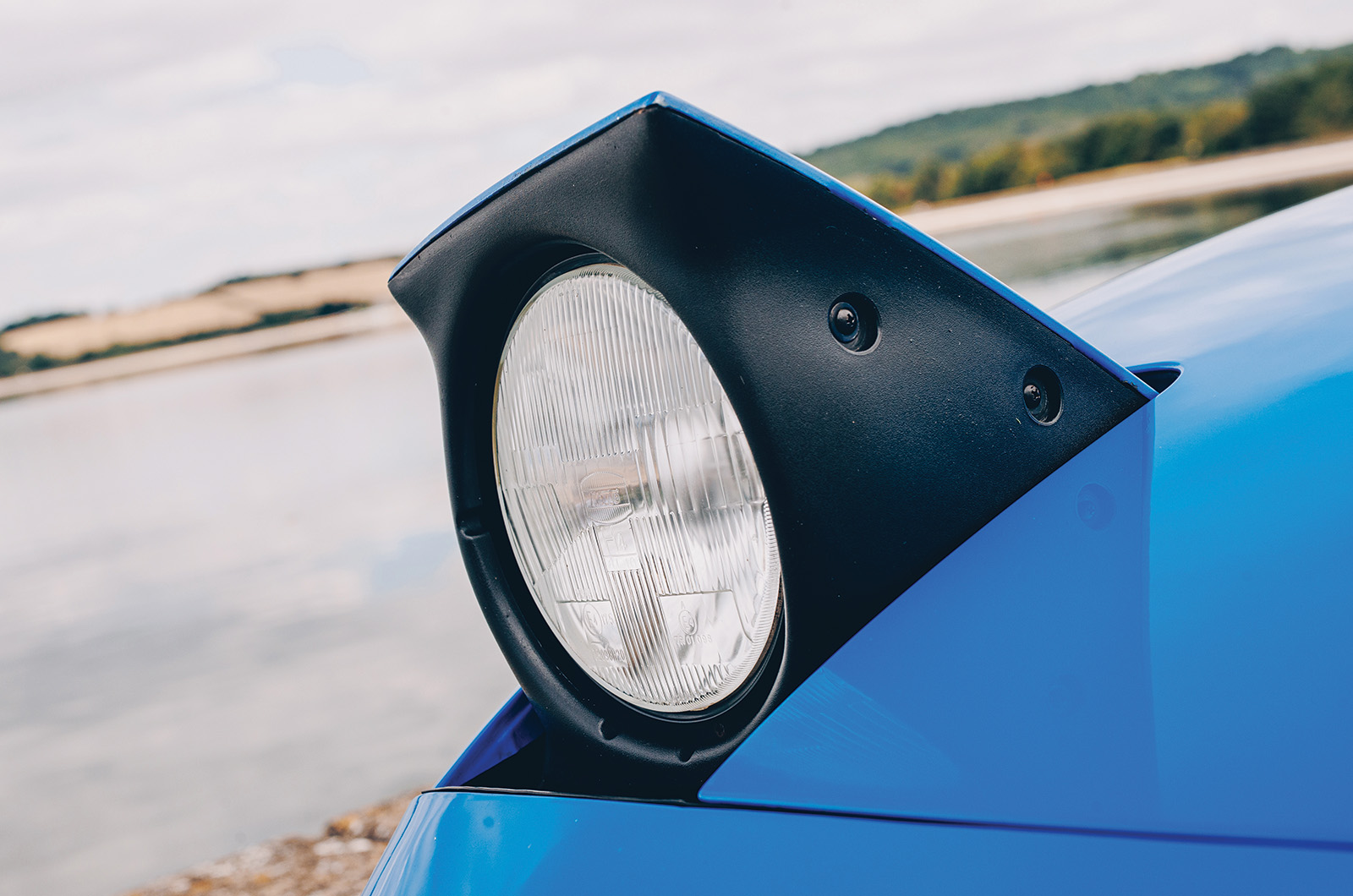
Californian headlight-height regulations necessitated the MX-5’s pop-up headlamps, for example, while the Elan-like grille was not present on early designs.
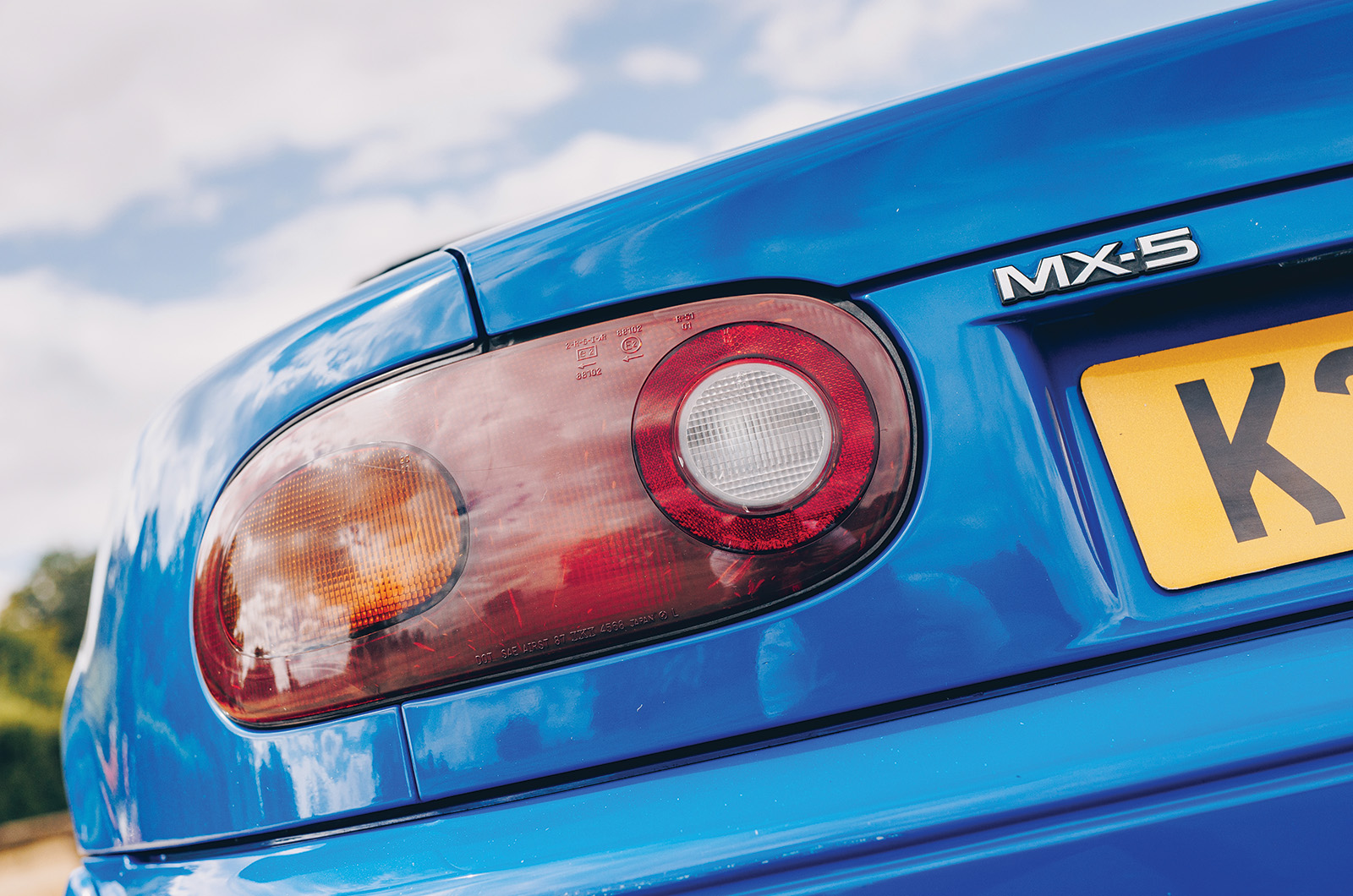
The Mazda MX-5 NA’s pop-up lights were forced by Californian safety regulations
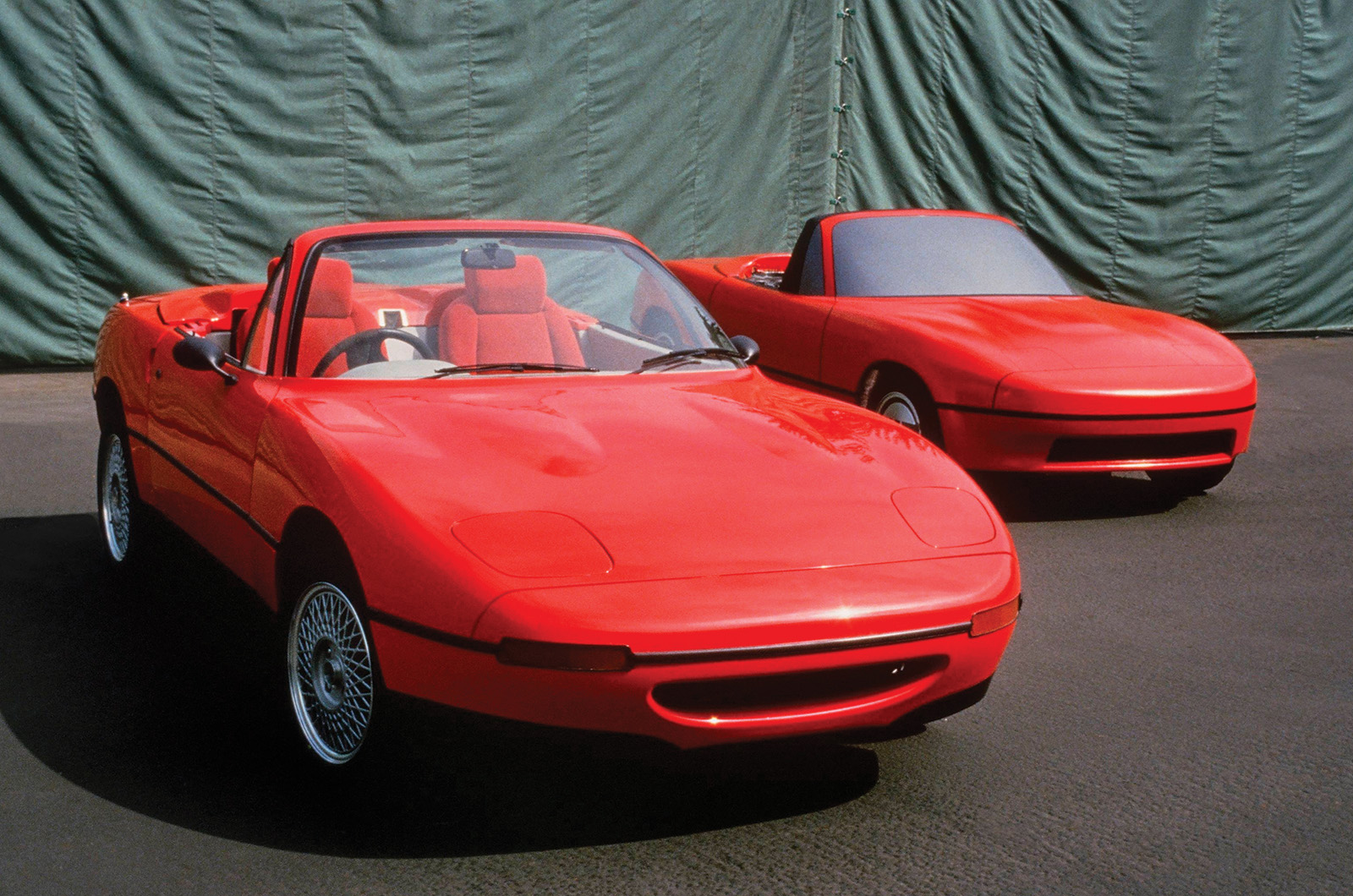
“When you saw some of Mark Jordan’s sketches, they were very Ferrari-like, make no bones about it,” says Bob.
“He really liked the 250GTO character in the front, and we were playing with that.”
Frontal-impact regulations forced the grille down from the nose to under the bumper: “That’s where the Miata picked up some of the Elan-ness; maybe it was because it was a great solution to the same equation. Maybe that was it.”
Bob argues, therefore, that the one way in which everyone thinks the Lotus Elan influenced the MX-5 is in fact the one way it didn’t.
The winning Mazda Miata proposal (left) and one of the unsuccessful designs
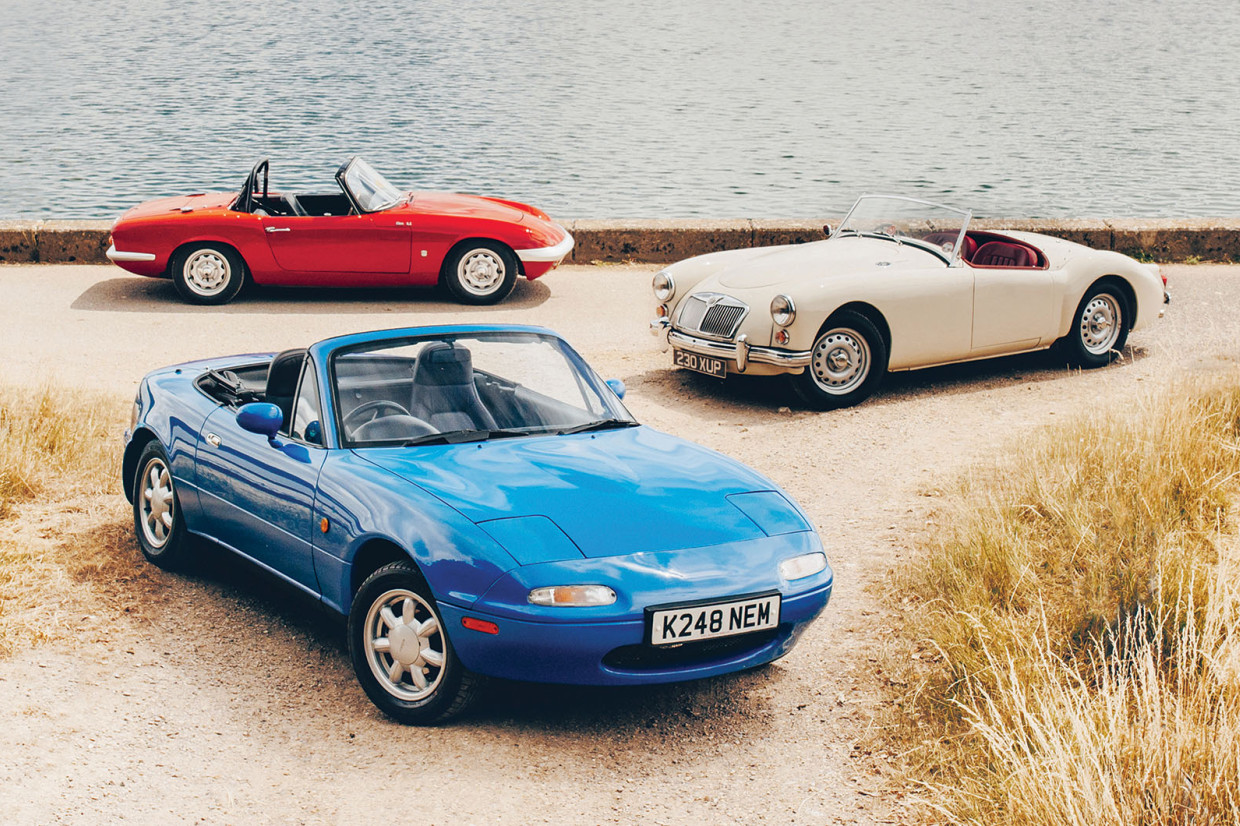
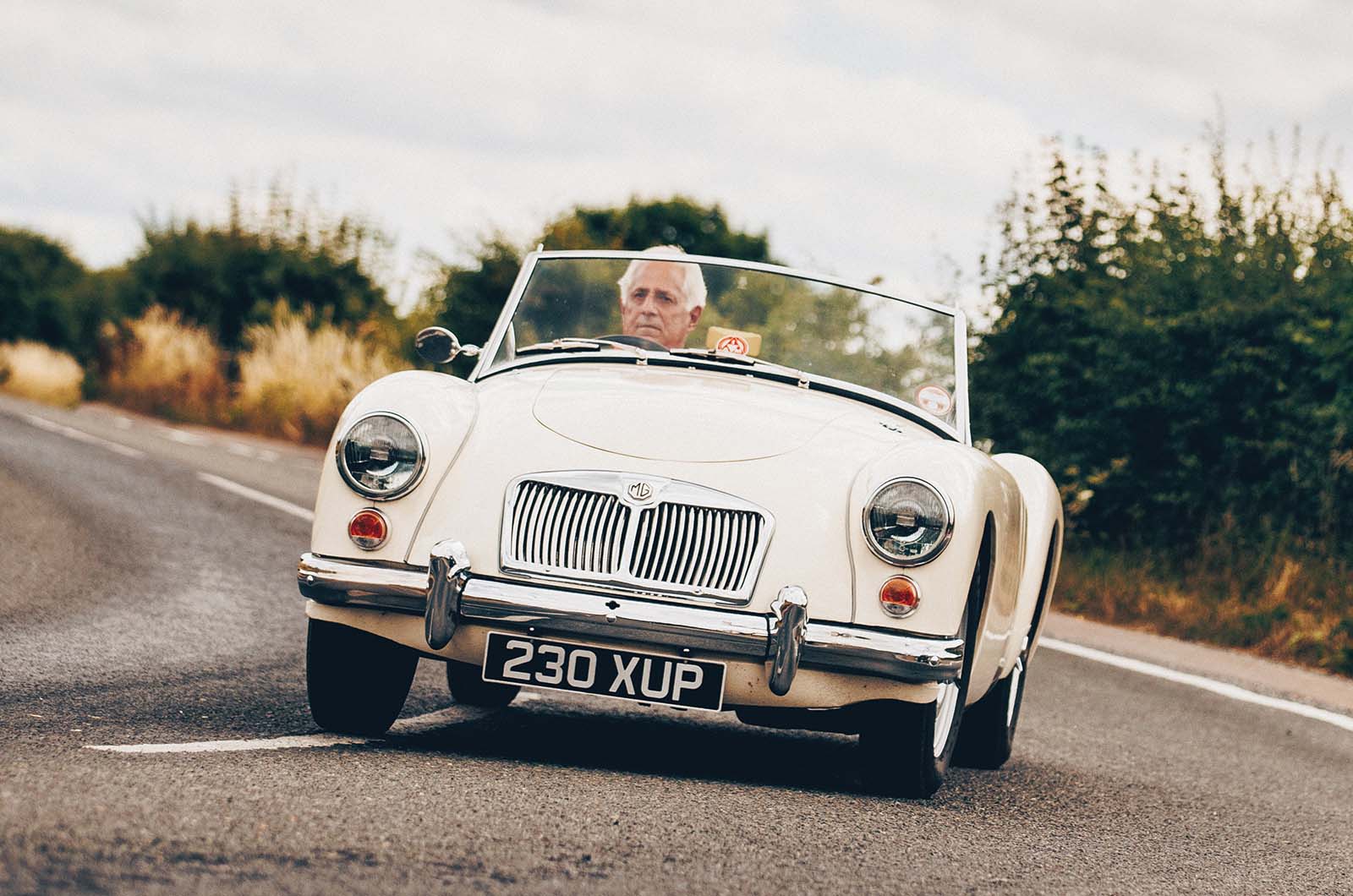
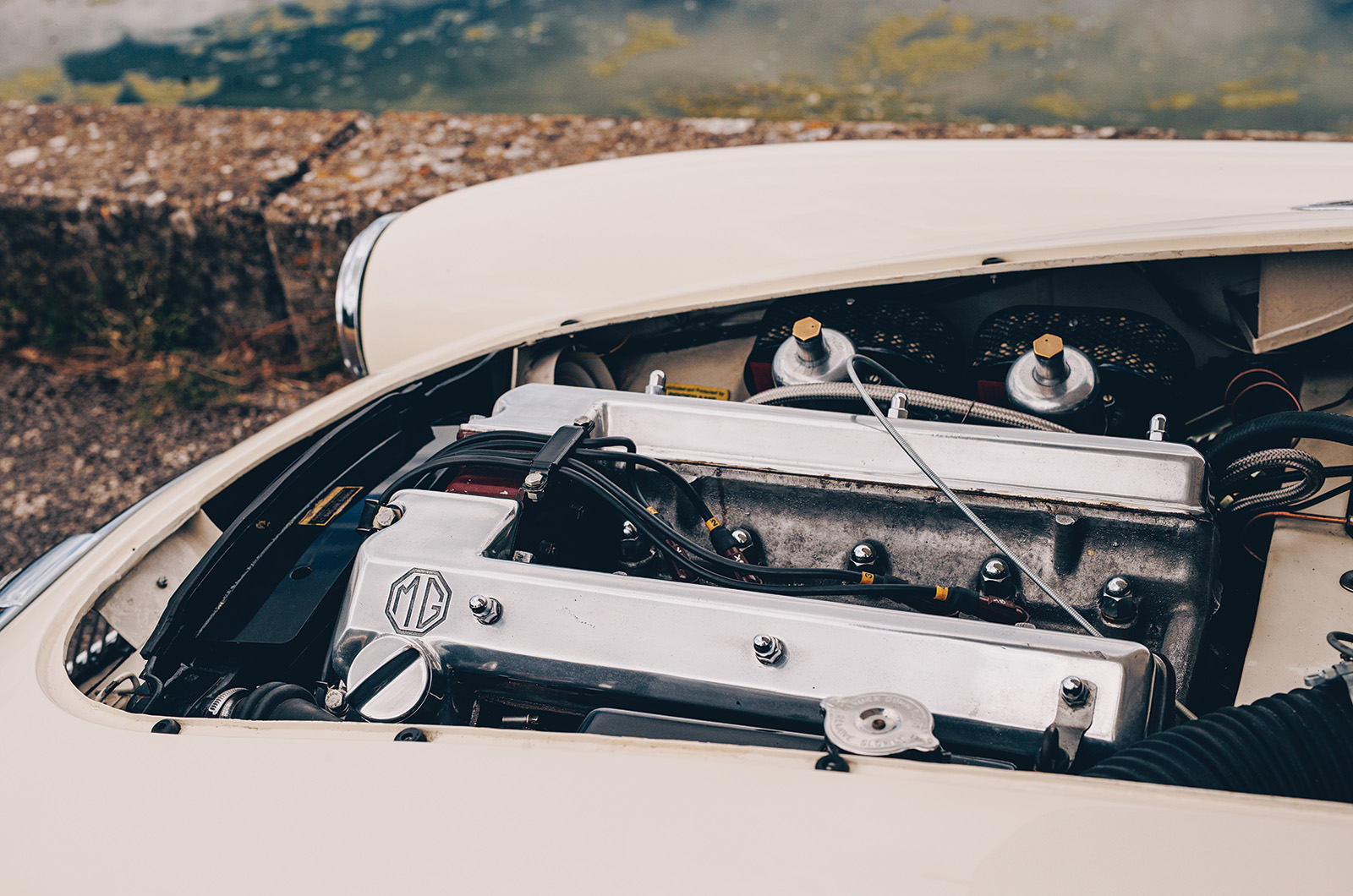
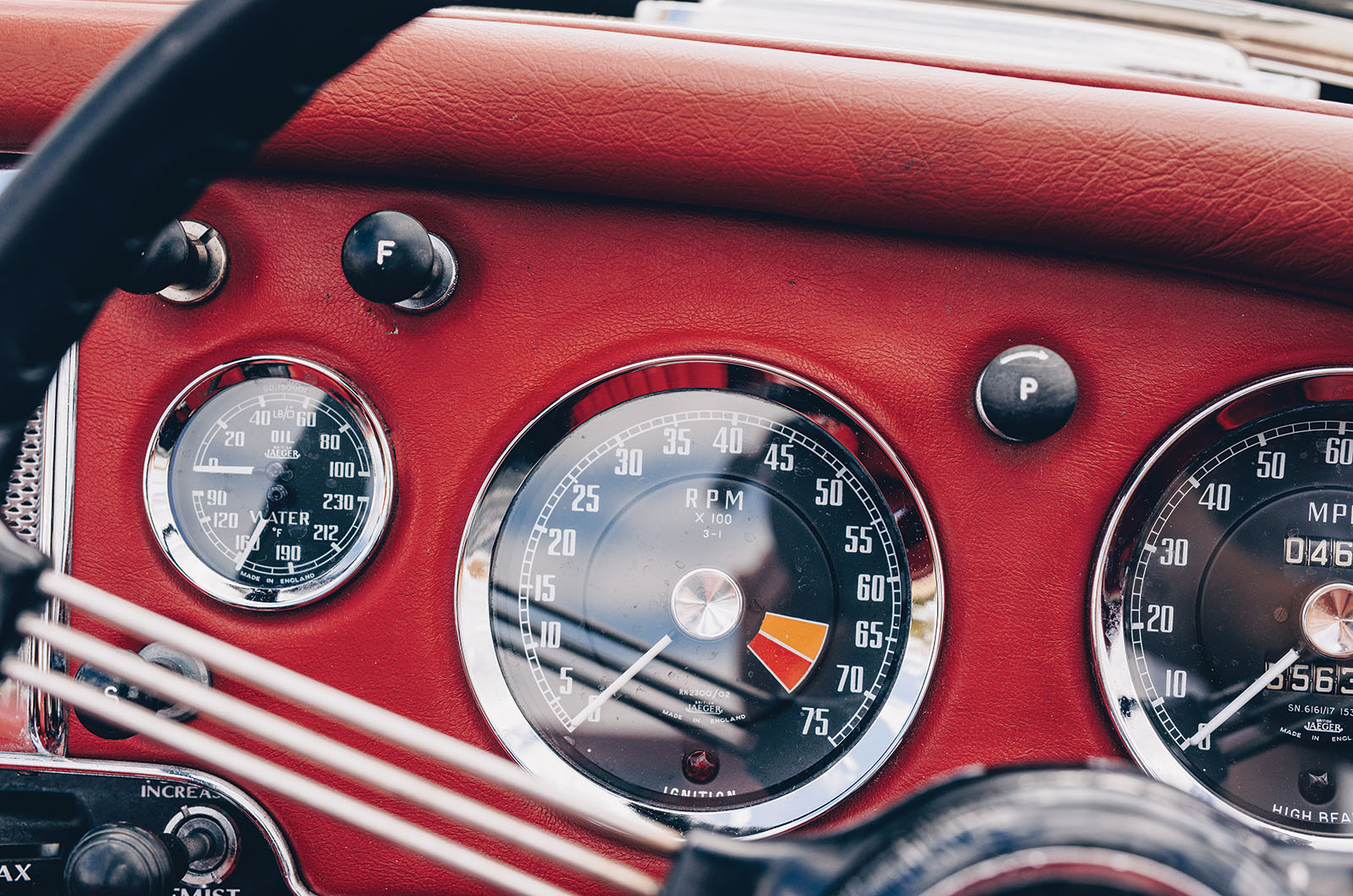
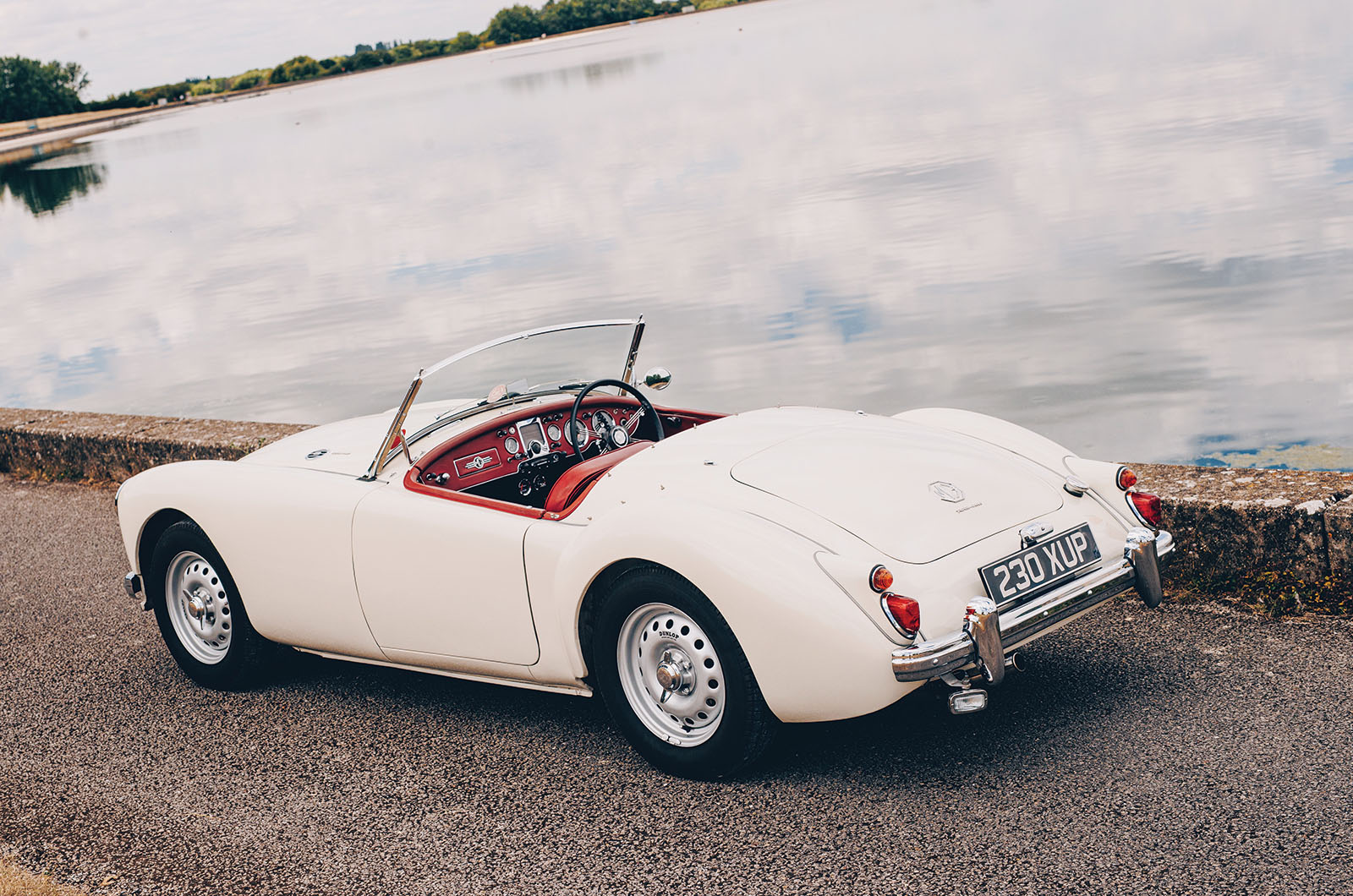
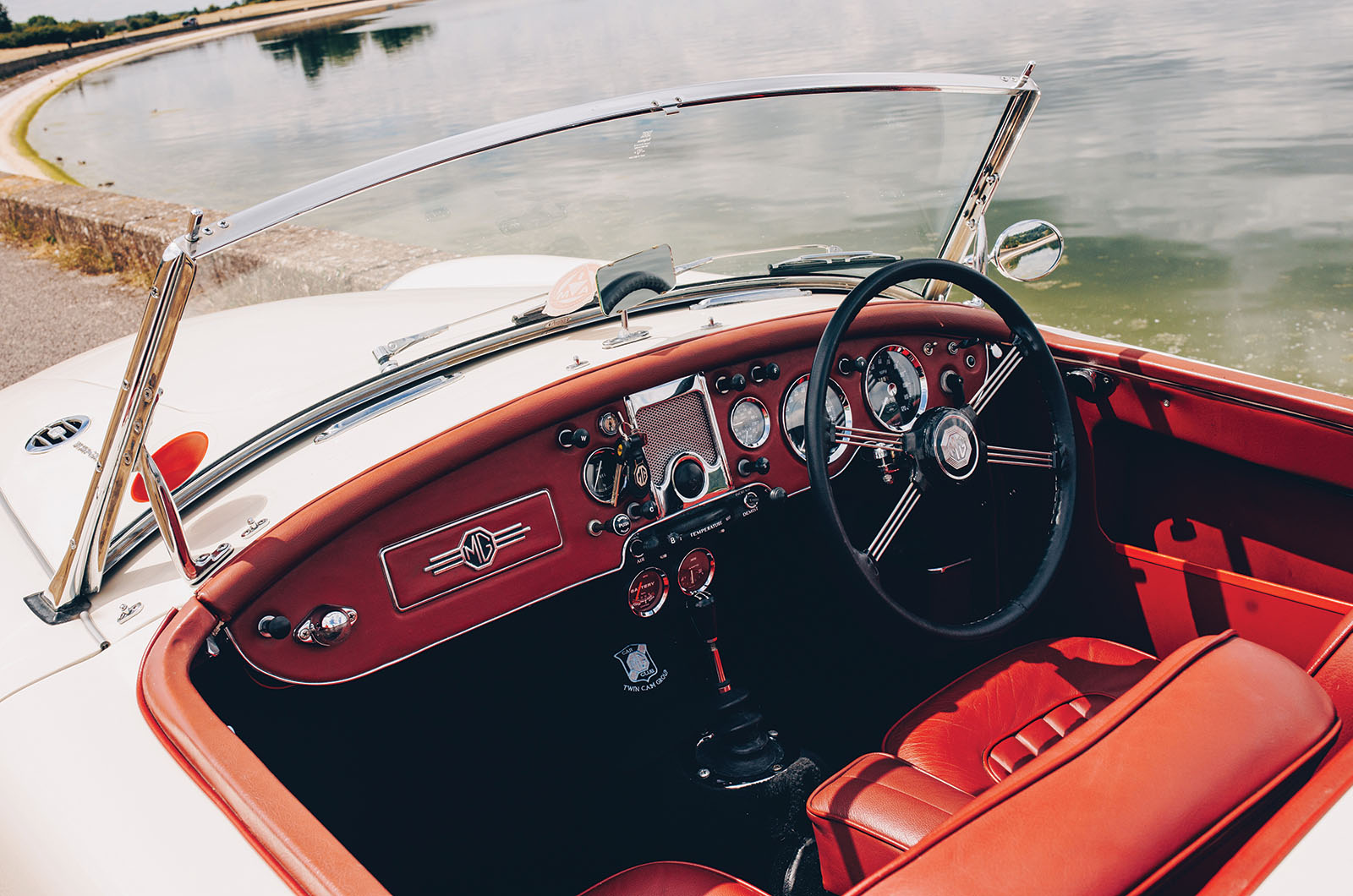
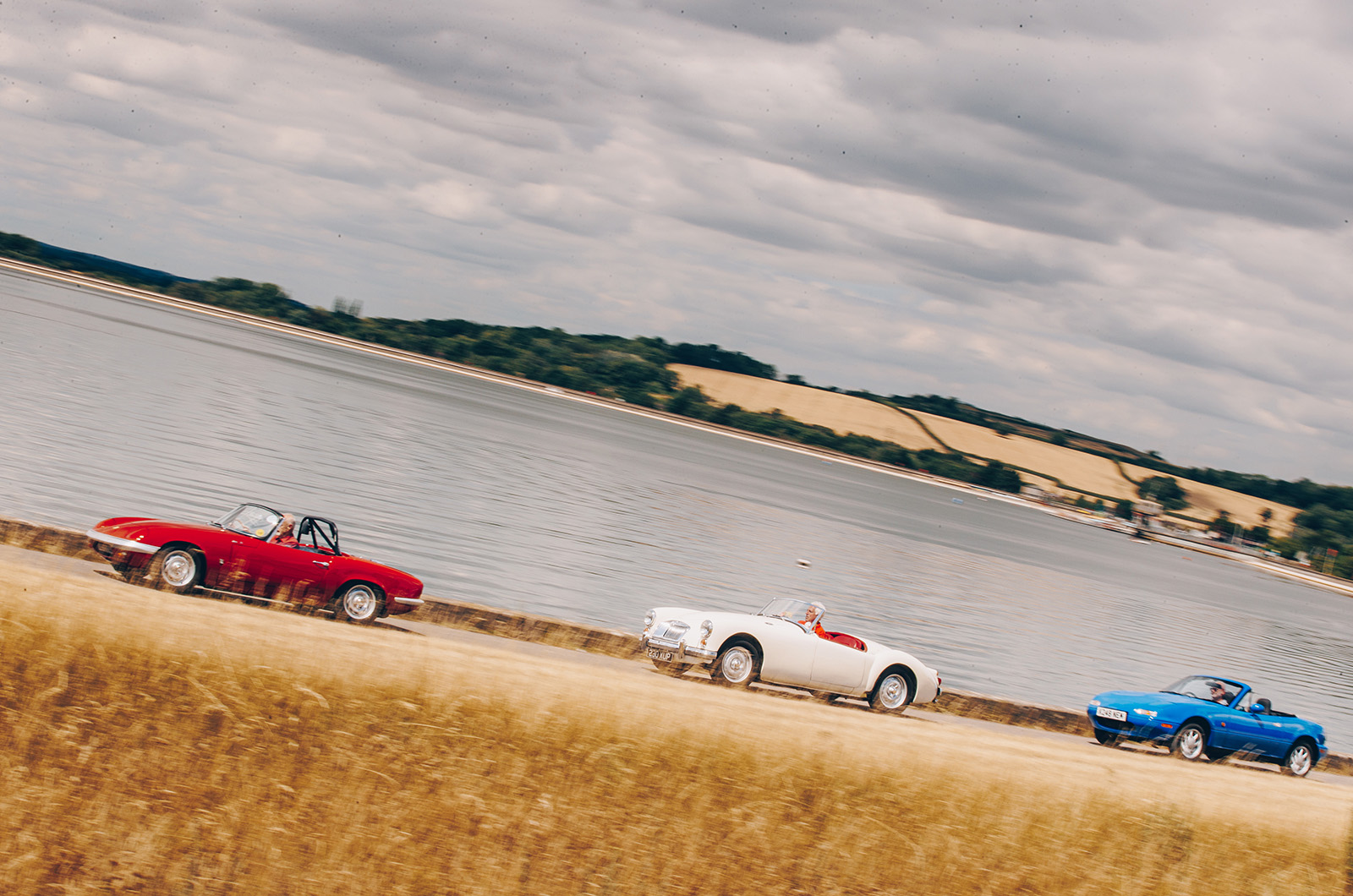
The MG TD, Triumph TR2 and Austin-Healey 100/6 laid down the early groundwork, while the MGA Twin Cam was the car that demonstrated to Bob what a British sports car could be at its best.
The Healey 3000, meanwhile, had shown him what a difference features such as wind-up windows and a simple-to-use roof – a luxury previously denied to such roadsters – made to daily usability.
Finally, the Elan demonstrated what a sports car should sound like and the heights of how it could handle.
Like the Lotus Elan, the Mazda MX-5 is supple, agile and responsive – although notably not as stiff
People often assume that the Mazda MX-5 was successful ‘just’ because it added proper reliability to the sports-car recipe and appeared after the British manufacturers had faded.
That it’s the MX-5, however, and not the BMW Z3 or countless other imitators, that has sold in excess of a million units, suggests it’s more than that.
Bob is not too proud to acknowledge that the Mazda MX-5 stood on the shoulders of some automotive giants, and the result is a car that has channelled the MGA Twin Cam, the Lotus Elan and others for decades since.
Words: Charlie Calderwood/Simon Fox
Images: Jack Harrison
Thanks to: Bob Hall, Colin Manley, Gordon Morrison, Will Williams, Paul Matty
Factfiles
MGA Twin Cam
- Sold/number built 1958-’60/2111
- Construction steel box-section chassis, steel body
- Engine iron-block, alloy-head, dohc 1588cc ‘four’, twin 1¾in SU H6 carburettors
- Max power 108bhp @ 6700rpm
- Max torque 104lb ft @ 4500rpm
- Transmission four-speed manual, RWD
- Suspension: front independent, by wishbones, coil springs rear live axle, semi-elliptic leaf springs; lever-arm dampers f/r
- Steering rack and pinion
- Brakes discs
- Length 13ft (3962mm)
- Width 4ft 10in (1473mm)
- Height 4ft 2in (1270mm)
- Wheelbase 7ft 10in (2388mm)
- Weight 2156lb (977kg)
- 0-60mph 13.3 secs
- Top speed 115mph
- Mpg 21.8
- Price new £1027 (1959)
- Price now £30-60,000*
Lotus Elan S2
- Sold/number built 1962-’73/c8650 (all Type 26 Elans)
- Construction folded steel backbone chassis, glassfibre body
- Engine iron-block, alloy-head, dohc 1558cc ‘four’, twin Weber carburettors
- Max power 105bhp @ 5500rpm
- Max torque 108lb ft @ 4000rpm
- Transmission four-speed manual, RWD
- Suspension independent, at front by wishbones, coil springs, telescopic dampers, anti-roll bar rear lower wishbones, coil spring/damper struts
- Steering rack and pinion
- Brakes discs
- Length 12ft 1in (3683mm)
- Width 4ft 8in (1422mm)
- Height 3ft 9in (1143mm)
- Wheelbase 7ft (2134mm)
- Weight 1210lb (549kg)
- 0-60mph 8.7 secs
- Top speed 115mph
- Mpg 27.9
- Price new £1436 (1965)
- Price now £25-45,000*
Mazda MX-5 1.6i
- Sold/no built 1989-’97/431,506 (all Mk1 MX-5s)
- Construction steel monocoque
- Engine iron-block, alloy-head, dohc 1598cc ‘four’, Bosch L-Jetronic injection
- Max power 114bhp @ 6500rpm
- Max torque 100lb ft @ 5500rpm
- Transmission five-speed manual, RWD
- Suspension independent, by wishbones, coil springs, telescopic dampers, anti-roll bar f/r
- Steering rack and pinion, optional power assistance
- Brakes discs, with servo
- Length 12ft 11in (3950mm)
- Width 5ft 6in (1675mm)
- Height 4ft 1in (1225mm)
- Wheelbase 7ft 5¼in (2265mm)
- Weight 2105lb (955kg)
- 0-60mph 9.1 secs
- Top speed 114mph
- Mpg 29
- Price new £14,429 (1990)
- Price now £6-15,000*
*Prices correct at date of original publication
Enjoy more of the world’s best classic car content every month when you subscribe to C&SC – get our latest deals here
READ MORE
Buyer’s guide: Mazda MX-5 (NA)
Triumph Spitfire vs MGB vs Lotus Elan: a new dawn
MGA Twin Cam: on track in an ex-works racer