Daimler DB18: Churchill’s chariot

| 20 Aug 2026
Classic & Sports Car – Daimler DB18: Churchill’s chariot

Winston Churchill, born well before the first practical motor cars were built, embraced fully the nascent technology throughout his life and in his roles as a statesman and politician.

From the Edwardian period through to his second premiership of 1951-’55, his name is associated with a variety of British cars: Mors and Napier in his younger years, Wolseleys (five of them between 1923 and 1931) and Austins for private use between the wars.

He briefly owned a Rolls-Royce Silver Ghost, but, while not shy of associating himself with the finer things in life – “I am always satisfied with the best” – he was just as content with the 1938 Austin Cambridge that was a favourite at Chartwell, his country retreat, up to the early 1950s.

‘Farina’ Morris Oxfords were among the last cars he owned before his passing in 1965.
Classic & Sports Car – Daimler DB18: Churchill’s chariot

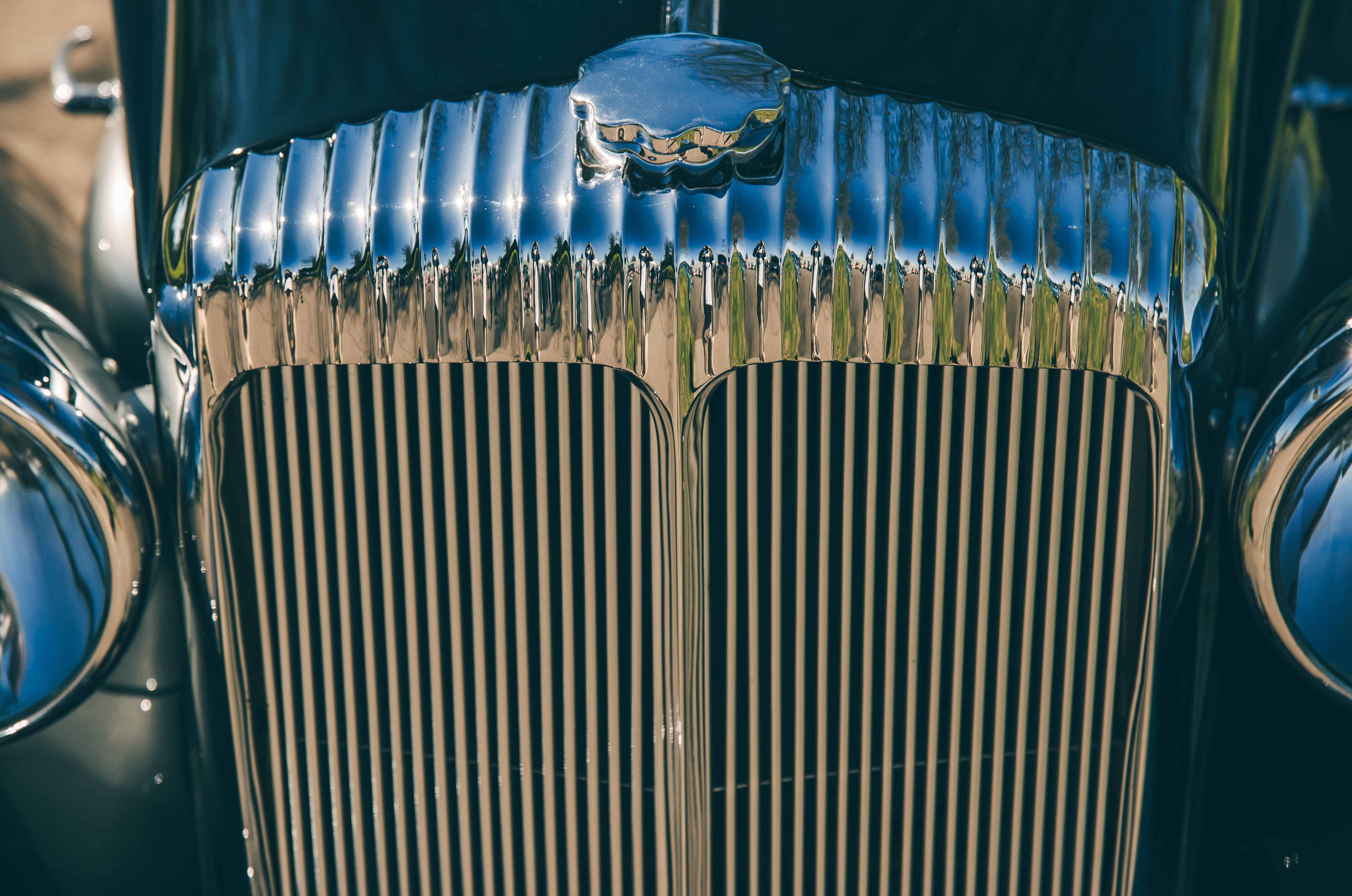
The Daimler DB18’s crinkle-cut radiator is the only clue to its origins

Then there were the Humbers.

As a friend of Lord Rootes, Churchill had private and official use of Humber Pullmans during the war and throughout the 1950s. 

Rootes had a Pullman refurbished for Churchill after the 4-litre limousines went out of production, and even supplied him with a permanent official factory driver, Joe Bullock.
In the early 1960s, the fleet at Chartwell included the Pullman, a Humber Super Snipe Estate (for shuttling guests from the railway station) and a grey Hillman Husky for shopping.

Lady Churchill drove herself, in the blue Morris Oxford, well into old age.

Classic & Sports Car – Daimler DB18: Churchill’s chariot

Black-and-white footage of this Daimler DB18 shows Winston Churchill on board for his re-election campaign

Post-1930, Churchill is thought to have been almost exclusively a passenger rather than a driver, which was probably just as well given that he was, by all accounts, much better behind a despatch box than a steering wheel.

He wasn’t even a particularly good pedestrian at times.

After being run over – near fatally – in New York in 1931, when he looked the wrong way crossing the road, his friends clubbed together to buy the by then forever limping Churchill a new, Barker-bodied 35/120 Daimler as a ‘welcome home’ present.

Classic & Sports Car – Daimler DB18: Churchill’s chariot

The Daimler DB18’s convertible hood stows discreetly

He liked the car and kept it until he became Prime Minister in 1940.

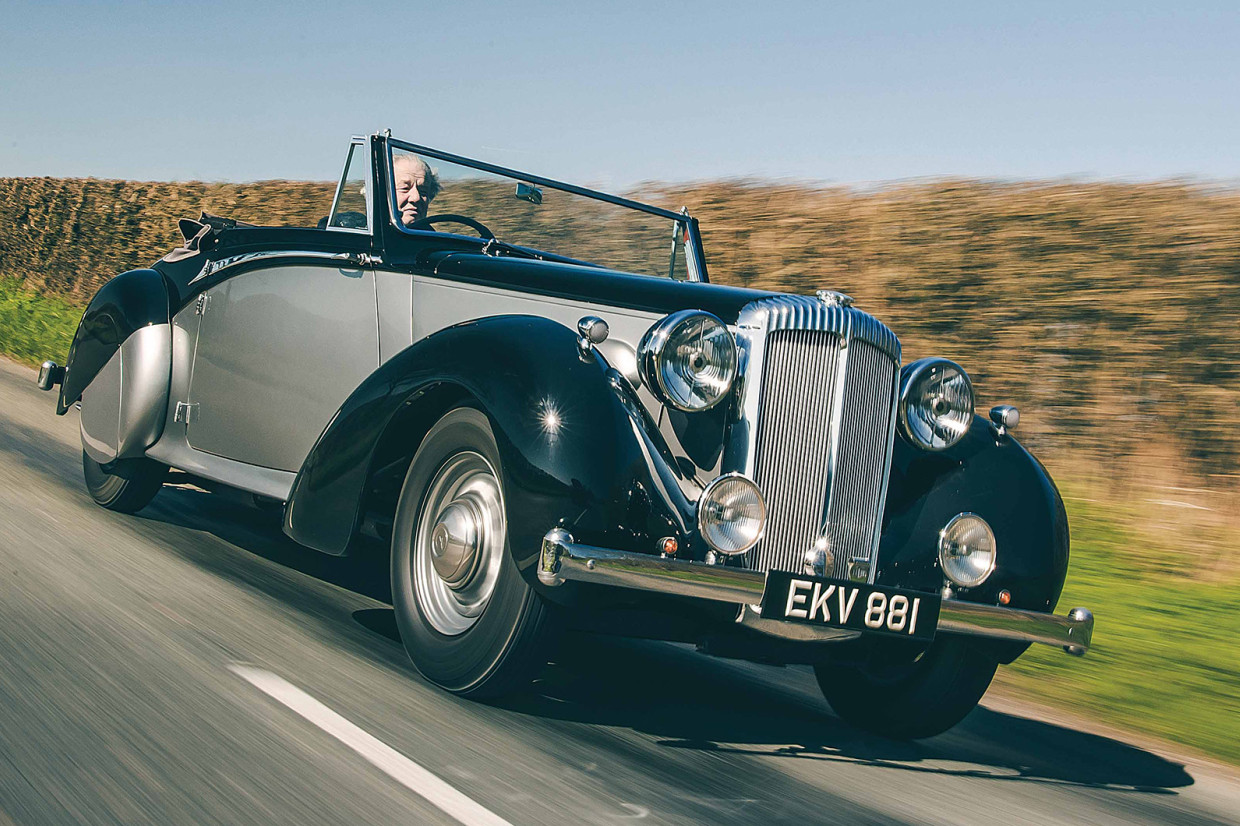
Thus began an association with the marque, although the Daimler to which he is most famously linked, this 1939 DB18 drophead, was neither Churchill’s personal car nor an official government vehicle.

Daimler, one of the oldest names in motoring and the maker of perhaps Britain’s most quietly respectable vehicles, had a distinct pre-war identity that was steeped in solid engineering and royal patronage, and far removed from its post-1960 Jaguar affiliation.

The name was still mostly associated with massive and sometimes rather dreary, sleeve-valve straight-eight and V12 limousines, but since the mid-1930s Daimler had realised that its future lay with more compact owner-driver models using overhead-valve six-cylinder engines.

Classic & Sports Car – Daimler DB18: Churchill’s chariot

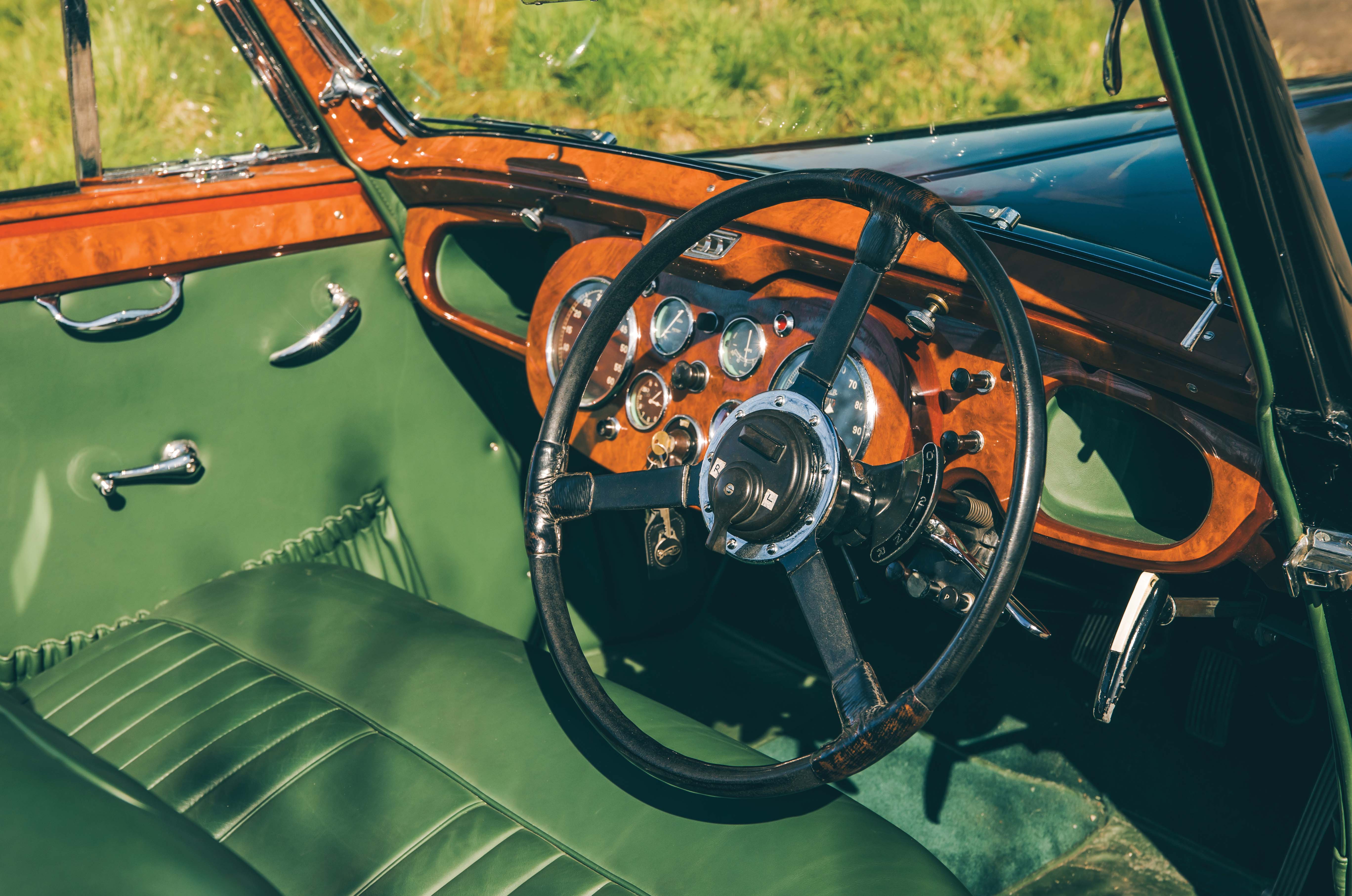
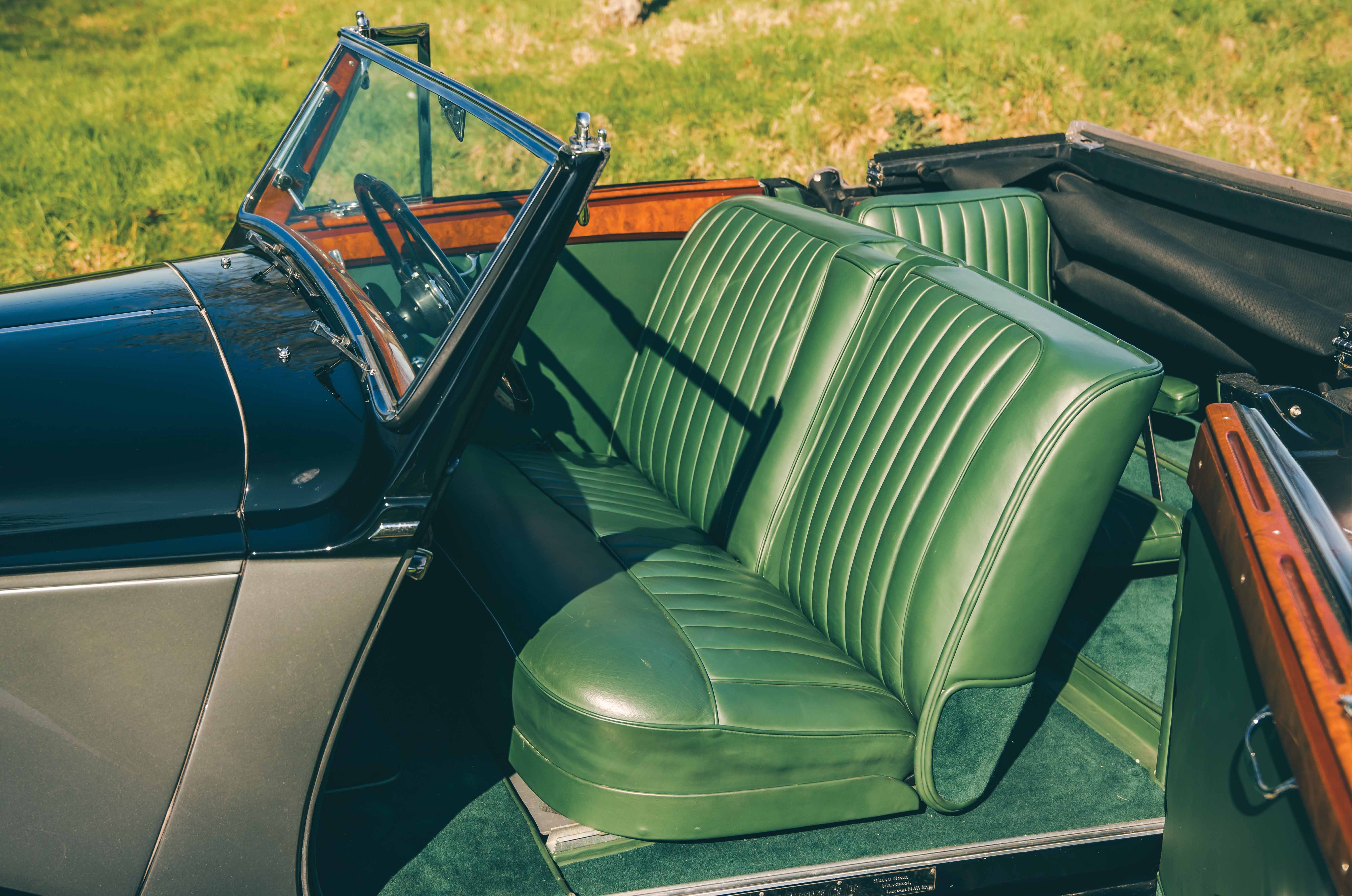
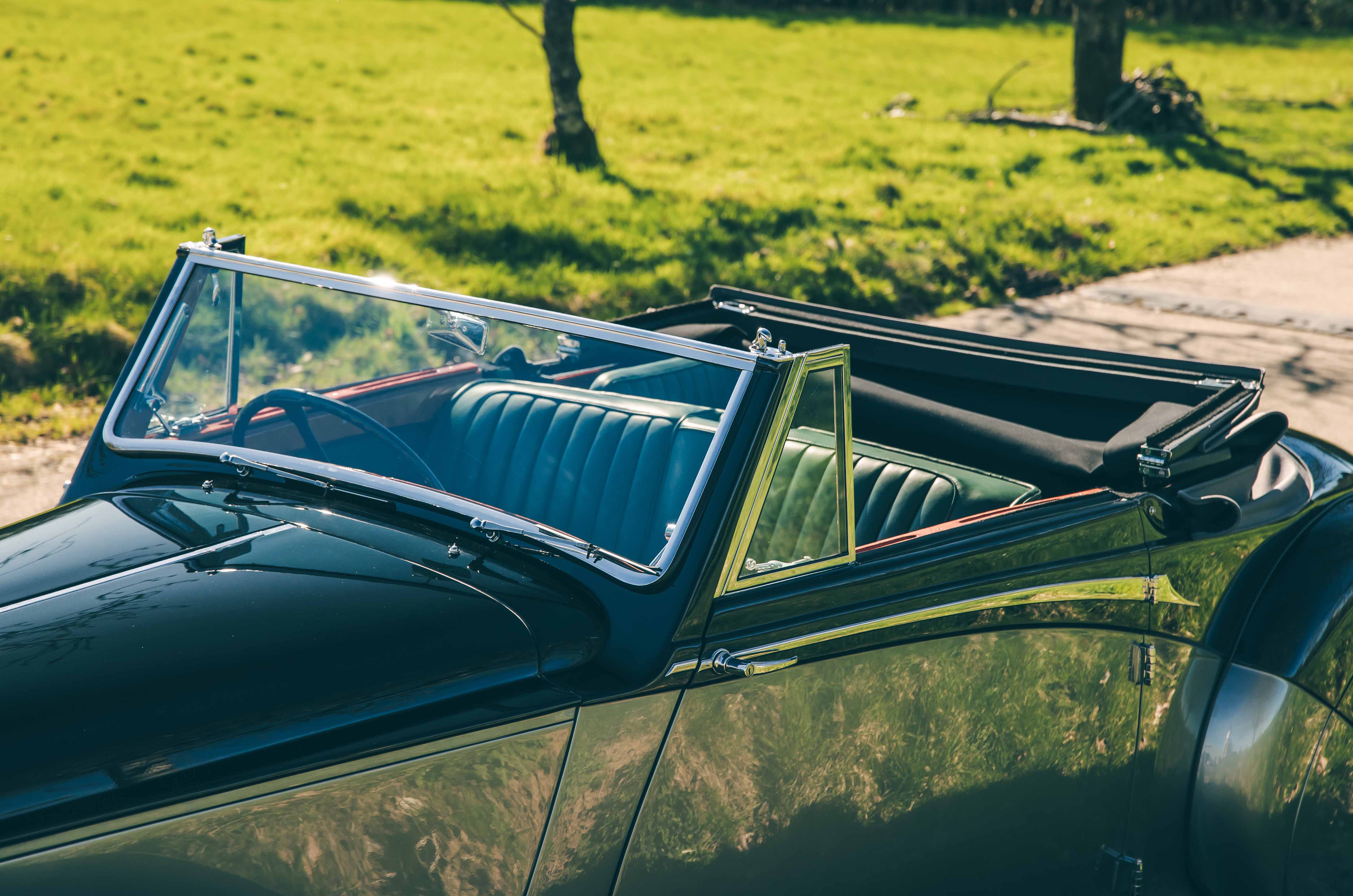
The Daimler DB18’s green-leather cabin is fit for a king or queen – or prime minister

The 1937 DB18 was the final pre-war chapter in a line of thought that had begun with the Fifteen and New Fifteen.

Only 1000 DB18s were built before WW2, but it reappeared in 1946 with only minor changes as Daimler’s staple product, latterly as the DB18 Consort after somebody realised that the proliferation of short-form-style chassis identifiers was not only dry, but also confusing.

But in 1938 it was just plain DB18 (‘18’ being the taxable horsepower), although Daimler occasionally called it the ‘Fifteen 2½ litre’, just to keep historians on their toes.

It used a bigger, 70bhp 2522cc engine in an underslung, longer-wheelbase chassis with a worm-drive rear axle that sat a bit too close to the ground for use on rough roads, although it did give a flat rear-seat area.

Classic & Sports Car – Daimler DB18: Churchill’s chariot

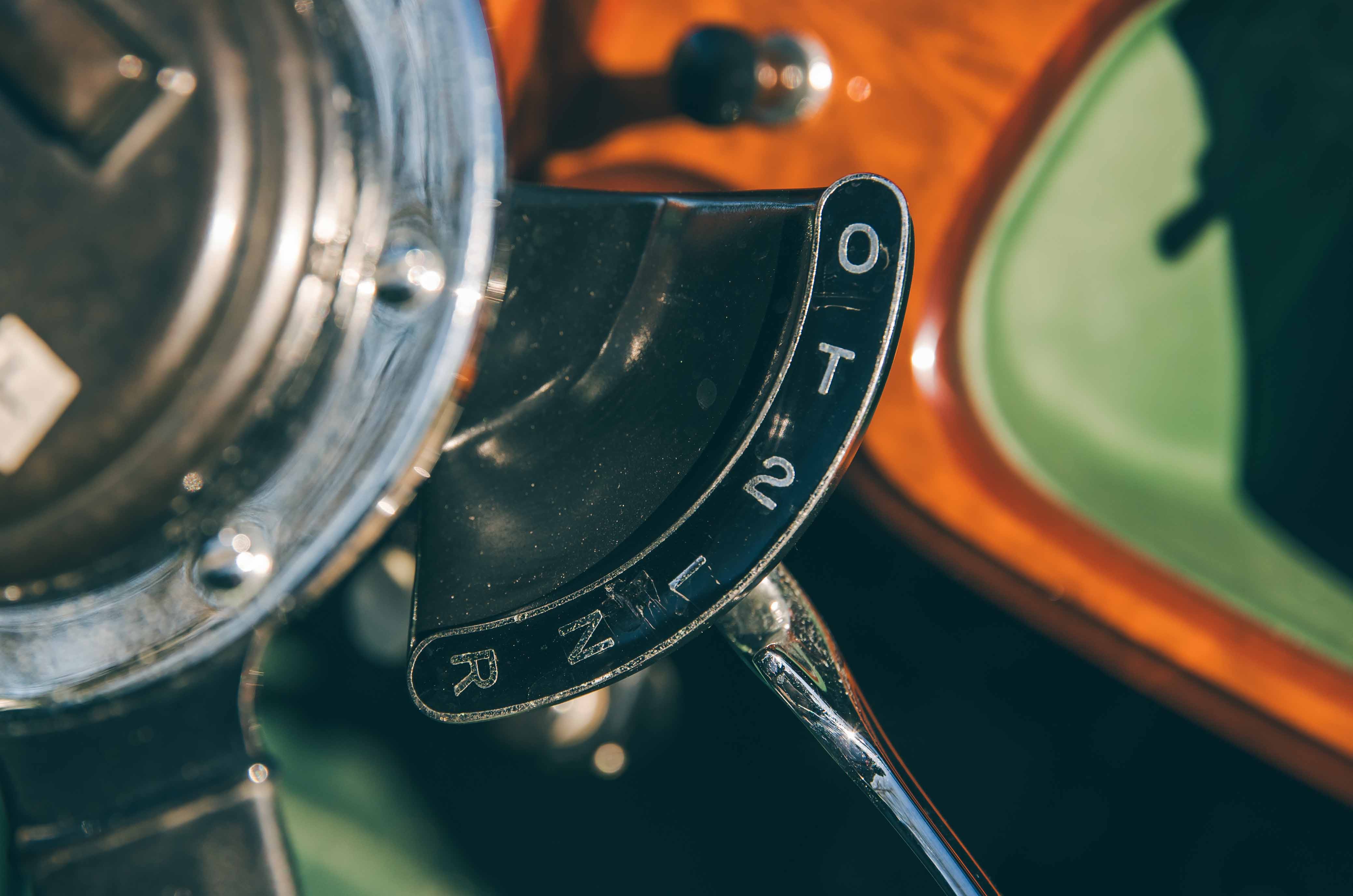
The Daimler DB18’s steering-column-mounted preselector and foot-change take some acclimatisation

Purely mechanical brakes were still common, but not so the coil-sprung independent front suspension that made its debut a year earlier on the 2166cc New Fifteen; this André-Girling-type set-up lasted to the end of Majestic Major production in 1968.

A fluid-flywheel-equipped, four-speed preselector gearbox was a well-established Daimler refinement, as was central chassis lubrication.

The model was available with saloon, sports saloon, four-door cabriolet and drophead coupé bodies: King George VI had one as personal transport.

Some were clothed by the likes of Tickford and Abbott, but many closed versions had in-house factory bodywork.

Classic & Sports Car – Daimler DB18: Churchill’s chariot

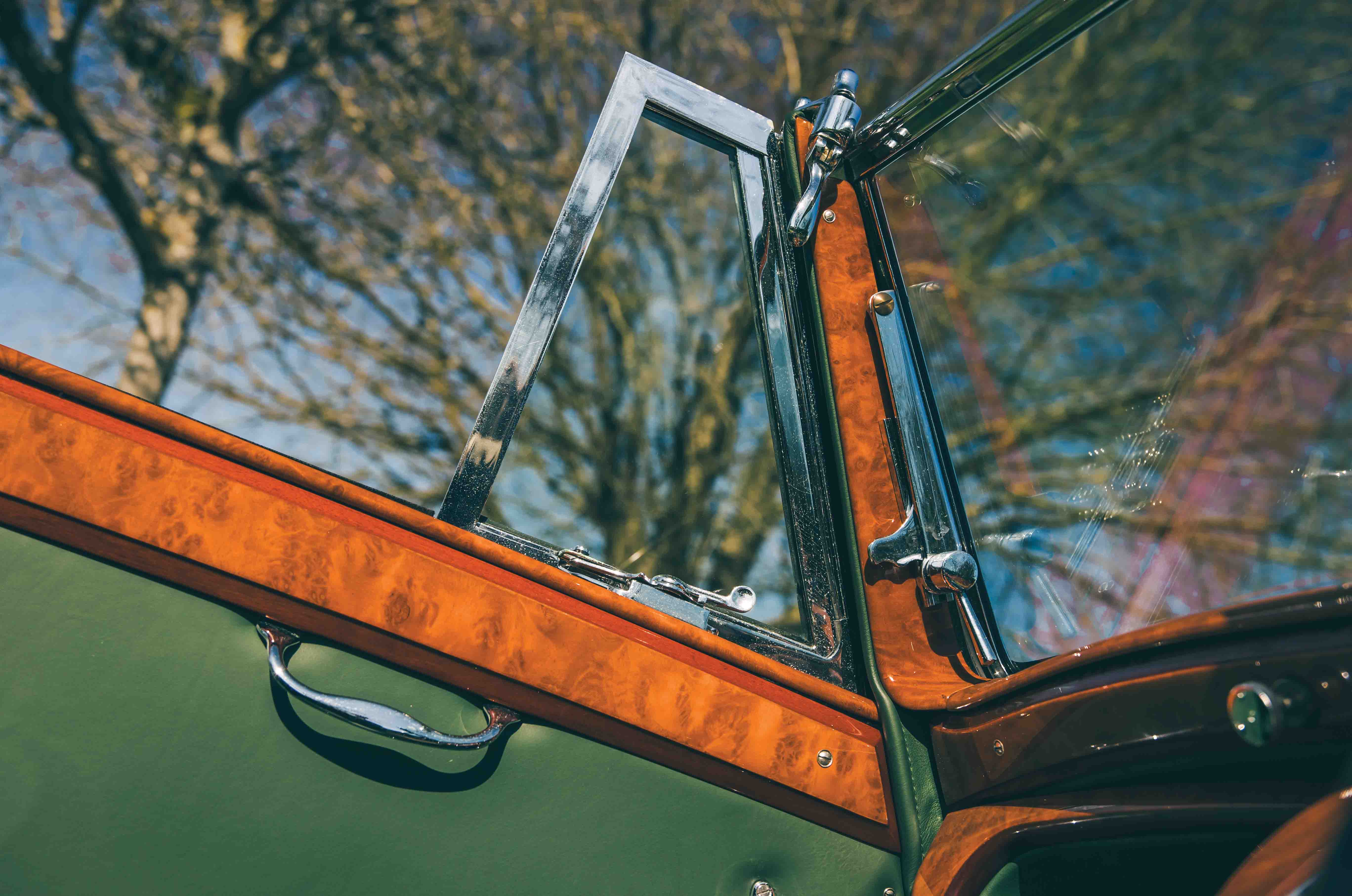
The Daimler DB18’s rich veneer and chunky chromed quarterlight

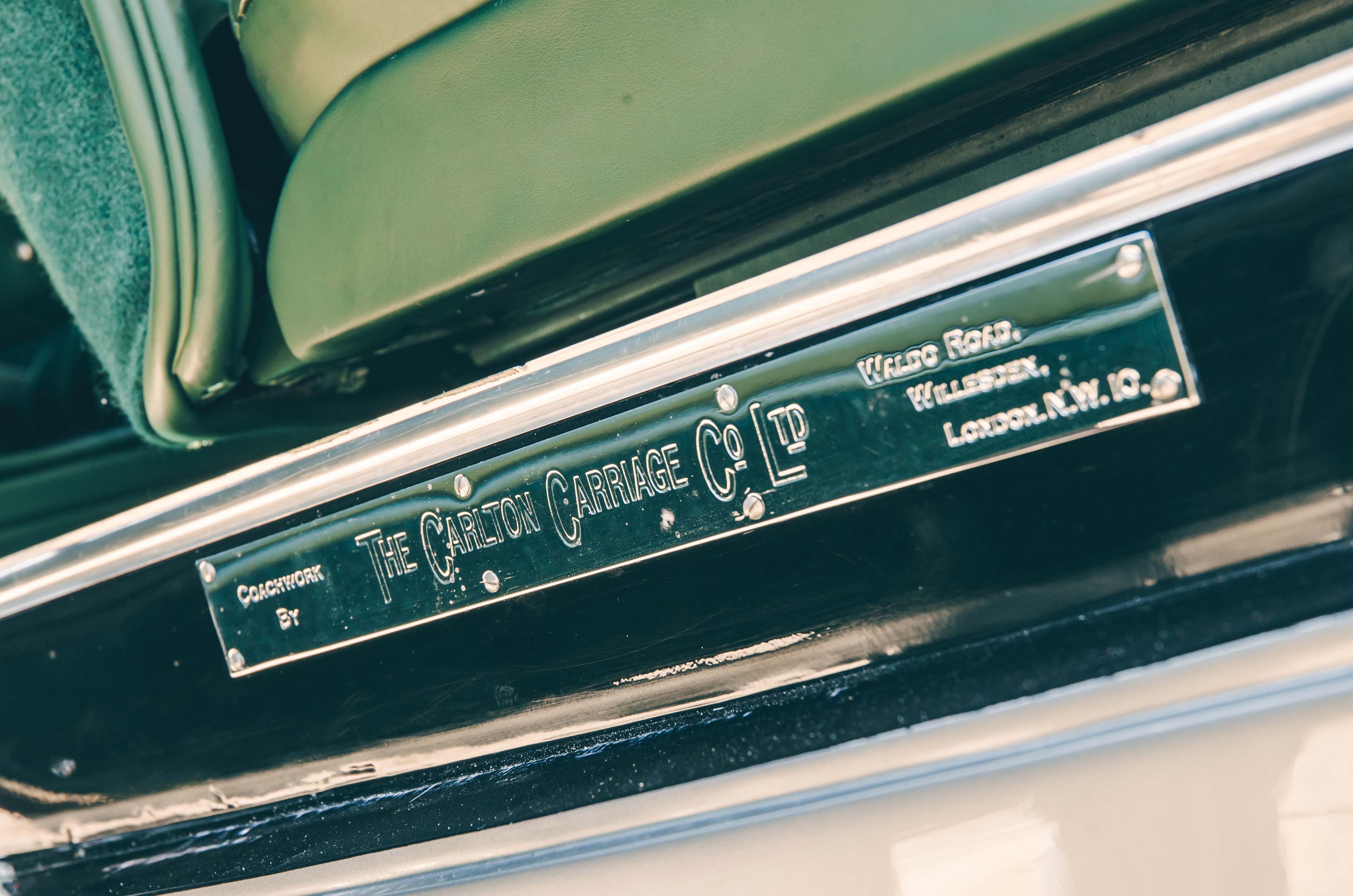
This one is by the lesser-known Carlton, or The Carlton Carriage Company of Shepherd’s Bush and Willesden.

Founded in 1924 as the Kelvin Carriage Co (the name changed in 1926), Carlton lasted until the mid-’60s, having had some success the previous decade rebodying pre-war Rolls-Royces along more modern lines.

Between 1927 and ’39, and working in aluminium on ash framing, Carlton bodied 50 Royce chassis alongside Wolseleys and various upmarket Continental and American cars.

Classic & Sports Car – Daimler DB18: Churchill’s chariot

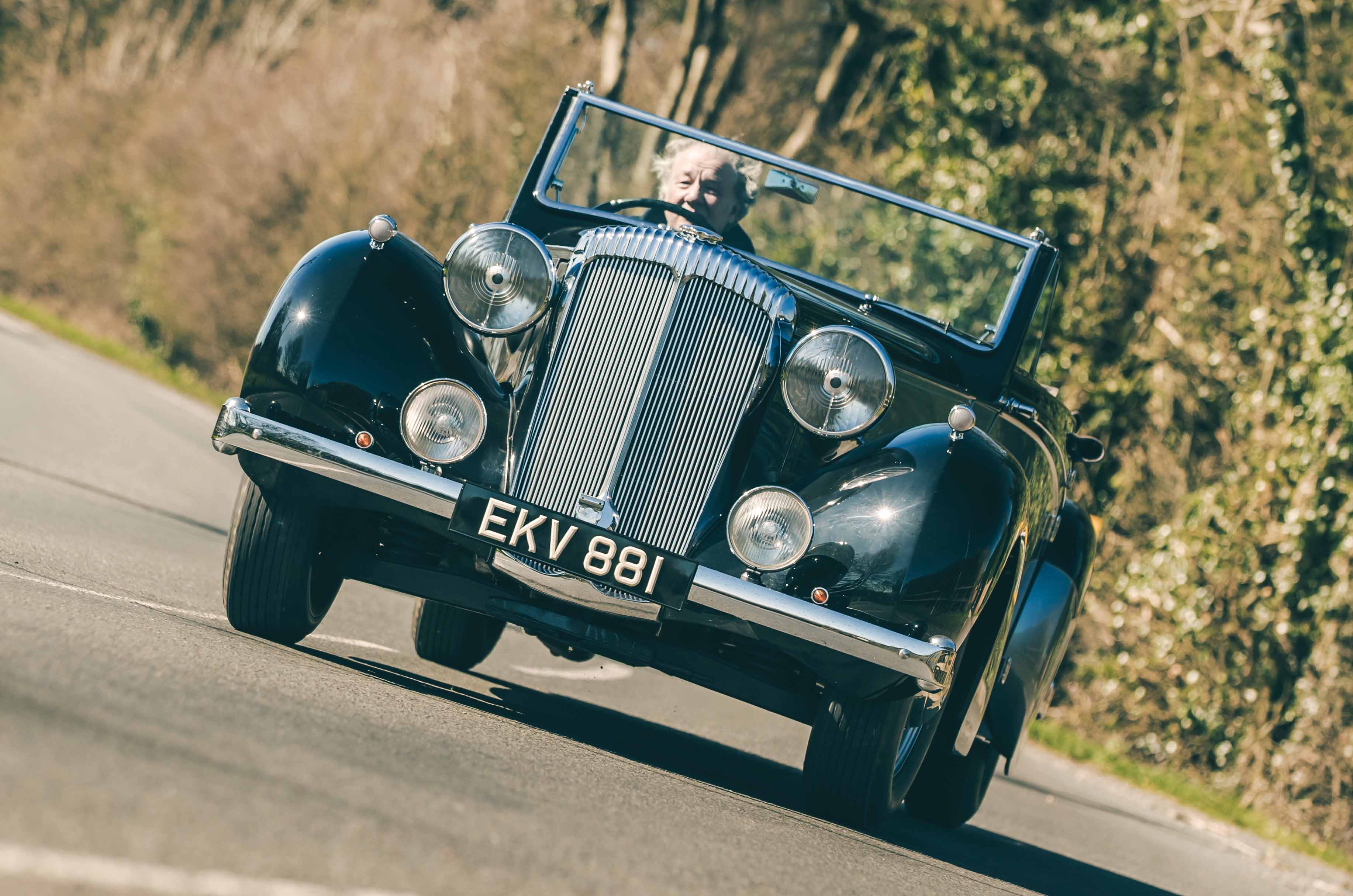
The Daimler DB18 is stable, but understeer arrests any sporting ambitions

It was planned that 23 of these Carlton DB18 dropheads would be built in 1939, although the looming hostilities inevitably pruned back this number.

In the end, only eight had been finished before a German bomb hit Daimler’s Radford factory during the 1940 Coventry blitz.

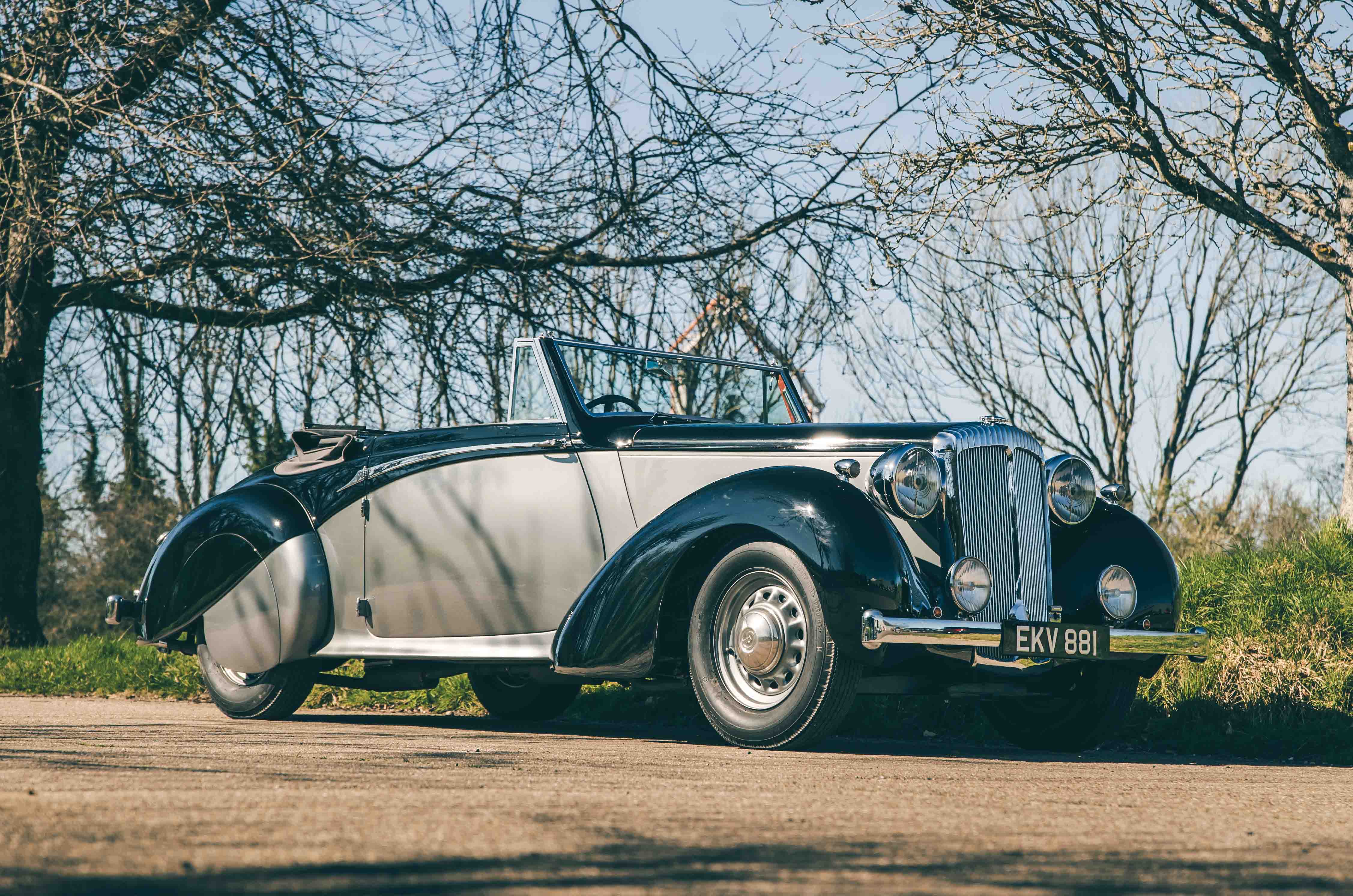
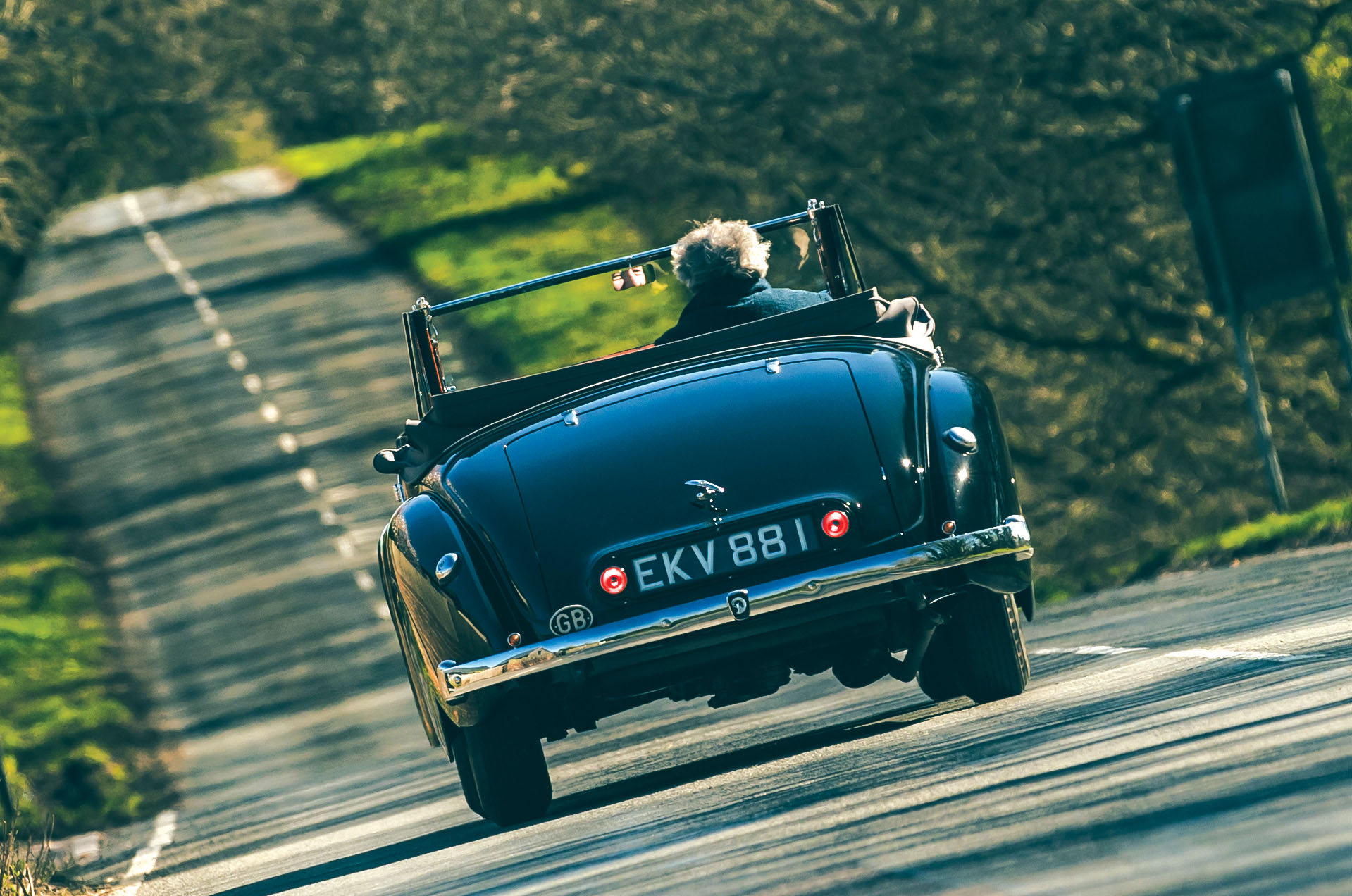
Five of the cars were lost in that raid (along with half of the 25 Daimler Dolphin sports tourers), and EKV 881, chassis number 49531, is today the only survivor of the three that were left once the smoke had cleared.

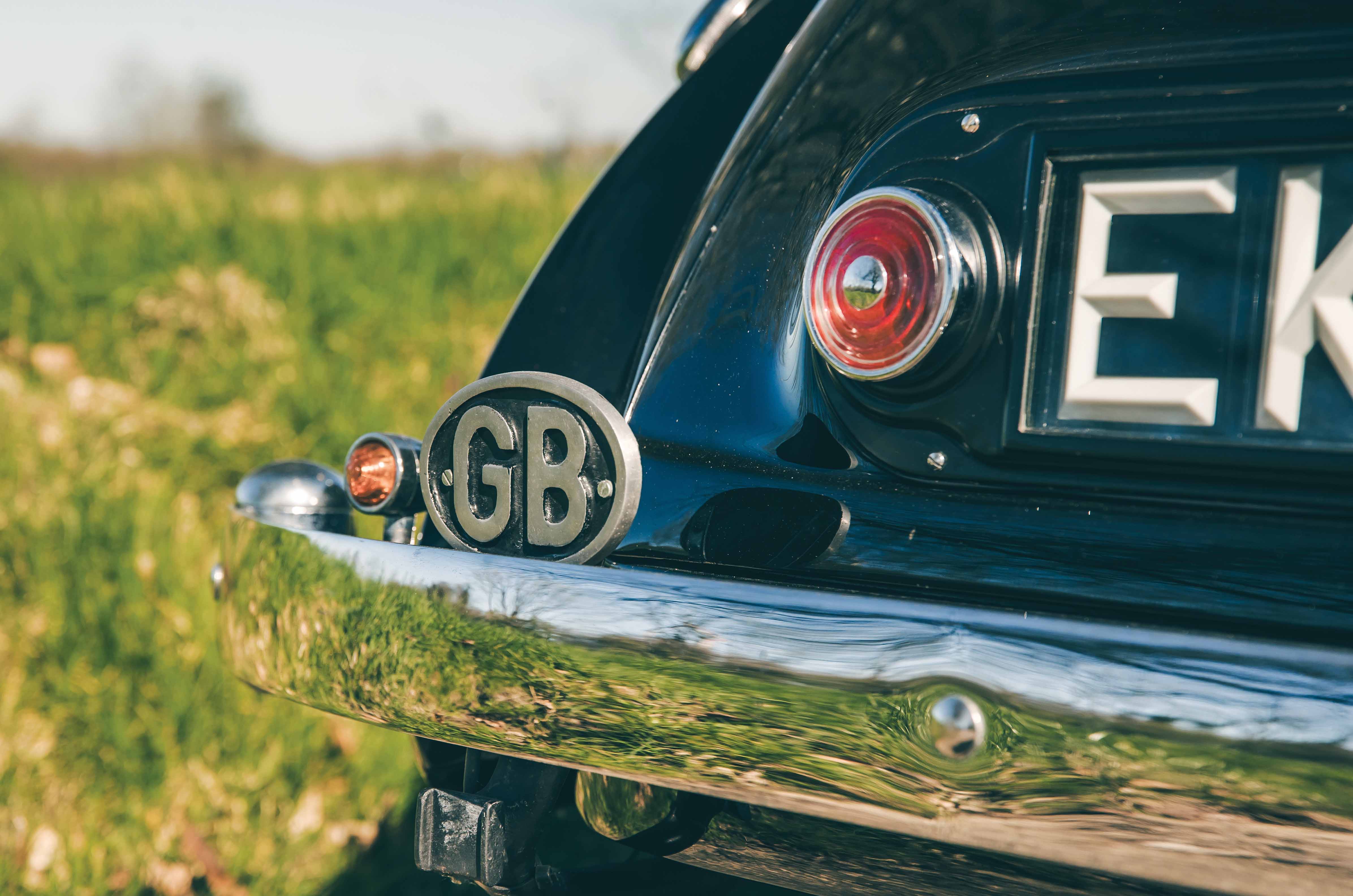
The registration number dates from 1944, so it appears the car was then mothballed by Daimler until it was used by Churchill for his re-election campaign the following year. Amazingly, he lost that election, but was back in office for 1951.

Classic & Sports Car – Daimler DB18: Churchill’s chariot

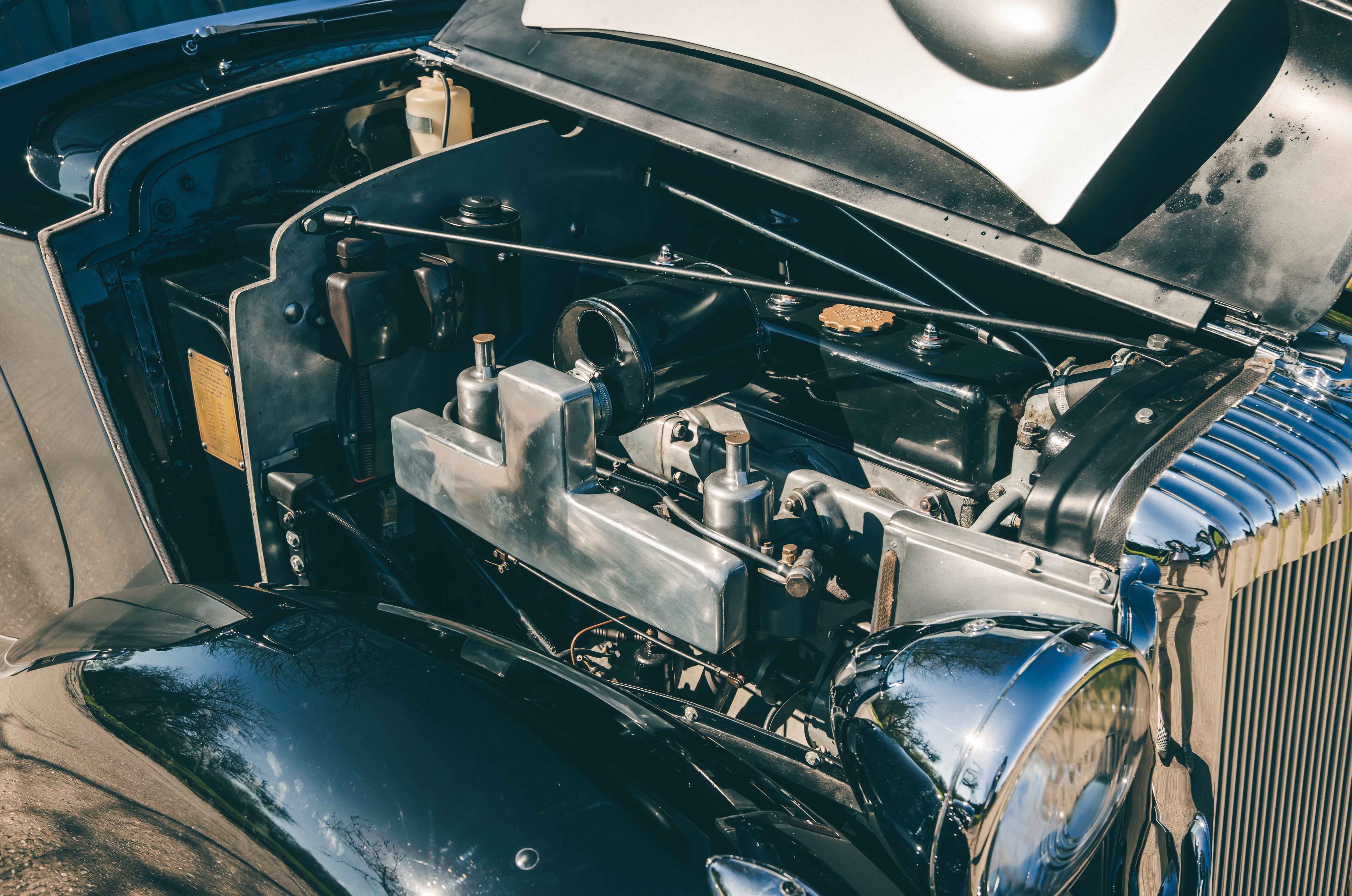
The Daimler DB18’s smooth ‘six’, fed by twin SU carburettors

It’s not clear when the Pathé footage dates from, but it is raw and without commentary so you can hear the real-life cheers, the cries of “Winnie!” and “Good old Winston!” from the five-deep crowds lining his route through London.

The Daimler has large loudspeakers fitted to its bonnet and, five-up, it looks slightly overloaded, with Churchill sitting on the hood waving at the public. 

Apart from the driver, the other men are likely to be bodyguards.

Classic & Sports Car – Daimler DB18: Churchill’s chariot

This Daimler DB18 is the only surviving Carlton-bodied example

In the metal, the Churchill Daimler stands up to the most detailed inspection.

Under the split bonnet, the engine, which earned its keep in Daimler Dingo scout cars both during the war and after, looks deep and boxy but is elegantly presented, with twin SU carburettors where you expect to find just one.

Beneath the long, tapering bootlid, the luggage area is made fairly shallow by the spare-wheel shelf, but it features a period brass fire extinguisher.

The hood sits well down when folded and is handsome erected, but the letterbox-sized rear window does not look like much fun for manoeuvring.

Classic & Sports Car – Daimler DB18: Churchill’s chariot

The Daimler DB18’s simple chrome bumper

Dignified but not pompous, with its chromed door flash and simple bumpers, only the crinkle-cut radiator tells you what this attractive car is.

The Easi-Clean steel wheels, about which the late Michael Sedgwick of Classic & Sports Car was so sniffy in his 1989 A-Z of cars of the 1930s – ‘A trifle non-U for a Daimler’ – are a model identifier for those who know the marque.

The doors open on exposed – but chromed – rear-mounted hinges to give access to an interior that’s trimmed in green leather with matching carpets.

A clear, flat front footwell is one of the benefits of the preselector gearbox.

Classic & Sports Car – Daimler DB18: Churchill’s chariot

The Daimler DB18 flows along smoothly, with easy steering and decent brakes

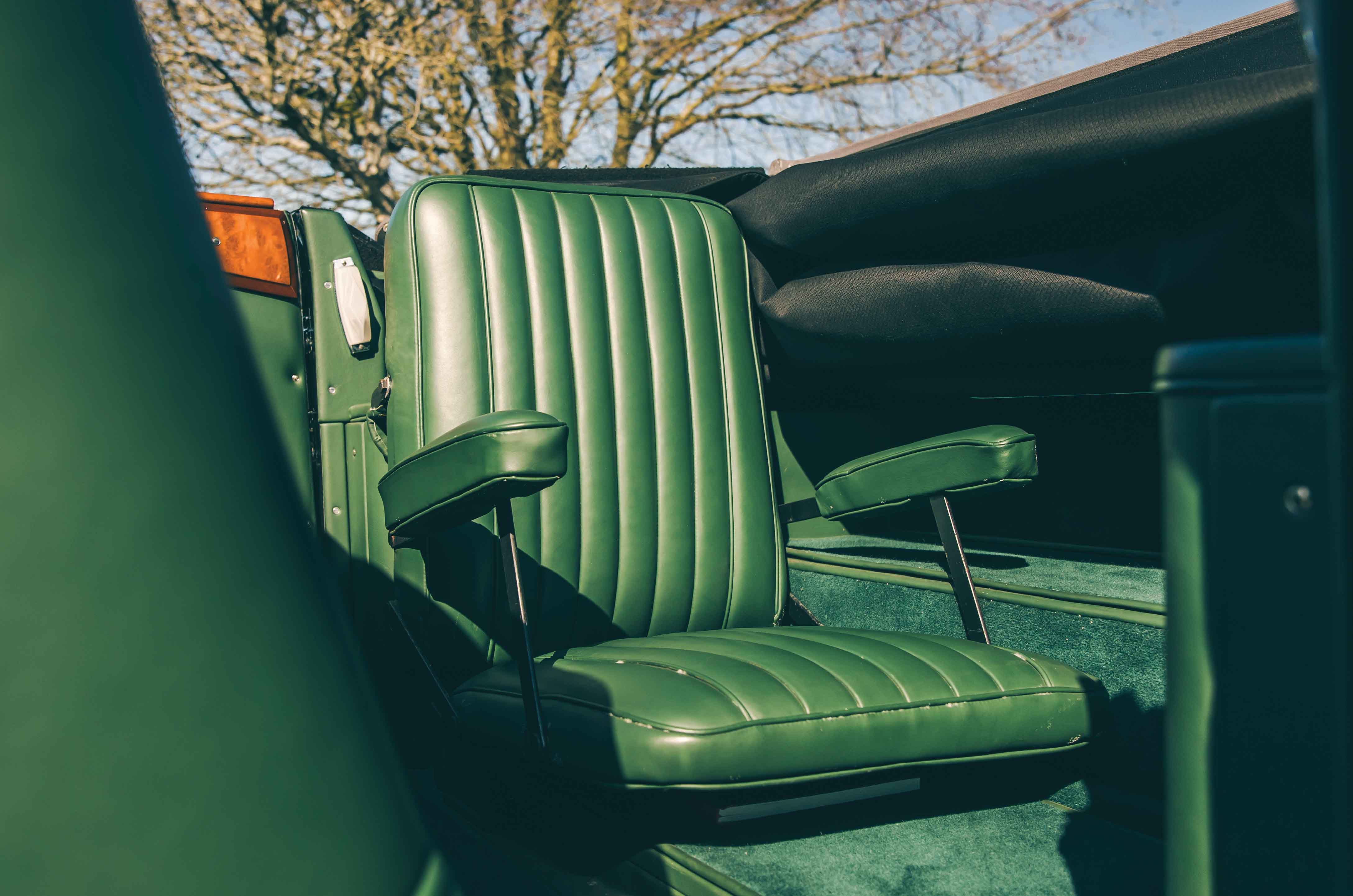
The front seat is a bench, the rear just a single, side-mounted chair that can be folded away.

The instruments are clustered centrally on the veneered dashboard, with open cubbyholes at either end and additional storage pockets in the doors.

The speedometer reads to an optimistic 100mph (it might do 80mph with a following wind) and the rev counter – with a redline at 4500rpm – looks out of place but is nonetheless welcome.

The wipers are operated left-to-right by individual knurled switches, and the ’screen flips open for ventilation.

Classic & Sports Car – Daimler DB18: Churchill’s chariot

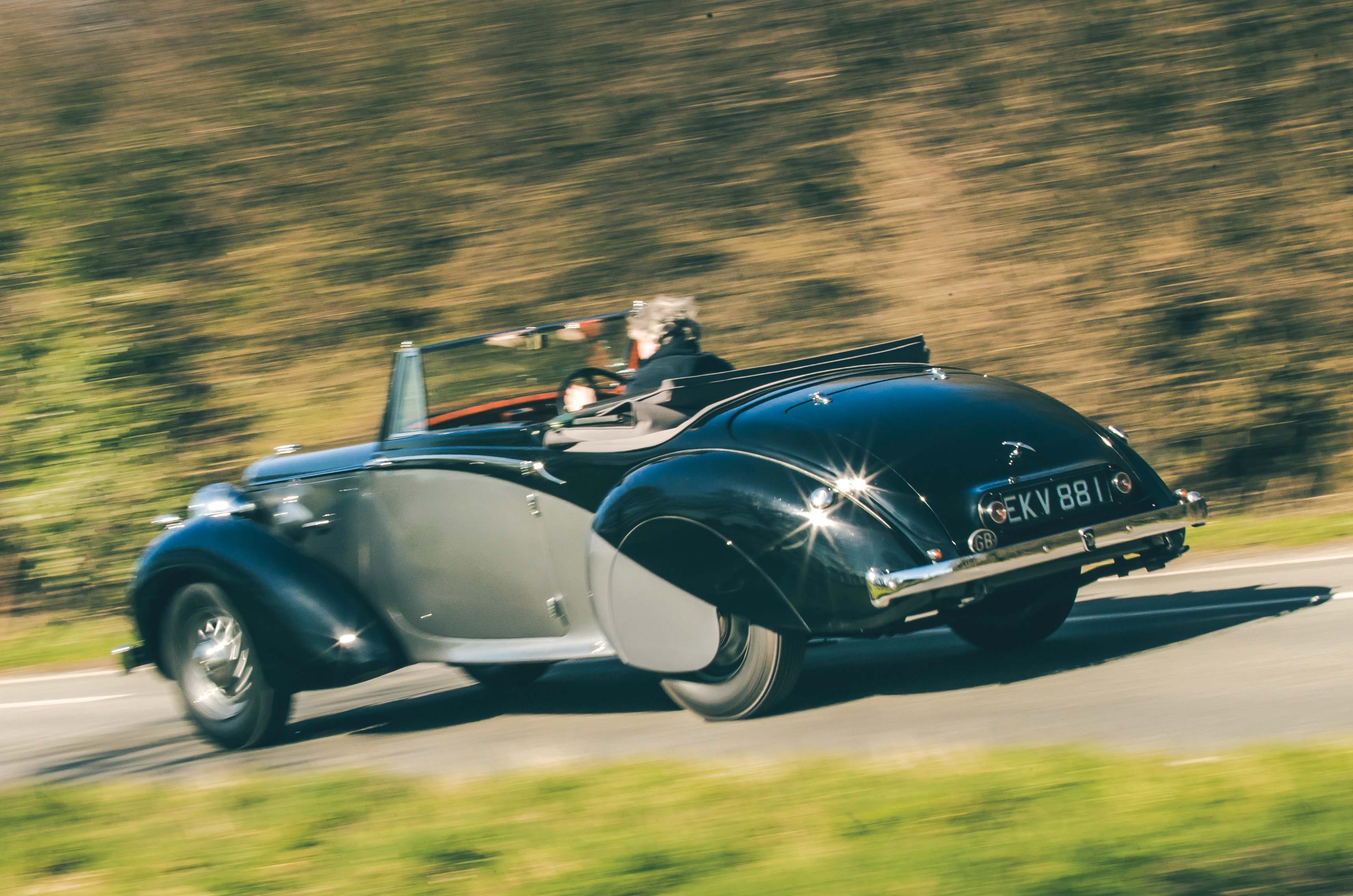
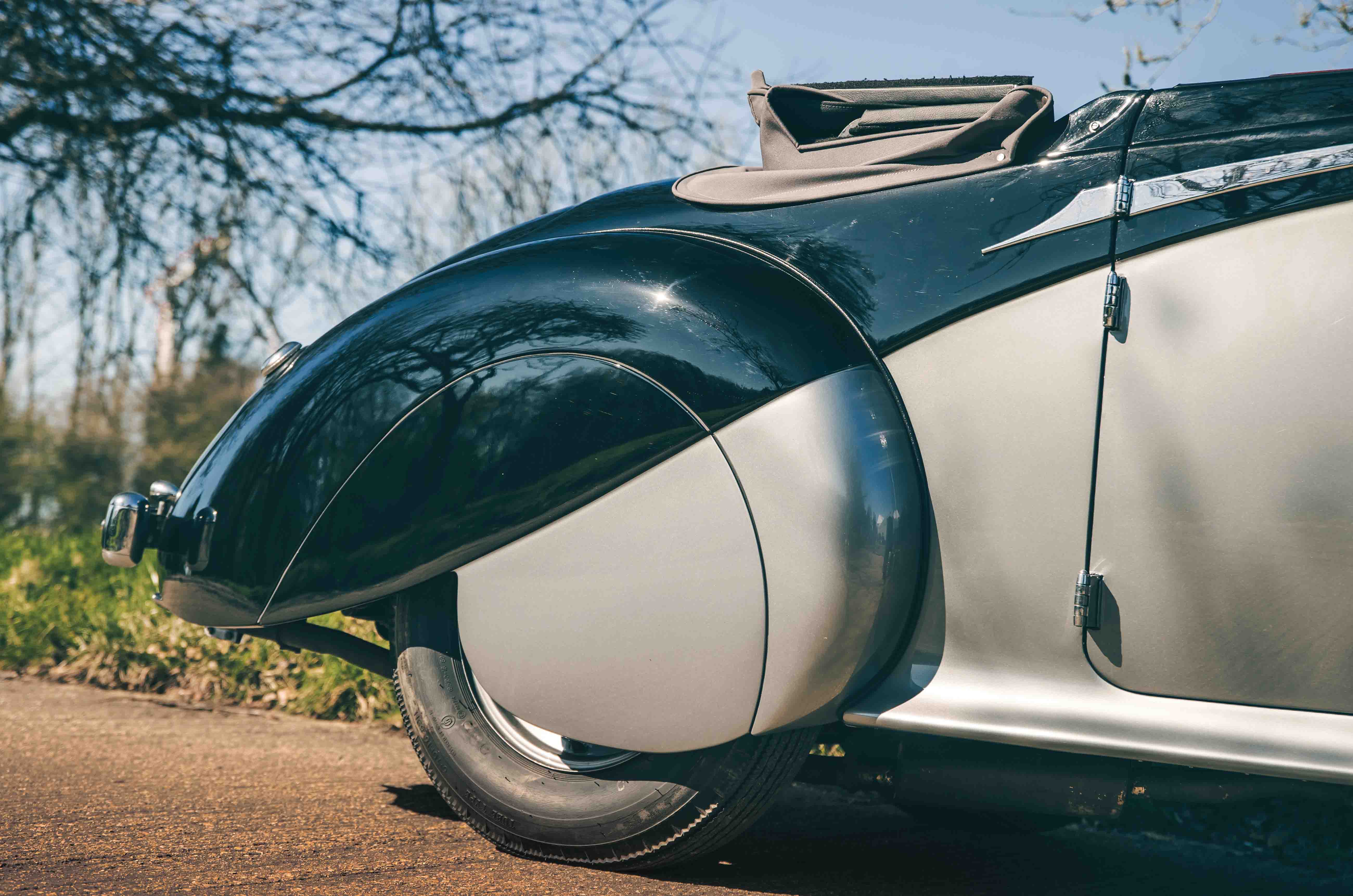
Rear spats enhance the Daimler DB18’s aesthetic

The straight-six fires readily and is smooth and steady-sounding but resolutely unexciting; a whirr from somewhere under the floorboards is attributable to the fluid clutch.

You know you are in neutral when the left-hand pedal is held depressed. With a foot on the brake (or with the handbrake applied) you can select first or second on the steering-column lever – marked ‘1’, ‘2’, ‘3’ and ‘T’ for top – then prod the ‘clutch’, which is really a gear selector and should not be slipped like a clutch.

You move off at a modest pace, preselecting the next ratio and pushing the gearchange pedal when appropriate.

Not aggressively, mind, but not too timidly either, unless you want to end up stuck in neutral; pressing the gear-selector pedal and moving the gearlever at the same time is also to be avoided.

Classic & Sports Car – Daimler DB18: Churchill’s chariot

The Daimler DB18’s flat-floored cabin has a military air

Once you get your head around the unfamiliar logic it is an effortless system, with the additional benefit of making driving in traffic much easier because you don’t need to select neutral when you come to a halt, just use the brakes and the throttle, and let the fluid flywheel do the rest.

A reasonable cruising speed of 50mph is achieved within a minute or so with no special effort, as the big steering wheel weaves gently in the hands.

The handling is all understeer and tyre scrub, but the DB18 is steady enough in corners (there’s a front anti-roll bar), doesn’t rattle and is easy to manoeuvre.

Classic & Sports Car – Daimler DB18: Churchill’s chariot

This unique Daimler’s side-mounted rear seat

The brakes are more reassuring than their all-mechanical specification suggests.

With its flowing, bullet-shaped front wings, elegant rear spats and just a flared lip where you expect to see a running board, this DB18 drophead was a stylish attempt at throwing off Daimler’s stuffy image.

I would even go as far as to say that it is genuinely elegant, like a scaled-down Frank Feeley-styled Lagonda V12 drophead.

Even without the historic connection to Churchill, this one-off Daimler, restored 20 years ago by Thiesen in Germany for a reputed €250,000, would be an interesting machine – if not an exciting one.

Images: Jack Harrison

Thanks to: Classic Automobiles Worldwide


Factfile

Classic & Sports Car – Daimler DB18: Churchill’s chariot

Daimler DB18 Carlton dhc 

  • Sold/number built 1938-’39/eight
  • Construction steel chassis, aluminium body
  • Engine iron-block, alloy-head, ohv 2522cc straight-six, twin SU carburettors
  • Max power 70bhp @ 4200rpm
  • Max torque n/a
  • Transmission four-speed preselector, RWD
  • Suspension: front independent, by wishbones, coil springs, anti-roll bar rear live axle, semi-elliptic leaf springs; lever-arm dampers f/r
  • Steering worm and roller
  • Brakes drums
  • Length 15ft 6½in (4737mm)
  • Width 5ft 4in (1626mm)
  • Height 5ft 1in (1549mm)
  • Wheelbase 9ft 6in (2896mm)
  • Weight 3584lb (1626kg)
  • 0-50mph 17.9 secs
  • Top speed 76mph
  • Mpg 18-24
  • Price new £700
  • Price now £250,000*

*Price correct at date of original publication


Enjoy more of the world’s best classic car content every month when you subscribe to C&SC – get our latest deals here


READ MORE

Austin Sheerline vs Vanden Plas Princess: the Longbridge Daimlers

Rover P5B: yes, Prime Minister

Whispering giant: Daimler’s Green Goddess