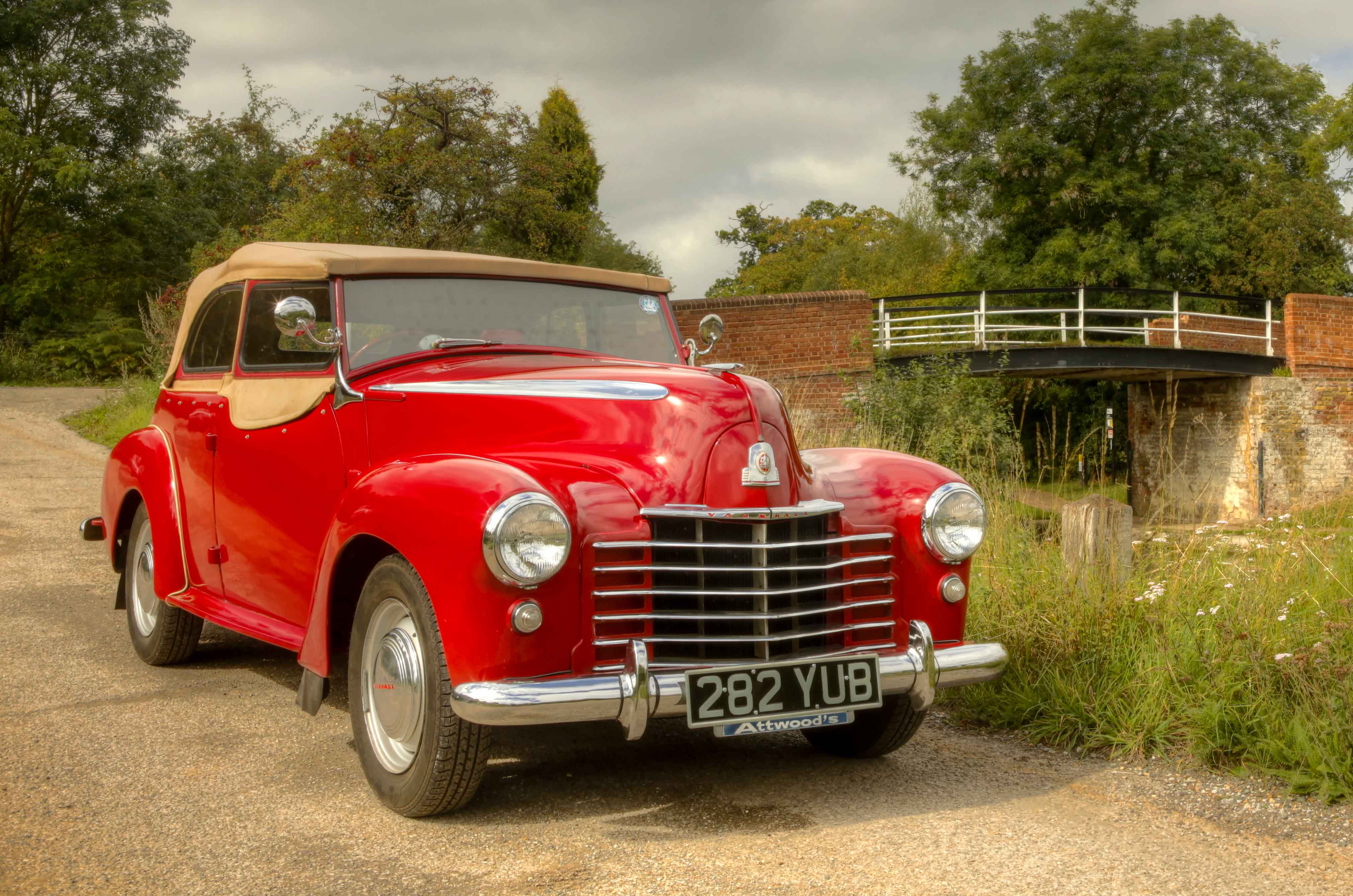
It was a neat way of killing two birds with one stone.
Australia had imposed stringent import duties on completed cars, both to raise revenue and to encourage local assembly.
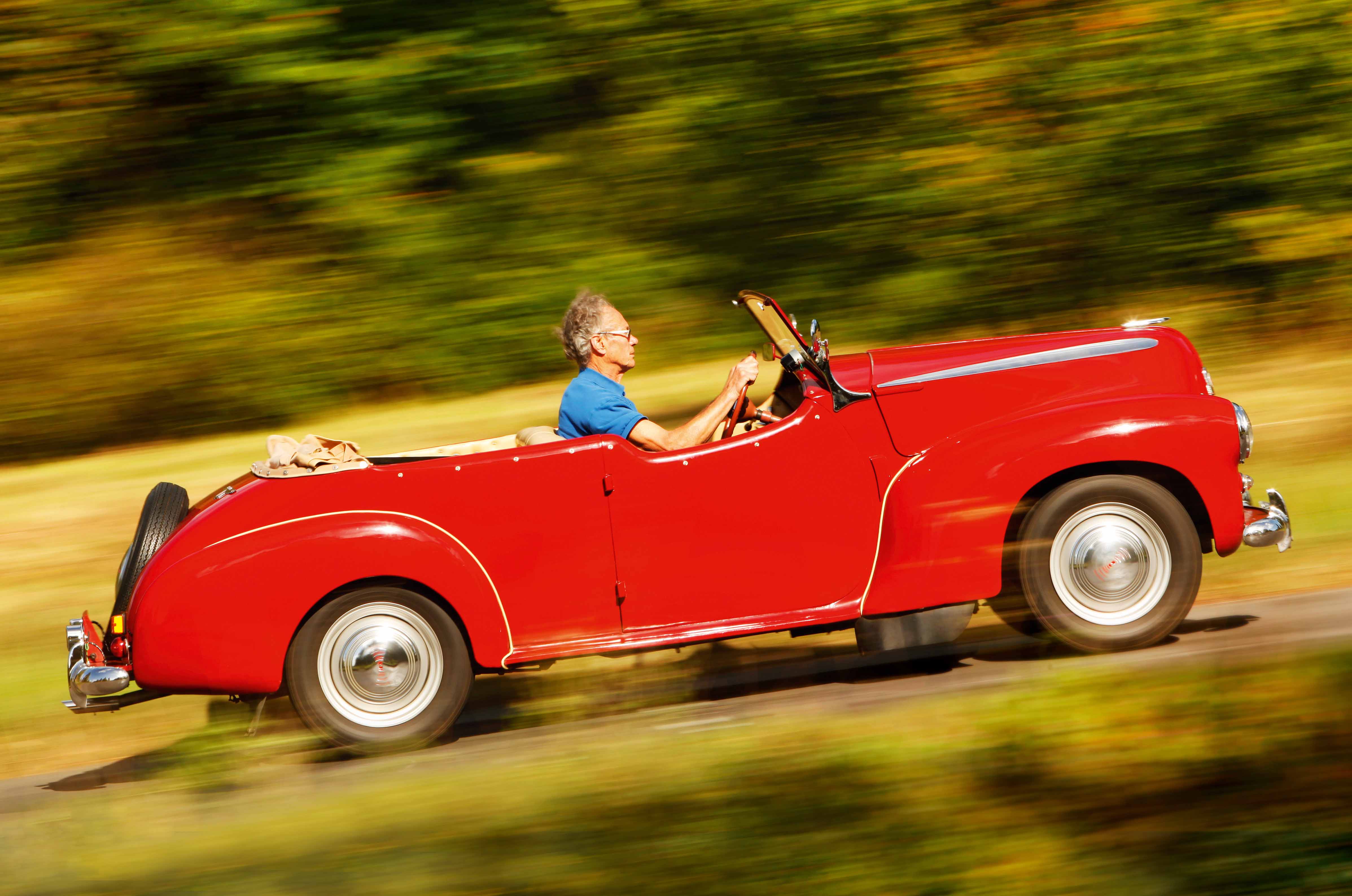
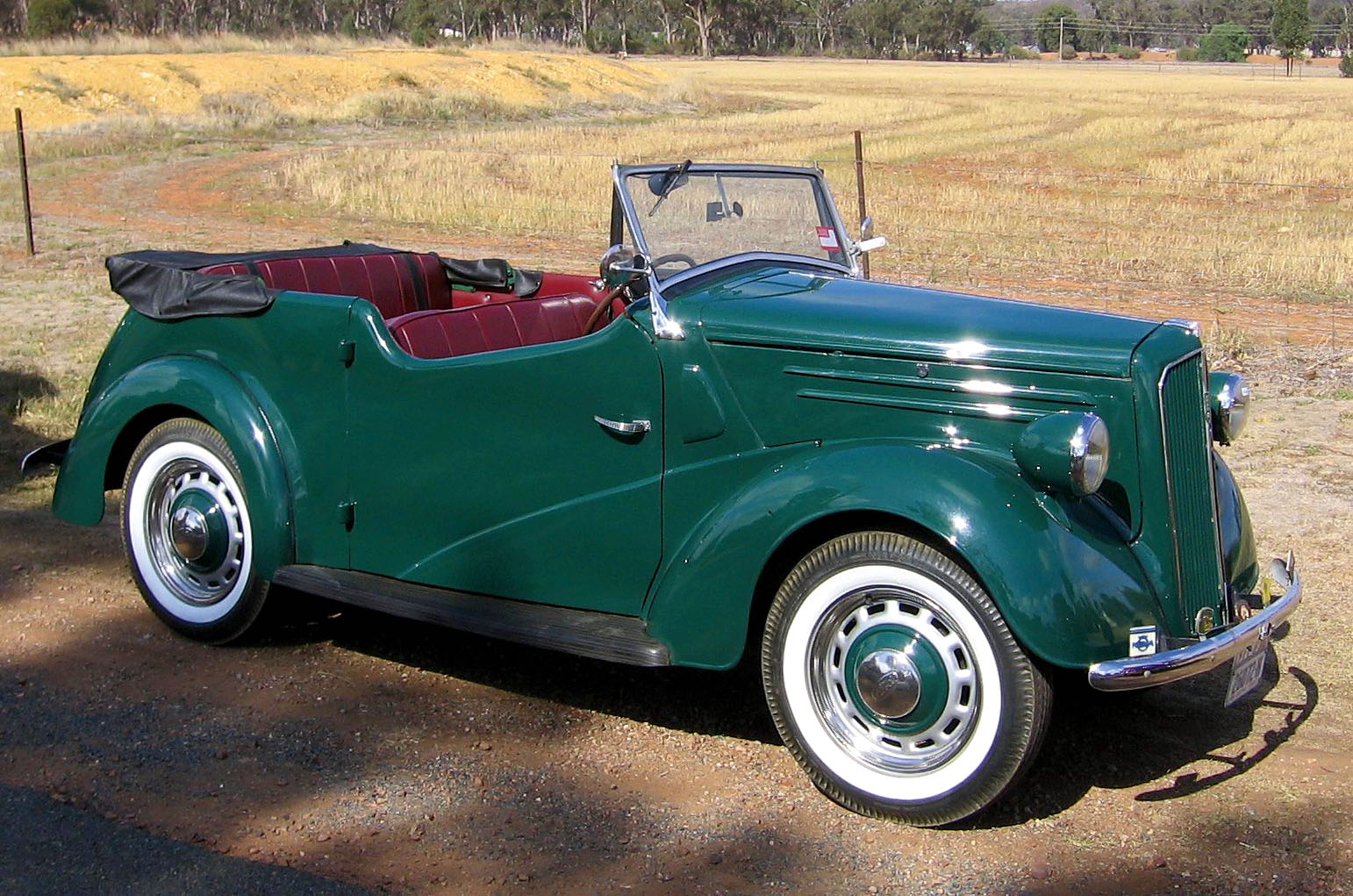
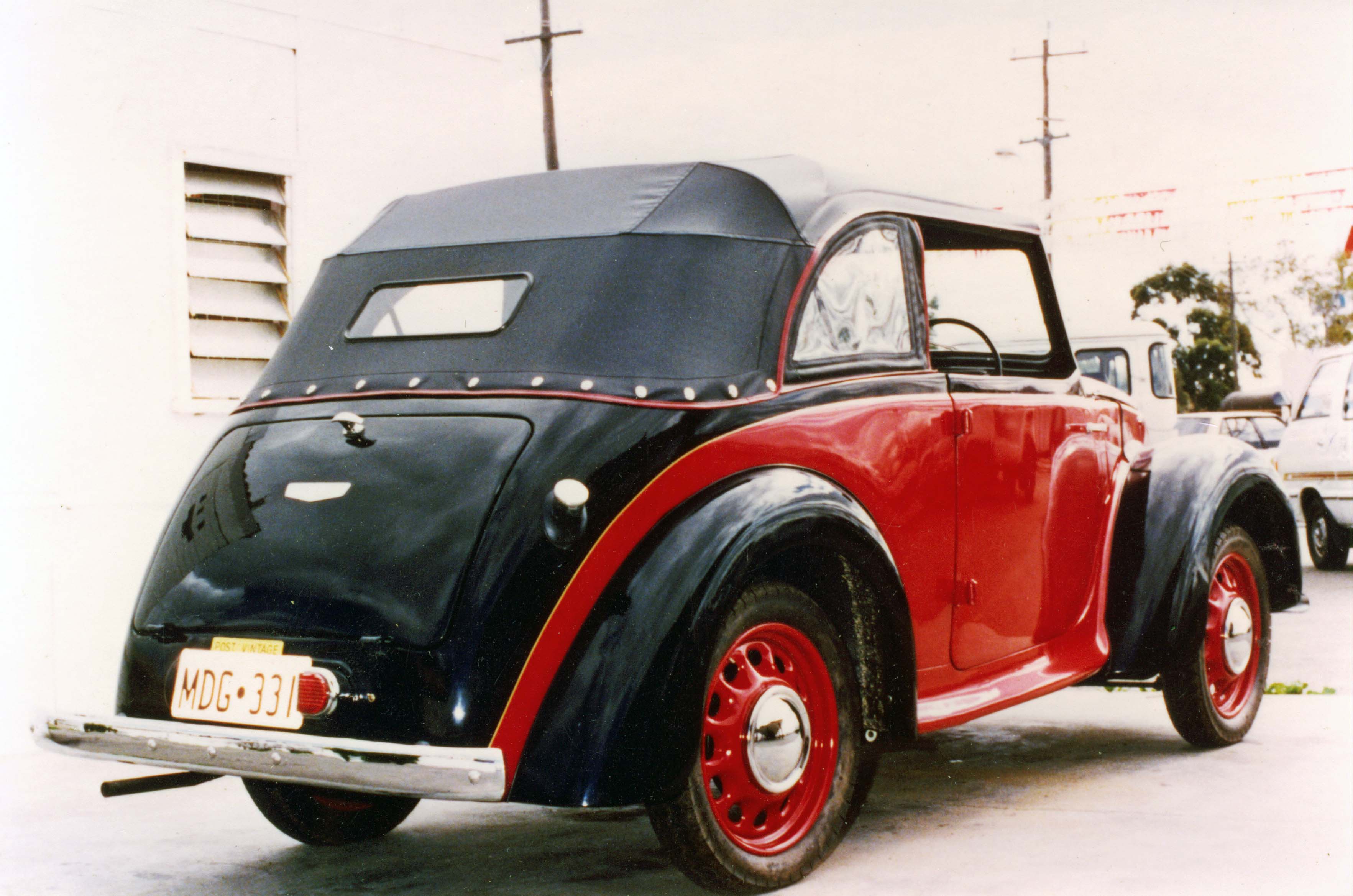
At the same time, there was a perceived need for open tourers for the Australian market – this handily being a body style that was cheaper and easier to make in low volumes, at one of the country’s often-small coachbuilding concerns.
More conveniently still, this allowed tourer versions of British cars to continue to be available on the other side of the world after such models had disappeared from the UK price lists in the early post-war years.
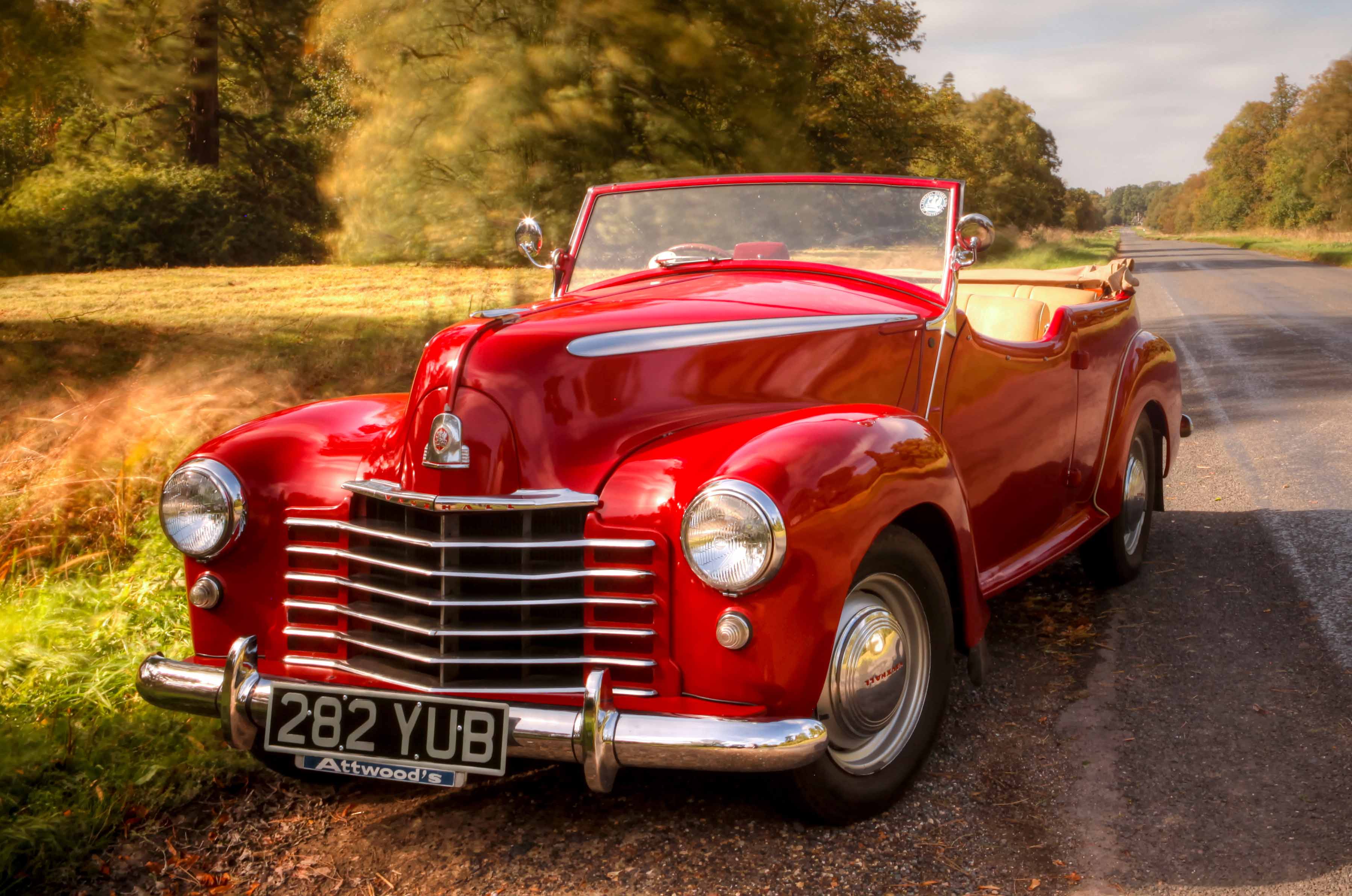
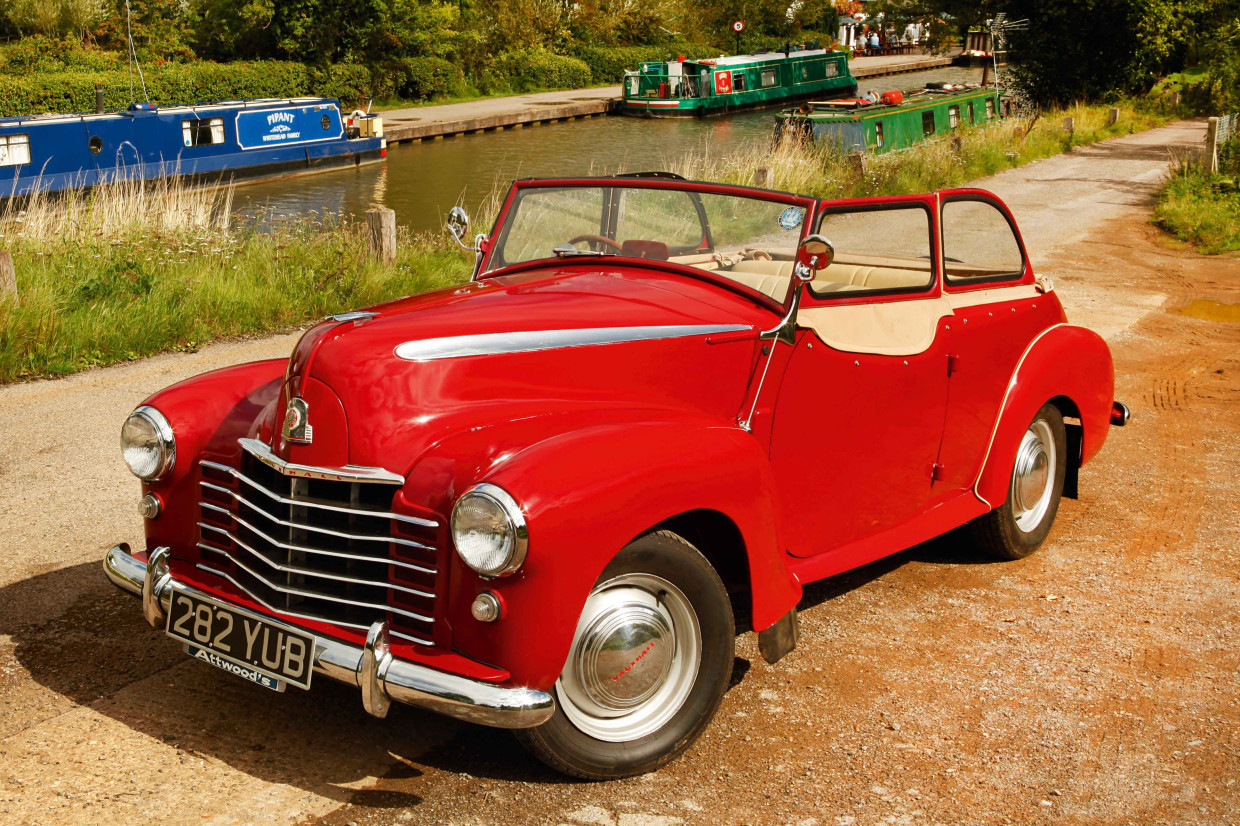
The result was a whole sub-species of Antipodean curiosity: a breed of unique-to-Australia open versions of popular British cars.
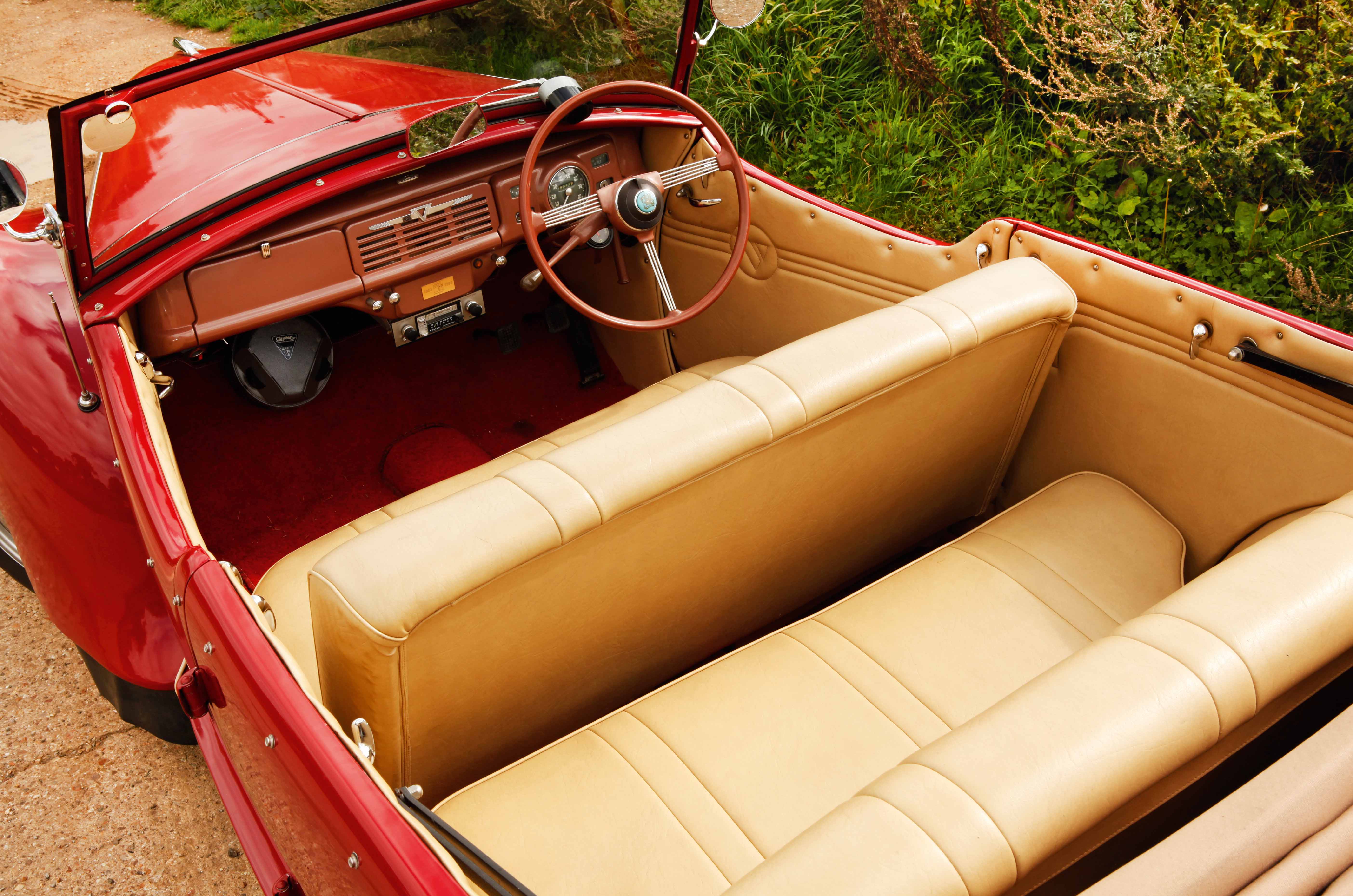
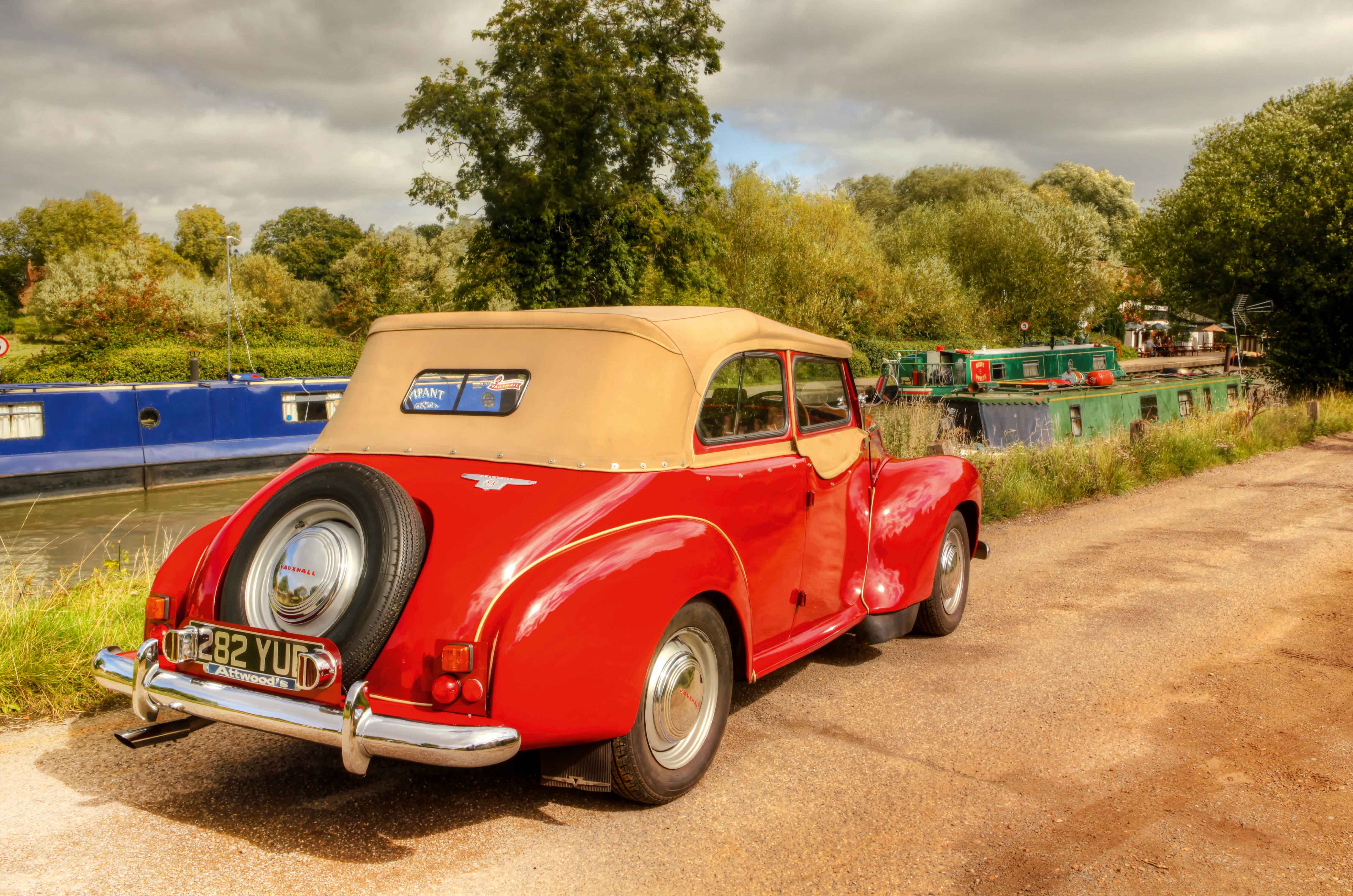
The Vauxhall Caleche’s rear bench has limited legroom
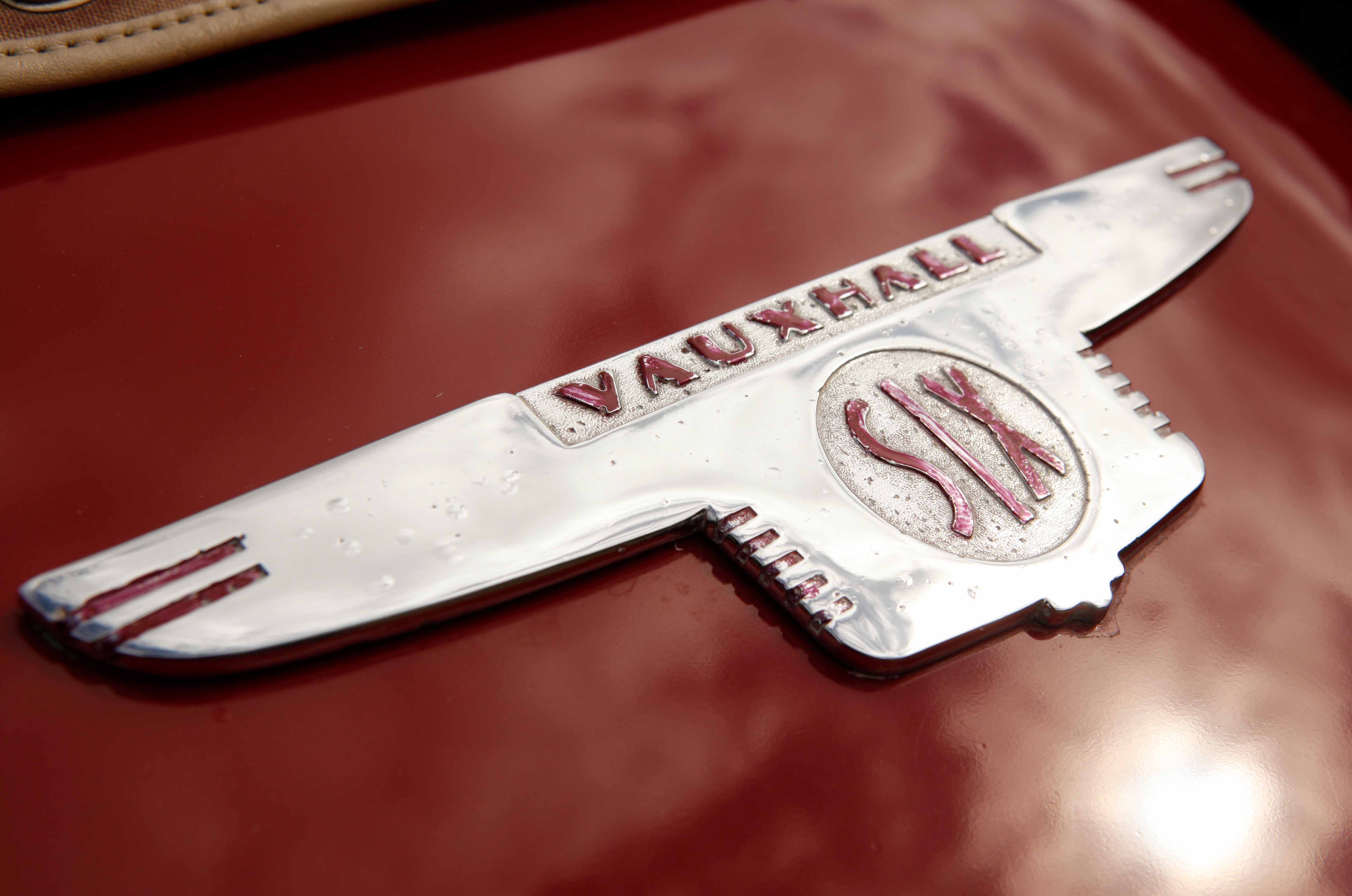
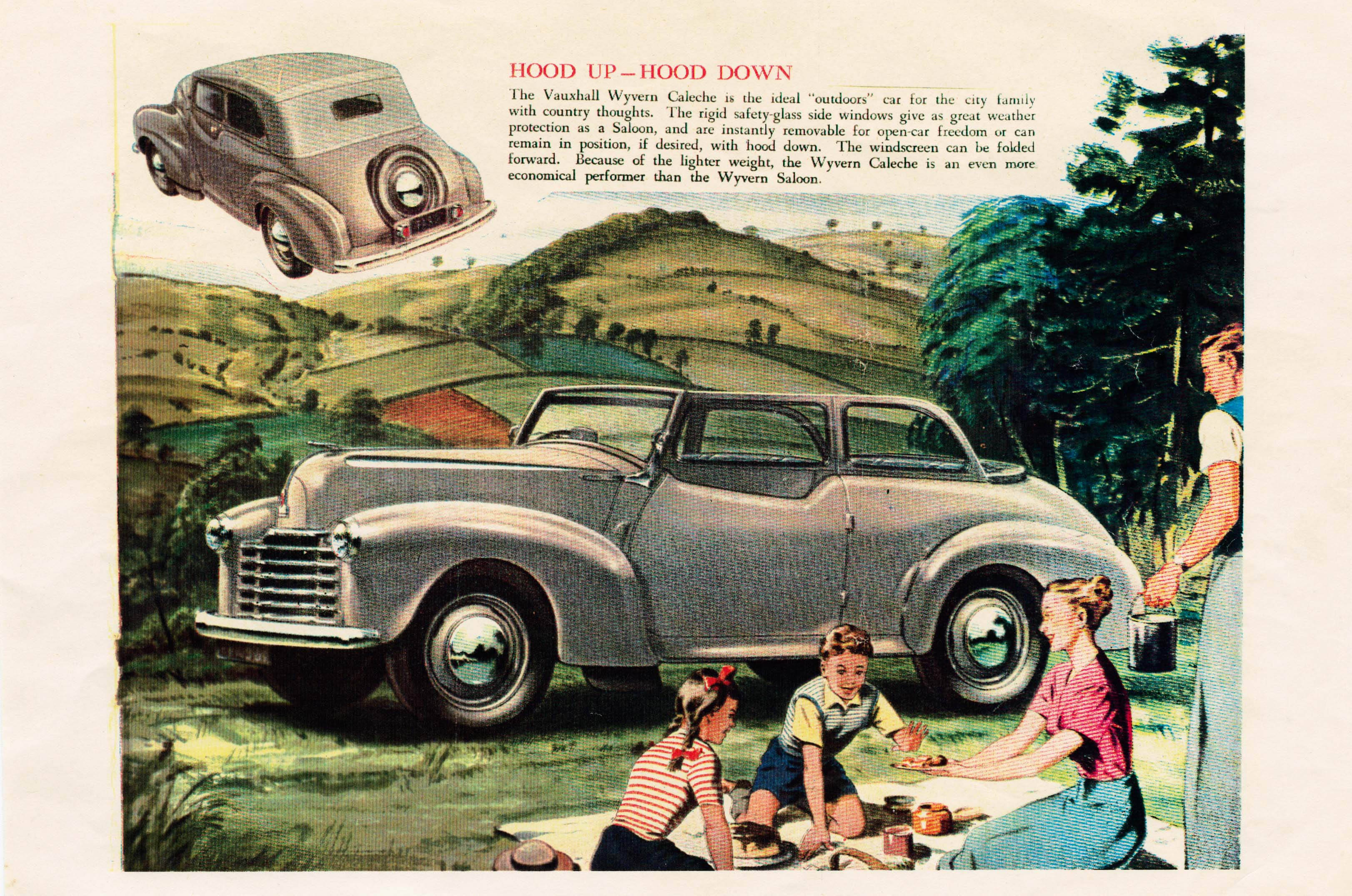
Vauxhall, strongly implanted in Australia – where it was the best-selling British marque in the 1930s and ’40s – was, as might be expected, a serious player in this market.
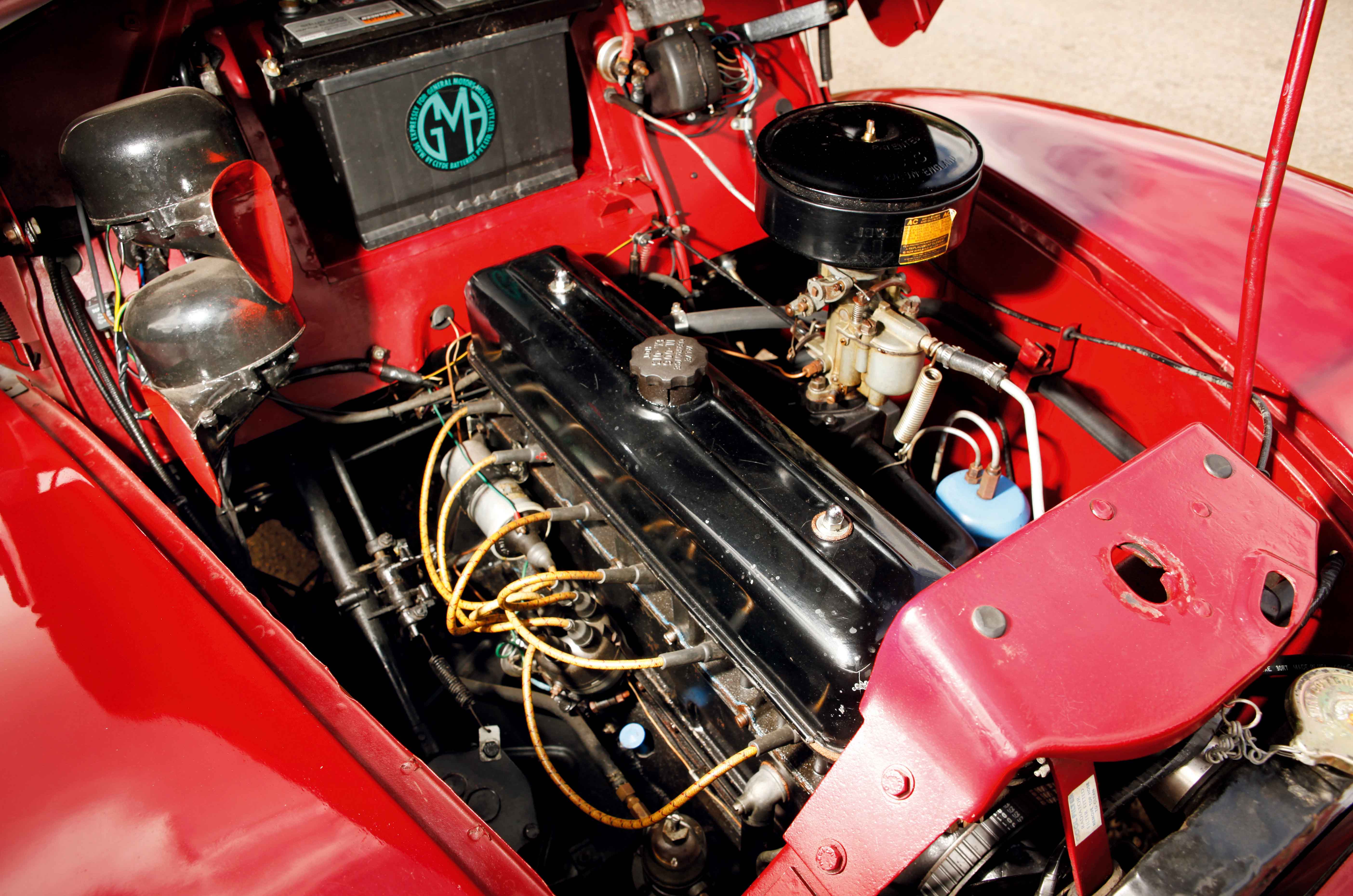
Part of the reason for Vauxhall’s dominance was that it could call upon fellow General Motors subsidiary Holden to body its cars.