Wolseley Hornet Specials: buzzing brilliance

| 25 Nov 2025
Classic & Sports Car – Wolseley Hornet Special: bodies of evidence
I took an interest in the Wolseley Hornet Special when I learnt that my father had acquired one as his first car, just after the Second World War.

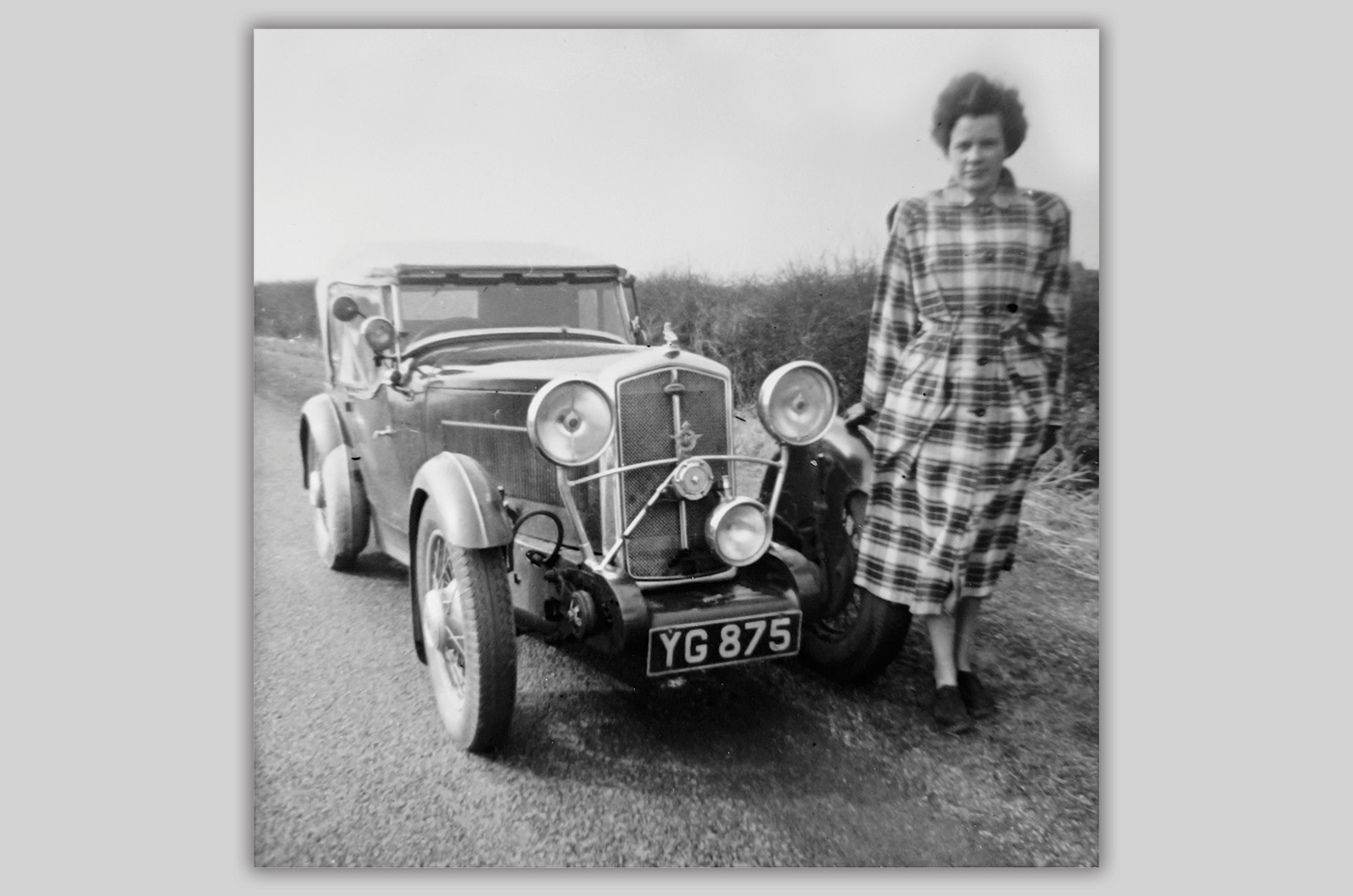
His Eustace Watkins-bodied two-seater was long gone by the time I appeared, but YG 875, he always affirmed, was the catalyst for a lifetime’s enthusiasm for cars, after an initial dalliance with ’bikes. 

Being an impecunious young engineer, my dad rebuilt the 1933 car himself and tweaked the Wolseley’s straight-six engine for optimum performance (and also to impress my mother, no doubt, whom he had just started to court).

Classic & Sports Car – Wolseley Hornet Special: bodies of evidence
Mrs Hucknall, clearly impressed by the Hornet Special’s home-tuned ‘six’

And that was the beauty of the Hornet Special: despite its rudimentary underpinnings, it was an inexpensive, tuneable pathway into sporting machinery.

That Wolseley only supplied it as a rolling chassis gave the Special an additional layer of glamour, with various coachbuilders providing a wide range of sporting and sometimes quite exotic-looking body styles. 

At the heart of the Hornet Special was Wolseley’s overhead-cam, overhead-valve engine.

Classic & Sports Car – Wolseley Hornet Special: bodies of evidence
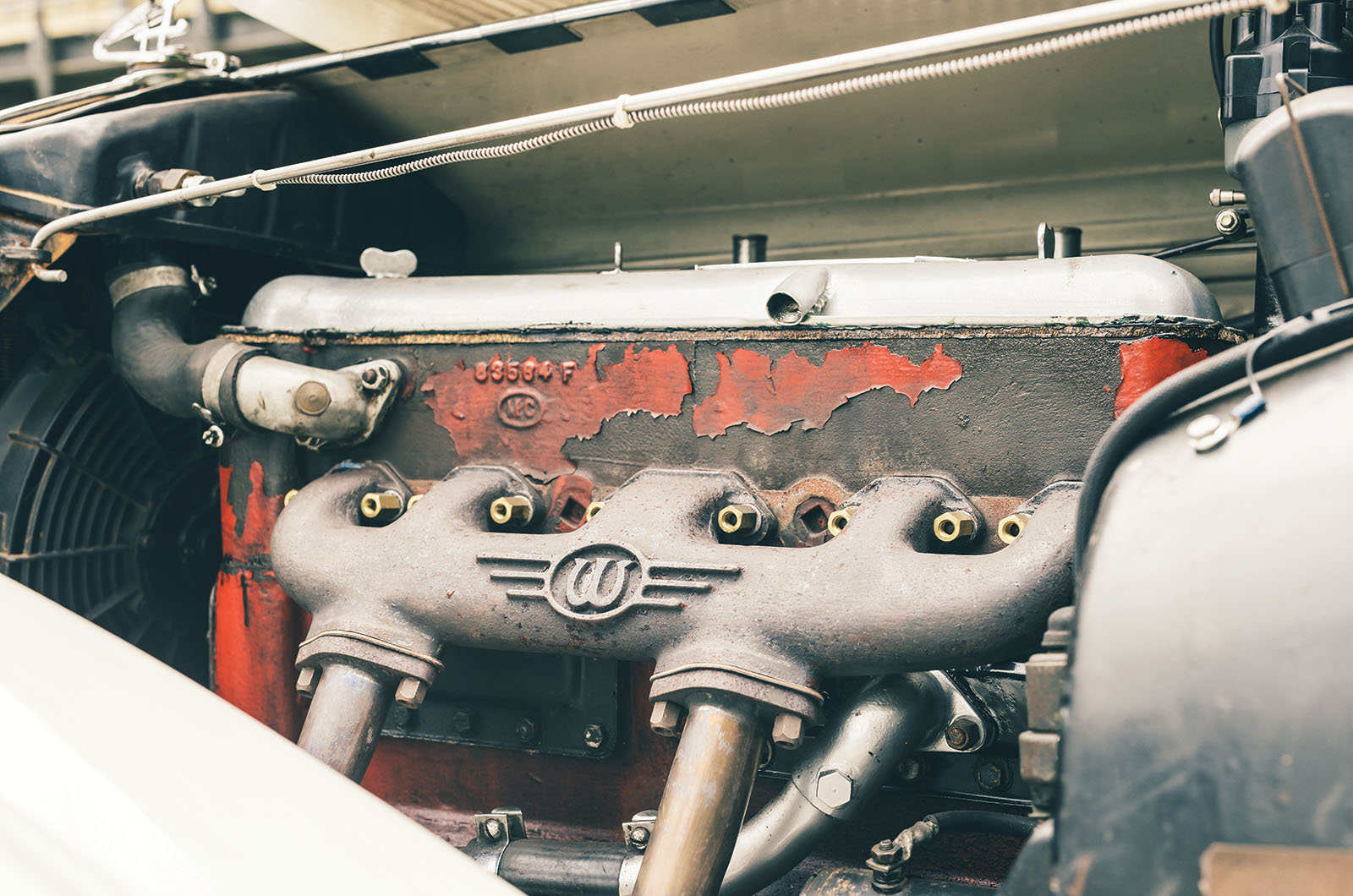
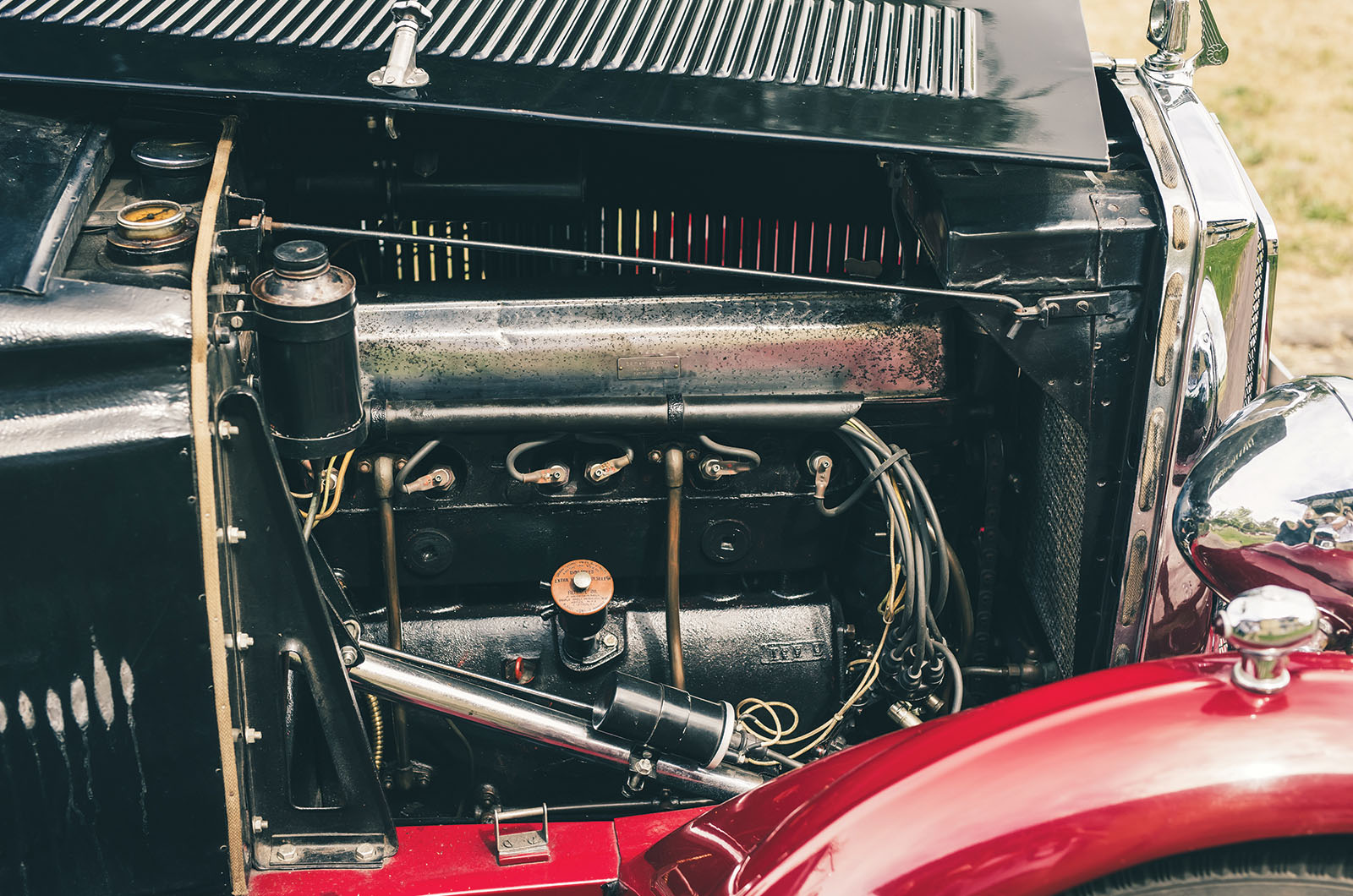
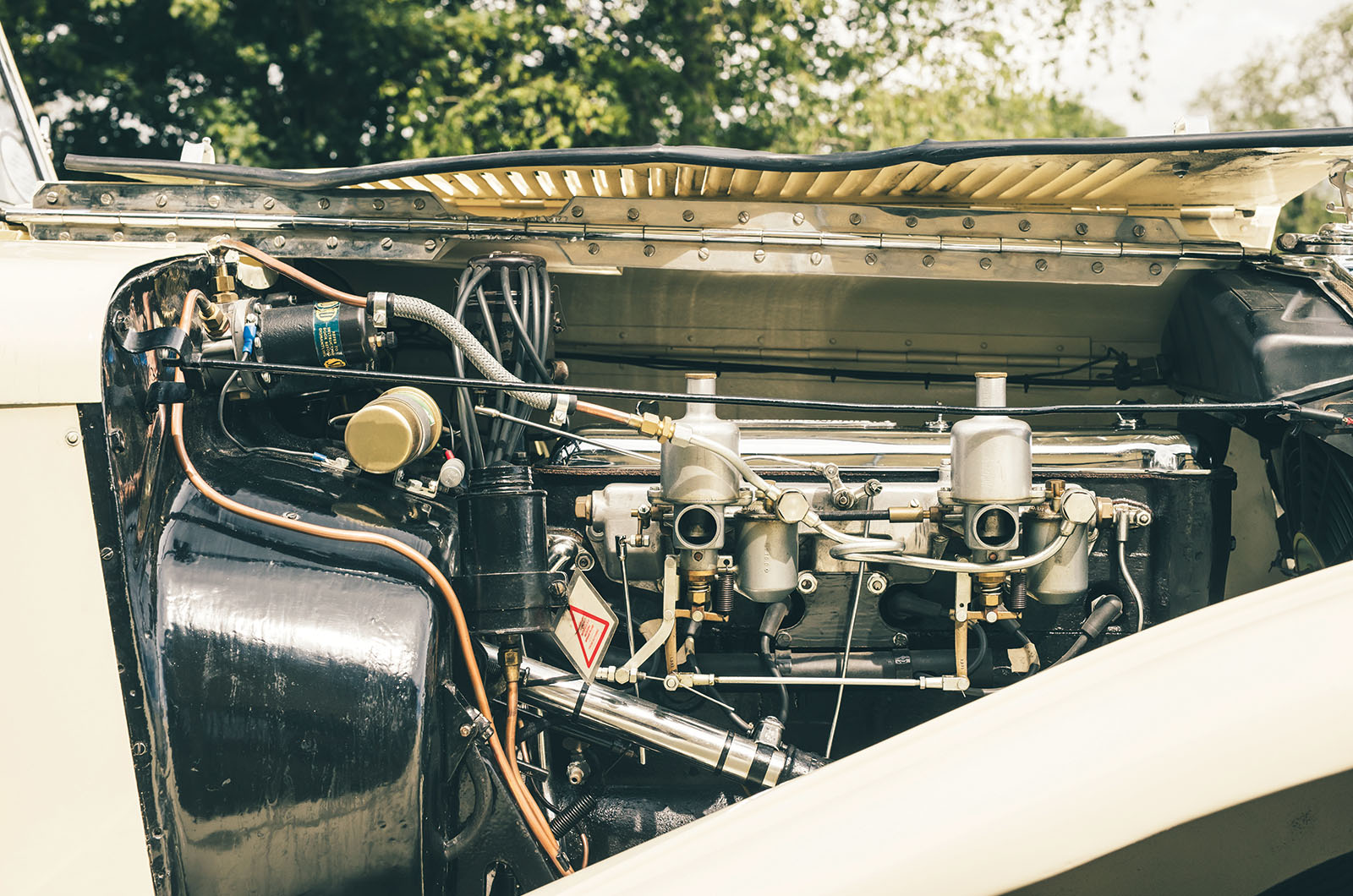
This 1933 Wolseley Hornet Special’s ‘six’ has a crossflow cylinder head and a stiffer block

The company had been evolving this relatively advanced configuration to power all of its models since the end of the Great War.

But in 1927, after William Morris purchased Wolseley from Vickers Limited, saving it from bankruptcy, a newly formed Wolseley Motors was tasked with applying the technology to a new engine for the Morris Minor.

The 848cc ‘four’ that emerged, with its bevel-gear-driven camshaft and single SU carburettor, went on to be used in not only the Minor, but also Wolseley’s own Ten and, the following year, in MG’s M-type.

However, the inherent dynamic balance of an in-line six-cylinder engine always trumped that of a ‘four’ for refinement and performance.

Classic & Sports Car – Wolseley Hornet Special: bodies of evidence
The Eustace Watkins International-bodied 1933 Wolseley Hornet Special leads ‘our’ Corsica example

Wolseley wanted a ‘six’ for its upcoming Hornet so, rather than starting from scratch, it simply added two cylinders to the unit it had just developed for the Minor.

The new six-cylinder engine – still with a single overhead cam and overhead valves – now displaced 1271cc with a bore and stroke of 57 x 83mm, and it had an RAC rating of 12hp.

It was an ideal powerplant for the Wolseley Hornet Six, which, based on an extended version of the Minor’s chassis, promised to be a class leader, with four-wheel hydraulic brakes and its small but high-tech six-cylinder.

It didn’t take long for both tuners and coachbuilders to realise the potential of the new model.

Classic & Sports Car – Wolseley Hornet Special: bodies of evidence
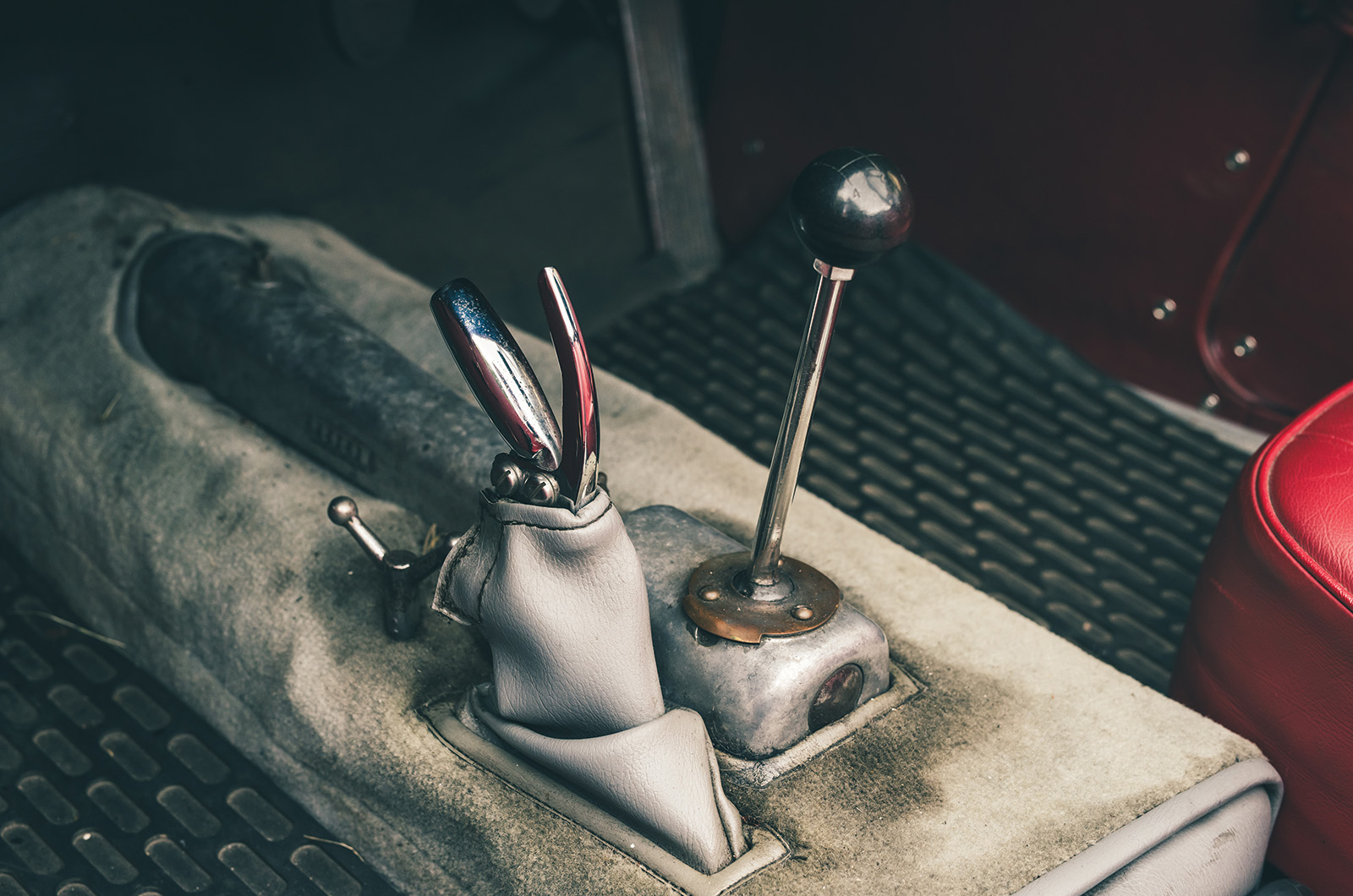
Later Wolseley Hornet Specials got a shorter gearshift

While the first pre-Special Hornets, launched in April 1930, were supplied with Wolseley’s own enclosed four-seater, two-door or open two-seater, two-door tourer bodies, companies such as VW Derrington and Michael McEvoy quickly developed improved camshaft designs, twin-carburettor conversions and even supercharger kits to boost power.

A remote-control mechanism was also engineered to replace the three-speed gearbox’s long, wand-like shift.

Then, it was Wolseley’s decision soon after the Hornet’s launch to make it available as a rolling chassis that attracted immense interest from Britain’s coachbuilding industry.

Various bodywork designs were marketed for the model, with London dealer Eustace Watkins commissioning one of the first, by Abbey Coachworks, with a distinctive, slatted radiator through which the driver could control levels of airflow.

Classic & Sports Car – Wolseley Hornet Special: bodies of evidence
The Hornet Sports predates the Special, but was also sold only as a chassis

All of which led to a realisation by Wolseley that, with minimal modification, it could offer an alternative, more sporting car but provide owners with carte blanche when it came to the bodywork.

In April 1932, two years after the introduction of the original Hornet, Wolseley presented the Hornet Special.

Only available as a rolling chassis, for the sum of £175, it standardised much of what the aftermarket had previously offered for Hornet owners, while also picking up on factory improvements from which the regular version was starting to benefit.

The Special’s hydraulic drums were uprated to 12in-diameter items, and the Hornet’s new ‘silent third’ four-speed gearbox was employed, although still without any synchromesh.

Classic & Sports Car – Wolseley Hornet Special: bodies of evidence
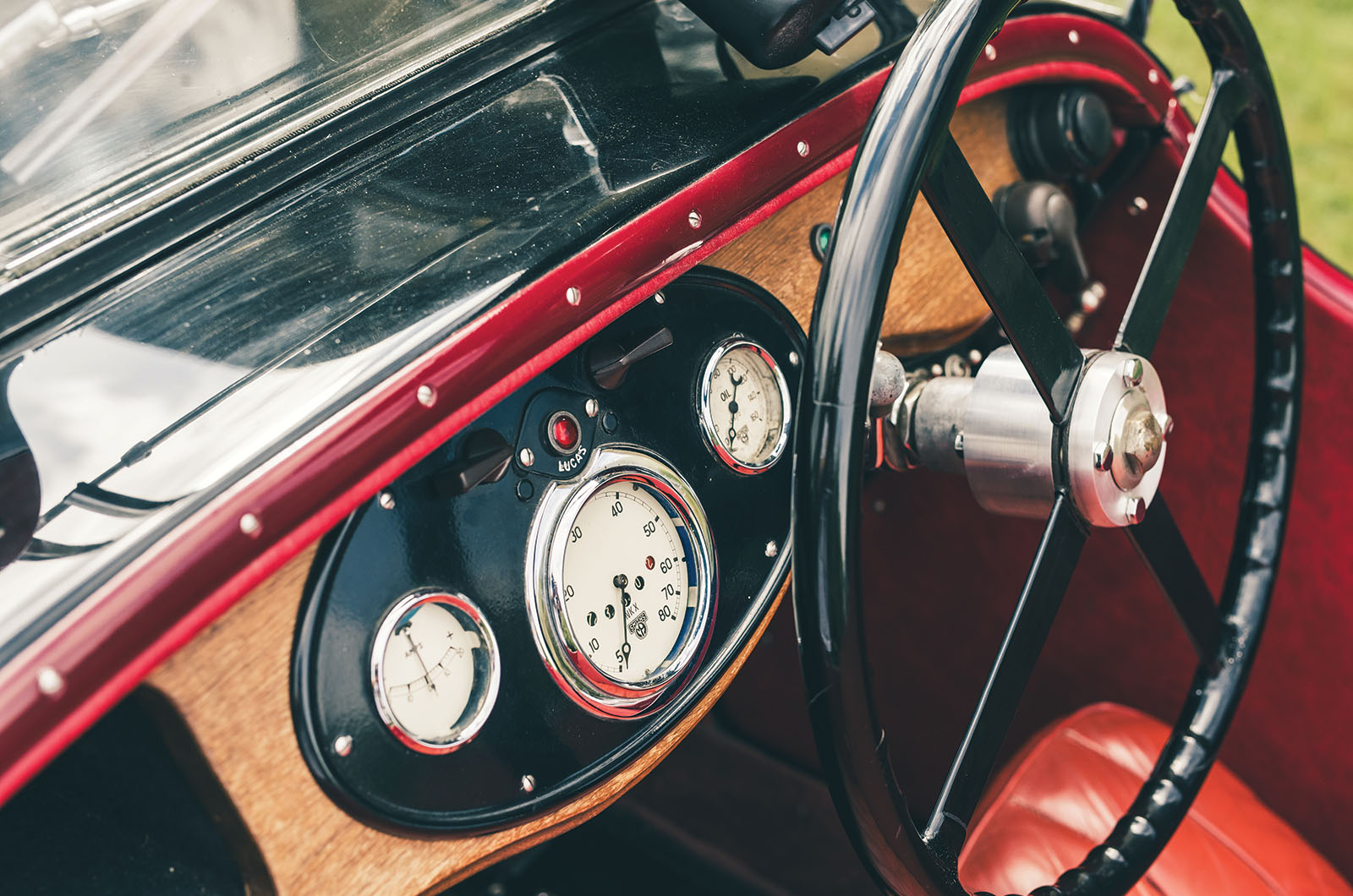
There’s no rev counter on the Wolseley Hornet Sport’s simple, elegant dashboard

The overhead-cam Wolseley straight-six, though retaining the same internal dimensions, was shortened slightly thanks to drive from the camshaft being via a chain rather than from a vertically mounted dynamo arrangement.

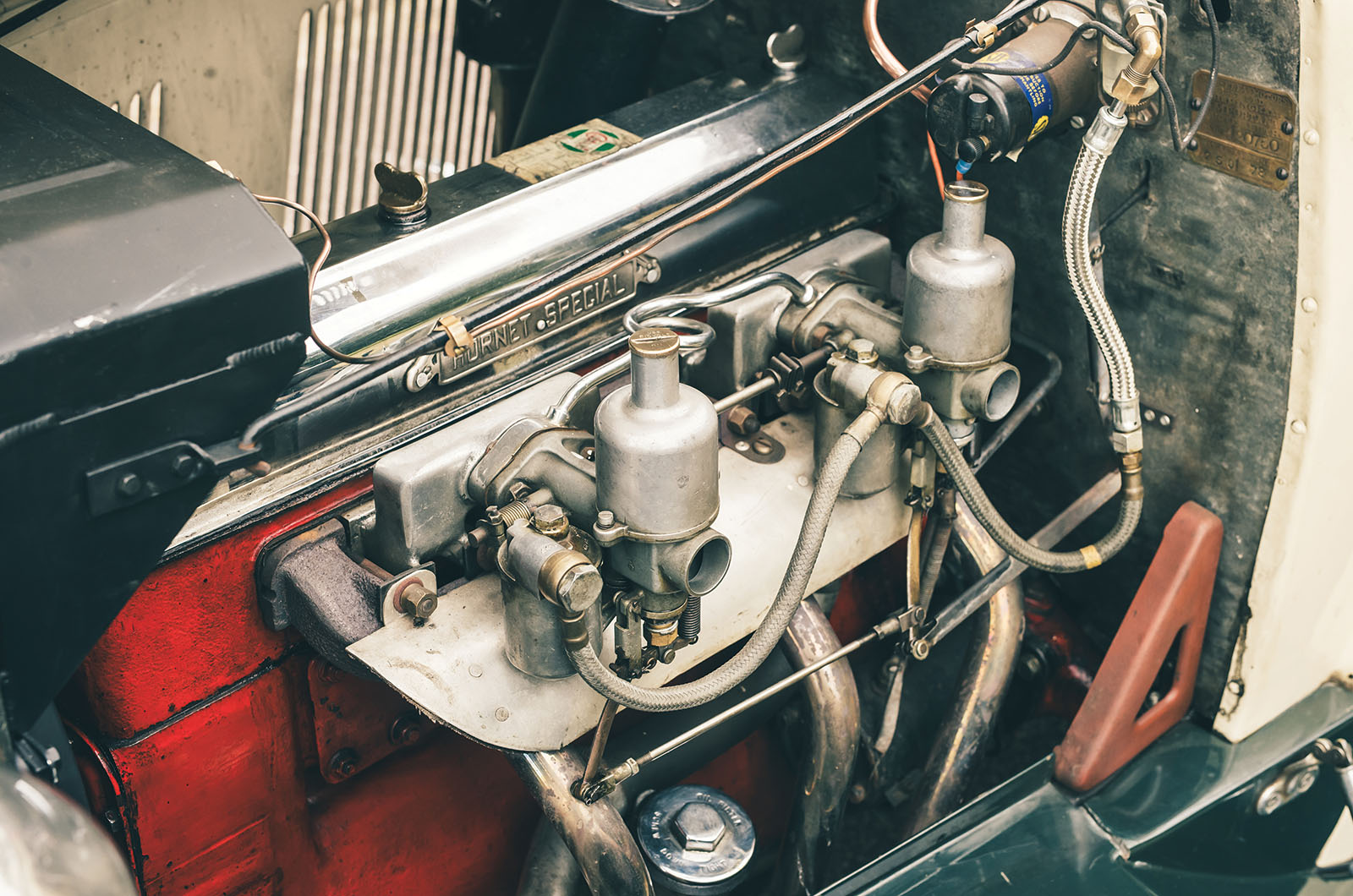
It also gained high-compression pistons, Duplex valve springs, an oil cooler and twin SU carburettors.

Externally, the Special was identifiable by a new radiator design, with a single chrome strip running through its centre, and larger, 10in-diameter headlights. A more prominent speedometer dominated the dashboard.

But, no matter how well-equipped the new Wolseley Hornet Special was, there remained fundamental elements in its specification and design that put it at a disadvantage when compared with certain rivals.

Classic & Sports Car – Wolseley Hornet Special: bodies of evidence
Wolseley’s standard-spec ‘six’ runs on a single SU carburettor

First, its engine capacity of 1271cc meant it fell well below the 1500cc class threshold for club racing, making it uncompetitive in the majority of events. (Although two Specials did gain early plaudits for winning the Brooklands Double Twelve Relay Race in 1932, at an average speed of 77.57mph, such successes were rare.) 

Then there was the design of the Special’s utterly conventional, semi-elliptically sprung chassis.

Derived from that of the unsporting Morris Minor, the pressed-steel frame with its channel-section sidemembers had minimal cross-bracing, and, compared with the well-regarded six-cylinder MG F-type that was also part of the extended Morris family, it struggled to compete dynamically.

Classic & Sports Car – Wolseley Hornet Special: bodies of evidence
This Swallow-bodied Wolseley Hornet Sports still wears its original paintwork

Even though both cars shared what was in effect the same engine, the Special’s upgraded, chain-driven camshaft still lacked the ultimate sophistication of the F-type’s shaft drive.

However, as we’ll soon discover, Wolseley was not averse to adopting technologies already tried and tested by MG.

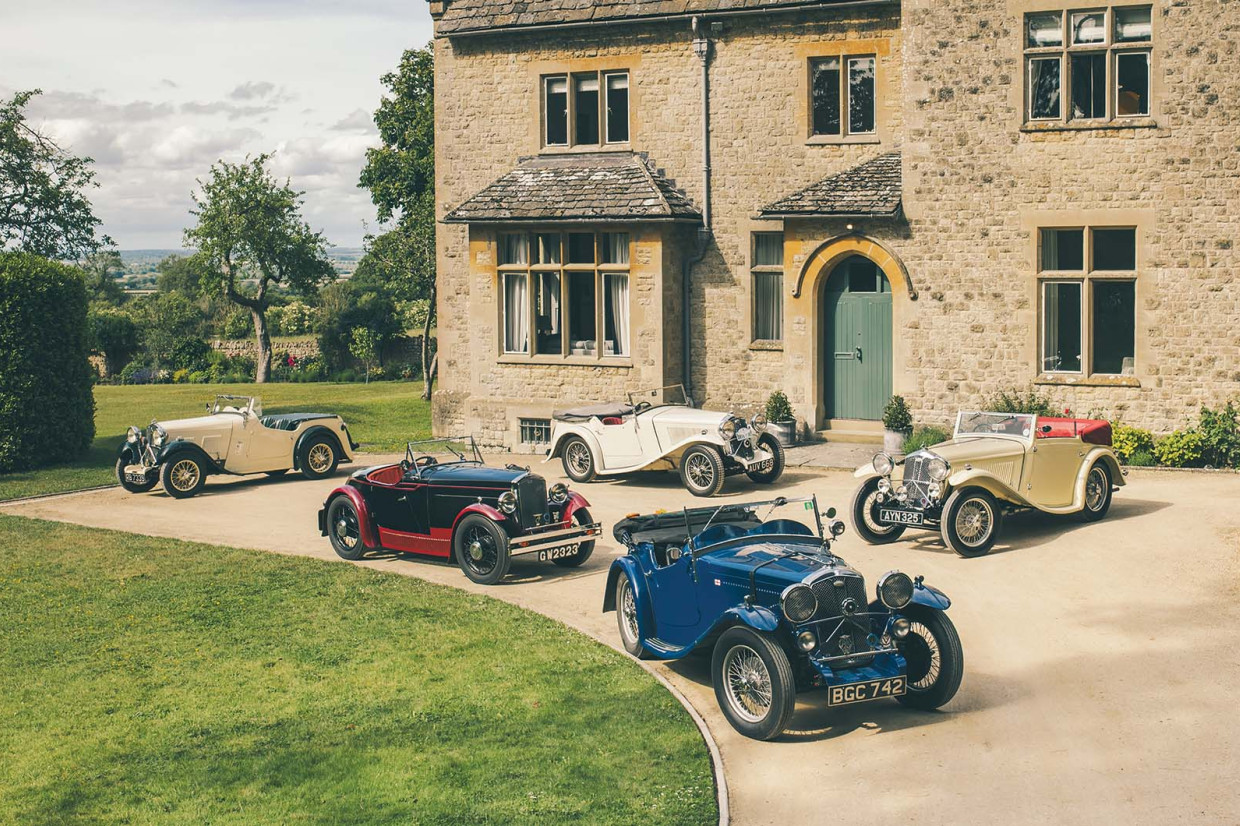
To track some of the Wolseley Hornet Special’s evolution during its short, three-year life, we’ve brought together five examples of the model, each of which wears contrasting coachwork to illustrate the wide choice of body styles available to owners. 

Classic & Sports Car – Wolseley Hornet Special: bodies of evidence
‘Coachlines accentuate the flowing lines to the Wolseley’s torpedo-shaped rear’

Our first, the earliest car here, is technically a Hornet Sports, since it uses a pre-Special chassis and drivetrain, but one that still left Wolseley’s Birmingham factory sans bodywork. 

It is significant because Wolseley may have never taken the plunge with the Special were it not for these early coachbuilt cars.

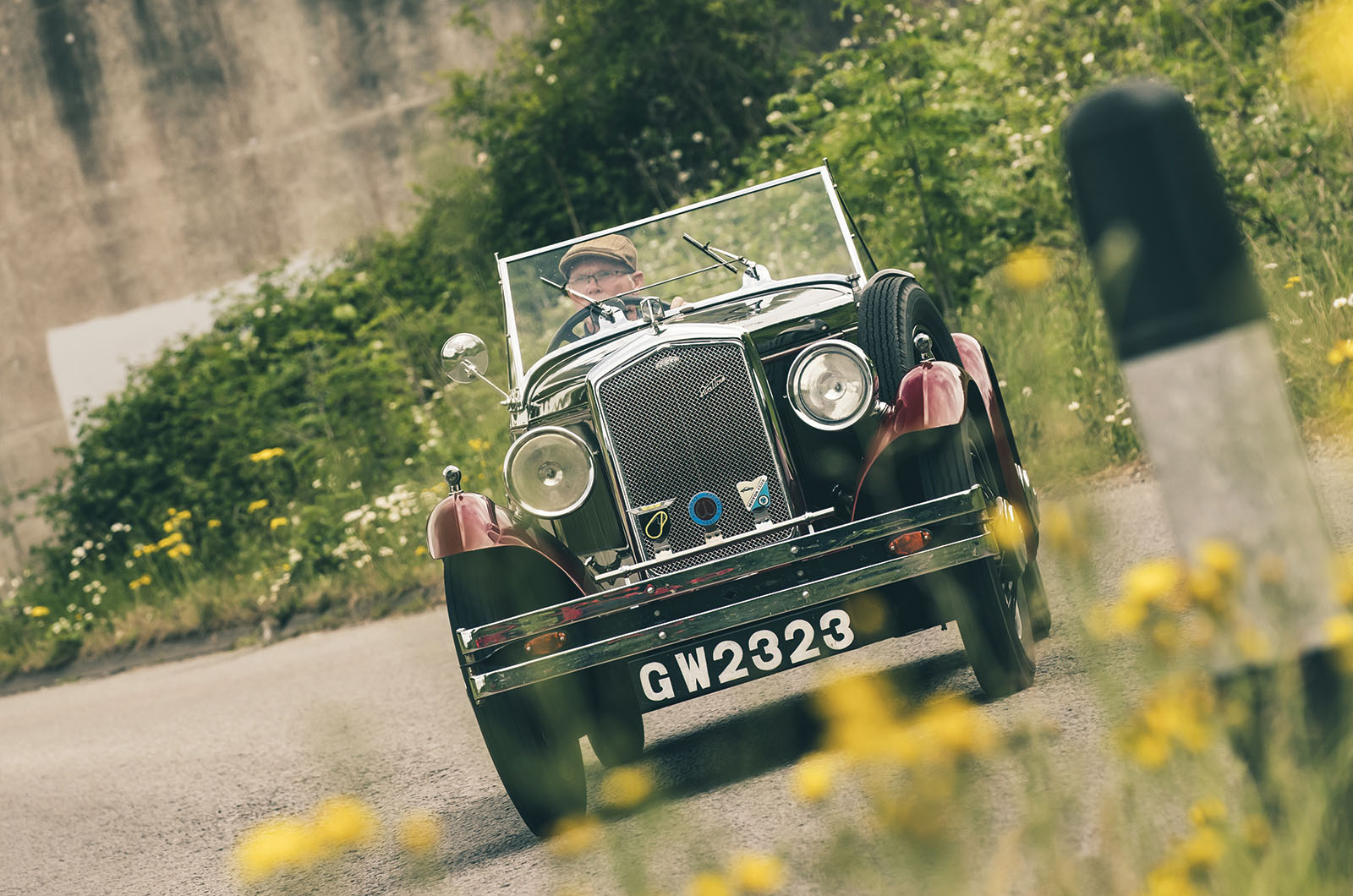
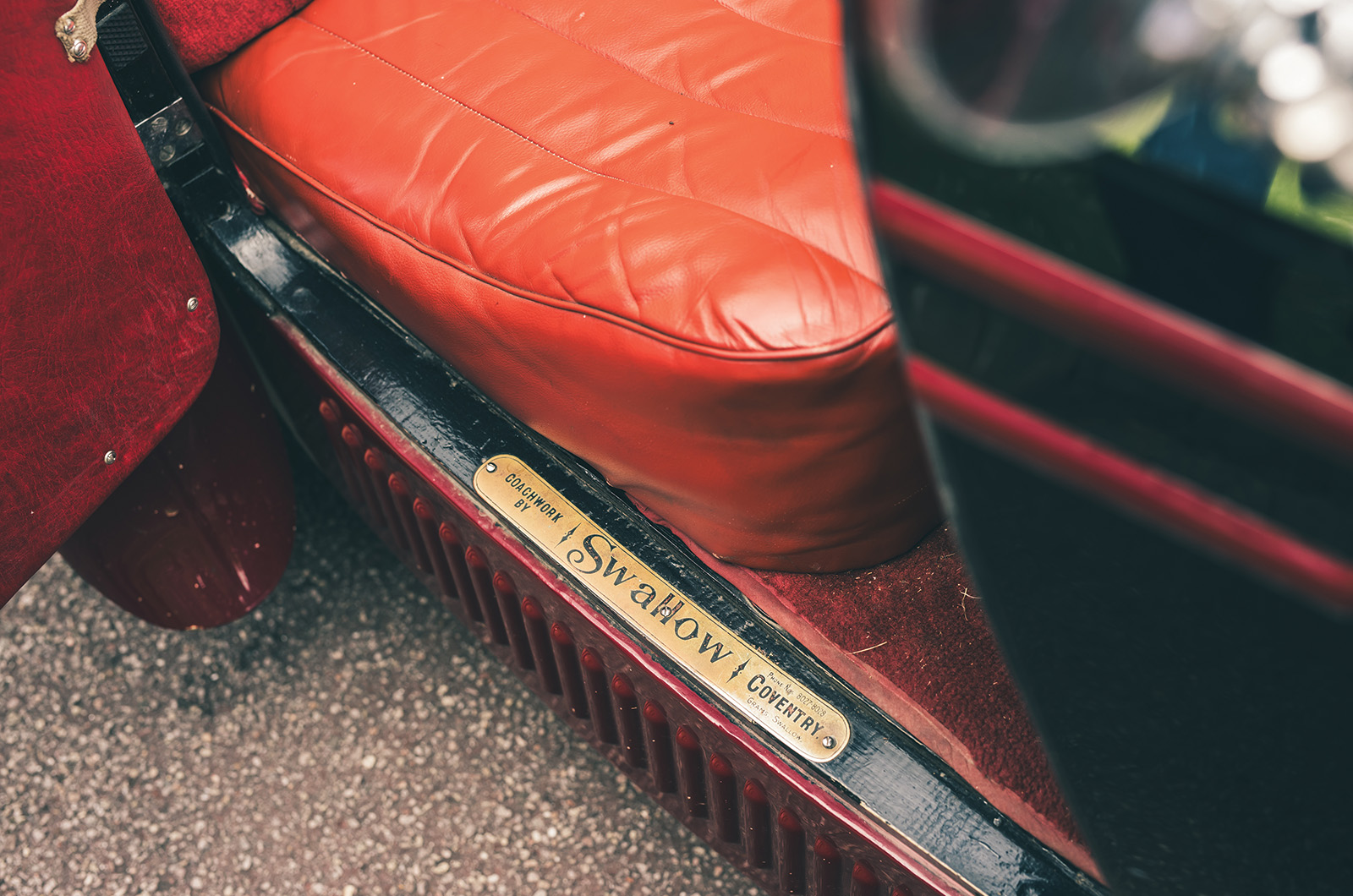
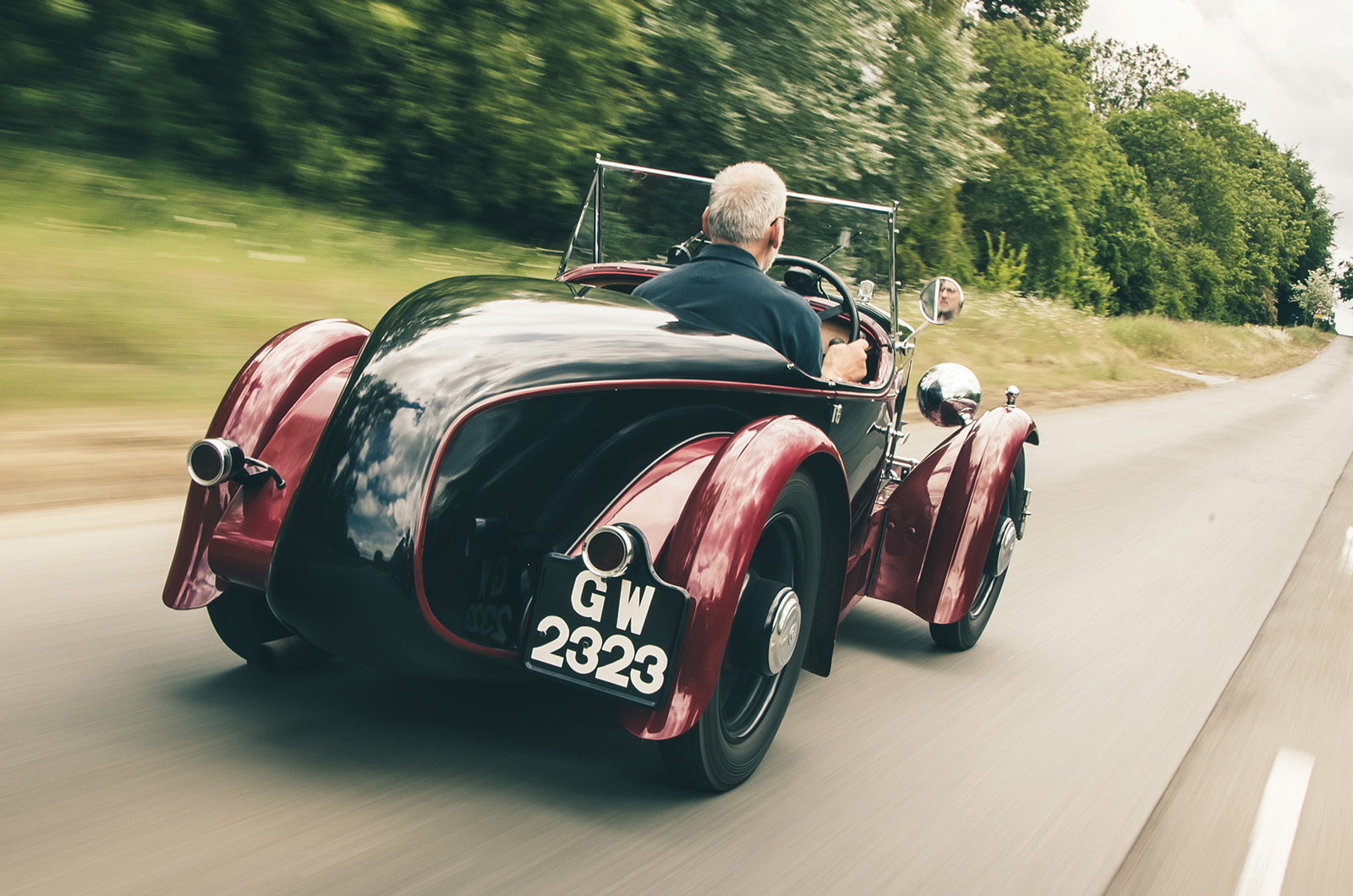
Jon How has owned this 1932 example for four years, but incredibly GW 2323 had just two owners prior to him in the previous 80 years.

While the car’s GW suffix suggests registration in south-east London, early entries in its buff logbook indicate that its pre-war years were spent in Lincolnshire.

Classic & Sports Car – Wolseley Hornet Special: bodies of evidence
The Wolseley Hornet Sports has low-geared steering

The Swallow body, still with its original black-over-red paintwork, is exquisite, despite its diminutive proportions: coachlines accentuate the flowing lines to the torpedo-shaped rear, while what appear to be cycle wings at first glance are actually fixed arches integrated neatly with the body.

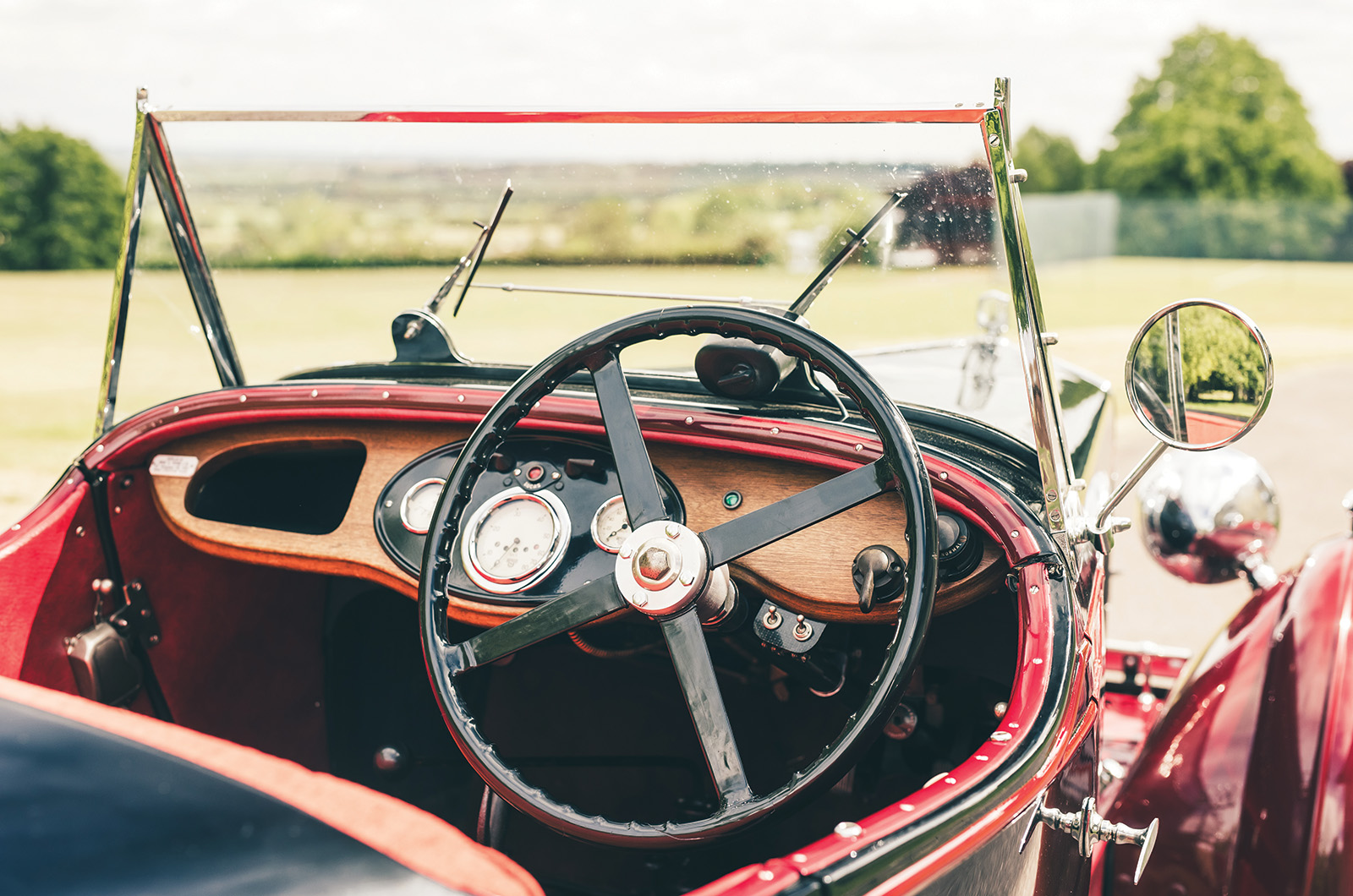
Smaller headlights and the lack of a chrome radiator embellisher marks GW 2323 out as a pre-Special Hornet, reinforced inside by the absence of a rev counter, a smaller speedo and the wand-like lever sprouting directly from a three- rather than four-speed gearbox.

To drive, it is markedly slower than the Specials, retaining the Hornet’s standard-spec motor with a milder cam and single SU carburettor.

Classic & Sports Car – Wolseley Hornet Special: bodies of evidence

This Wolseley Hornet Sports was supplied new in 1932

Its wayward gearshift takes some familiarisation, and the steering feels lower-geared compared with the other cars here.

But it happily cruises at 45-50mph (Jon says it’ll crack 60mph if pushed), although the glorious report from its exhaust would have you believe it’s travelling far faster.

Our first drive in the earliest Special with us – a ’32 Patrick Motors-bodied car – predictably provides the greatest contrast when it comes to driving characteristics.

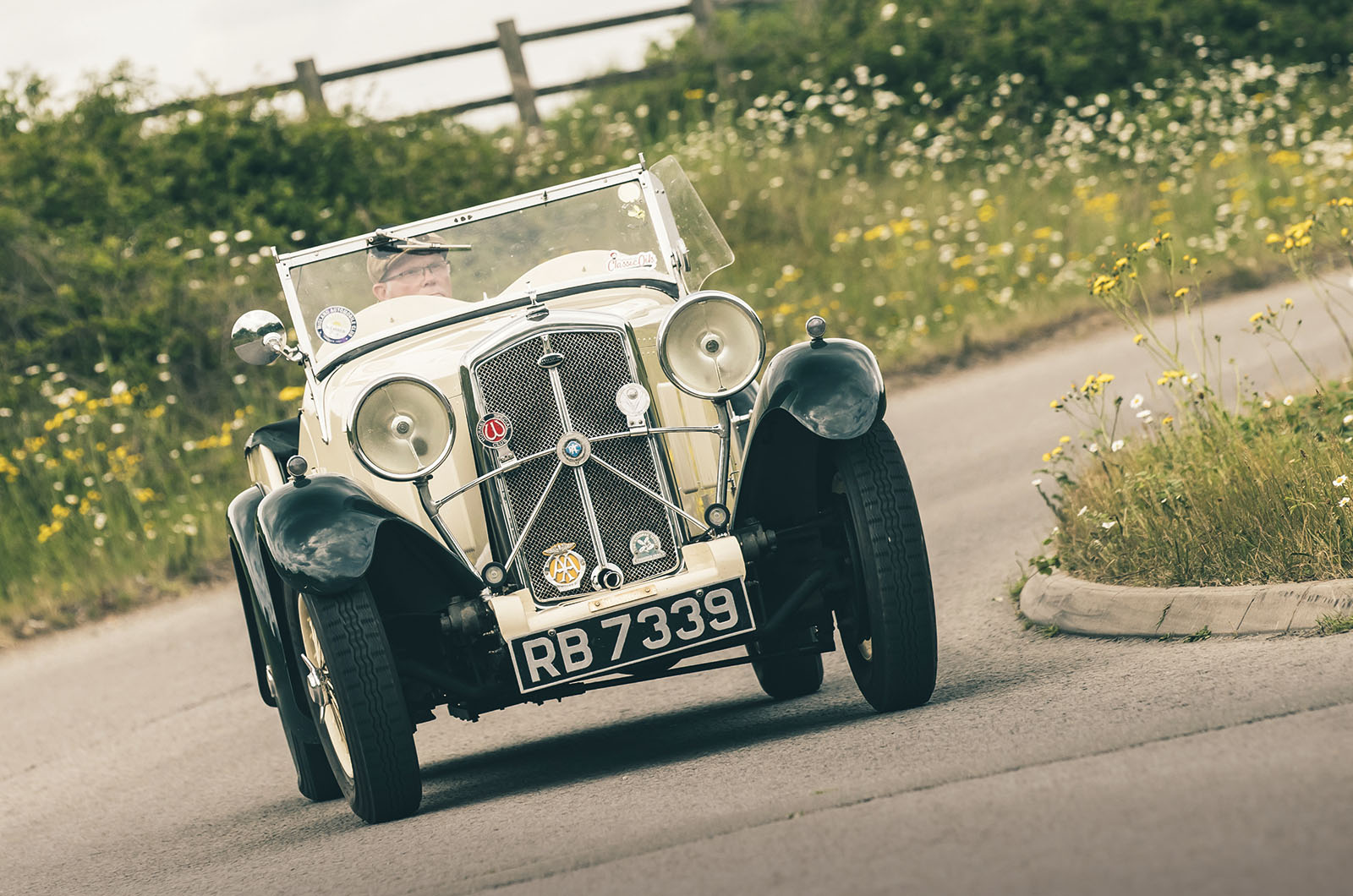
Owned by Barry and Barbara Ashton, RB 7339 was purchased by Barry 51 years ago from a 1974 Motor Sport advert.

Classic & Sports Car – Wolseley Hornet Special: bodies of evidence

The early Wolseley Hornet Special’s steering feels remote

The Special had previously been owned by a student who had blown the engine and left it with a garage to be repaired, but never returned to collect it, leaving the garage no choice but to sell it on.

Barry rebuilt this early Special – identifiable by its upright radiator – himself, and admits that “it’s a user, not a polisher”.

That said, it remains smart and crisp-looking with its cream-over-green coachwork. 

This Hornet’s Patrick Motor Group-supplied Pendine body, Barry tells us, would have originally featured cycle wings, although his car now has coupé-style items.

Classic & Sports Car – Wolseley Hornet Special: bodies of evidence

Twin carburettors for the Patrick Motors-bodied Wolseley Hornet Special’s potent ‘six’

It also transpires that Joe Patrick employed the Jensen brothers, who later claimed credit for this design, as well as for a fixed-head-coupé Special that they produced in their own right.

Interestingly, this car retains its original Michelin Bibendum spoked wheels, the design of which was unique in preventing the tyre detachment that was commonplace with beaded-edge rims.

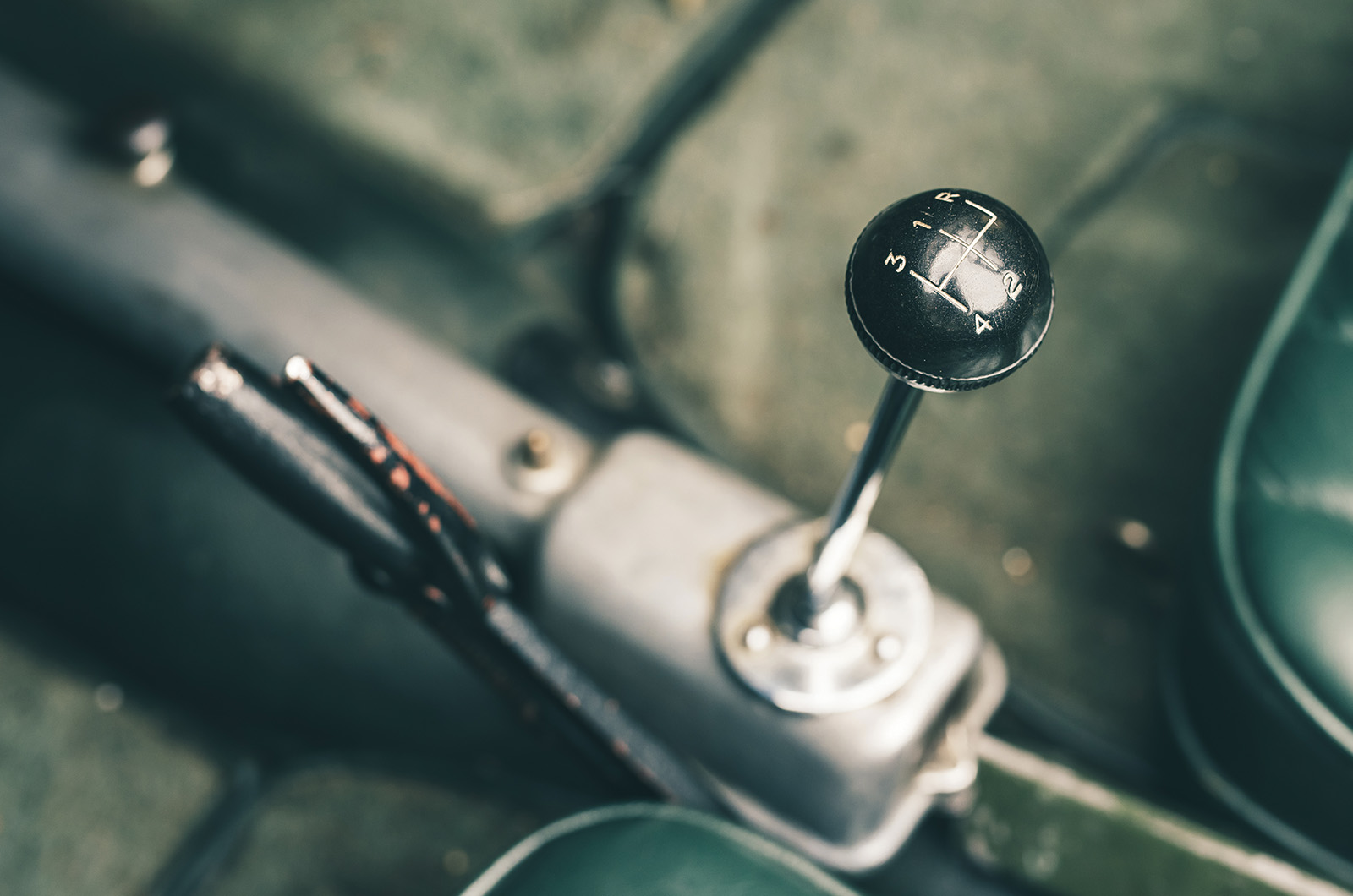
The first thing you notice on entering RB 7339’s two-seater cabin is the stubby, four-slot gearlever positioned closer to your left hand, thanks to its remote mechanism.

Classic & Sports Car – Wolseley Hornet Special: bodies of evidence

The gearlever for the Wolseley Hornet Special’s four-speed gearbox is an easy reach

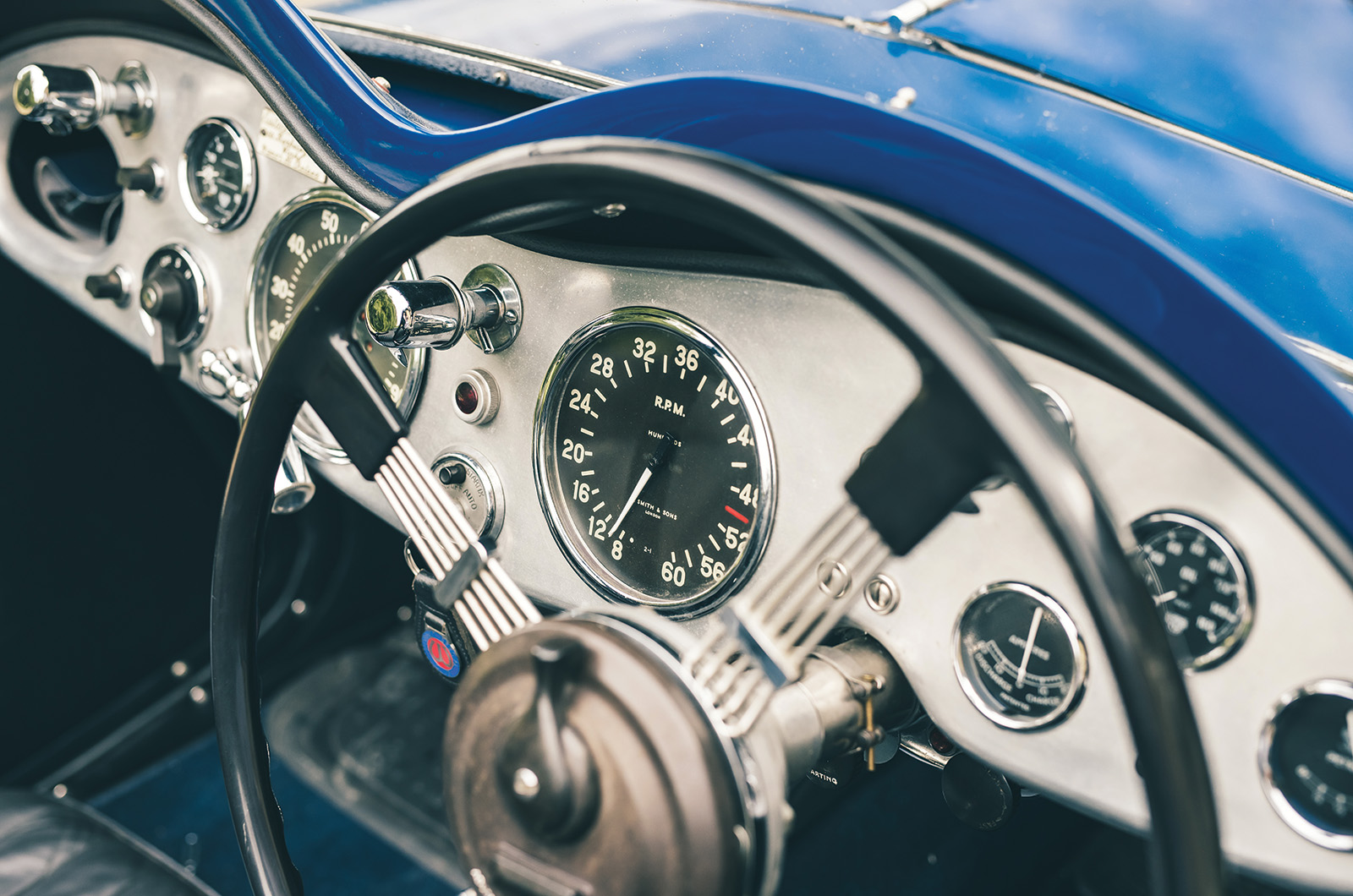
You sit before a high scuttle, framed by the twin curves of the attractive wooden dash, this time inset with a large rev counter (to 6000rpm) and a 100mph speedo on the passenger side.

The sprung, four-spoke steering wheel provides a higher-geared, more direct approach to bends, and the engine feels less restricted and more potent, as you would expect with its upgraded spec.

The H-pattern gearbox is reversed compared with a modern manual, with first and second closest to you, and the shift itself is short, narrow-gated and precise.

Classic & Sports Car – Wolseley Hornet Special: bodies of evidence

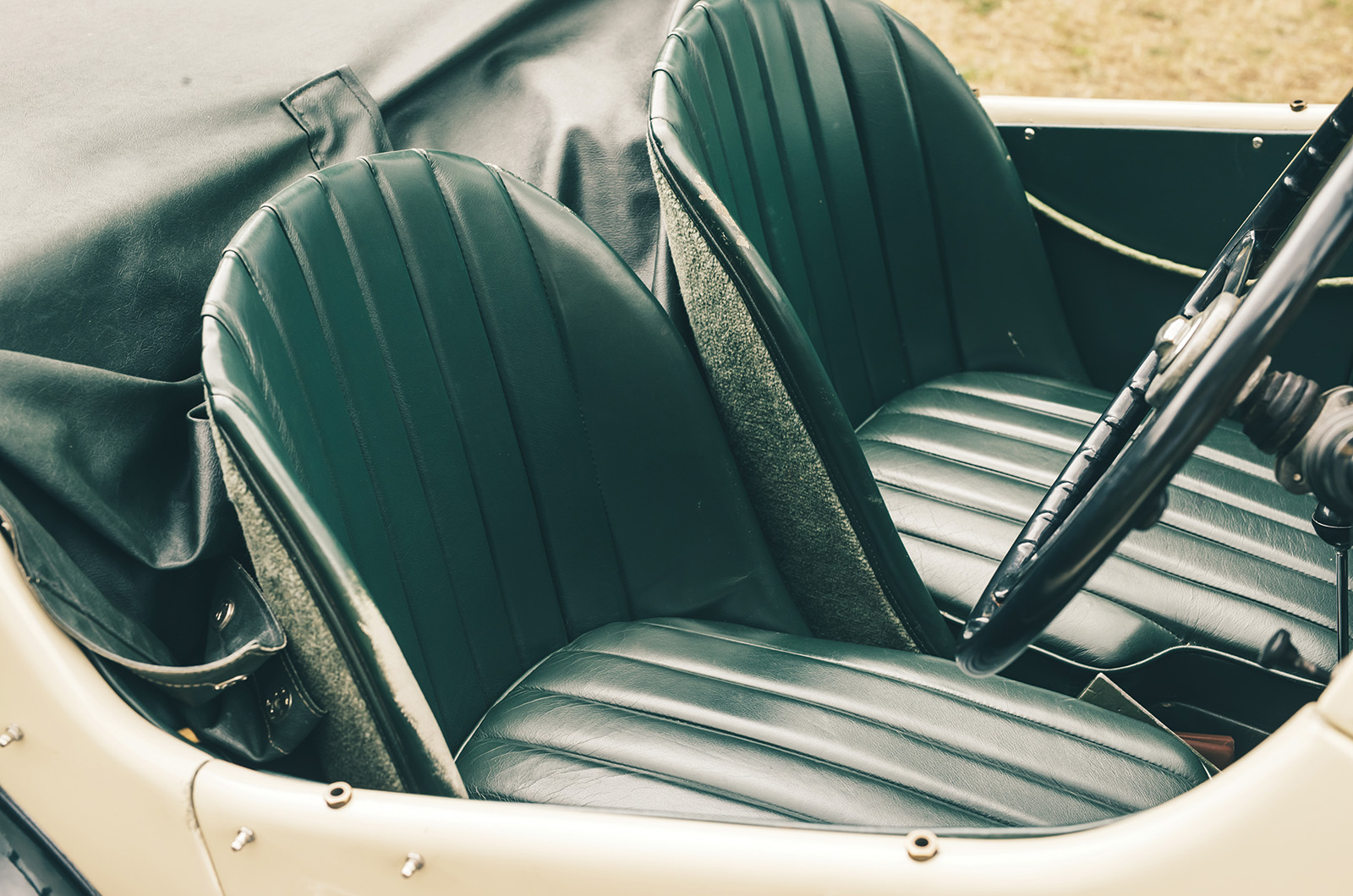
The Patrick Motors-bodied Wolseley Hornet Special has smart leather bucket seats

As with all of ‘our’ Hornet Specials, this one’s handling takes some acclimatisation: there’s a delay in the messages the steering sends to the front wheels, and when the car does finally settle on its chosen course, the natural flex of the chassis is easily upset by road-surface imperfections.

We are, of course, talking about 80-year-old cars here, but everything is relative, and other sporting cars from this period – the Riley Imp springs to mind – would have felt more assured.

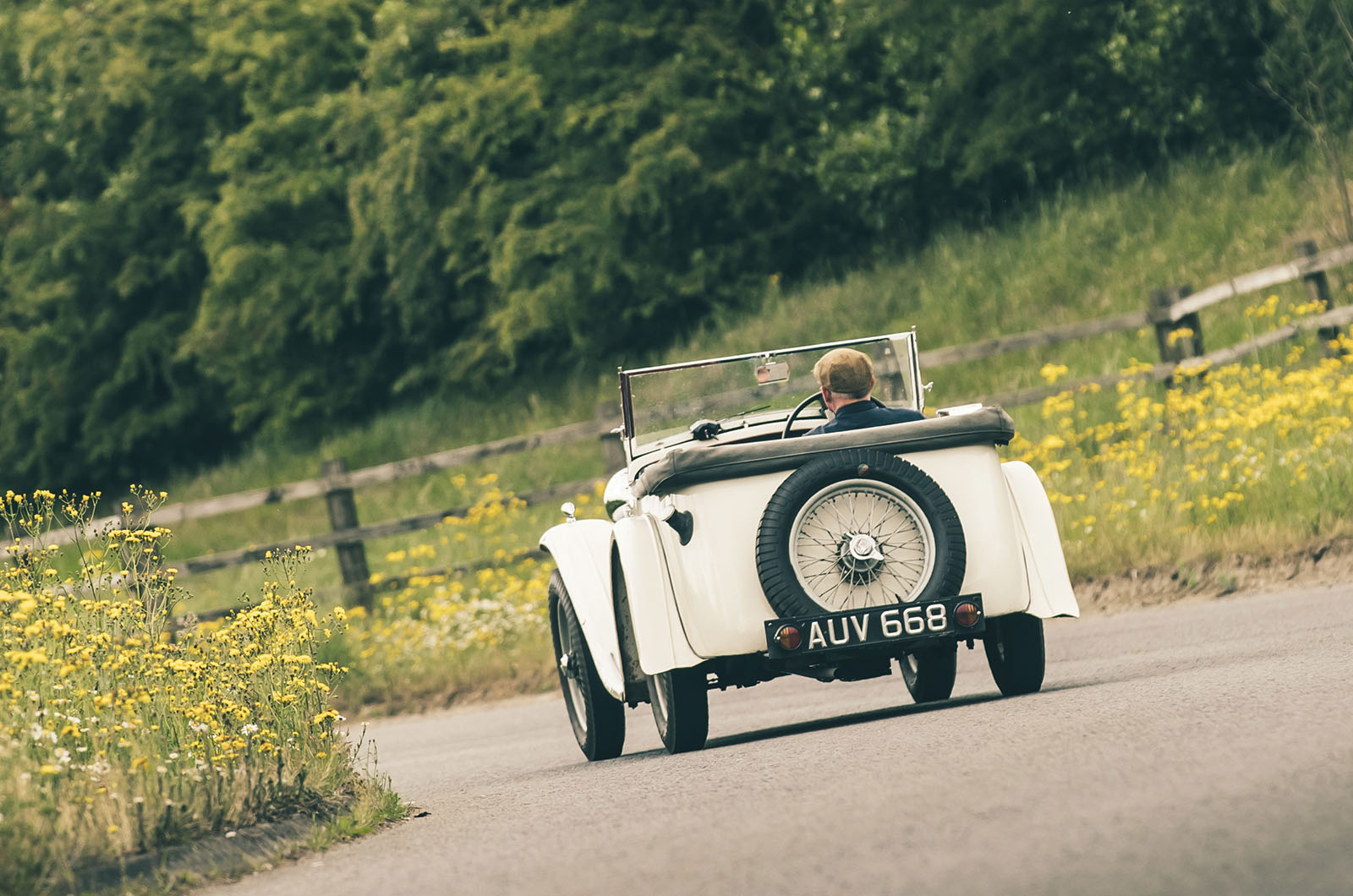
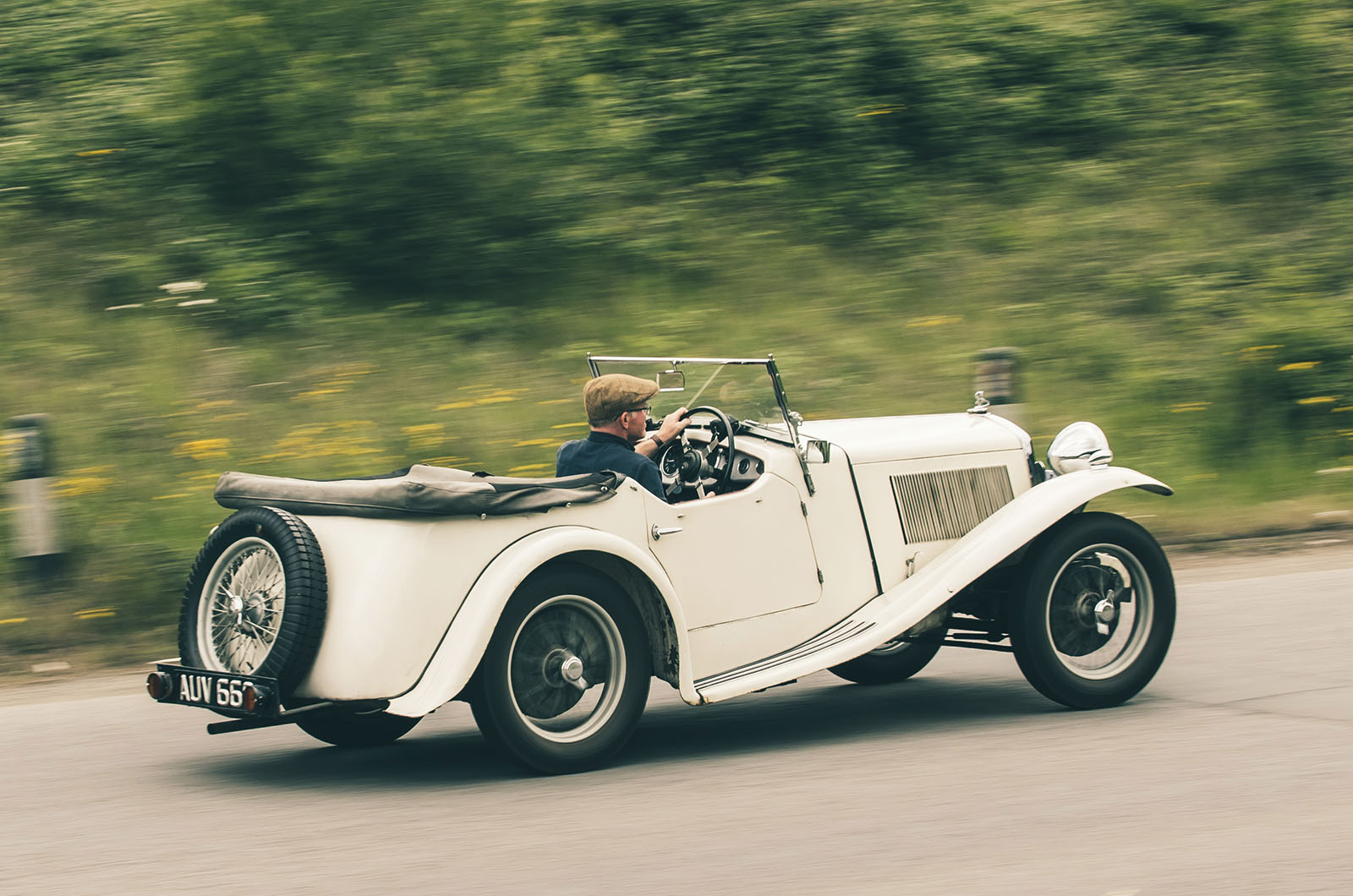
David Corney’s November 1933-registered Special instantly strikes a chord, because its Eustace Watkins-supplied International body is very similar to the slightly earlier car my dad owned, save its longer, four-seater cabin and coupé wings.

Classic & Sports Car – Wolseley Hornet Special: bodies of evidence

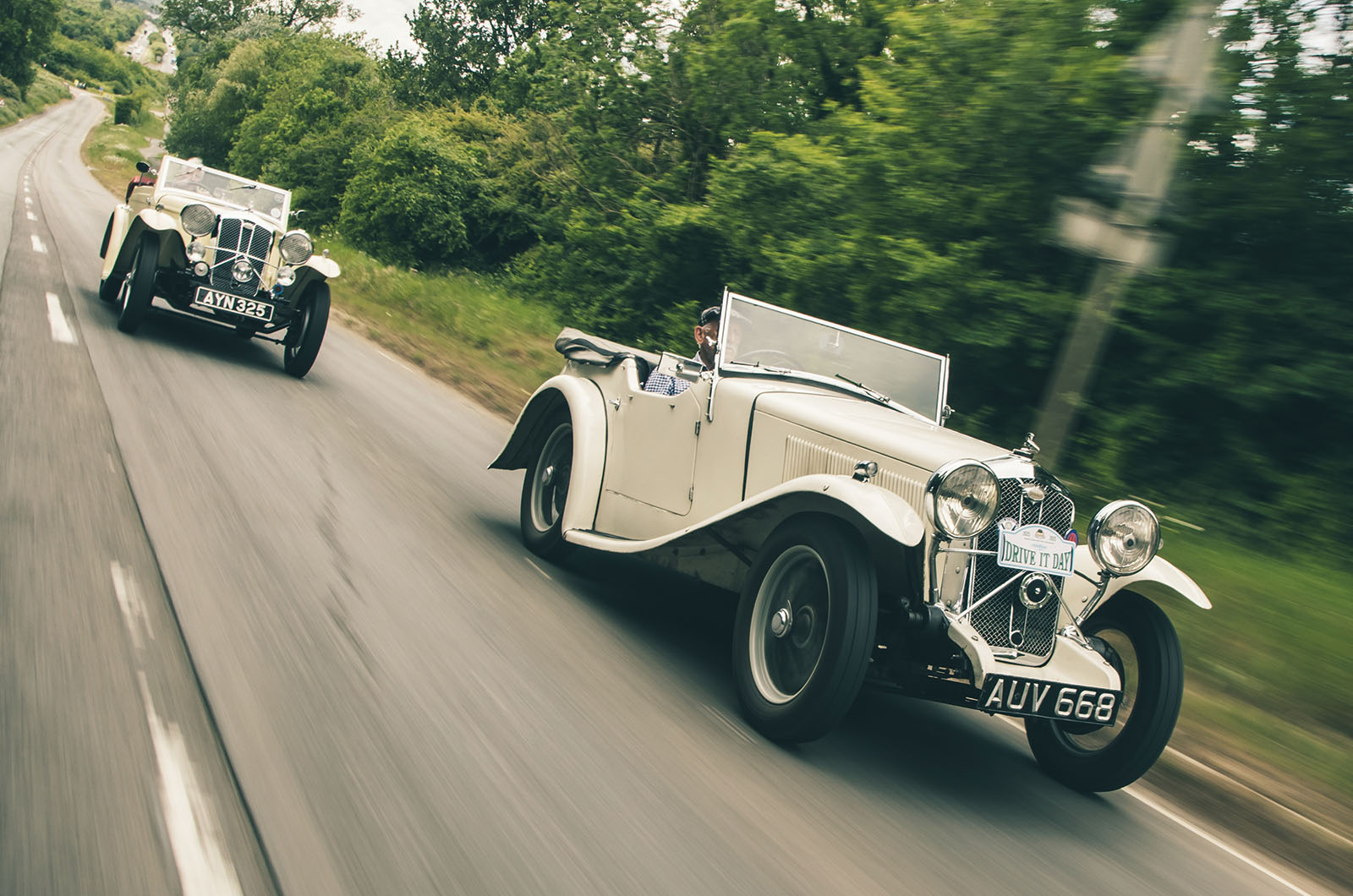
This Wolseley Hornet Special can deliver 60mph cruising speeds

Owned for the past 12 years, AUV 668 replaced David’s Hornet Sports in 2013, and looks splendid with its white coachwork and Blockley tyres.

The car was abandoned during the war and only discovered in a Cornwall barn in the 1980s, when it was rescued and restored.

Hornet Special Club specialists believe it was dealer Eustace Watkins’ early body designs for the regular Hornet that inspired Wolseley to produce the Special as a rolling-chassis-only model.

David’s car has extra significance, because it’s a very early example of a crossflow-engined Special, which appeared in late 1933 for the ’34 season.

Classic & Sports Car – Wolseley Hornet Special: bodies of evidence

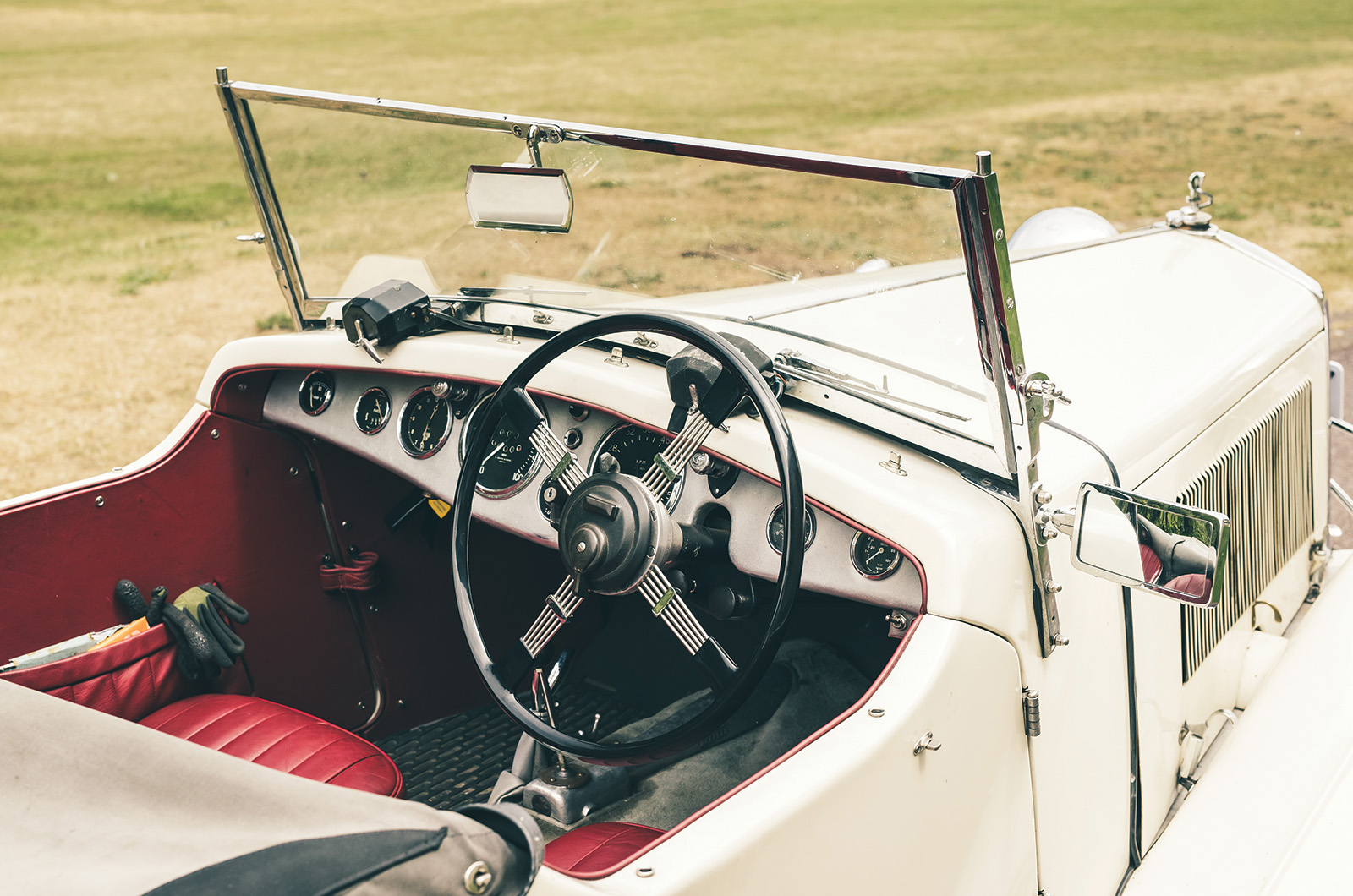
This later, Eustace Watkins International-bodied Wolseley Hornet Special has a busier dashboard

The crossflow cylinder head, which had already been developed by MG, lifted power slightly to around 45bhp and now had the inlet and exhaust manifolds on opposing sides.

The block was also redesigned to increase its stiffness, and synchromesh featured on third and fourth gears for the first time.

Of equal importance were revisions to the Special’s chassis, which was now underslung around the rear axle and, in an effort to reduce flex, cross-braced.

Classic & Sports Car – Wolseley Hornet Special: bodies of evidence

‘The Wolseley Hornet Special’s specification and design put it at a disadvantage when compared with certain rivals’

Externally, there was a U-shaped embellisher on the slanted front grille, and drivers now had the option of engaging a transmission freewheel.

You immediately notice how together this car feels, compared with the earlier Sport and Special.

Driven along the same test route, its handling is better resolved and its body movements more tightly controlled, providing its driver with a level of confidence that was absent before.

Performance-wise, there is no appreciable difference versus the earlier car, though the extra weight of the chassis probably accounts for this.

Classic & Sports Car – Wolseley Hornet Special: bodies of evidence

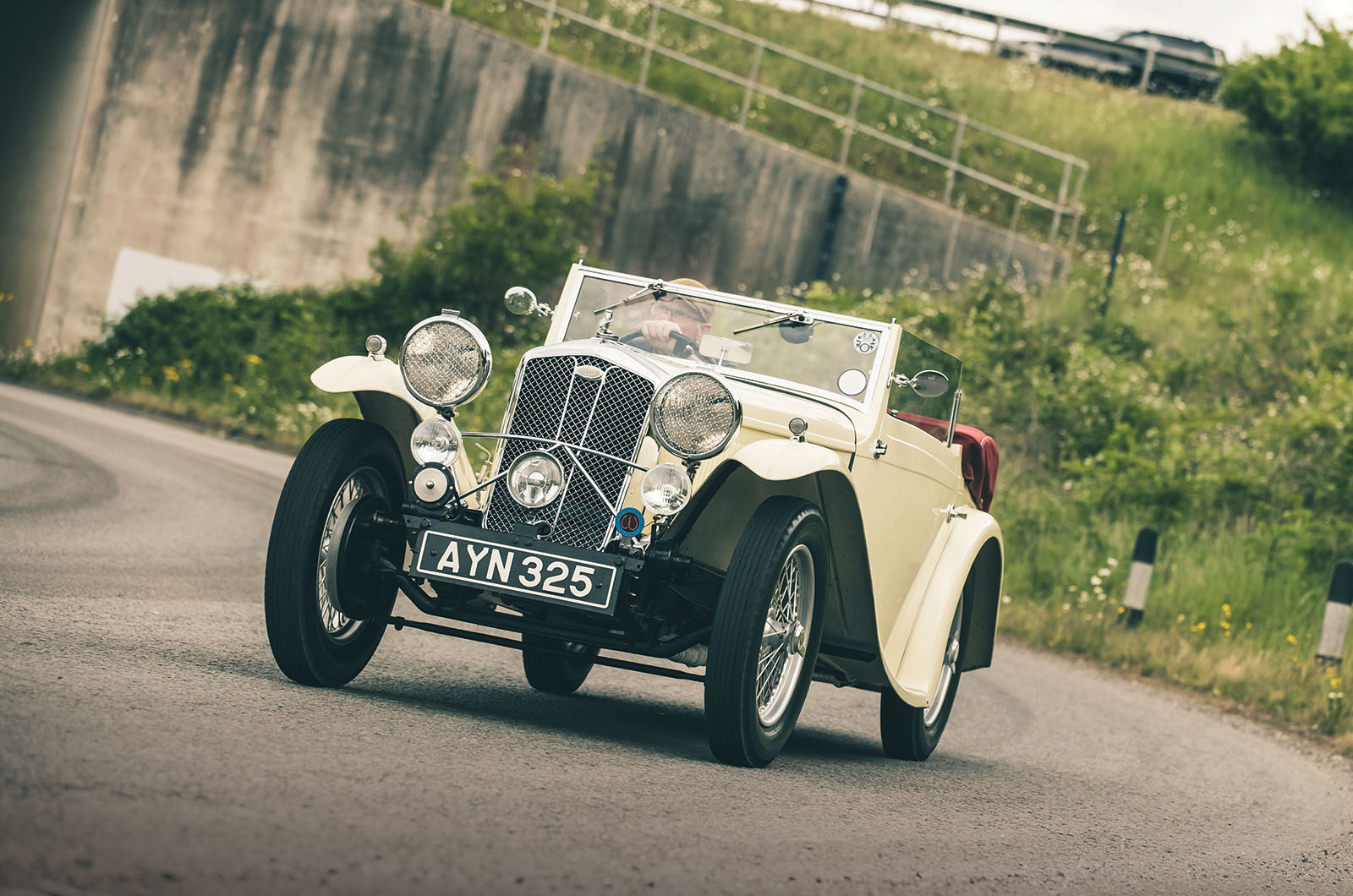
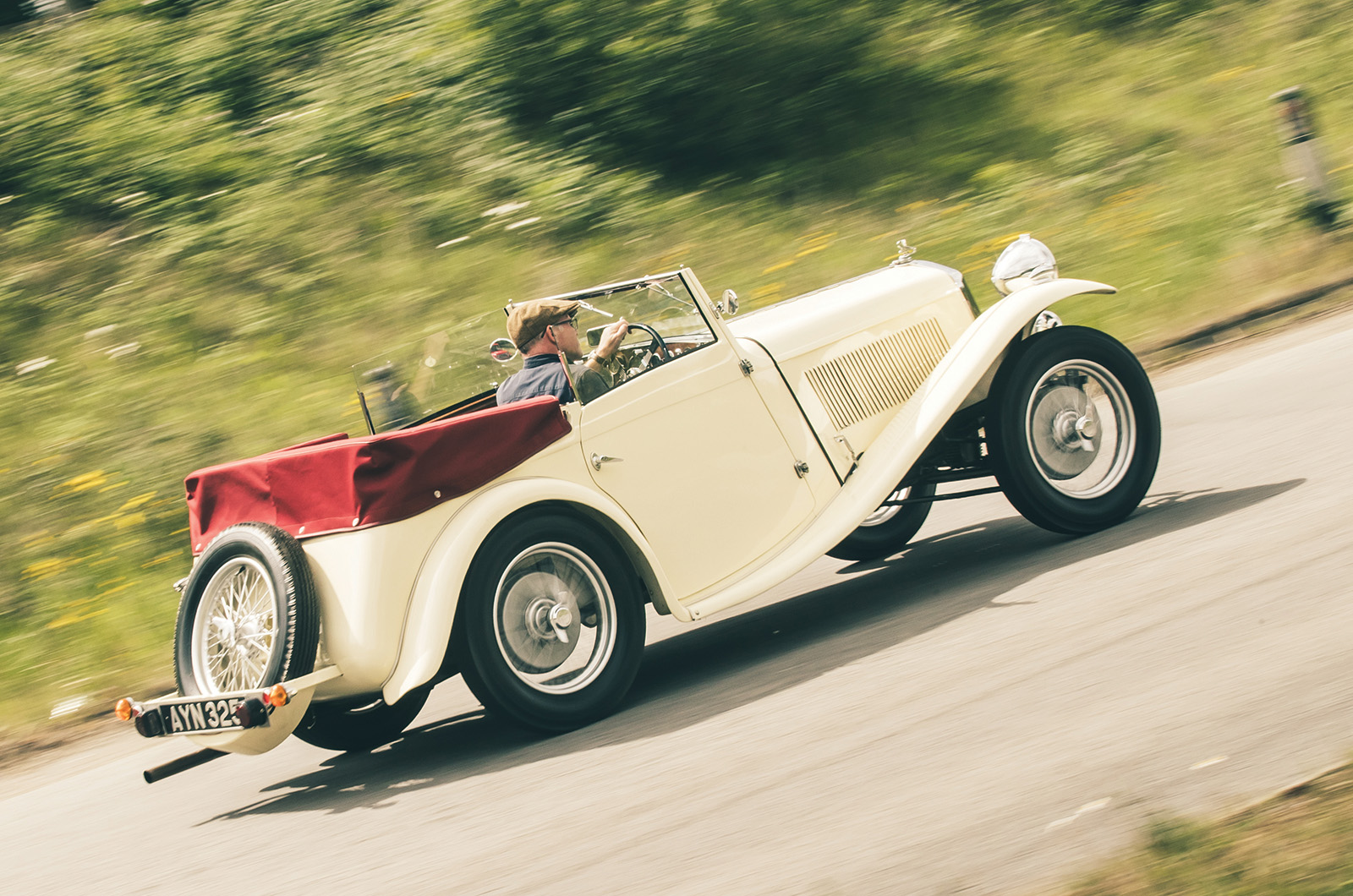
This 1934 Wolseley Hornet Special’s four-seat Corsica body is unique

While our final two cars benefit from the same mechanical and chassis revisions as David’s, their different bodies once again illustrate the divergent approaches to design.

Another long-term owner, Peter Wright bought his 1934 Corsica-bodied Special 63 years ago, in 1962.

He started to restore it in the mid-’70s, and, sidelined by family and professional commitments, finally completed it in 2012.

Peter tells me that London-based Corsica made the four-seater body for AYN 325 as a one-off, and today its elegant lines, accentuated by the long sweep of its front mudguards, epitomises the archetypical ’30s sports car.

Classic & Sports Car – Wolseley Hornet Special: bodies of evidence

The Corsica-bodied Wolseley Hornet Special has twin SU carburettors on its 1271cc ‘six’

To drive, each of these later cars has the convenience of synchromesh on the higher gears, making cruising on country roads – each will manage 60mph comfortably – less of a chore.

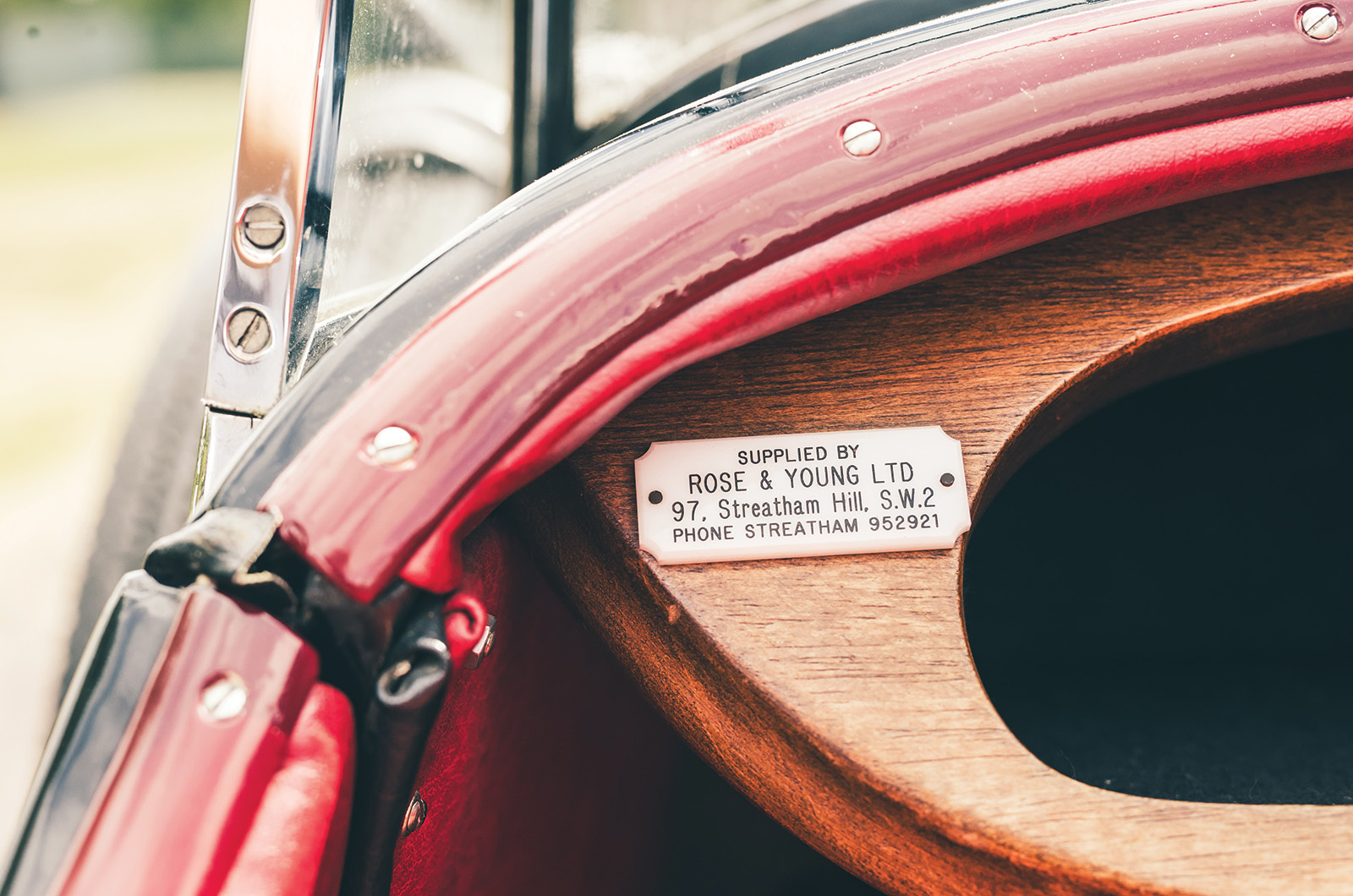
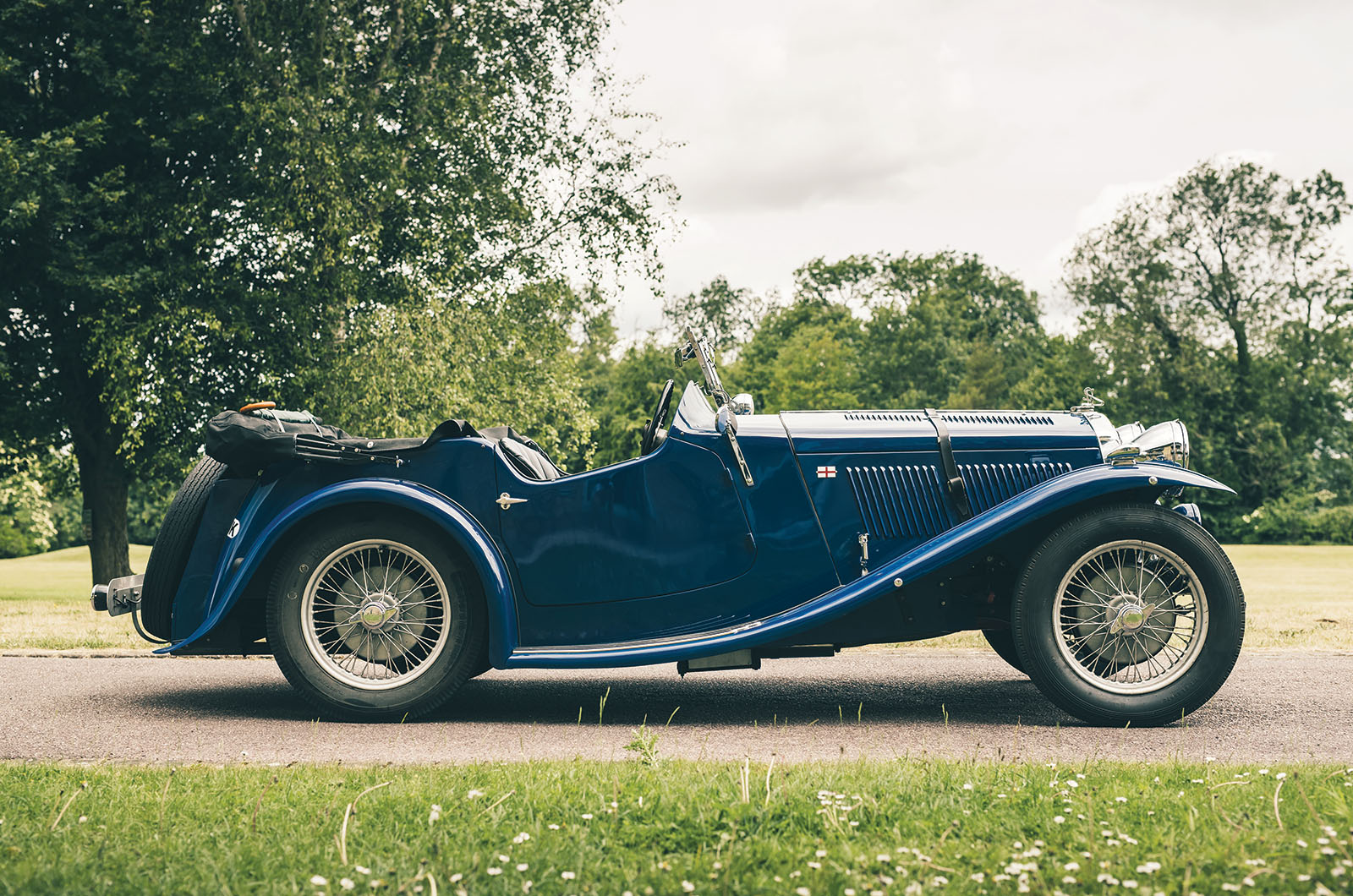
Jack Peppiatt’s stunning blue Special, with Eustace Watkins-commissioned Daytona coachwork by Fulham-based Whittingham & Mitchel, is easily distinguished from our other EW’s International body by its twin ‘eyebrow’ dash and bonnet straps.

Jack has owned this car since 2016, whereafter it received a new engine block, although the crossflow cylinder head is original.

BGC 742 is the only Special here with an aluminium-faced dashboard, which, nestled below the prominent double-curve of the bodywork, looks more in keeping with the Special’s sporting vibe.

Classic & Sports Car – Wolseley Hornet Special: bodies of evidence

Dealer Eustace Watkins commissioned this Wolseley’s Whittingham & Mitchel body

The only addition to this car’s equipment is a Lucas Startix engine-starting mechanism, which Jack recommends I don’t engage.

It was a popular option at the time for cars using a freewheel device (which this one has), and it automatically restarts the engine if it stalls by way of a second starter solenoid. But, as Jack points out, its drawbacks outweighed its benefits.

Wolseley’s final hurrah for the Hornet Special came at the 1934 British Motor Show, where it revealed a revised model for 1935.

The bore and stroke of its ‘six’ was increased to 61.5 x 90mm, and thereby its capacity to 1604cc, with rated power upped from 12 to 14hp (or 45-50bhp in actual output).

Classic & Sports Car – Wolseley Hornet Special: bodies of evidence

The aluminium-faced dashboard suits the Wolseley Hornet Special

Visually, the rolling chassis was supplied with a deeper shell to house the taller radiator, but otherwise it was unchanged.

Alas, it proved to be too little, too late. William Morris wanted to rationalise some of the marques in his burgeoning empire, and MG was clearly his favoured sporting brand.

The new and improved Hornet Special didn’t even last until the end of 1935.

Would Dad have cared that his Hornet was always going to be in the shadow of MG’s more ubiquitous products? Probably not.

He, like the owners that I’ve met today, took pride in his car’s semi-bespoke body and enjoyed the frisson of exclusivity that came with it. I just wonder if YG 875 survives…

Images: Jack Harrison

Thanks to: Tim Greenhill at the Wolseley Hornet Special Club


Factfile

Classic & Sports Car – Wolseley Hornet Special: bodies of evidence

Wolseley Hornet Special
(Technical data for 1934 model) 

  • Sold/number built 1932-’35/2307 
  • Construction pressed-steel chassis, underslung at rear, cruciform cross-bracing; various body styles
  • Engine all-iron, ohc 1271cc, straight-six, aluminium pistons, twin 1⅛in sidedraught SU carburettors
  • Max power 45bhp @ n/a
  • Max torque n/a
  • Transmission four-speed manual, RWD
  • Suspension semi-elliptic leaf springs, hydraulic lever-arm dampers f/r
  • Steering worm and wheel
  • Brakes 12in (305mm) drums 
  • Length from 11ft 5in (3480mm), depending on bodywork
  • Width from 4ft 6in (1372mm), depending on bodywork
  • Height n/a
  • Wheelbase 7ft 6½in (2300mm)
  • Weight 1316lb (597kg), chassis only
  • 0-60mph n/a
  • Top speed 75mph
  • Mpg n/a
  • Price new £175 (rolling chassis)
  • Price now £20-40,000*

*Price correct at date of original publication


Enjoy more of the world’s best classic car content every month when you subscribe to C&SC – get our latest deals here


READ MORE

Wolseley Hornet vs Citroën Bijou: compacts with class

The race to 100mph: MG C-type Montlhéry Midget vs Austin Seven Ulster TT

All souped up: Heinz’s Wolseley Hornet