Vauxhall Caleche: Aussie al fresco survivor

| 6 Jul 2026
Classic & Sports Car – Vauxhall Caleche: a new life Down Under

It was a neat way of killing two birds with one stone.

Australia had imposed stringent import duties on completed cars, both to raise revenue and to encourage local assembly.

At the same time, there was a perceived need for open tourers for the Australian market – this handily being a body style that was cheaper and easier to make in low volumes, at one of the country’s often-small coachbuilding concerns.

More conveniently still, this allowed tourer versions of British cars to continue to be available on the other side of the world after such models had disappeared from the UK price lists in the early post-war years.

The result was a whole sub-species of Antipodean curiosity: a breed of unique-to-Australia open versions of popular British cars.
Classic & Sports Car – Vauxhall Caleche: a new life Down Under

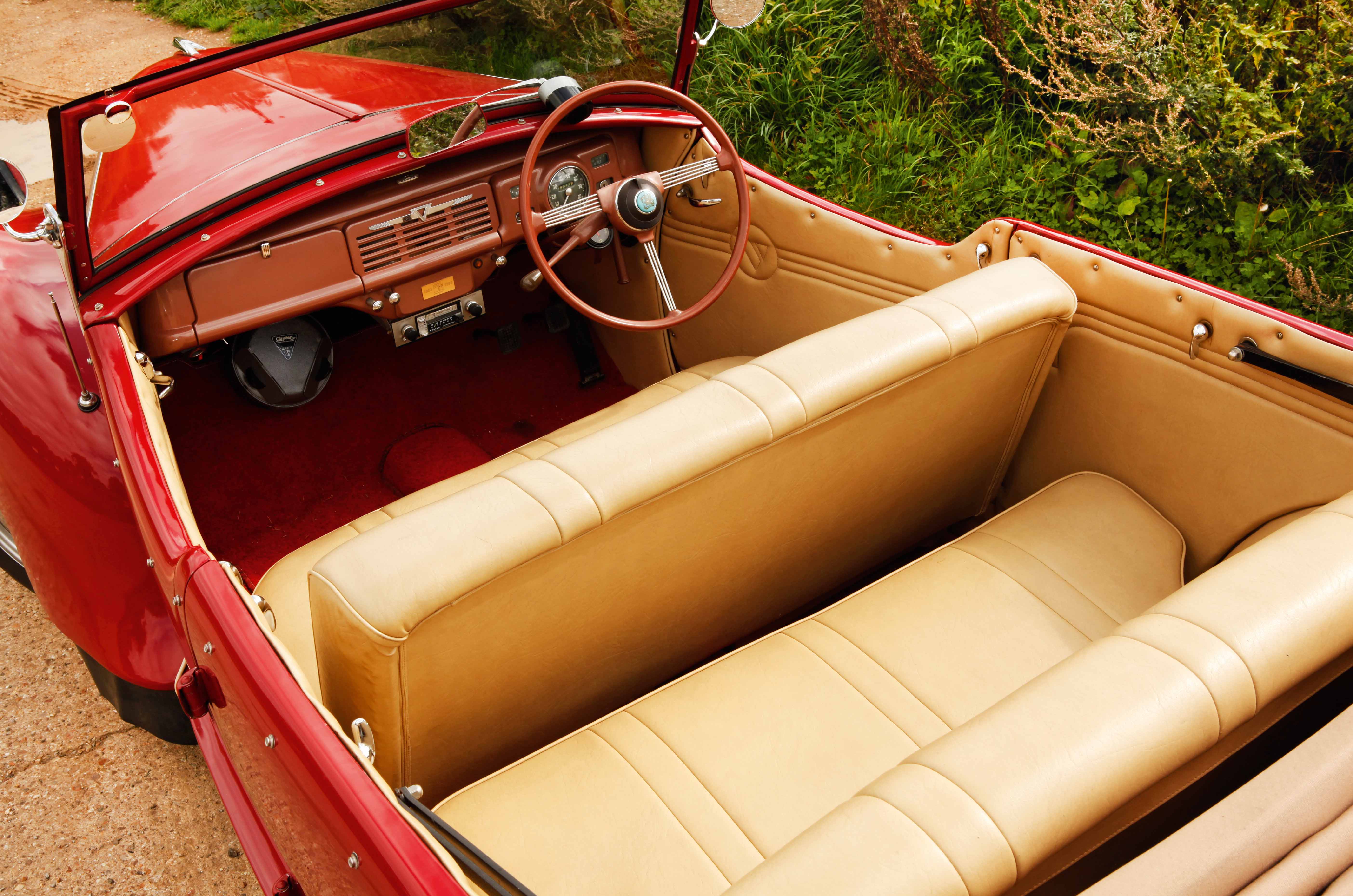
The Vauxhall Caleche’s rear bench has limited legroom

Vauxhall, strongly implanted in Australia – where it was the best-selling British marque in the 1930s and ’40s – was, as might be expected, a serious player in this market.

Part of the reason for Vauxhall’s dominance was that it could call upon fellow General Motors subsidiary Holden to body its cars.
When acquired in 1931, Holden’s Motor Body Builders was already one of the largest coachbuilding businesses in the British Empire, capable of producing up to 35,000 vehicles a year on its 40-acre Adelaide site.

Among the Vauxhalls that it bodied in the late pre-war years was the integral-construction 10hp H-type, sold in Australia from the 1938 model year as the Wyvern.

The saloon carried distinctive six-light coachwork with a protruding boot (as opposed to the four-light British H with its flat rear panel) and there was also a roadster and an open tourer.

Classic & Sports Car – Vauxhall Caleche: a new life Down Under

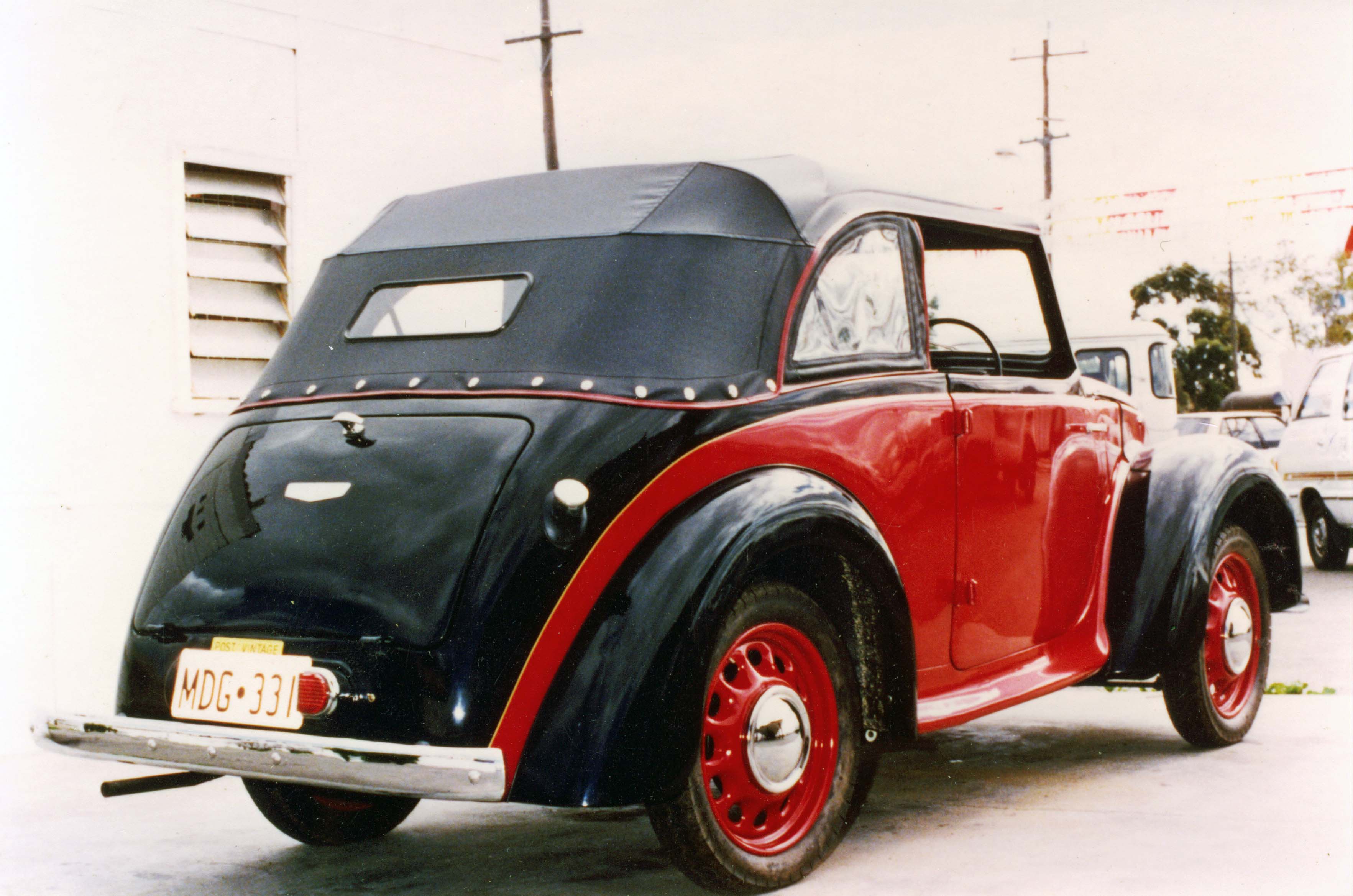
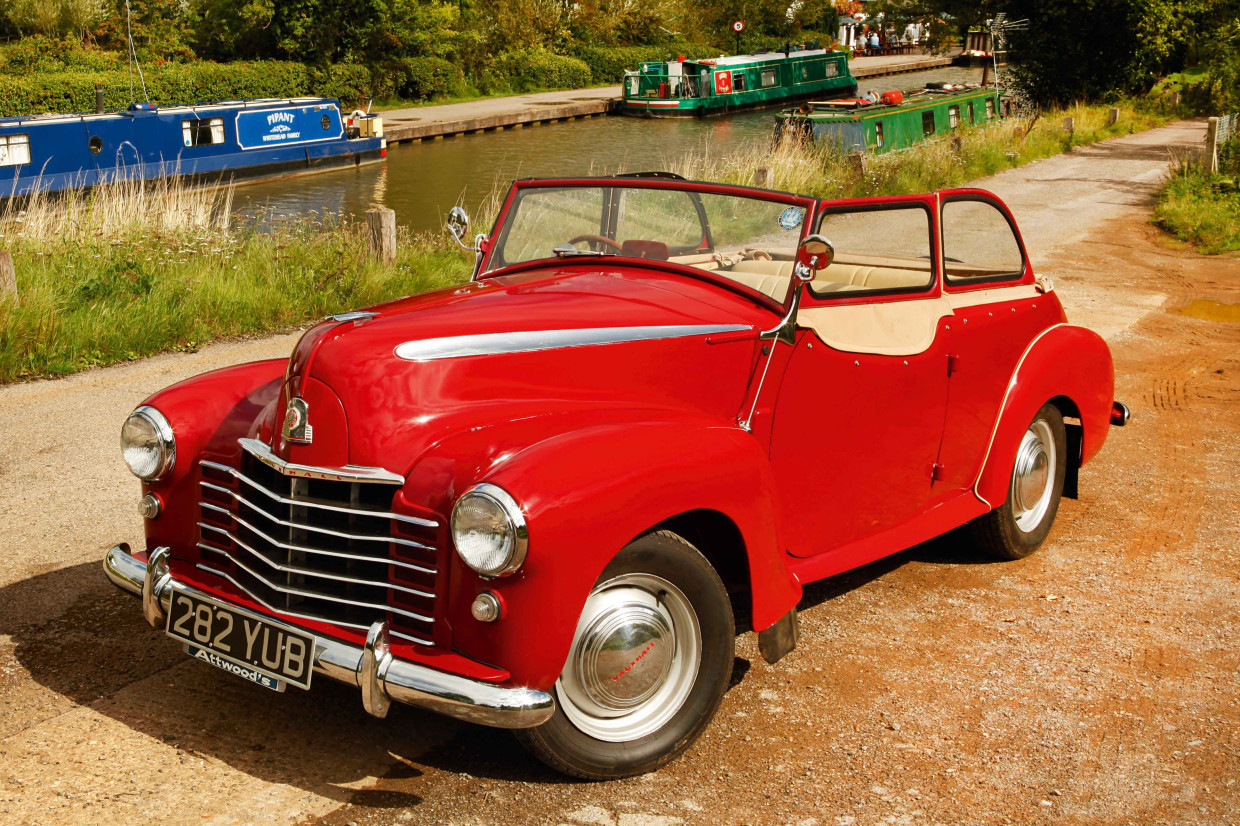
The Vauxhall Caleche is a rare car in its homeland, never mind on British shores

The roadster, with only 396 examples built up until 1941, was of minority interest, but the tourer, called the Caleche, was clearly popular, with 3331 being built, against 5429 saloons.

The trick to making the Caleche – the name derives from the French word calèche, a type of open four-seater carriage – was to build it around the cruciform chassis frame of the 5/6cwt Bedford HC van, avoiding the structural complications of converting the unitary H into an open car.

Making what was billed as ‘Australia’s smartest open car’ that way was no great upheaval for Holden, because it also built a coupé-utility pick-up on the 94in-wheelbase HC ‘Carryall’ chassis, in effect an extension of the front subframe found on the H-type saloon.

Post-war, GM-Holden’s – less awkwardly, GMH – carried on bodying Vauxhalls while bringing the first Holden to market.

Classic & Sports Car – Vauxhall Caleche: a new life Down Under

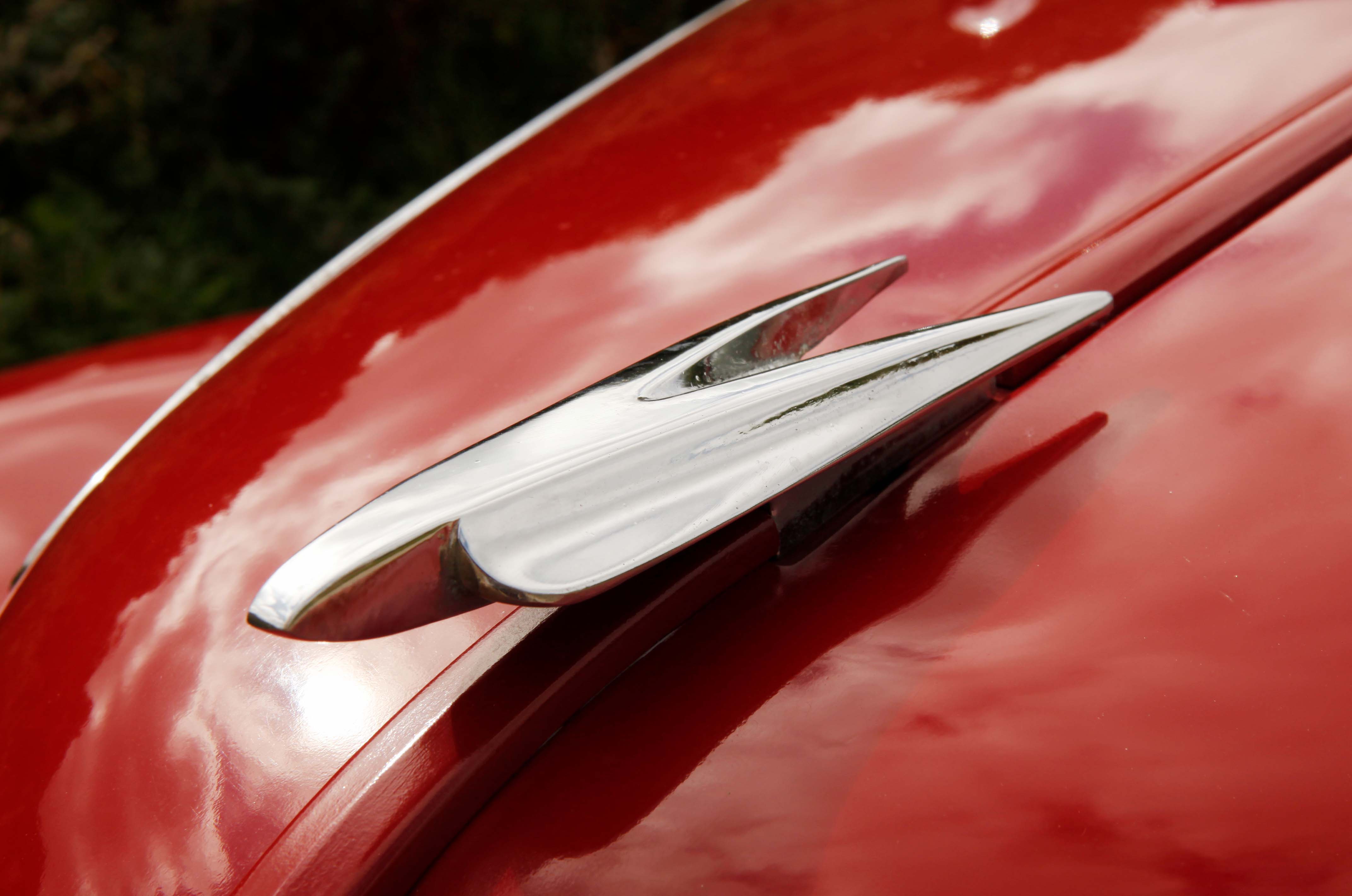
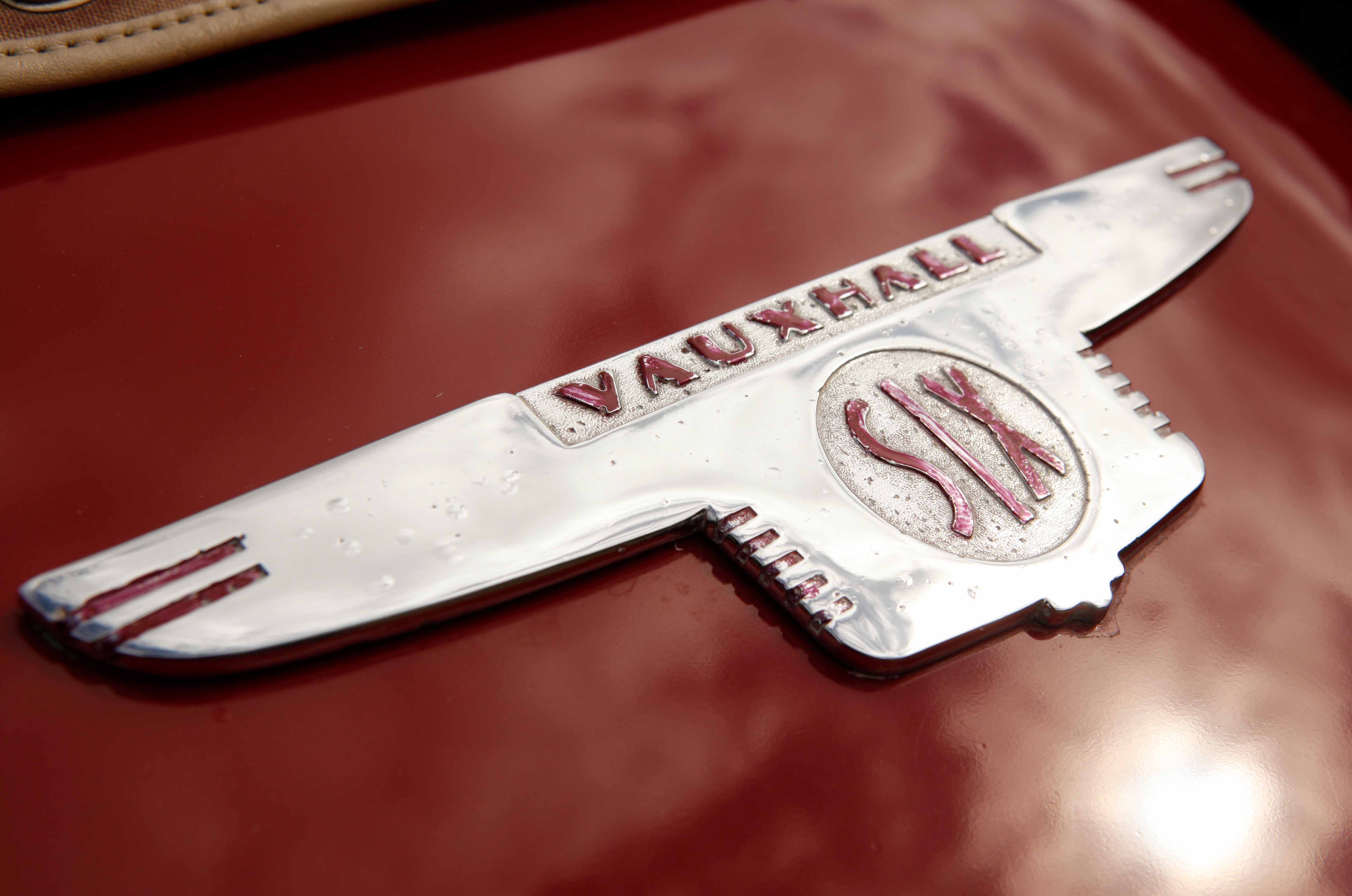
The Art Deco-style ‘Vauxhall Six’ badge first appeared before WW2

The Caleche was thus revived in 1946, alongside the six-light H-type Wyvern saloon, and in 1949 mutated into a new version based on the facelifted L-type.

As such, the car was made available as a four-cylinder 1442cc Wyvern and as a 2275cc six-cylinder Velox, both on a chassis longer in the wheelbase by 3¾in. 

Manufacture continued until 1951, when the Caleche was replaced by the Vagabond, a Holden-built convertible version of the then-new E-type Vauxhall – again built on a separate chassis.

Of the estimated 2500 L-type Caleches made, there are 30 or so known survivors, of which three are in the UK.

Michael Boast’s Velox version was imported from Western Australia, following a nine-year restoration.

Classic & Sports Car – Vauxhall Caleche: a new life Down Under

Holden’s makeover gave the aged Vauxhall a new lease of life in the Antipodes

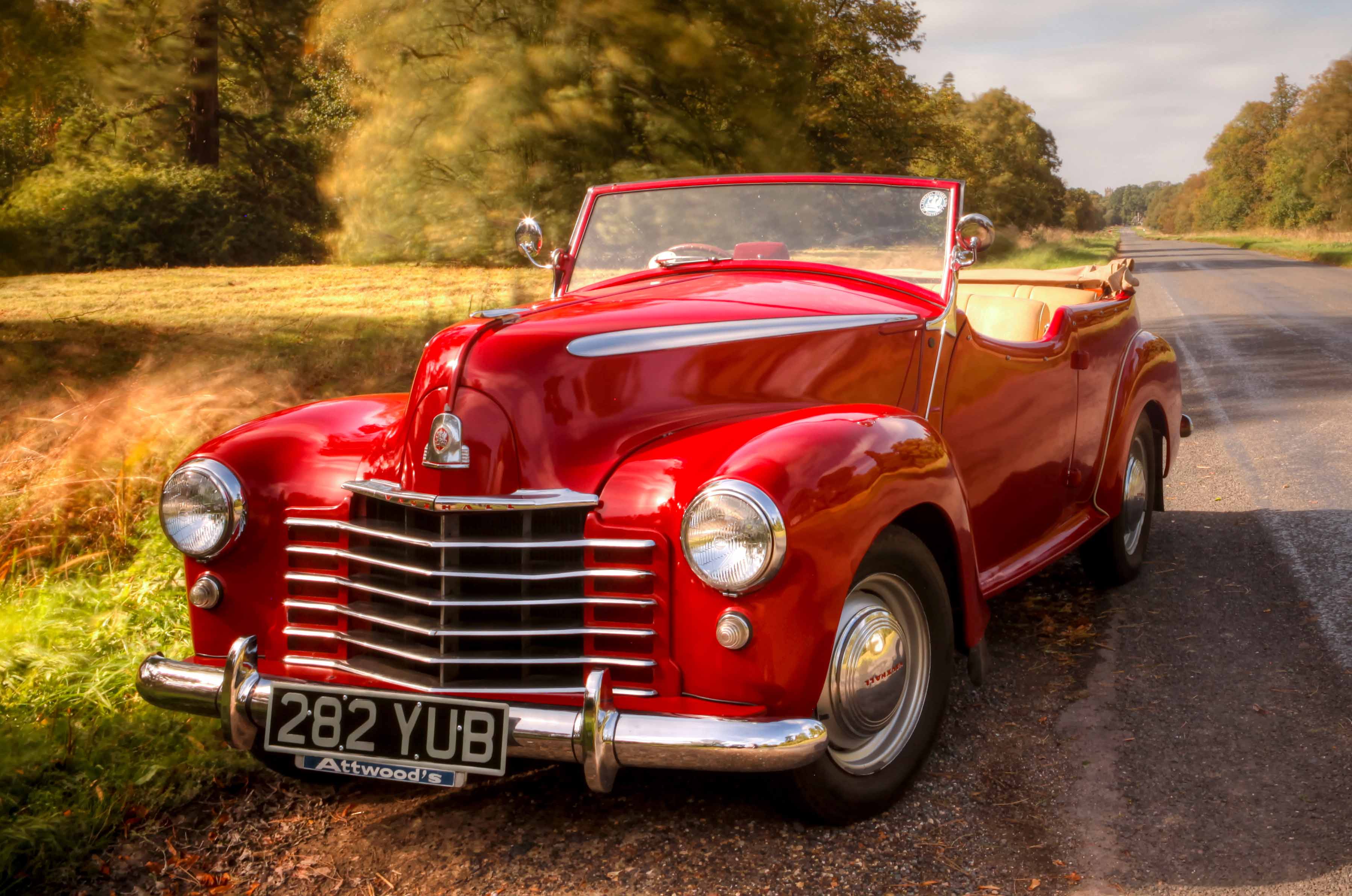
First impressions are of harmoniously simple lines – the centre section being pretty much as the preceding H-type Caleche – and of somewhat odd sidescreens, with heavy external steel frames and glass rather than plastic window-panes.

Painted body-colour, the frames integrate well with the car but conspire to make the glasshouse look a bit like a pill-box.

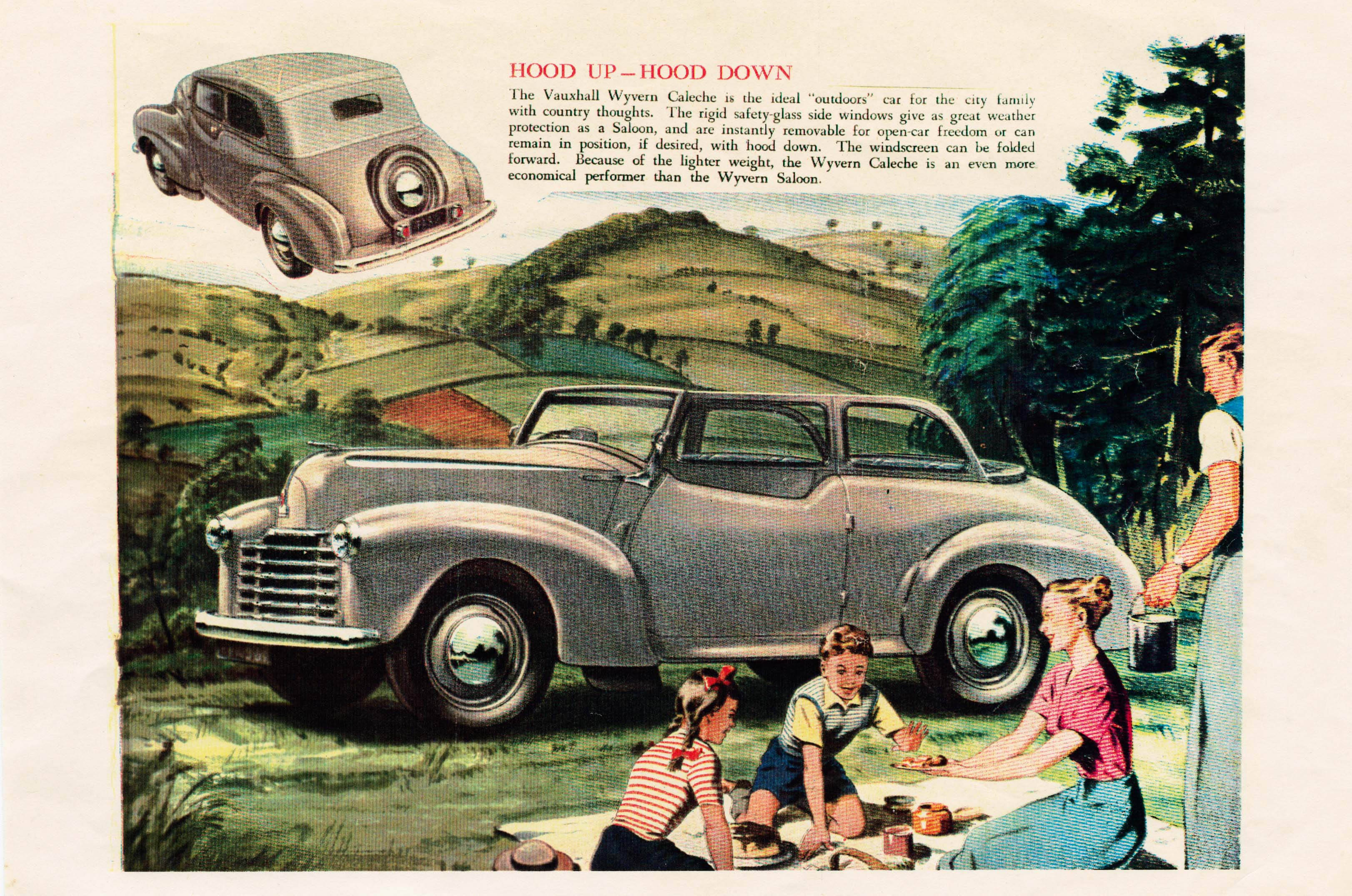
The name of the game, though, was having decent weather protection, as Vauxhall was proud to trumpet in its sales literature. 

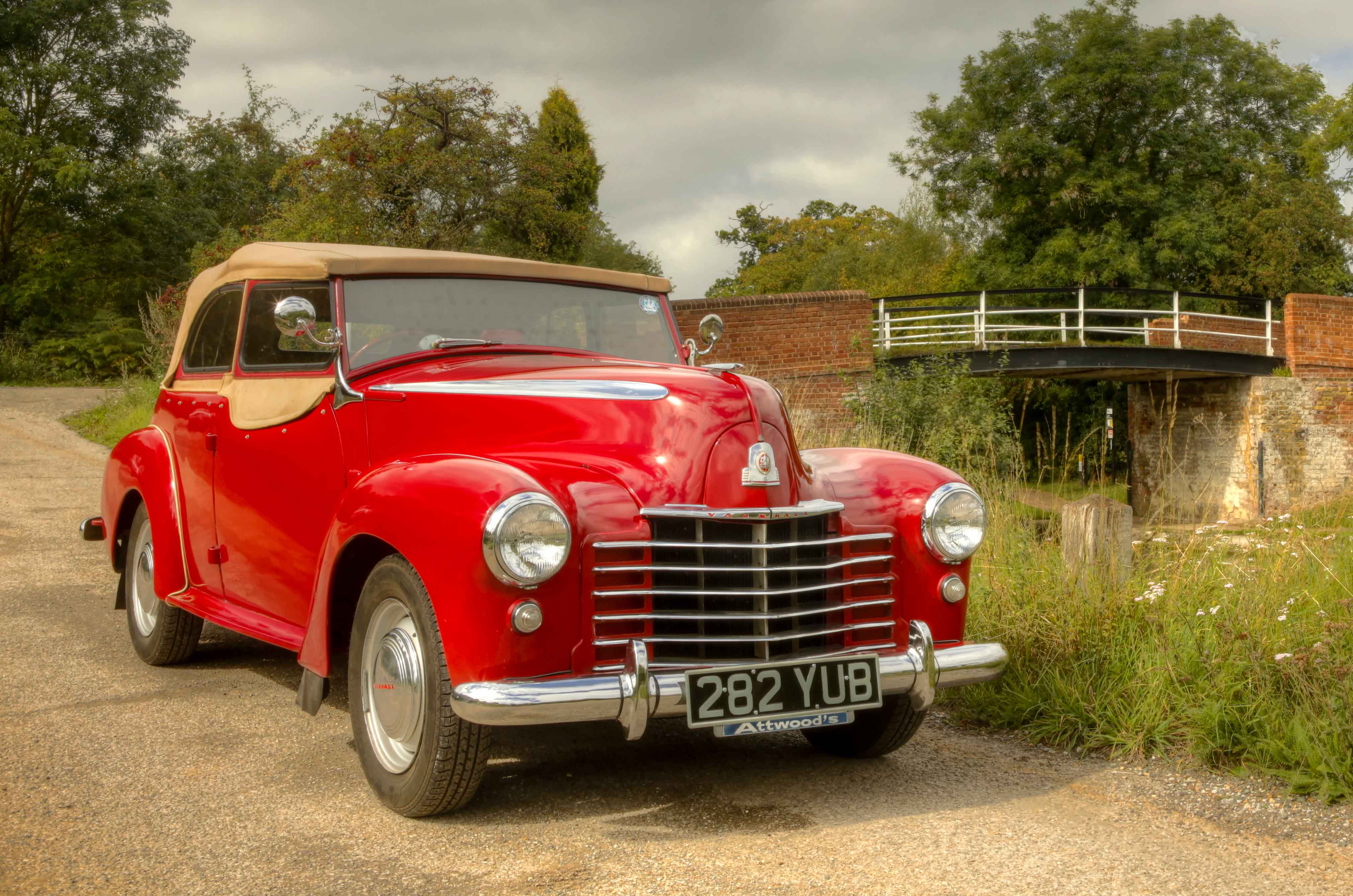
The Caleche follows this aim through with an impressively effective hood.

“It’s so quick to put up,” says Boast. “With two people, it takes a couple of minutes at the most.”

Classic & Sports Car – Vauxhall Caleche: a new life Down Under

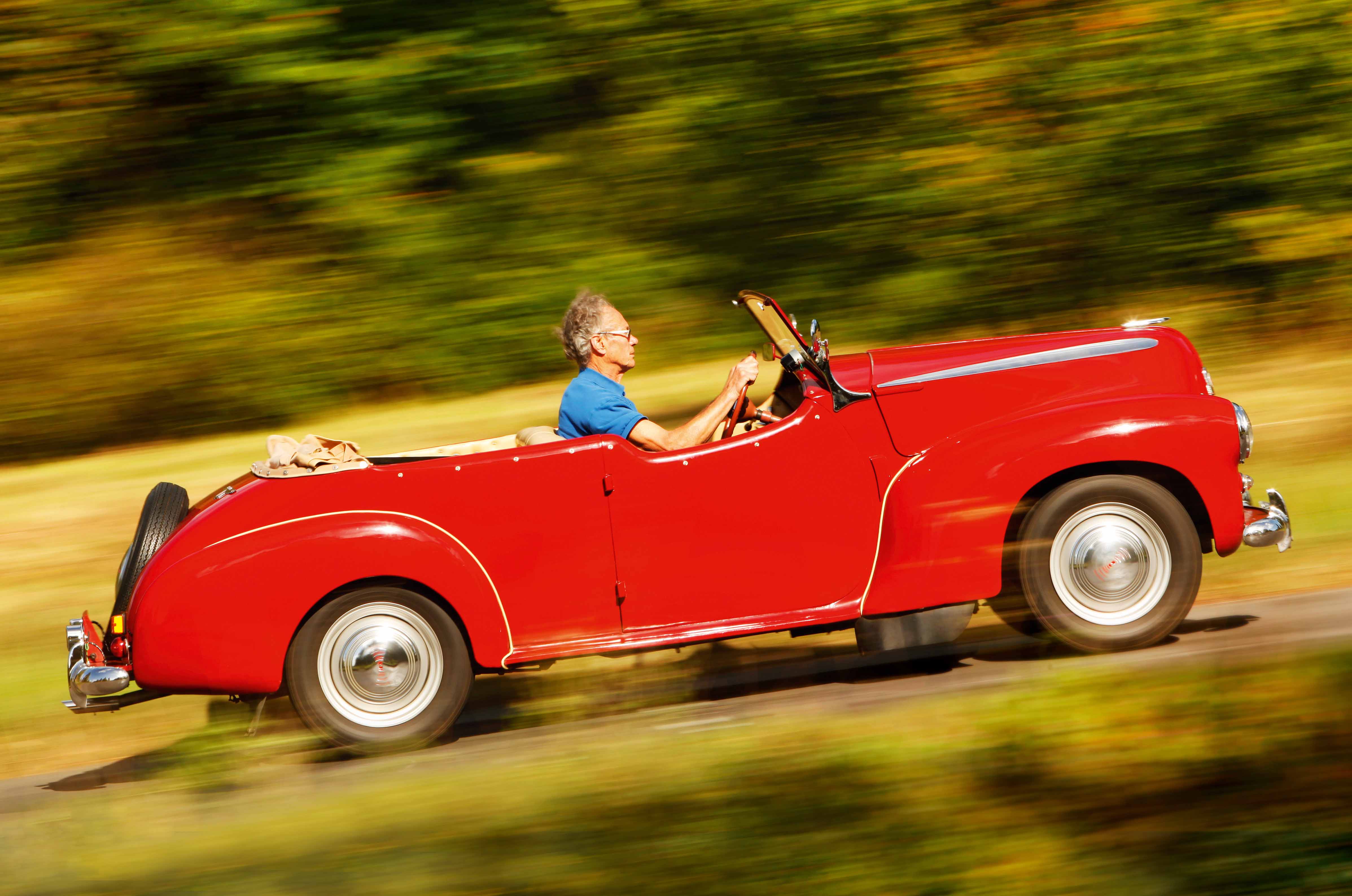
The Vauxhall Caleche has relaxed performance

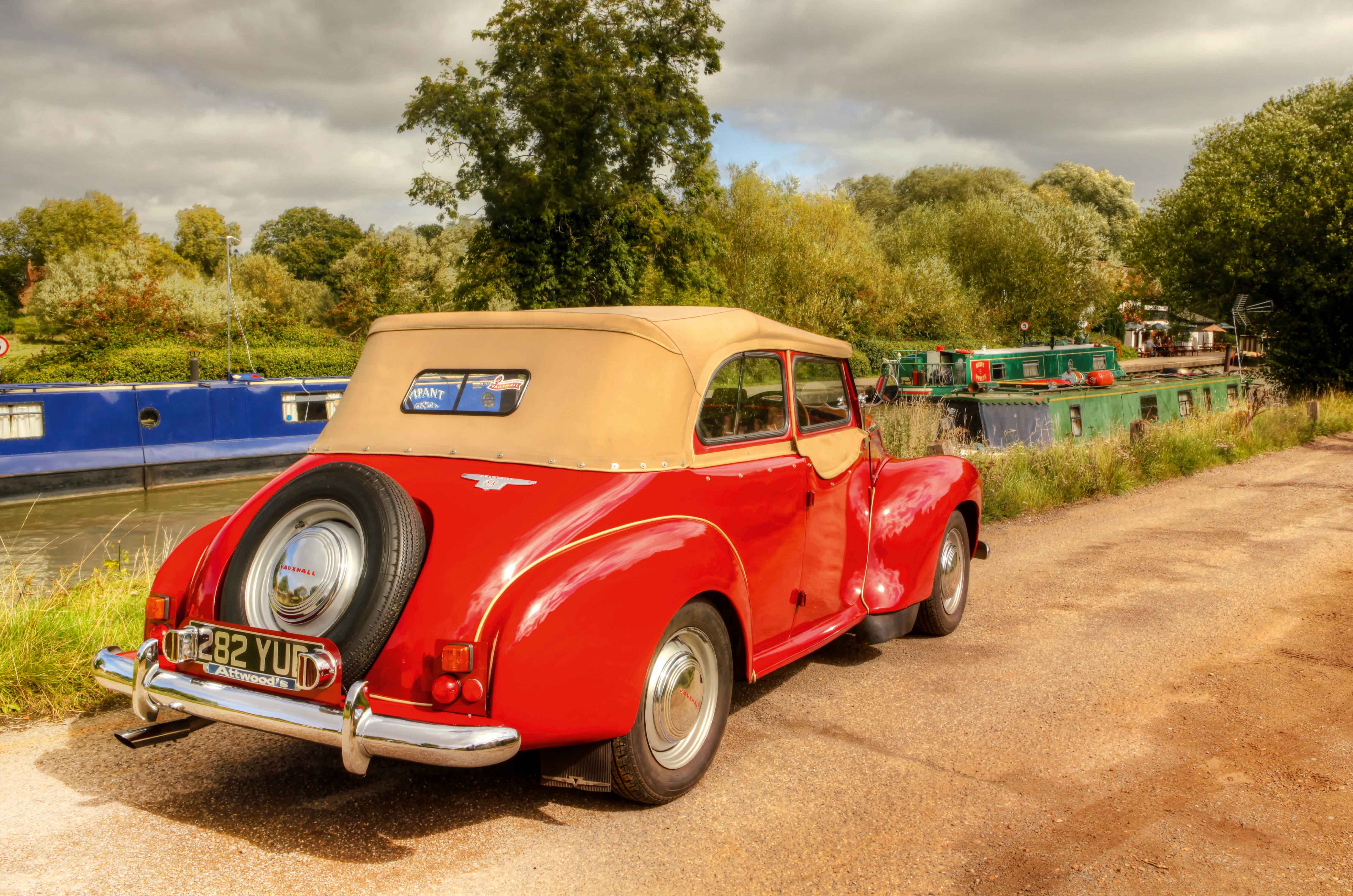
The top, with its wooden header rail and substantial side irons, is indeed gratifyingly easy to operate, everything folding out as one from the rear well.

All you have to do is to lock the side pieces and you’re done – and the hood when plied sits agreeably flat at the rear.

An arguable downside is that there are no doorhandles: you have to reach in under the sidescreens and operate the interior catches.

If the weather gear is anything but crude, other details surprise.

Some of the wood framing for the body is neatly dove-tailed, but the exposed timber on the door frames and A-posts seems a bit home-made, as does the simple curved scuttle-top, open on the underside.

Classic & Sports Car – Vauxhall Caleche: a new life Down Under

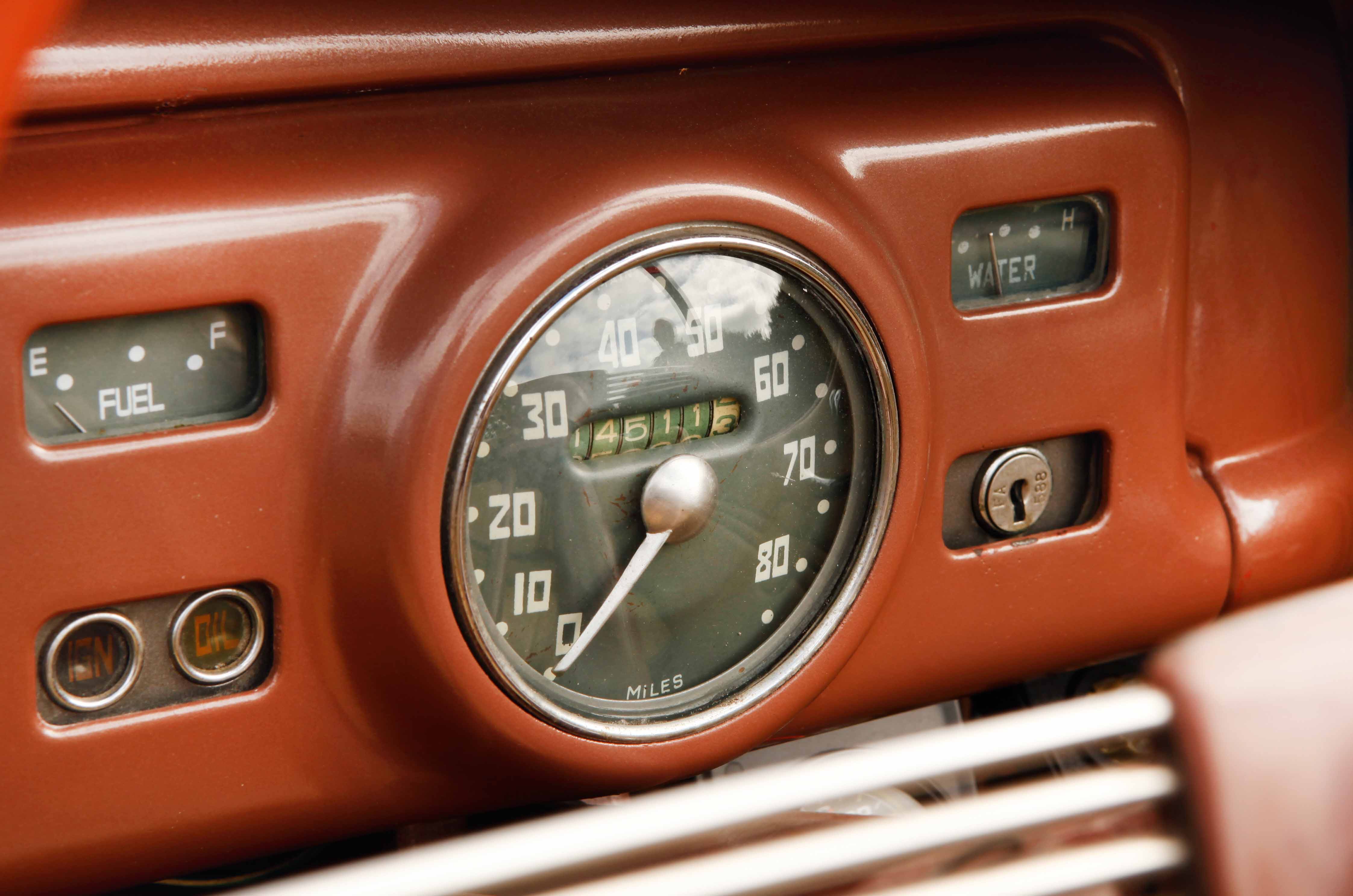
The Vauxhall Caleche’s cabin has basic dials, with no trip meter

As a counterpoint, the dashboard is a wonderful slice of over-wrought Americana: with its pink-ish paint and chrome pull-knobs, it looks a bit like an old stove.

As a four-seater, the Caleche is mildly compromised.

The front is spacious, the bench seat sitting high on wooden floorboards and the transmission tunnel consequently quite shallow, but in the rear your knees are close to the seat back, and access isn’t hugely easy.

One starts to understand why the pre-war Caleche was offered as a two-seater, with the rear seat optional.

For a family with two averagely sized children that wouldn’t have been an issue.

Classic & Sports Car – Vauxhall Caleche: a new life Down Under

The Holden-bodied Vauxhall Caleche picked up the baton when British marques stopped making tourers for Australia

Far more important would have been the driving experience relative to more modest Aussie-built tourers such as the Ford Ten and Austin A40 – and here the Vauxhall must surely have scored well. 

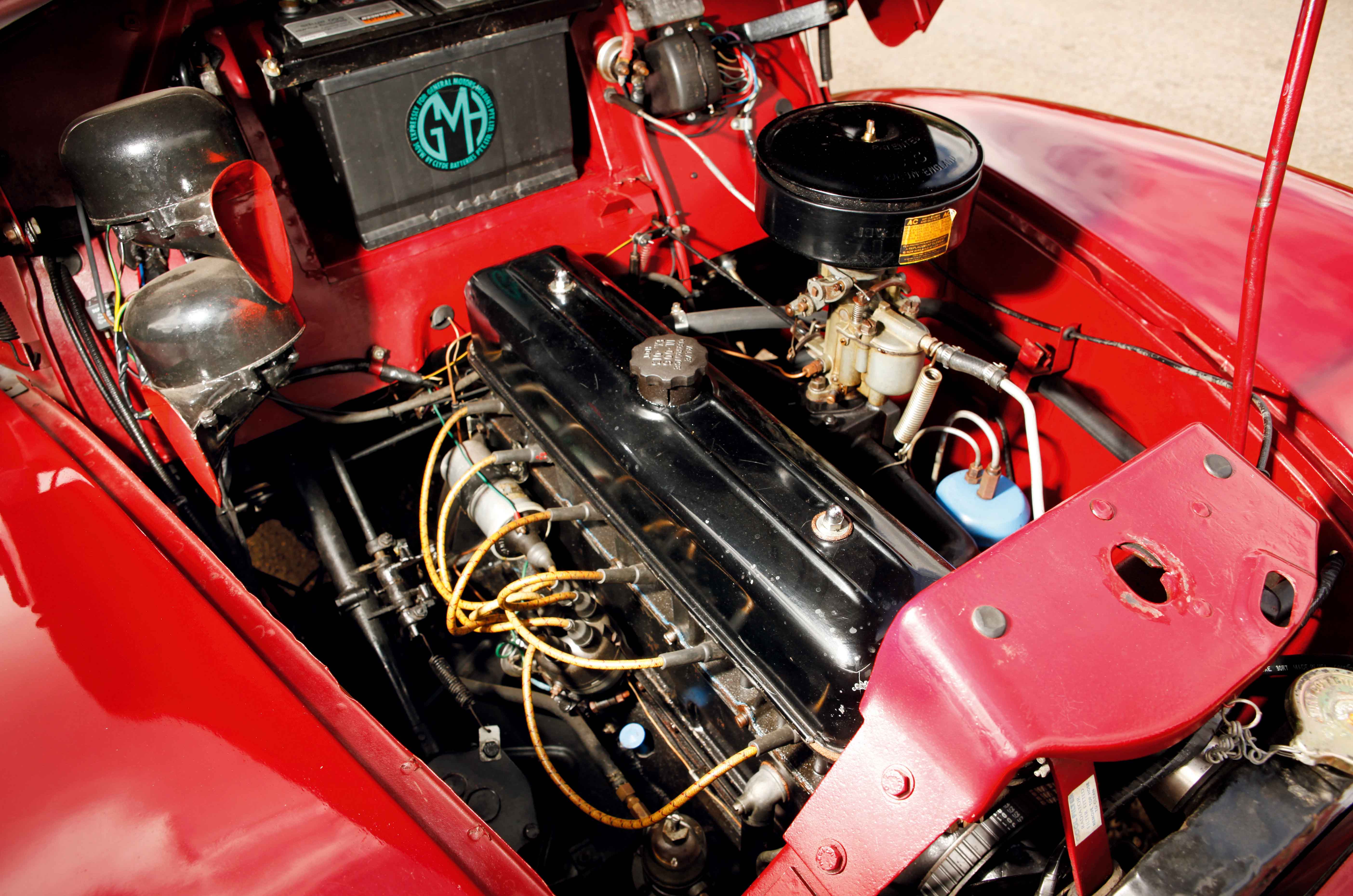
At the time, the 2275cc straight-six – a new engine for the L-type – marshalled 54bhp at 3300rpm, against the 35bhp at 3600rpm of the four-pot Wyvern, and in saloon form was the lightest six-cylinder car on the market.

The Vauxhall still impresses with its performance today, helped by a kerbweight of around 2cwt less than the 22cwt (2467lb) Velox.

On a motorway it is happy and unstressed at 55mph, and with inclines slightly on your side an indicated 70mph – perhaps a true 65mph – is in no way abusing the machinery, and is achieved on no more than seven-eighths throttle.

That small ‘six’ is a sweetly smooth and torquey engine, capable of pulling the car from a near standstill in second.

Classic & Sports Car – Vauxhall Caleche: a new life Down Under

The Vauxhall Caleche’s straight-six boasts a Zenith 30 downdraught carburettor and pressurised cooling, as opposed to the Wyvern’s thermo-syphon system

With the three-speed gearbox there’s the usual big hole between second and top, but the engine’s 106lb ft at just 1200rpm – no, that isn’t a misprint – means there’s more than enough guts to bridge that gap.

“Once you get going you rarely use first,” says Boast, “and you can take roundabouts in top at 20mph then pull away quite comfortably. It certainly doesn’t hold up the traffic on modern roads.”

Nor is the ‘Finger-Flick’ column gearchange a hardship. Mated to an easy clutch, the lever has a clunky action but slots in every time.

This benign drivability doesn’t signify, however, that the Caleche has sporting pretensions.

Classic & Sports Car – Vauxhall Caleche: a new life Down Under

The Vauxhall Caleche’s fold-down roof is easy to operate

At the front the Vauxhall has rather peculiar Dubonnet leading-arm suspension using a short transverse torsion bar at each wheel, along with a coil spring in an oil-bath casing, incorporating a double-acting damper.

At the rear there is an orthodox live axle on semi-elliptic springs, with lever-arm dampers.

The result is a car that is softly sprung and under-damped: it bobs a bit at the front, leans into corners, and is quite turbulent on poor surfaces.

These can also excite a touch of scuttle shake – which is lessened once the hood is raised. None of this means that the Caleche is hopelessly wayward.

The Burman screw-and-nut steering has the usual (and necessary) play, but the car tracks well, even in a gale, and is never heavy on the helm.

The final component is Lockheed braking that is firm, immediate and effective.

Classic & Sports Car – Vauxhall Caleche: a new life Down Under

The Vauxhall Caleche’s boot is accessed from the inside; the exposed spare wheel looks archaic

The character of this good-natured tourer is quietly endearing. The Vauxhall really is a very easy car, and feels nicely tailored to its market.

“I can just imagine a young Australian family having one as a second car, and going off hood-down for a Sunday picnic,” says Boast.

I’d second that. Whereas the Velox saloon can come across as a tinny, bargain-basement model that lacks the class of, say, a Morris Six, making the L-type into the Caleche has transformed it.

Cheap flash has become honest uncomplicated open-top fun, with the lazy torque of the engine and the gentleness of the suspension being just right for the highways and the unmade country roads of a wide-open 1950s Australia.

Images: Tony Baker

This was first in our May 2012 magazine; all information was correct at the date of original publication


Drop-tops from Down Under

Classic & Sports Car – Vauxhall Caleche: a new life Down Under

Coachbuilder Martin & King created a convertible Ford Anglia for Australia

Austin A40 Dorset/Devon

After the war, Ruskin Motor Bodies built an Austin Eight tourer.

This led to Austin buying a majority share in ’47, changing the firm’s name to Austin Motor Co (Australia) in 1948, when it began to produce a two-door Dorset tourer.

Later cars were to GS3 Devon spec, with fully hydraulic brakes, column gearchange and centre-dial dash.

Ford Anglia

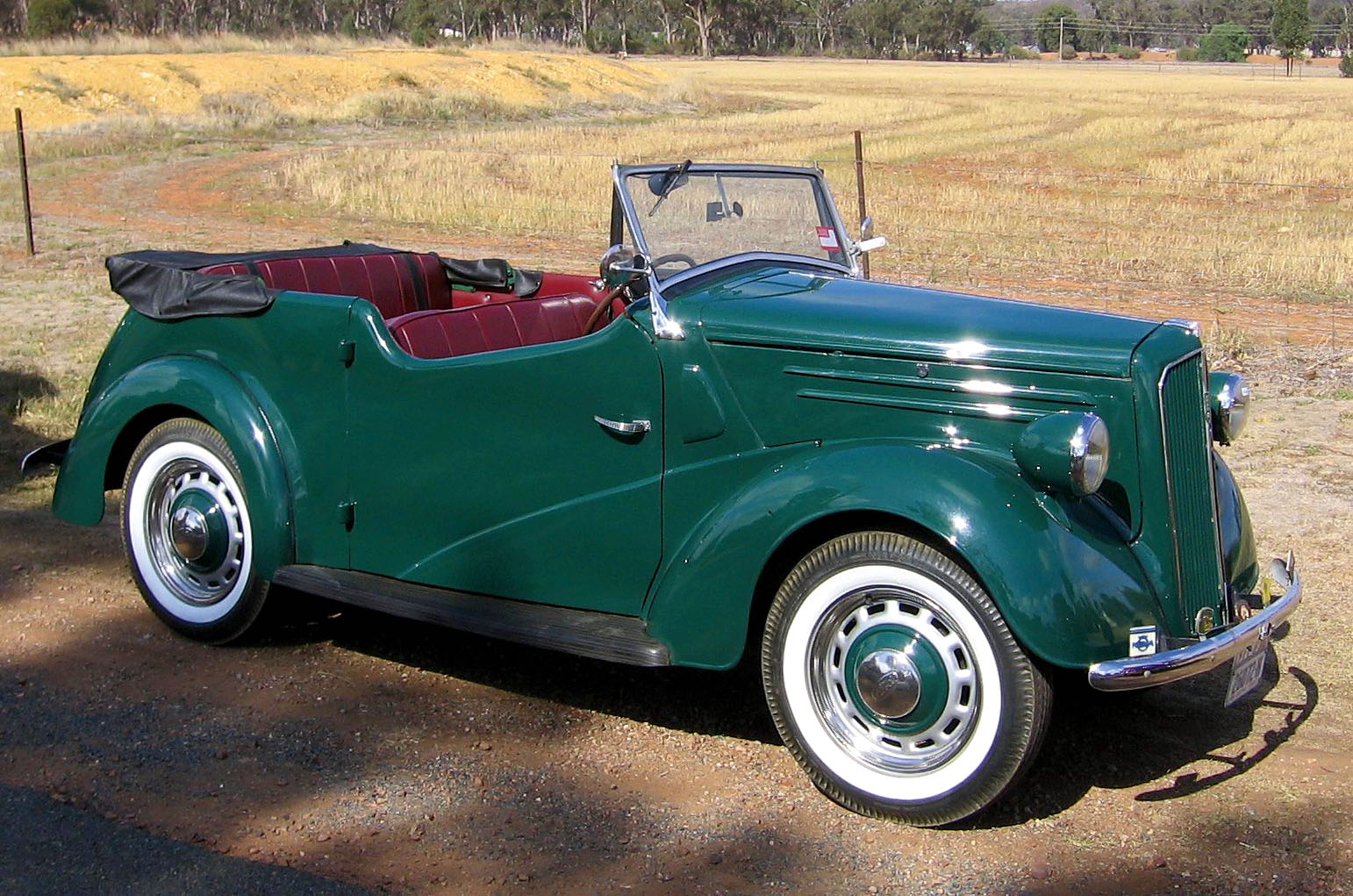
 There was a variety of unique-to-Australia open 8hp and 10hp sidevalves, but post-war Ford marketed just a single Sports Tourer, on the shorter 8hp chassis (above).

From 1949 the ‘twin-nostril’ front replaced the upright ‘coffin nose’ of the E04A Anglia, and a year later the 1172cc 10hp engine was standardised. The bodies were by Melbourne-based Martin & King.

Classic & Sports Car – Vauxhall Caleche: a new life Down Under

An open-top Morris Eight Series E was built Down Under after WW2

Morris Eight Series E

Cowley didn’t reintroduce the Series E Tourer post-WW2, but in Australia it had Richards of Adelaide create a steel, open four-seater Eight (known locally as the 8/40). Unlike the UK car, it had flat-topped doors and a fixed ’screen (above).

Standard Flying Eight

Again bodied by Richards, but with cutaway doors. With its opening boot and internal spare, it was very different from Standard’s British offering, which was continued after the war.

Singer Twelve

Pre-war, Singer offered an Aussie-bodied tourer version of the Bantam, a rather more elegant device than the home-market car. Post-war, a four-seat tourer was available on the 12hp chassis.

Thanks to: Bill Ballard for help with information on Australian-bodied small Fords


Enjoy more of the world’s best classic car content every month when you subscribe to C&SC – get our latest deals here


READ MORE

Austin Kimberley X6: Australia’s Landcrab

The Land-Rover that lapped Australia four times