MGB GT vs Triumph TR7 vs Reliant Scimitar GTE: all-weather heroes

| 23 Jun 2025
Classic & Sports Car – MGB GT vs Triumph TR7 vs Reliant Scimitar GTE: all-weather heroes

What inspired your love of classic cars?

Was it that long ago trip to Earls Court to see the sensational Jaguar E-type; those advertisements in Autocar for the new Ford Capri, the car you always promised yourself; or that ride in next-door’s Triumph Stag, when you could barely see over the dash?

Whatever it was that sowed the seed, it’s part of what has made the classic hobby such a broad church – particularly when it comes to British fare.

From humble Austin Counties to exotic Aston Martin DBs, there is something for all tastes and wallets.
Classic & Sports Car – MGB GT vs Triumph TR7 vs Reliant Scimitar GTE: all-weather heroes

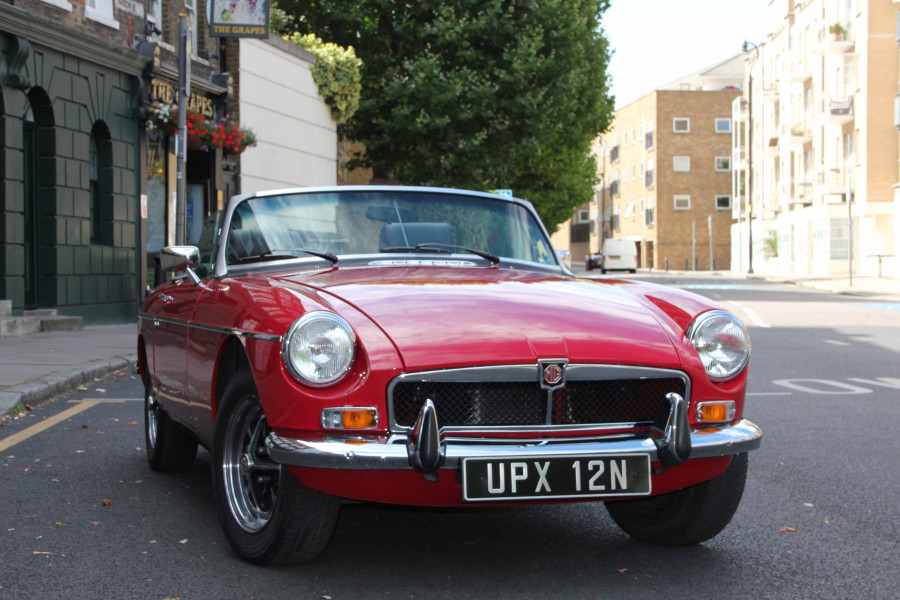
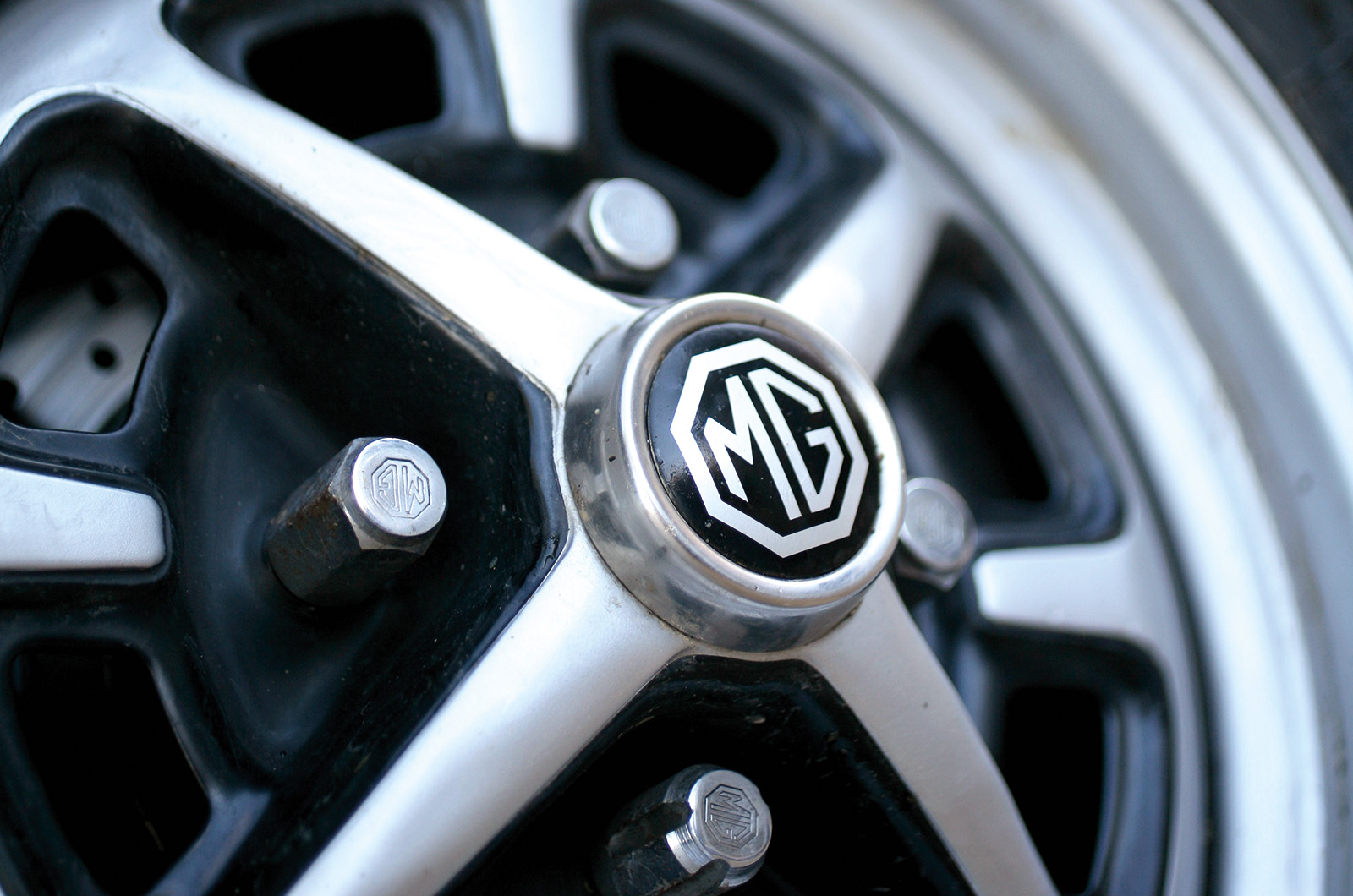
This MGB GT Mk2 is fitted with RoStyle wheels

Weathers, too, which is no bad thing considering our inclement climate.

Wind-in-the-hair experiences might be central to the definition of a sports car for some, but, let’s face it, you’ll get a lot more out of the hobby if you opt for the waterproofing of a fixed-head.

What’s more, the absence of a folding roof has traditionally made GTs less coveted – so you need shallower pockets to get behind the wheel.

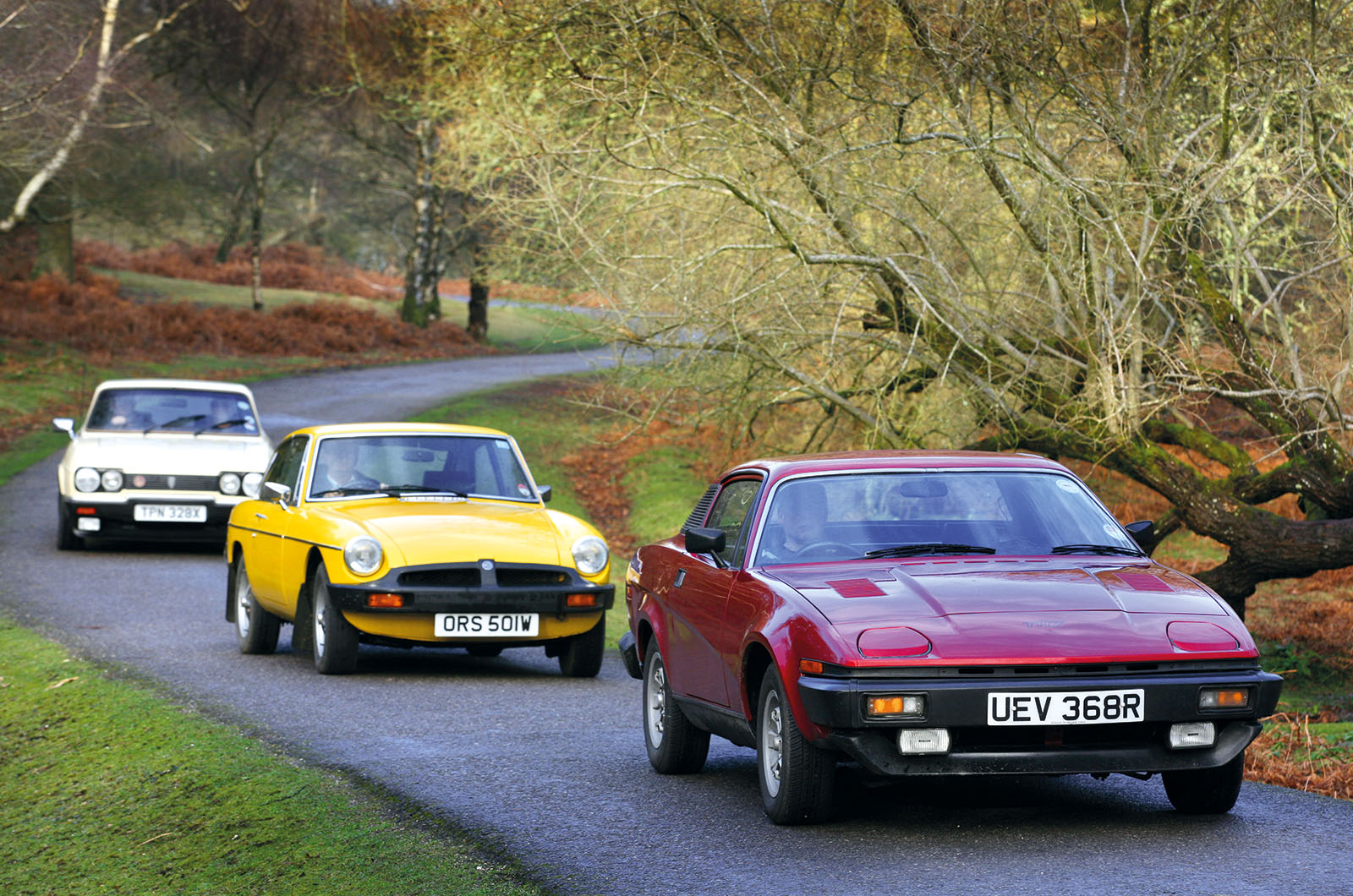
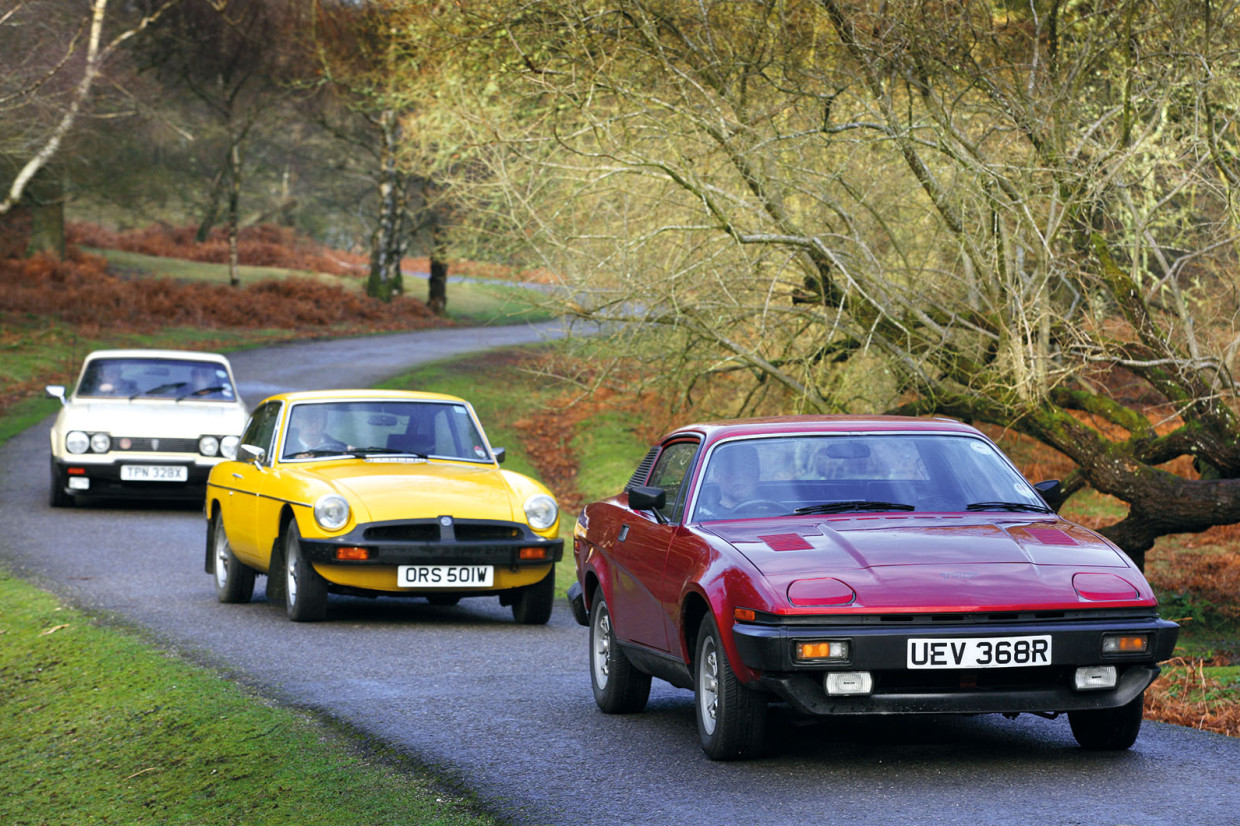
Which brings us to these 1970s GTs: the Triumph TR7, MGB GT and Reliant Scimitar GTE.
Classic & Sports Car – MGB GT vs Triumph TR7 vs Reliant Scimitar GTE: all-weather heroes

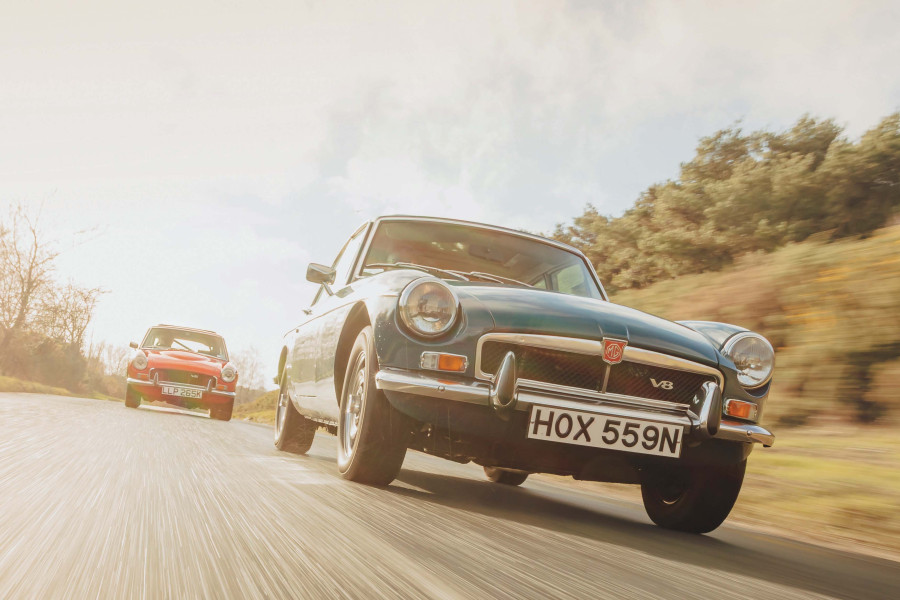
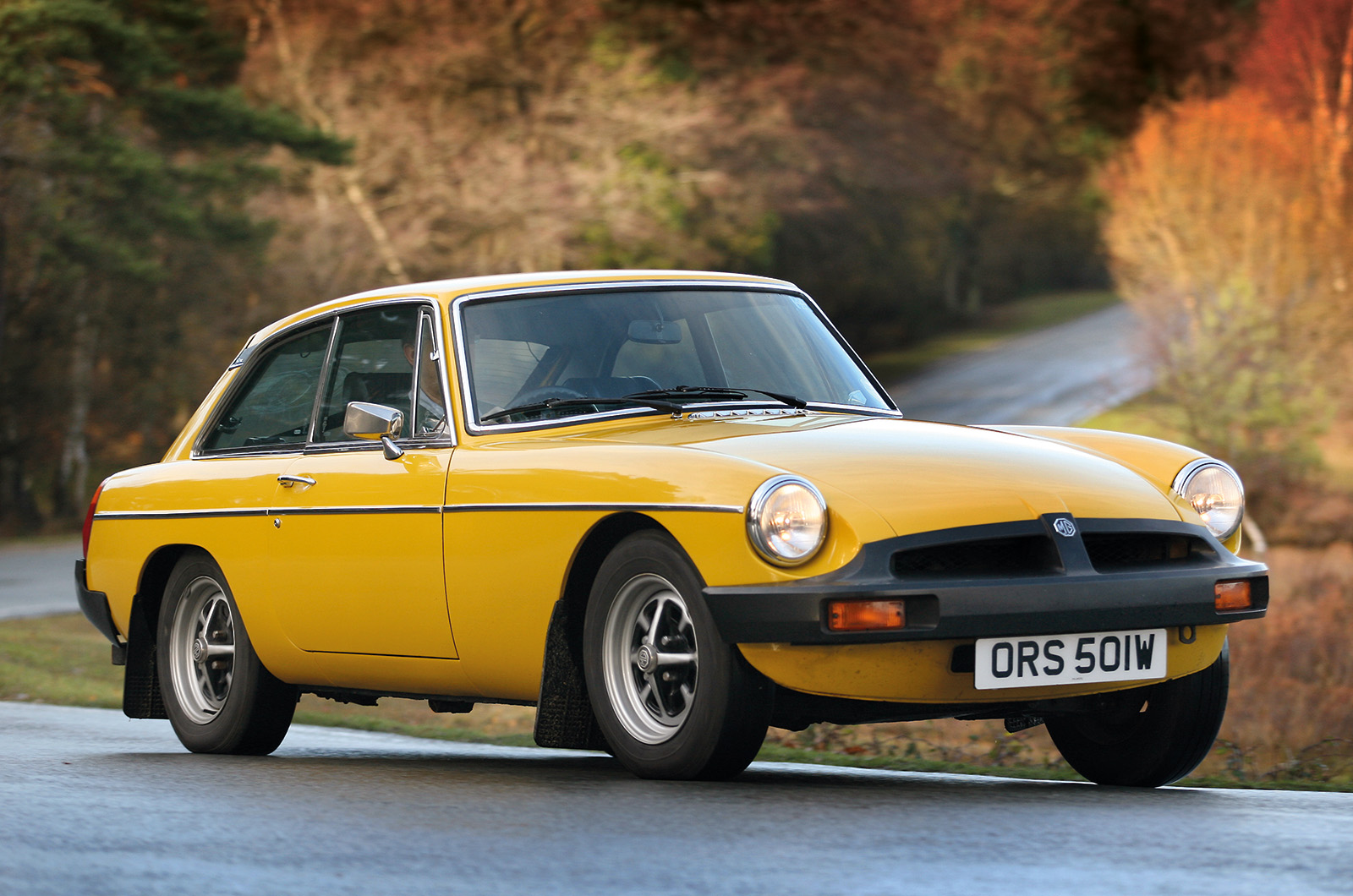
The rubber-bumper MGB GT had a higher ride height than its predecessor
The former two brands are at the heart of the British sports car Premier League, while the latter is a representative from the relegation zone of the Nationwide that’s famed for adding a dash of eccentricity – where would English sitcoms be without its famous three-wheeler?

Three patriotic marques, then, but history has been unkind to them in many respects.

Diehard Triumph enthusiasts were cynical about the 7’s TR nomenclature from the off, claiming that the new car’s design owed little to its long-running sporting heritage.

Classic & Sports Car – MGB GT vs Triumph TR7 vs Reliant Scimitar GTE: all-weather heroes

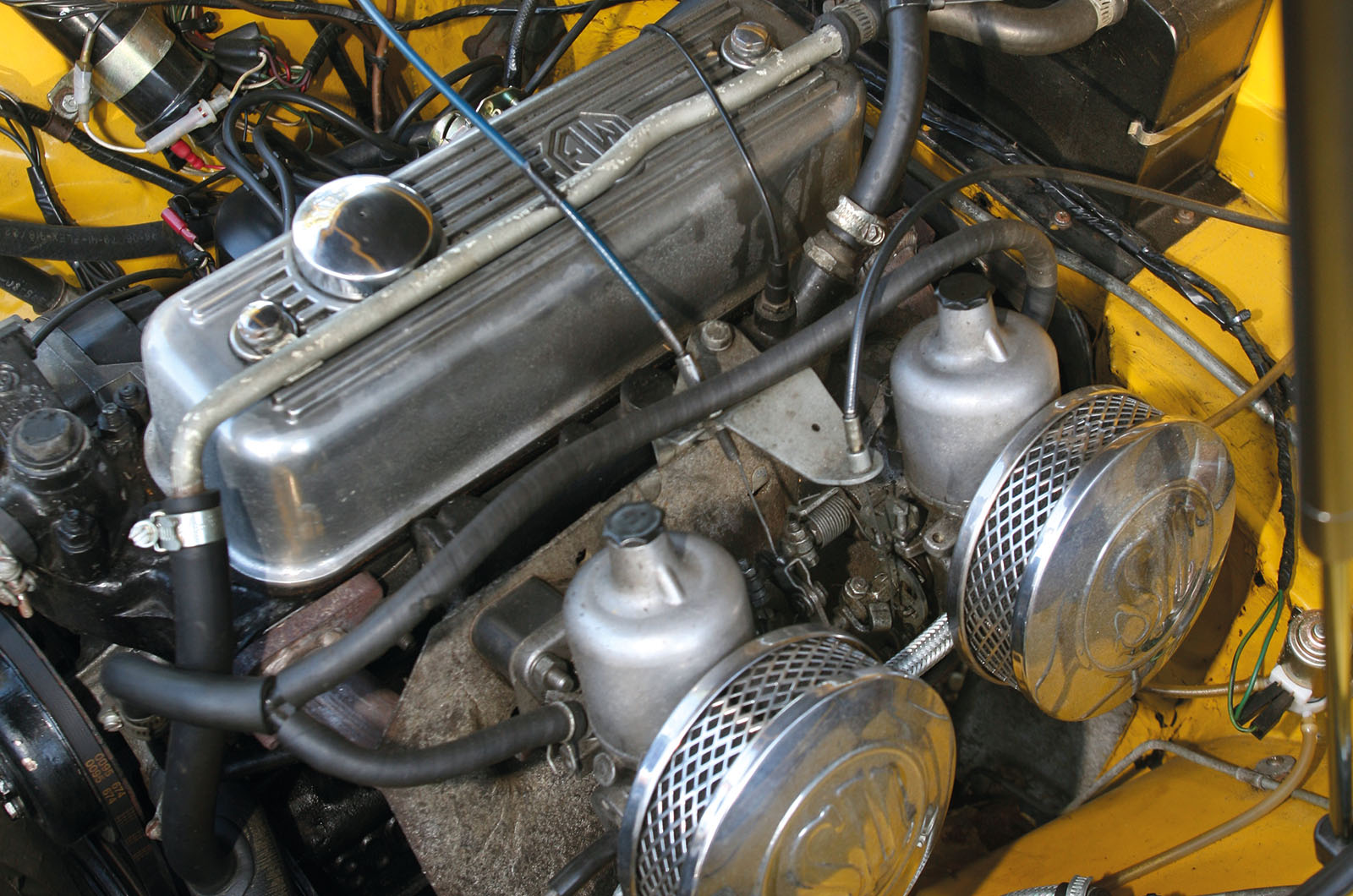
The MGB GT’s steadfast B-series engine

The much-loved MG suffered the indignity of a rubber-fronted facelift for its trademark chrome visage in order to meet Federal safety legislation in the mid-’70s, while Reliant’s low-volume Scimitar had to put up with weight gain allied to a reputation for iffy build quality and scepticism over its glassfibre construction.

The good news is that a usable example of any one of this trio remains a pretty affordable prospect.

However, these three classic cars are as different to drive as they are to look at.

Classic & Sports Car – MGB GT vs Triumph TR7 vs Reliant Scimitar GTE: all-weather heroes

‘The view ahead is traditional, with wing-tops capped by chrome headlight trims’

Naturally, it’s the MGB GT that most will recognise first.

Along with its familiar octagon badge, the B’s simple lines – whether in roadster or GT form – have come to epitomise the British sports car.

The Triumph TR7’s design is less identifiable: although the ‘wedge’ is pure 1970s – even more so when finished in brown, green or orange – it simply isn’t etched into our collective cerebra quite like that of the MG.

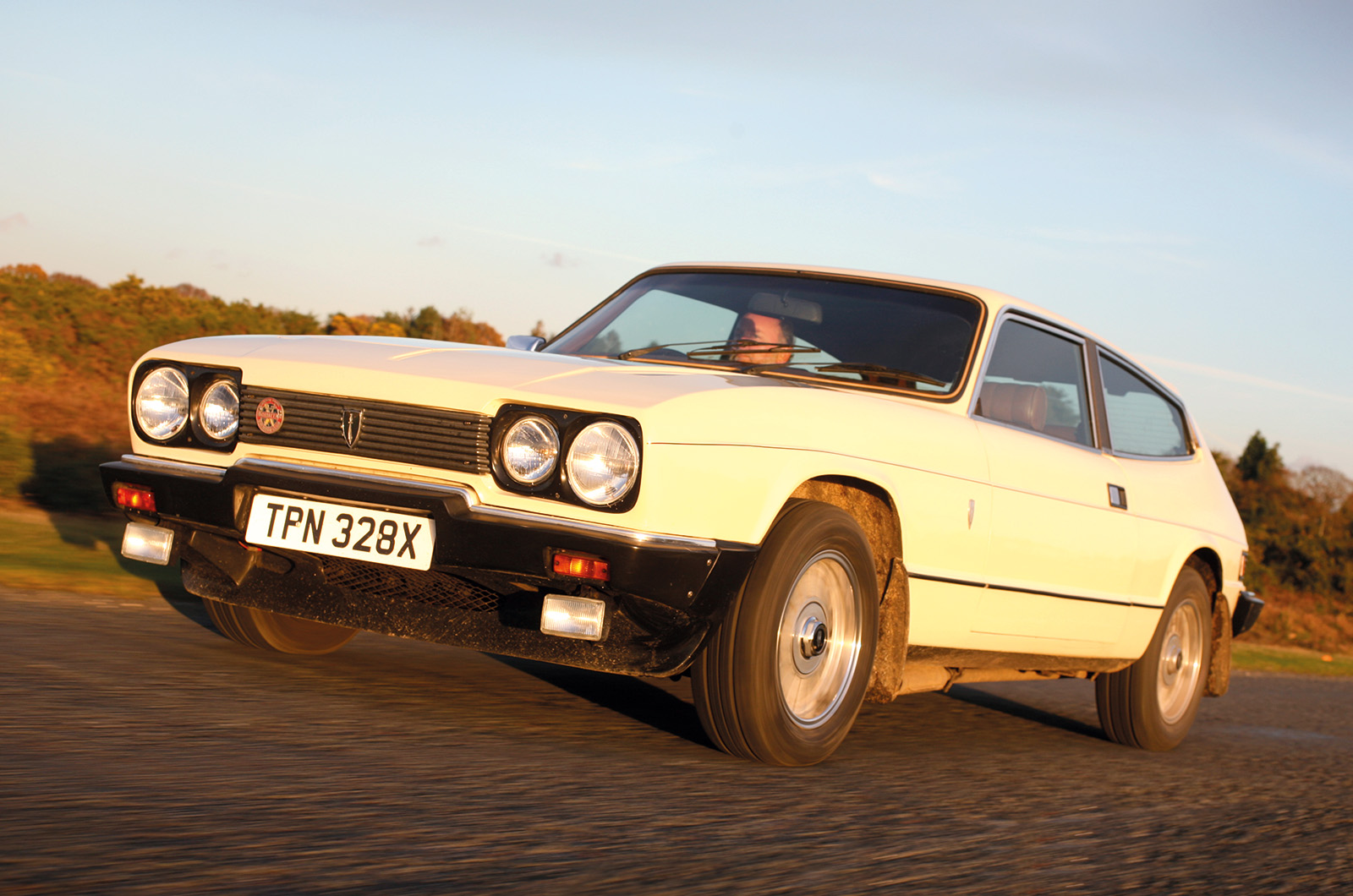
And, if you want something truly alternative, there’s always the sports-estate shape of the Scimitar GTE, which – like the MGB – has styling DNA that emanates from the 1960s.

Classic & Sports Car – MGB GT vs Triumph TR7 vs Reliant Scimitar GTE: all-weather heroes

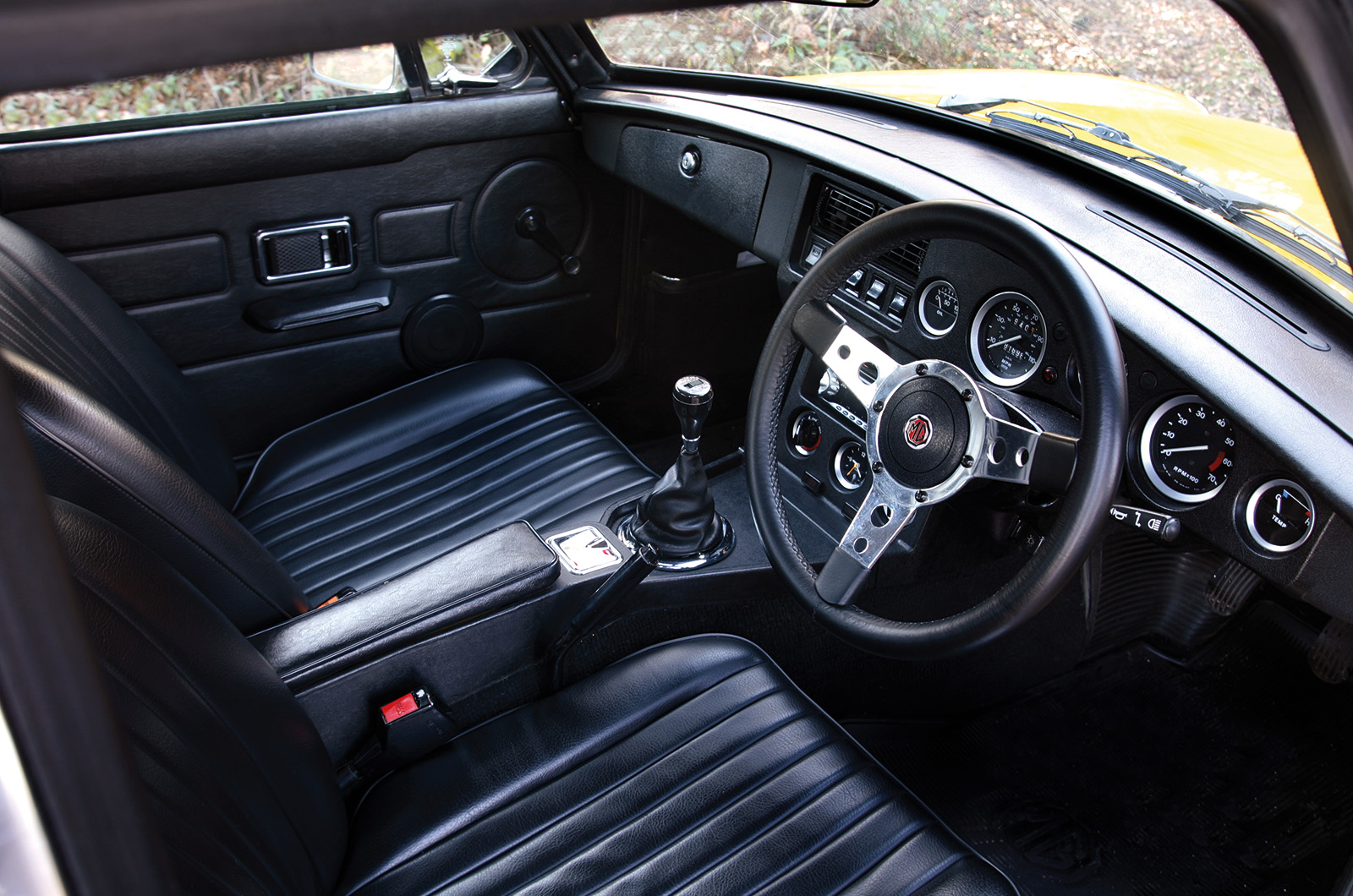
The MGB GT’s cabin is roomy, with a small steering wheel

Their origins are similarly disparate.

The MGB GT’s development is the most logical – and conventional – having come about in 1962 as a successor to the then-outdated MGA: it boasts a beefier four-pot B-series engine and, a first for an MG sports car, monocoque construction.

Three years later the GT arrived, its hatchback styling a masterful rework of the roadster’s lines to meet customer demand for a coupé.

That it was successful is in no doubt: some 32% of nearly 400,000 MGBs produced until 1981 were GTs.

Classic & Sports Car – MGB GT vs Triumph TR7 vs Reliant Scimitar GTE: all-weather heroes

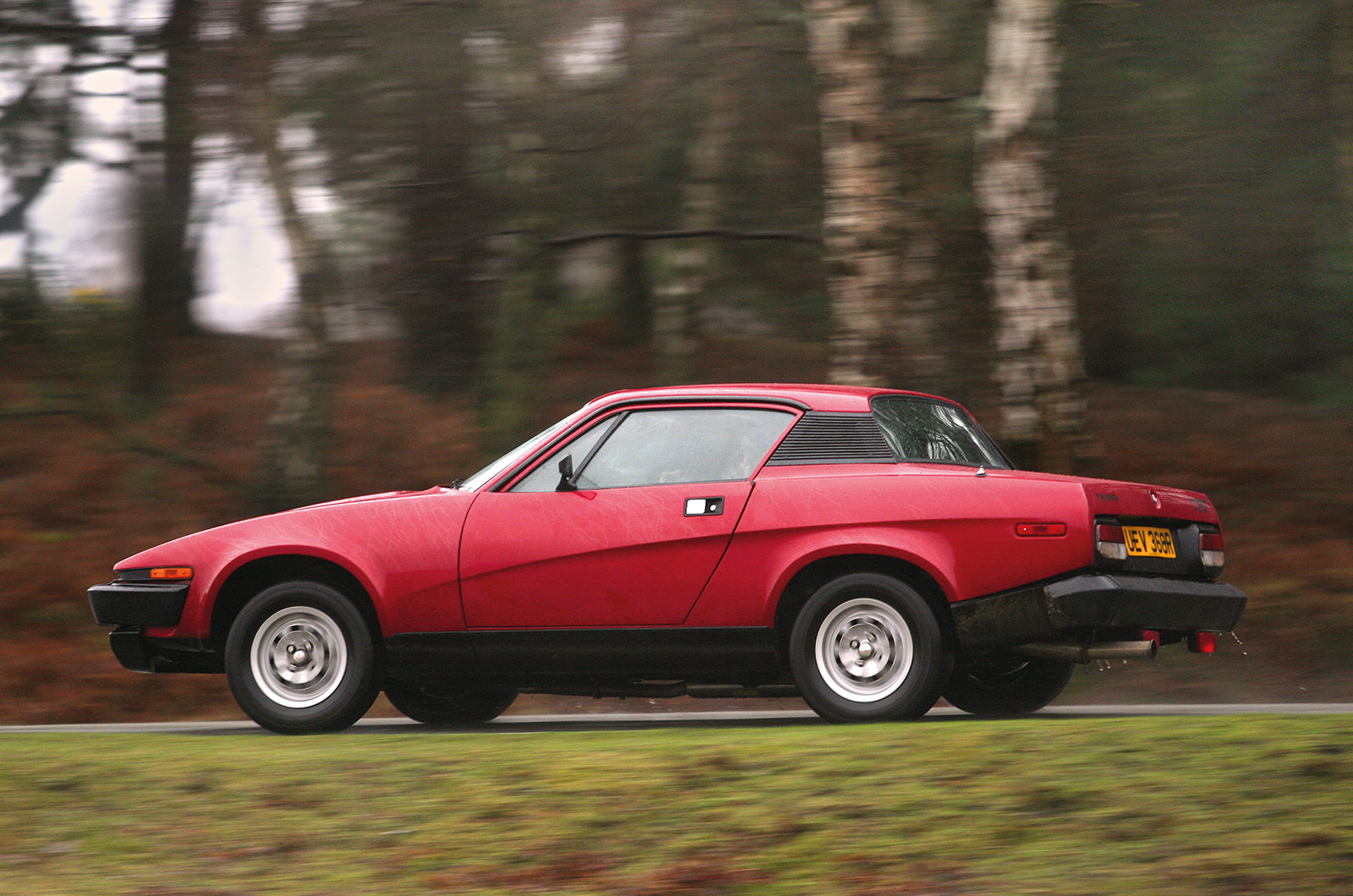
The Triumph TR7’s profile still divides opinion

Of course, the big step-change that helped it soldier on for so long was the adoption of rubber impact bumpers in 1974, along with much-needed updates to the cockpit ventilation and instrument layout.

The Reliant Scimitar was a relatively long-runner, too, the 1975-on SE6 being longer (by 4in) and wider (by 3in) than the 1968 SE5 original by Ogle Design.

It used the same Ford 3-litre Essex V6 as the SE5, until it was replaced in 1979 by the 2.8-litre Cologne unit.

Always a slightly alternative choice – in the way a Saab or a Volvo might have been in the 1970s – the Reliant was given a boost with a little royal endorsement after Princess Anne took delivery of the first of several new GTEs.

Classic & Sports Car – MGB GT vs Triumph TR7 vs Reliant Scimitar GTE: all-weather heroes

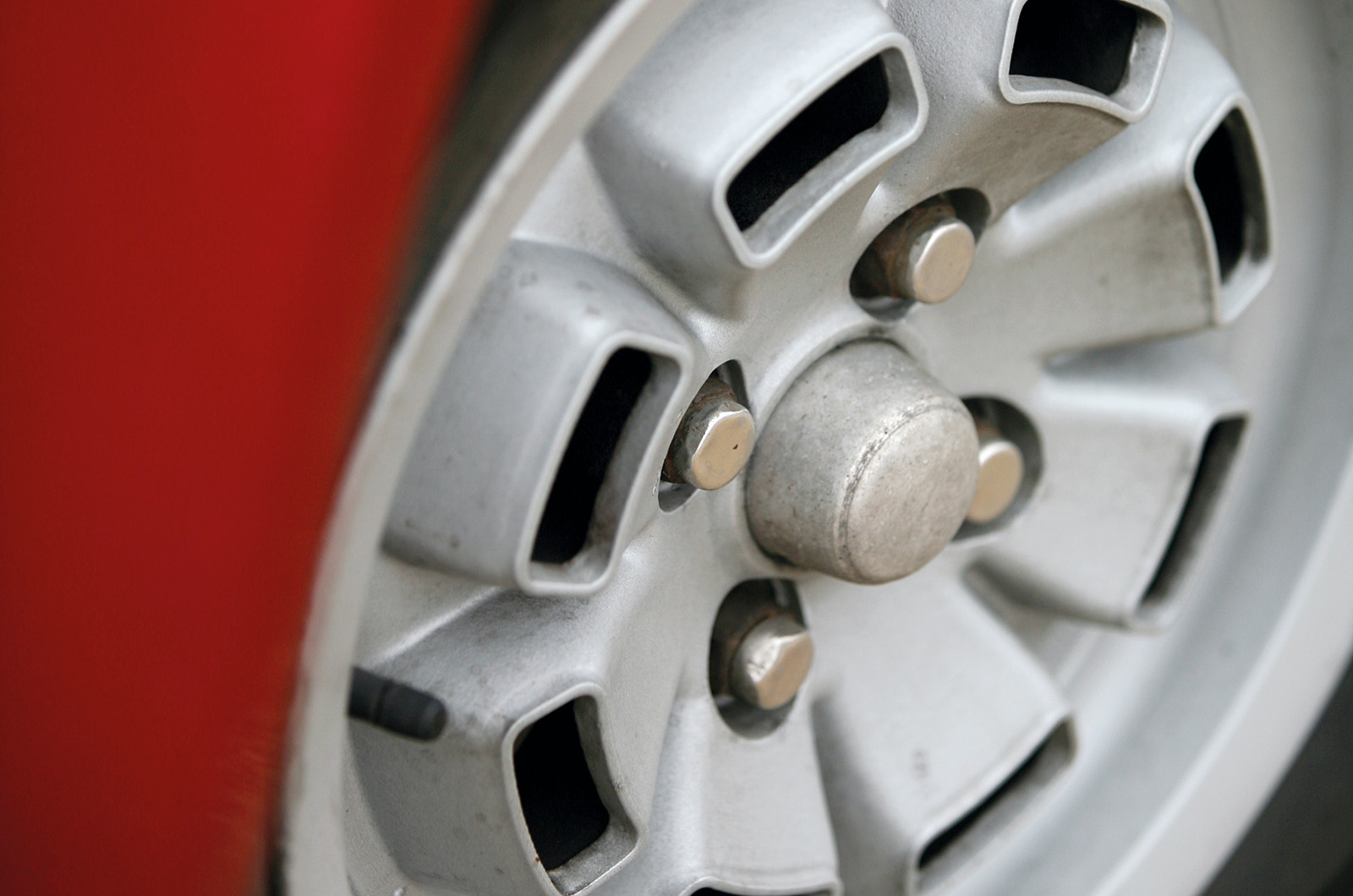
The Triumph TR7’s neat alloy wheels

The Triumph TR7, by way of contrast, was the new kid on the block when it hit the streets in 1975: it was a clean-sheet design from the ill-fated British Leyland empire, which urgently needed a sports car to satisfy stringent Federal safety and emissions legislation in the vital American market.

Triumph might have had an impressive legacy until then, but an evolution of the brutish, separate-chassis TR6 was never going to please the safety tsars.

What’s more, a poll of US dealers by BL revealed a demand for mechanical simplicity, so out went the TR6’s independent rear suspension and mechanical fuel injection, and in came a carb-fed four-cylinder.

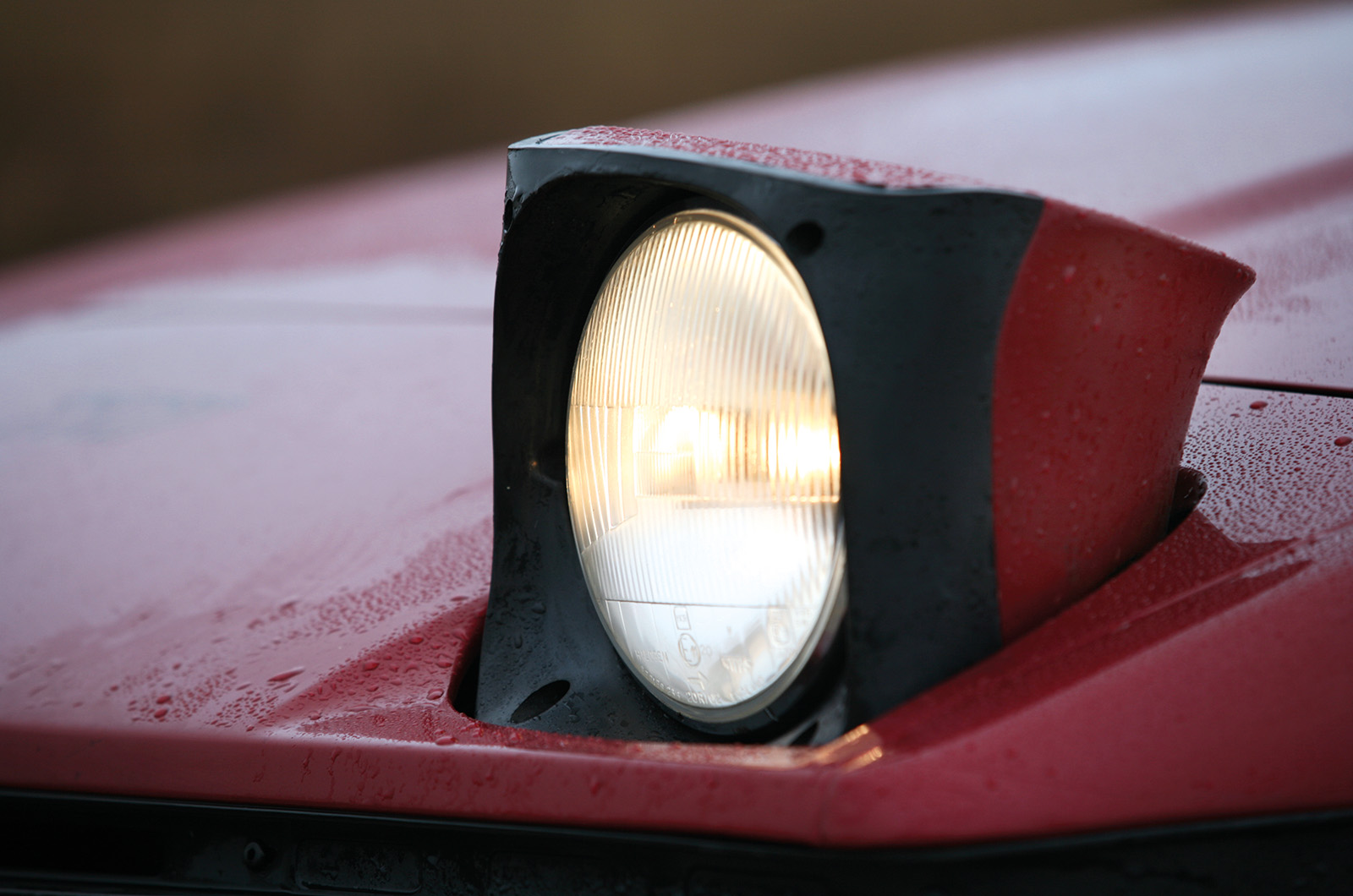
Still, it was at last in a monocoque coupé shell, and its striking Harris Mann lines wedged it – literally – firmly into the ’70s consciousness, aided by its pop-up headlights and garish upholstery.

Classic & Sports Car – MGB GT vs Triumph TR7 vs Reliant Scimitar GTE: all-weather heroes

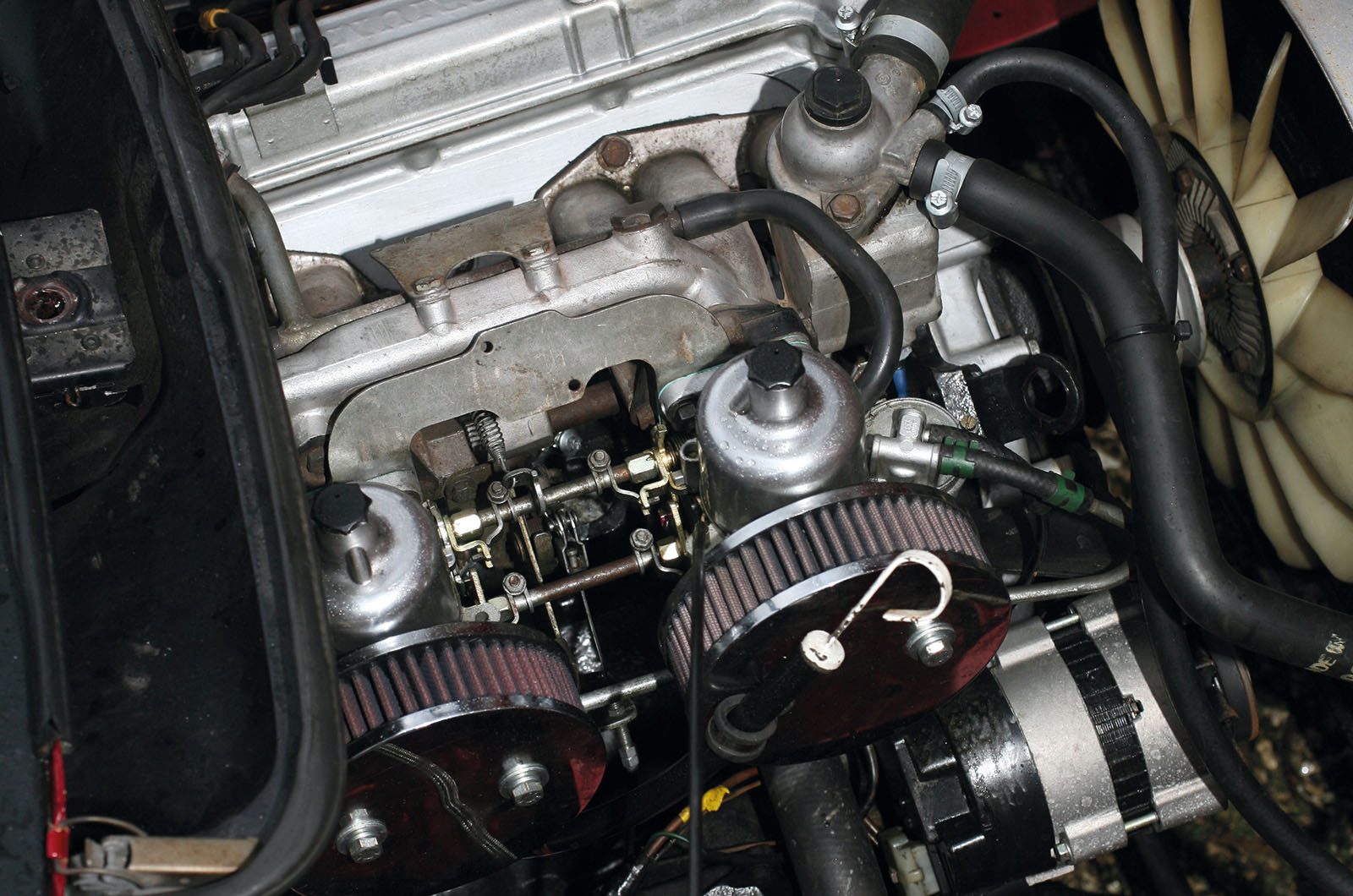
The Triumph TR7’s faithful ‘four’

So what are these GTs like today? Just opening the door of any one of them will have you embarking on a little time travel to your formative classic years.

Take the MG: with its black vinyl interior, circular Smiths instruments and snug, deep footwells it feels just how a traditional 1960s GT should – but with enough ’70s updates to the controls to make it easier to live with.

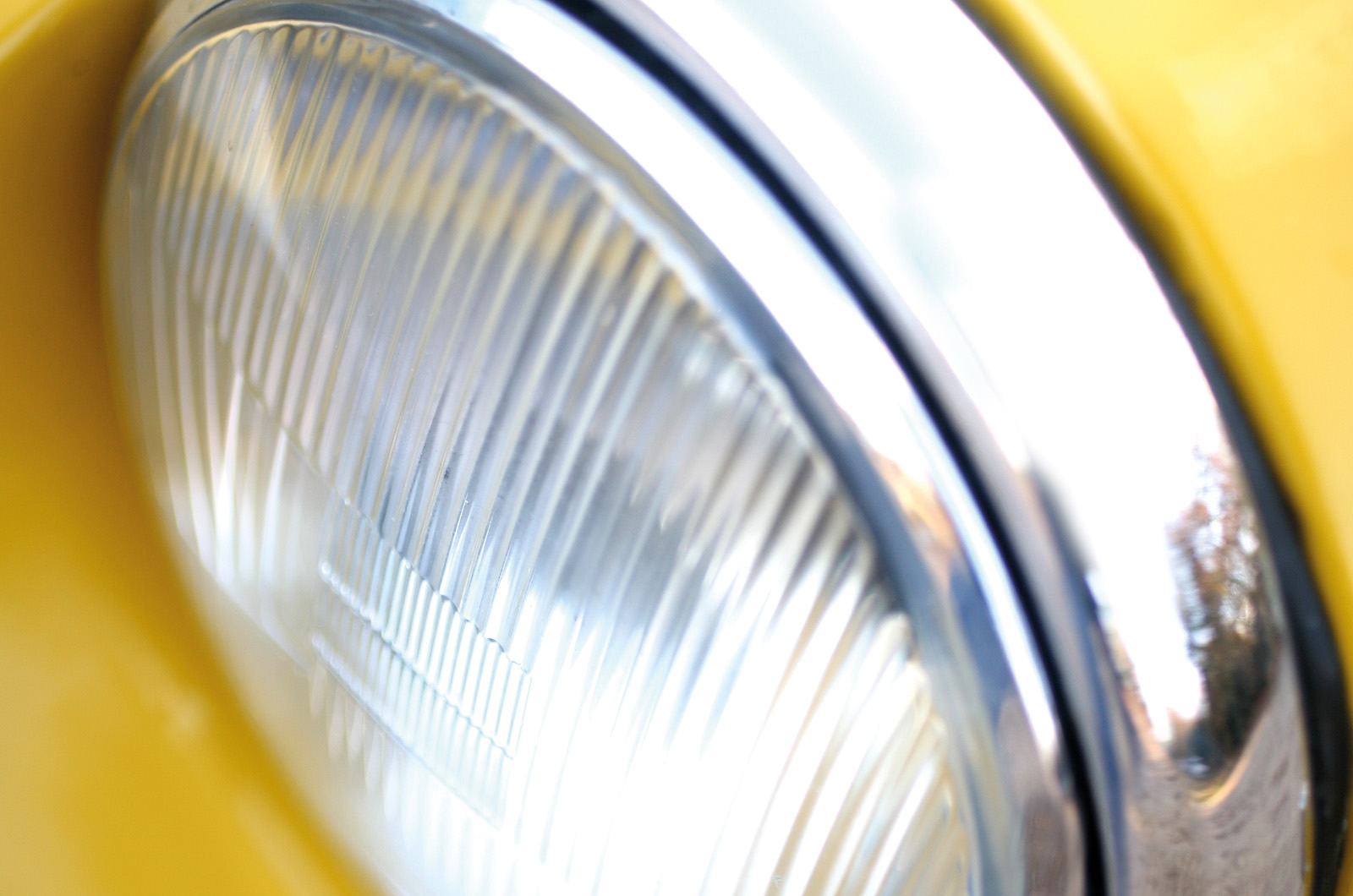
The view ahead is traditional, too, with the wing-tops capped by chrome headlight trims – again just what a classic enthusiast might expect to see from behind the wheel of a proper British GT.

Classic & Sports Car – MGB GT vs Triumph TR7 vs Reliant Scimitar GTE: all-weather heroes

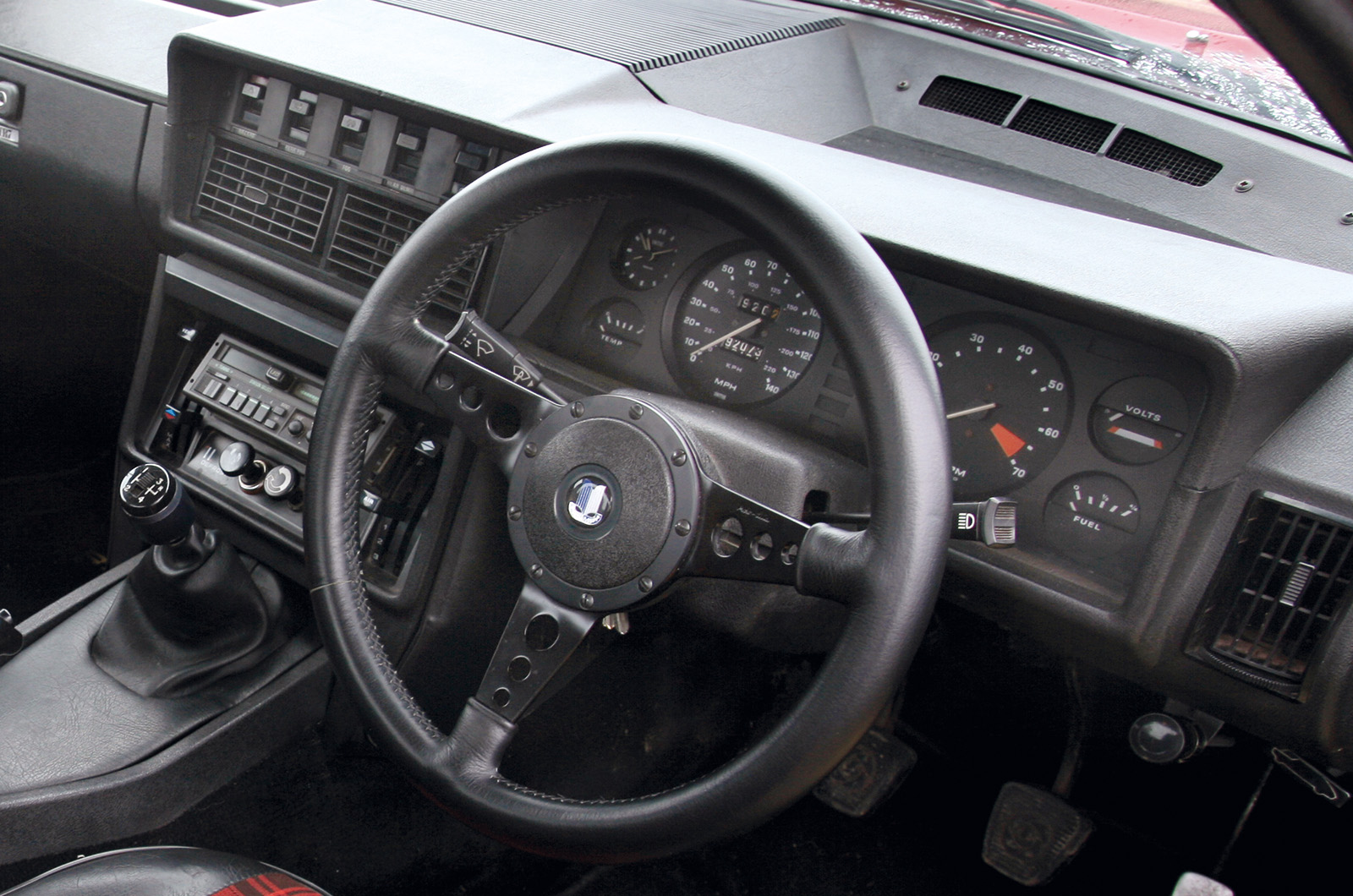
This Triumph TR7 has a non-standard steering wheel

Step into the TR7 and you’ll appreciate just how clean Mann’s sheet of paper was when he started sketching.

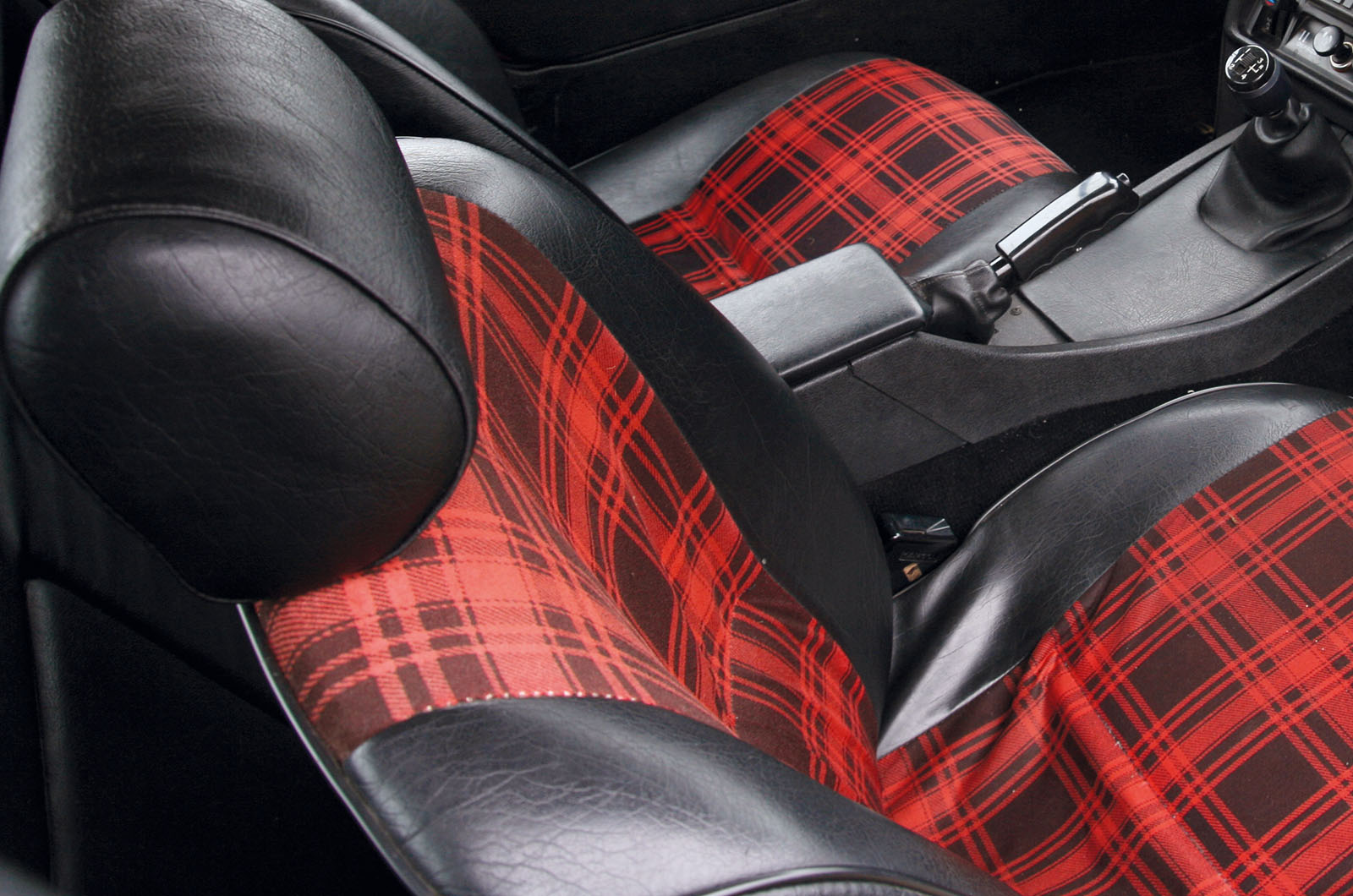
The seats are a feature in themselves, thanks to their loud tartan fabric, and the dash has enough sliding switches and geometric planes to rival an aircraft cockpit.

Life gets a lot more spacious when you climb aboard the airy GTE – the only true four-seater in our trio.

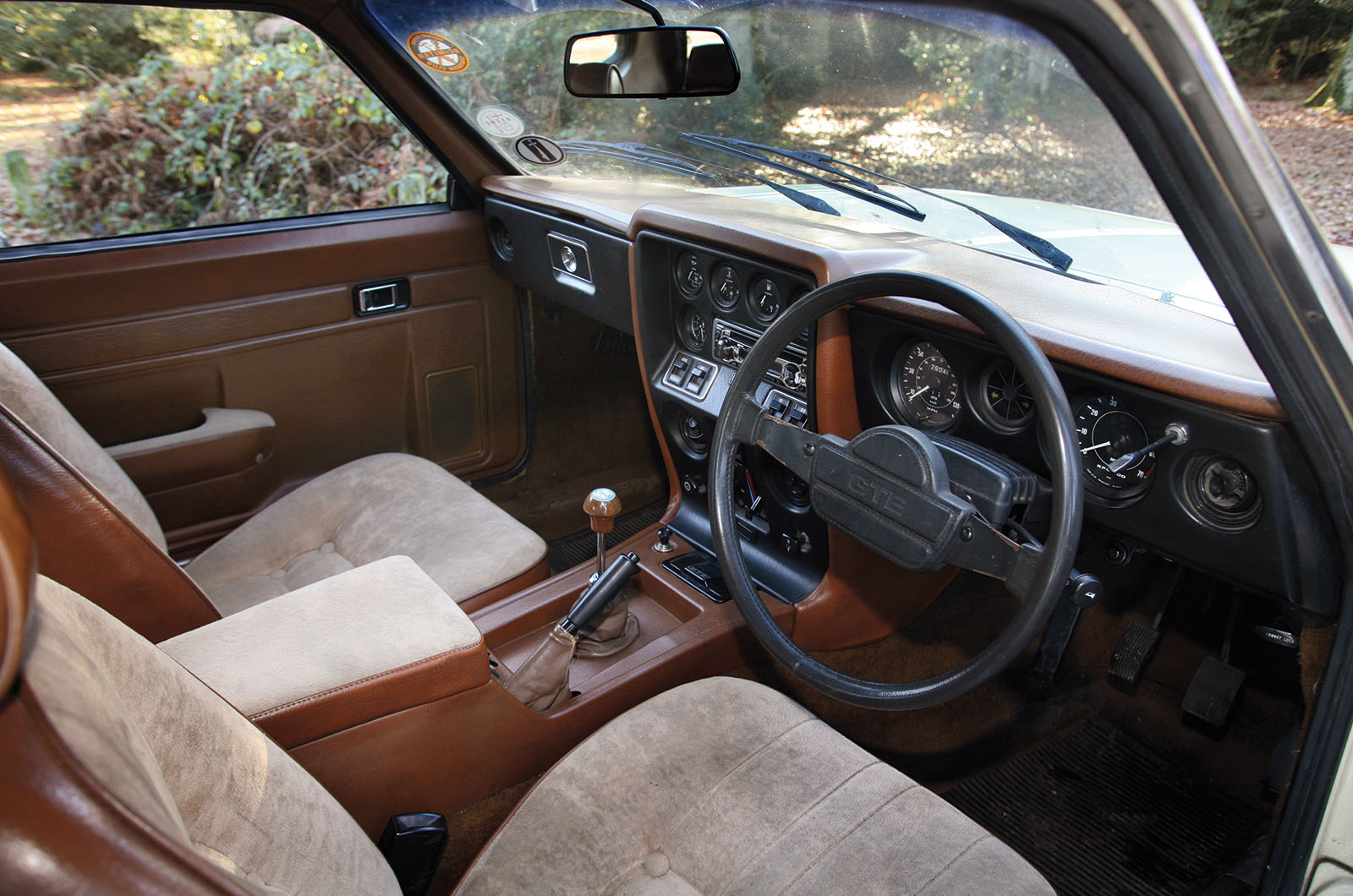
The interior is dominated by an imposing central dashboard panel that’s topped by a bank of gauges and wrapped by acres of brown vinyl.

Classic & Sports Car – MGB GT vs Triumph TR7 vs Reliant Scimitar GTE: all-weather heroes

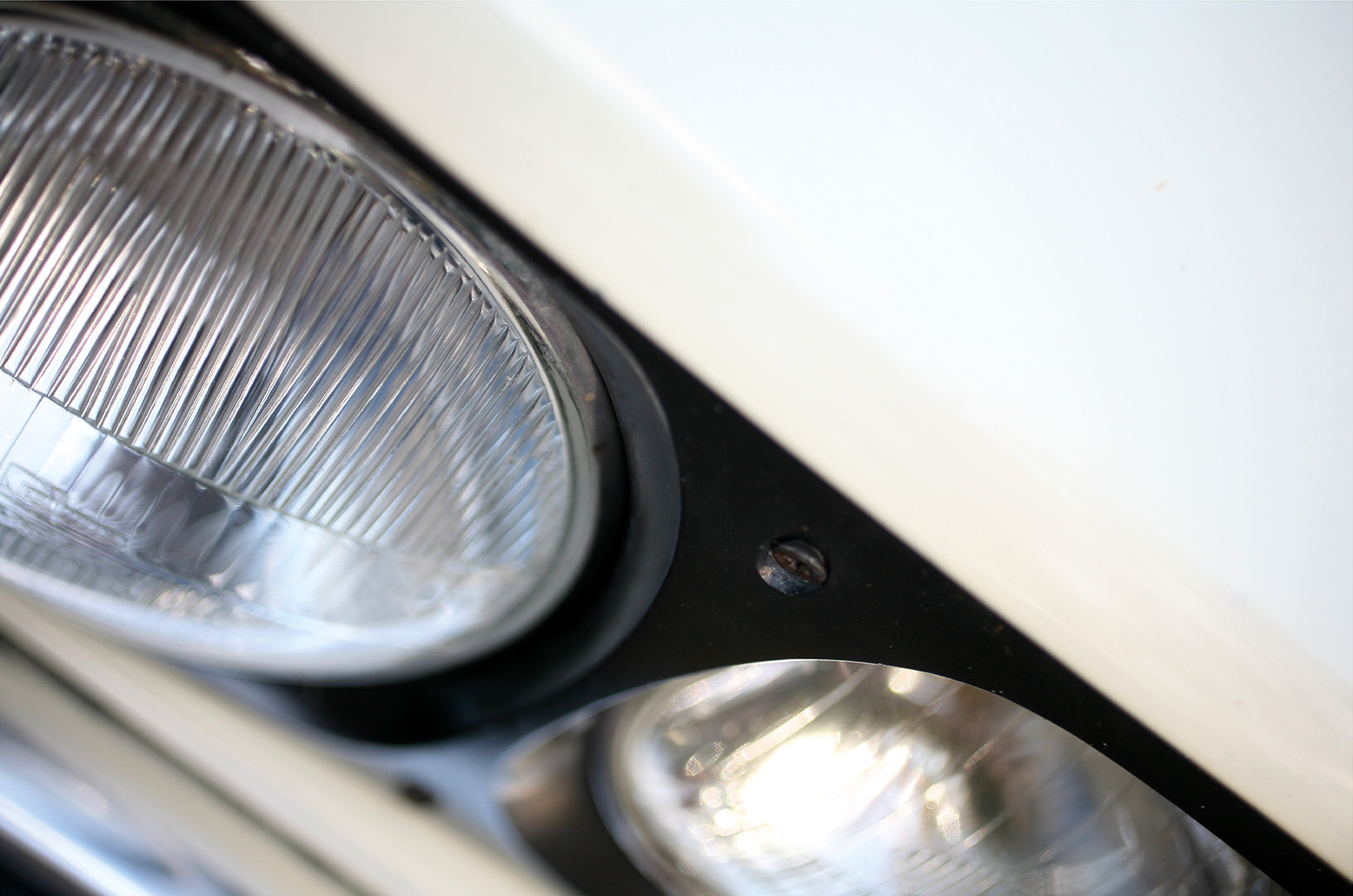
The Triumph TR7’s pop-up headlights

There’s more luxury in here, too, with deep-pile carpets and electric-window switches in the central armrest.

This was, after all, aimed at the successful up-and-coming executives who wanted style plus space for a sprog or two in their GTs.

The cars’ characters are even more apparent when you turn their keys.

Where the MGB bursts into life with an urgent, slightly flatulent rasp, the GTE woofles with a steady, deep thrum.

Classic & Sports Car – MGB GT vs Triumph TR7 vs Reliant Scimitar GTE: all-weather heroes

The TR7’s tartan seats are certainly eye-catching

In contrast, the Triumph TR7’s single-overhead-cam unit has a more familiar and more modern four-cylinder beat.

It offers the most up-to-date feel on the road, too, with light unassisted steering and a nicely weighted gearchange.

Close your eyes and the low-set, arms-outstretched driving position will have you thinking you’re in something exotic and Italian.

There are no such illusions in the MGB GT.

Classic & Sports Car – MGB GT vs Triumph TR7 vs Reliant Scimitar GTE: all-weather heroes

The Reliant Scimitar GTE got a wider body shape for the 1975-on SE6

The styling might hint at European influences (MG is said to have taken more than a passing interest in the Renault Floride), but the MGB’s ensconced driving position and the gutsy urge of its four-cylinder engine are pure Britannia.

It is a little unrefined at times, but there’s an honesty about the B that makes it endearing and a lack of pretension that implies that what you see is what you get. 

Step back aboard the Reliant Scimitar and it immediately offers a sensation of capability.

The GTE might have a glassfibre body, but its broad dimensions and flat, expansive bonnet give a commanding feel.

Classic & Sports Car – MGB GT vs Triumph TR7 vs Reliant Scimitar GTE: all-weather heroes

‘The Reliant Scimitar GTE might have a glassfibre body, yet its broad dimensions and flat, expansive bonnet give a commanding feel’

There are creature comforts such as (albeit optional) power steering, so you won’t need to break into a sweat when the going gets twisty.

If it’s outright performance you’re after, the Triumph TR7 and the Reliant Scimitar GTE are on a par – with 0-60mph achieved in less than 10 secs – but the whopping 162lb ft from the GTE’s 2.8-litre V6 engine makes it feel a lot more urgent, even if it doesn’t reward with as much punch at the higher end of the rev range.

The TR needs to be revved, however, which is just as well given that – in standard form – it’s the only one sans overdrive, although that was corrected by the addition of the Rover five-speed gearbox in 1978.

Classic & Sports Car – MGB GT vs Triumph TR7 vs Reliant Scimitar GTE: all-weather heroes

The Reliant Scimitar GTE’s spacious cabin

The Reliant Scimitar GTE has higher gearing: it barely pulls 3000rpm in overdrive top at the legal limit, which is why it’s good for an extra 10mph over the Triumph TR7 – and 20mph ahead of the MGB GT, which manages 0-60mph in a lethargic 14 secs.

That’s in part down to the emissions-strangling spec of its venerable B-series, which by 1977 was nearly 10bhp down on the original’s 94bhp.

But what the MG lacks in straight-line urge it makes up for with its engine’s character and the agility of its chassis.

On a winding B-road it’s easier to carry speed through corners than in the 328lb-heavier Scimitar, only breaking into gentle oversteer if you’re really hoofing it.

The Scimitar is the only car here to wag its tail on demand, because its substantial torque output overcomes the available grip.

Classic & Sports Car – MGB GT vs Triumph TR7 vs Reliant Scimitar GTE: all-weather heroes

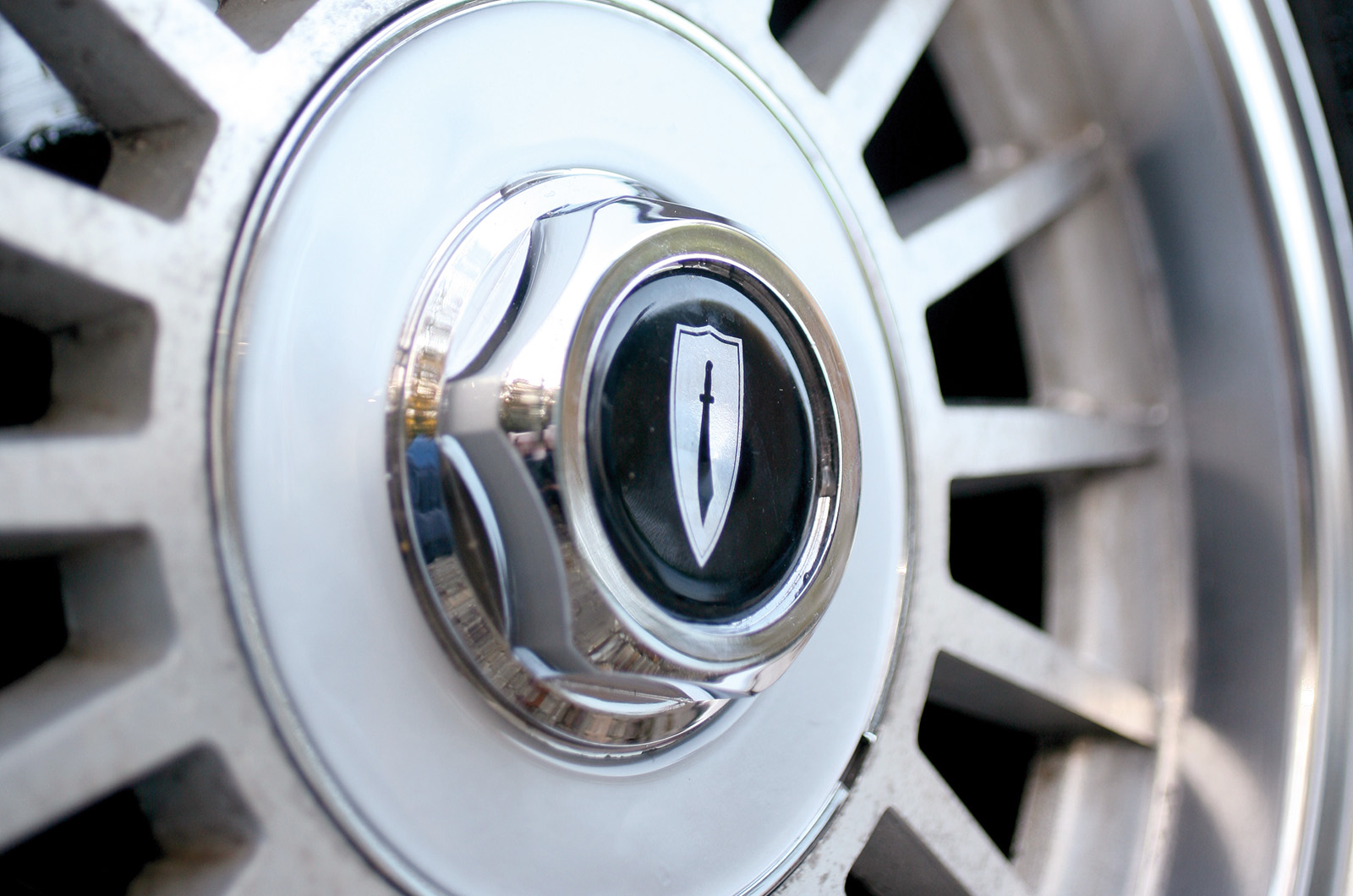
This Reliant Scimitar GTE has a set of wheels from the later, Middlebridge-built cars

Ride quality varies dramatically. All three cars boast a live back axle, but it’s the TR7 that is by far the softest, courtesy of Triumph’s need to pander to American buyers.

This example is aided by stiffer springing, but corner too enthusiastically in a standard TR7 and you’ll wallow away like a pig in a mudbath.

The MGB, with its old-fashioned leaf springs, is lively, but it’s more composed during sudden direction changes.

The ride is firmer, too: take a tight corner at speed in the MG and you’ll lift one of its front wheels clean off the asphalt.

The longer wheelbase and wide track of the Scimitar make for a more compliant and composed attitude.

Classic & Sports Car – MGB GT vs Triumph TR7 vs Reliant Scimitar GTE: all-weather heroes

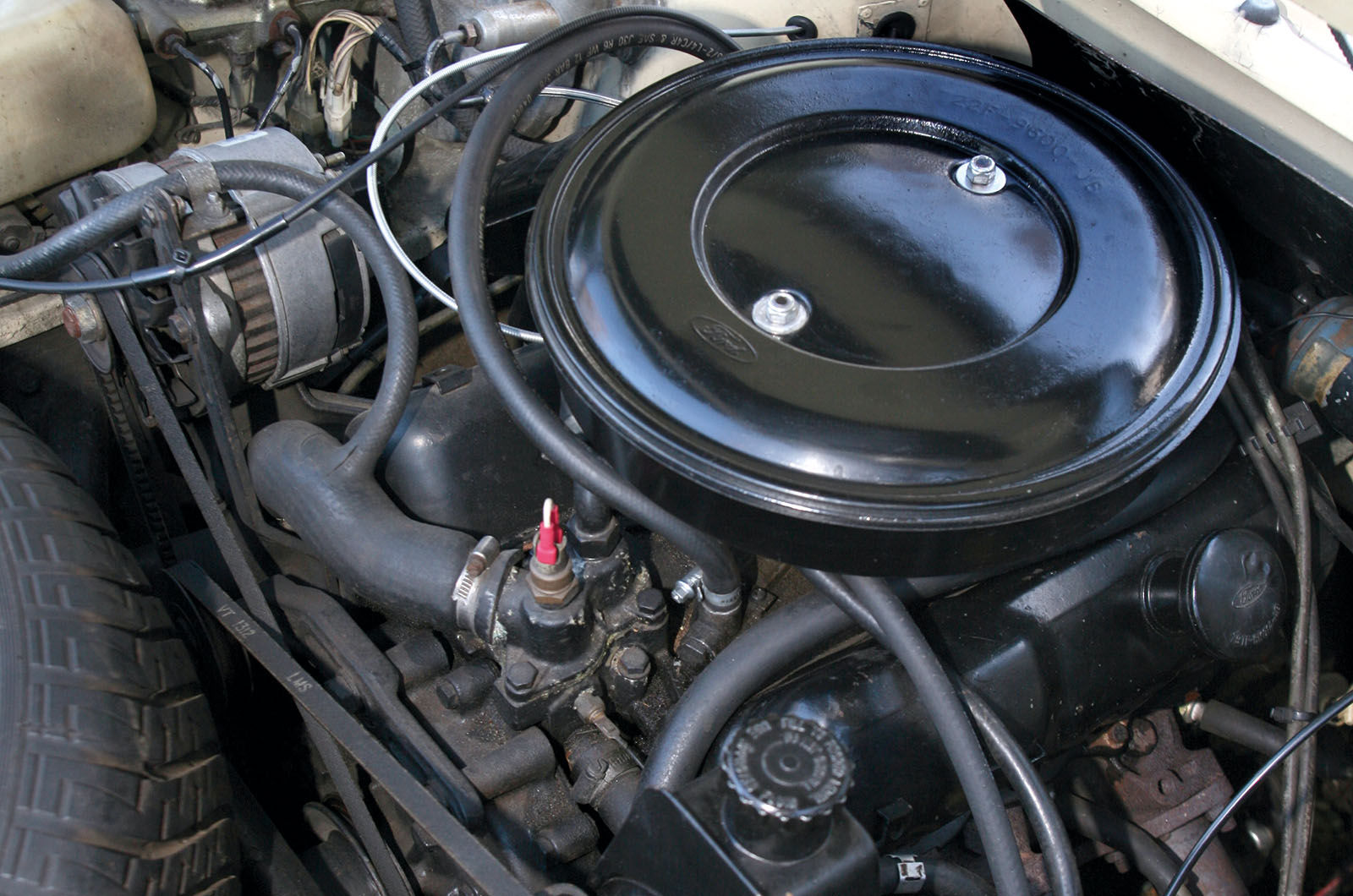
The Reliant Scimitar GTE’s lusty Ford V6

So which is best? That depends on which boxes you want to tick on the GT checklist.

Do you want a fast cruiser with space for younger offspring, or a traditional B-road thriller?

In a way, the Reliant Scimitar is the very antithesis of the MGB: a bigger, more comfortable interpretation of the GT concepts, happier loping along motorways than conquering the back-roads on which the BGT thrives.

But it’s the Triumph TR7 that bridges the gap, offering both the light controls and willing four-pot engine of the MG plus the more modern lines and softer ride of the beefy GTE.

Sure, it doesn’t have the Reliant’s leggy gearing or the traditional chrome-and-black-vinyl GT feel of the MG, but what else lets you bask in so much ’70s style for so little money?

The classic car community is indeed a broad church – and that’s no bad thing.

Images: James Mann

Thanks to: Robsport; MGOC; RSSOC; TR Register

This was first in our April 2008 magazine; all information was correct at the date of original publication


Factfiles

Classic & Sports Car – MGB GT vs Triumph TR7 vs Reliant Scimitar GTE: all-weather heroes

MGB GT Mk2

  • Sold/number built 1974-’80/103,762
  • Construction steel monocoque
  • Engine all-iron, ohv 1798cc ‘four’, twin SU carburettors
  • Max power 84bhp @ 5500rpm
  • Max torque 104lb ft @ 2500rpm
  • Transmission four-speed manual with overdrive on third and top, RWD
  • Suspension: front independent, by wishbones, coil springs rear live axle, leaf springs; lever-arm dampers, anti-roll bar f/r
  • Steering rack and pinion
  • Brakes discs front, drums rear, with servo
  • Length 13ft 2in (4020mm)
  • Width 5ft 2in (1570mm)
  • Height 4ft 1in (1245mm)
  • Wheelbase 7ft 7in (2311mm)
  • Weight 2442lb (1107kg) 
  • 0-60mph 14 secs 
  • Top speed 99mph
  • Mpg 25.7
  • Price new £3576 (1977)


Triumph TR7 fhc

  • Sold/number built 1975-’81/112,368
  • Construction steel monocoque
  • Engine iron-block, alloy-head, sohc 1998cc ‘four’, twin SU carburettors
  • Max power 105bhp @ 5500rpm
  • Max torque 119lb ft @ 3500rpm
  • Transmission four-speed manual (with non-standard overdrive on this car), RWD
  • Suspension: front independent, by MacPherson struts rear live axle, radius arms, coil springs, telescopic dampers; anti-roll bar f/r
  • Steering rack and pinion
  • Brakes discs front, drums rear, with servo
  • Length 13ft 4in (4064mm)
  • Width 5ft 6in (1676mm)
  • Height 4ft 2in (1270mm)
  • Wheelbase 7ft 1in (2159mm)
  • Weight 2128lb (966kg) 
  • 0-60mph 9.1 secs 
  • Top speed 109mph
  • Mpg 26.4
  • Price new £3573 (1978)


Reliant Scimitar GTE (SE6)

  • Sold/number built 1975-’86/4857
  • Construction steel tubular chassis, glassfibre body 
  • Engine all-iron, ohv 2792cc 60° V6, single Solex carburettor
  • Max power 132bhp @ 5000rpm
  • Max torque 162lb ft @ 3000rpm
  • Transmission four-speed manual with overdrive on top, RWD
  • Suspension: front independent, by double wishbones rear live axle, trailing arms, Watt linkage; coil springs, telescopic dampers, anti-roll bar f/r
  • Steering power-assisted rack and pinion
  • Brakes discs front, drums rear, with servo
  • Length 14ft 6in (4432mm) 
  • Width 5ft 7in (1709mm) 
  • Height 4ft 6in (1372mm)
  • Wheelbase 8ft 7in (2616mm)
  • Weight 2770lb (1260kg) 
  • 0-60mph 9.4 secs 
  • Top speed 118mph
  • Mpg 21.1
  • Price new £5891 (1977)

Enjoy more of the world’s best classic car content every month when you subscribe to C&SC – get our latest deals here


READ MORE

Reliant Scimitar GTE: Tom Karen’s landmark sports estate

Your classic: MGB GT Mk2

Triumph TR7 vs Jensen-Healey: let’s think again