Rover 2000TCZ: sporting chance

| 16 May 2025
Classic & Sports Car – Rover 2000TCZ: sporting chance
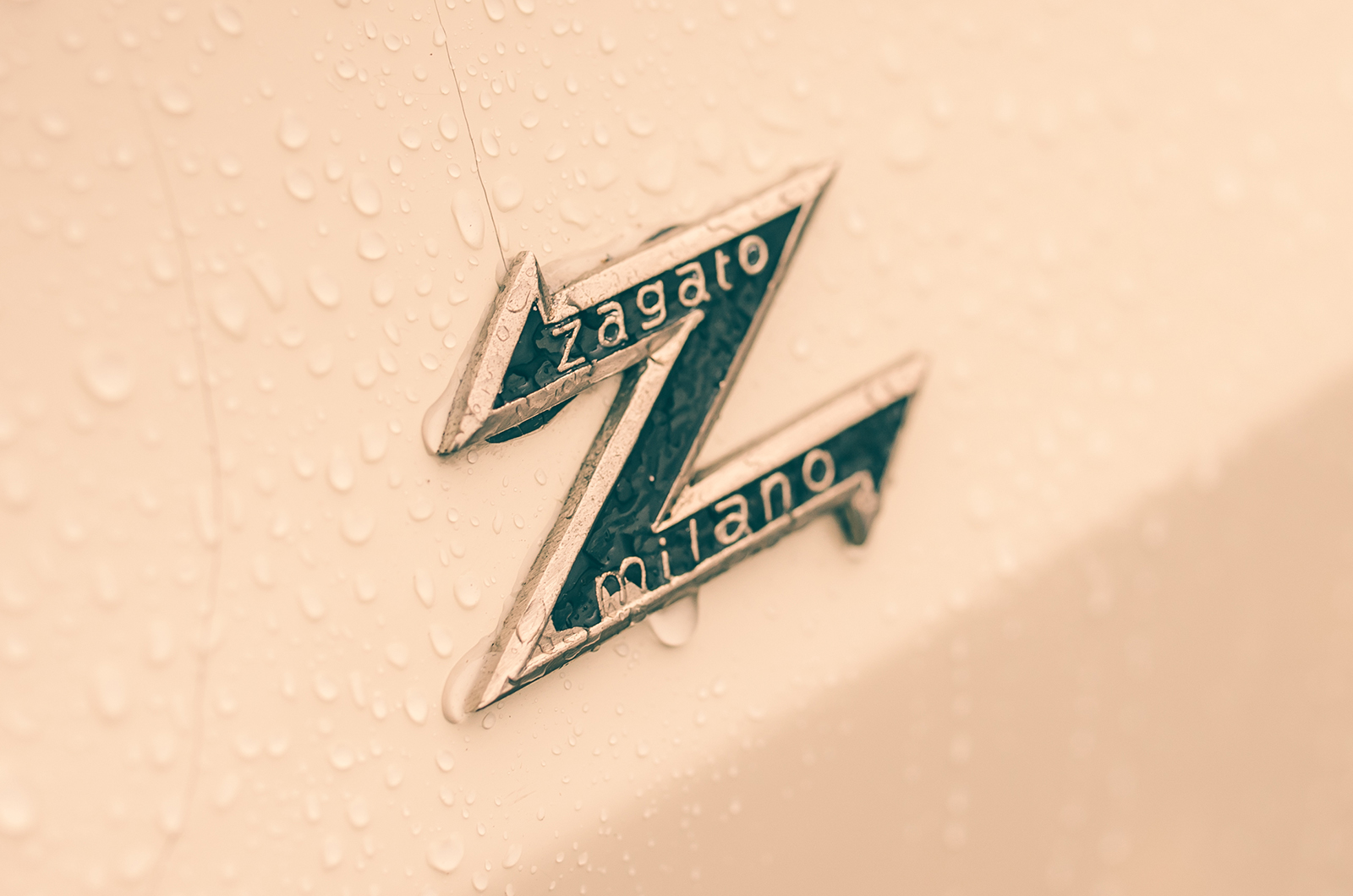
At some point in 1965, Gianni Zagato approached Rover about the possibility of creating a show car based on the 2000.

The fine detail of the arrangement is lost in the mists of time, but what is known is that a complete, C-registered Rover 2000TC (actually one of 15 prototype 2000S models) was shipped to Milan, and the resulting aluminium-bodied 2+2 coupé – shown first at Geneva in 1967 – was built at the Italians’ cost rather than that of Rover.

Coachbuilder Zagato was at a crucial moment in the mid-’60s, keen to build upon the volume business the Lancia Fulvia Sport had opened up for it.

Classic & Sports Car – Rover 2000TCZ: sporting chance
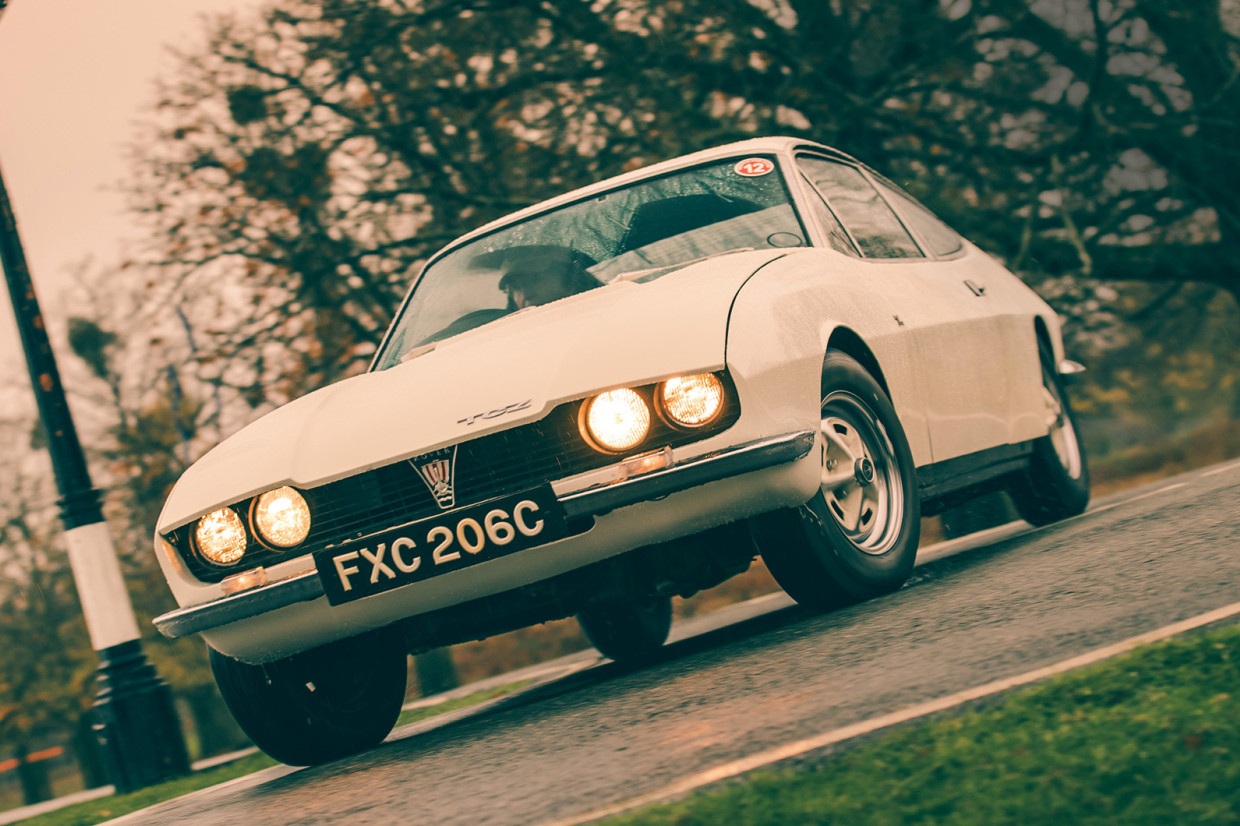
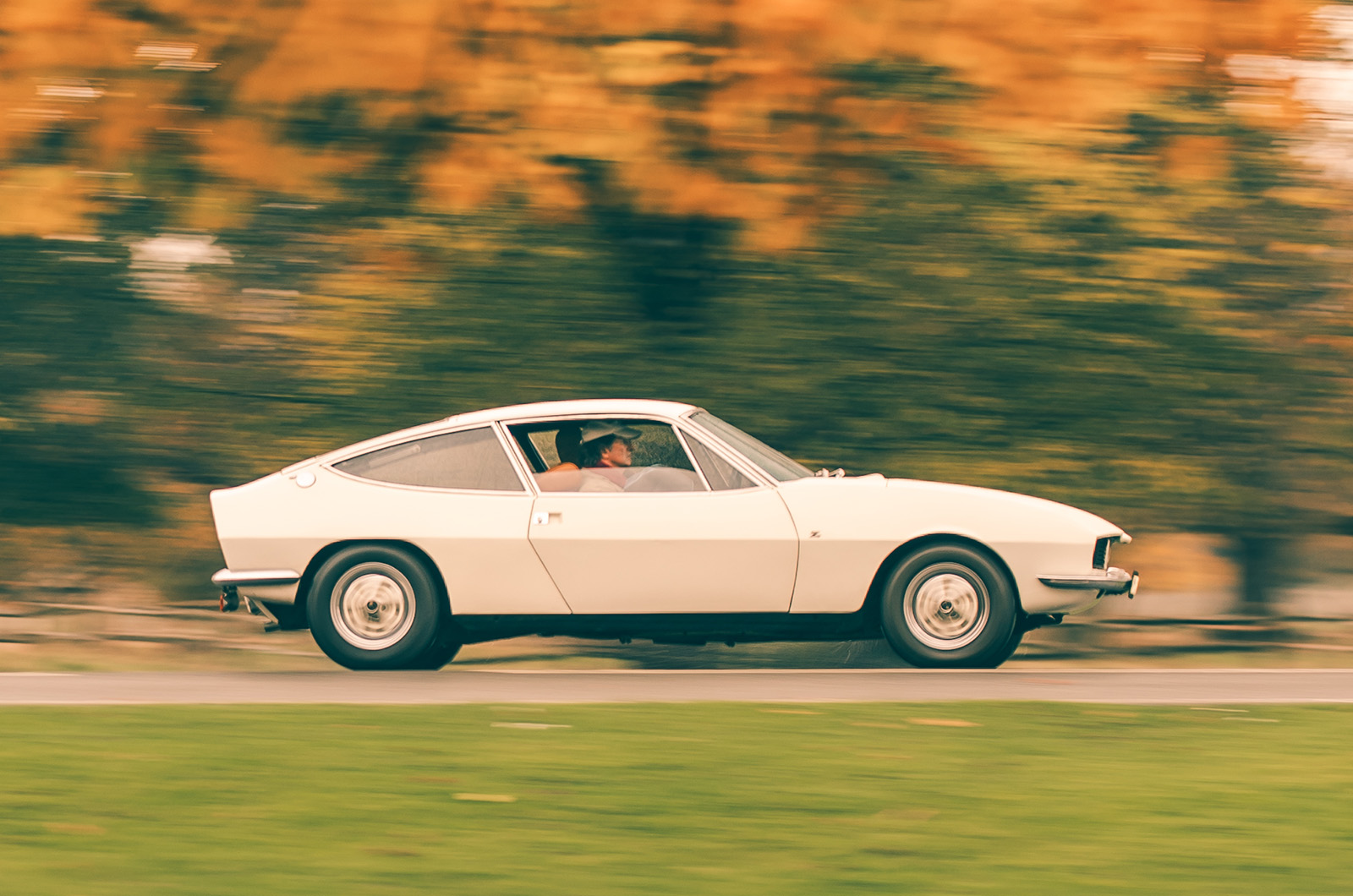
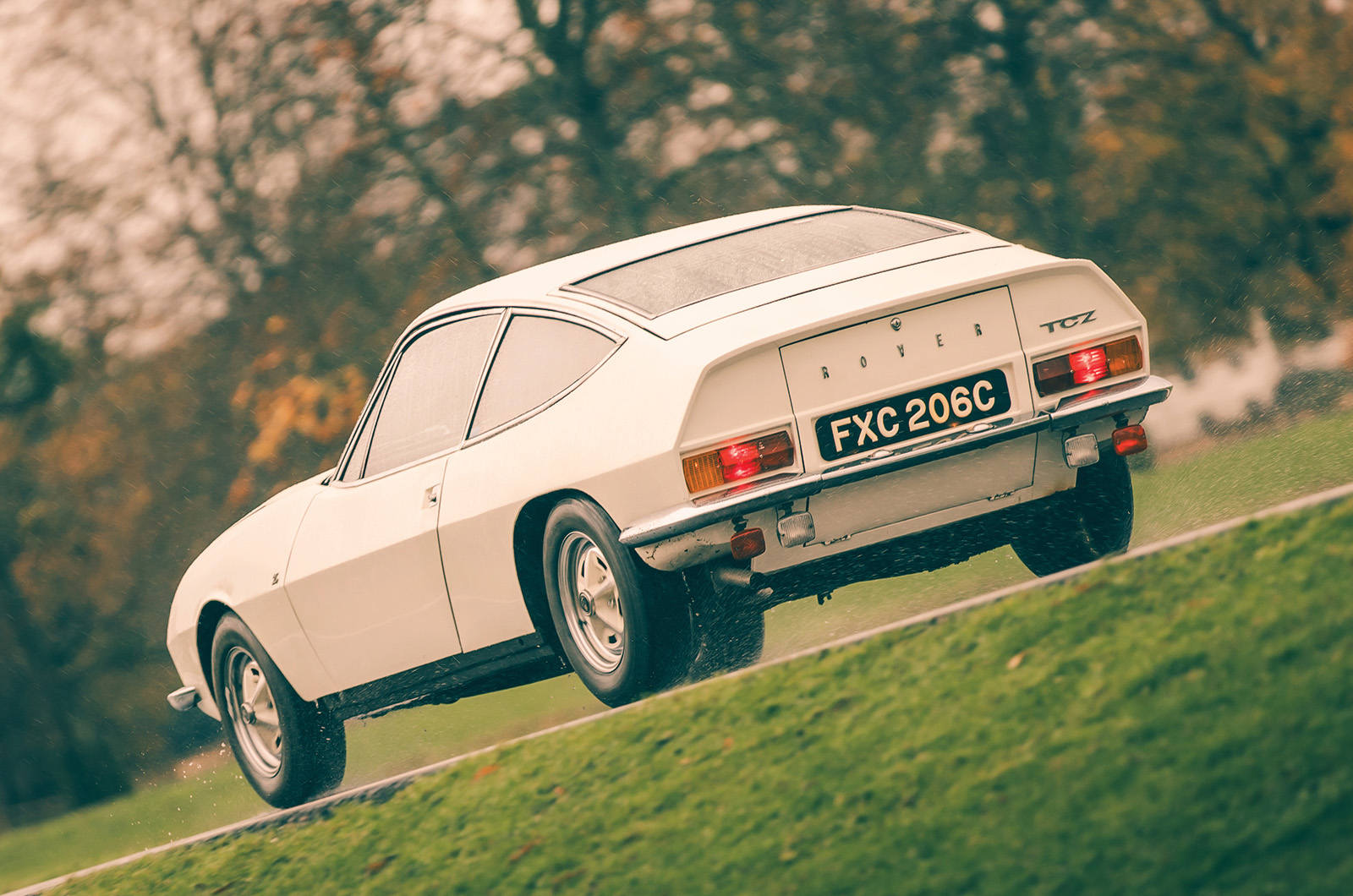
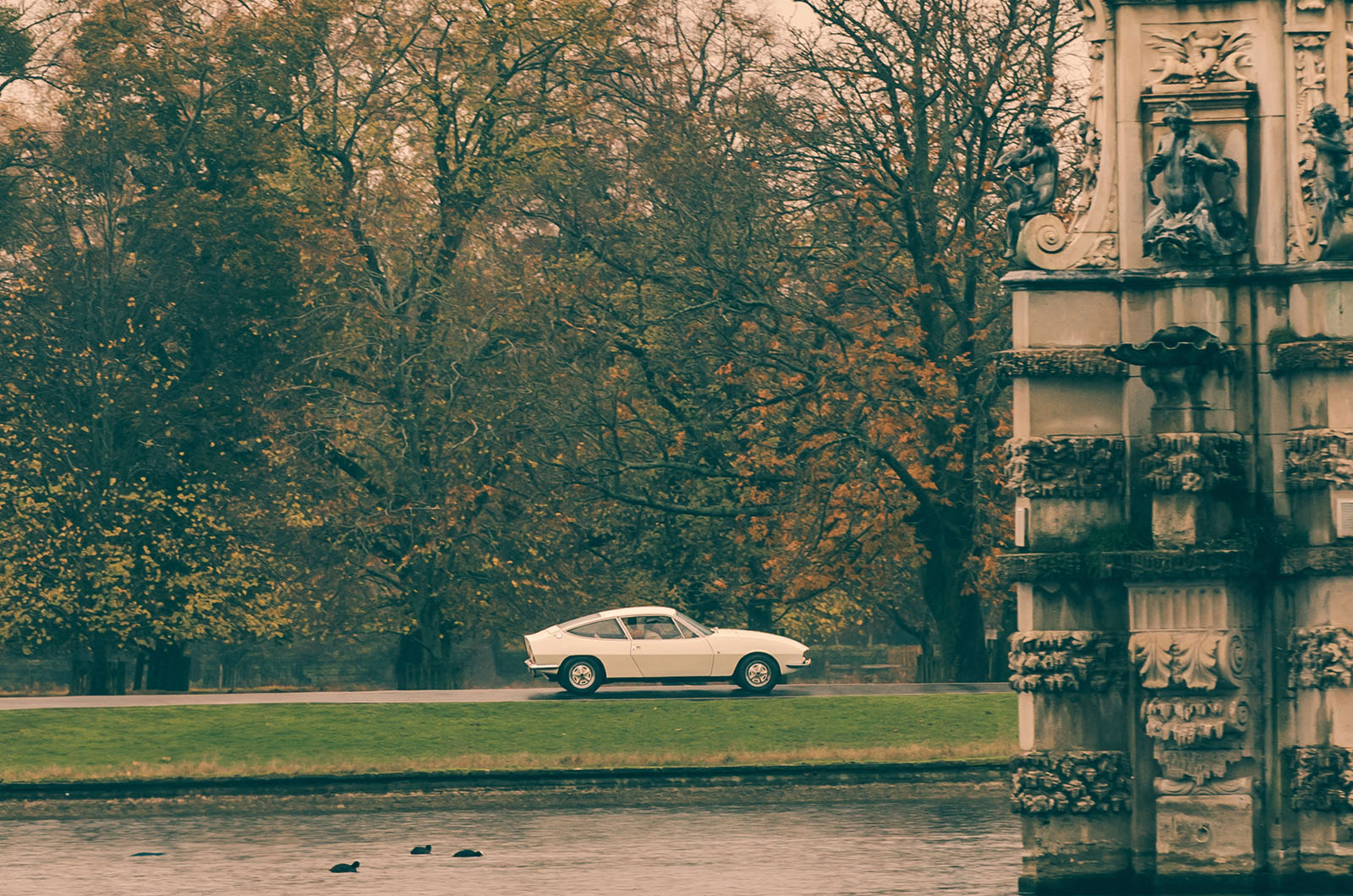
The Rover 2000TCZ was Zagato’s stylish take on the P6 saloon

Having worked closely with Bristol and Aston Martin, it had a solid reputation with the British specialist car industry: there was sufficient trust between the two parties during the 2000TCZ project that Gianni Zagato only visited Solihull once, with a return visit later hosted by Rover styling supremo David Bache. 

So while it was not commissioned by Rover, the 2000TCZ was certainly approved and sanctioned by the British firm.

Was there any serious expectation that the car would go into limited production? Probably not.

Rover could barely keep up with demand for the rapturously received standard 2000 saloon, so finding spare capacity for a specialist coupé variant seems unlikely.

Classic & Sports Car – Rover 2000TCZ: sporting chance
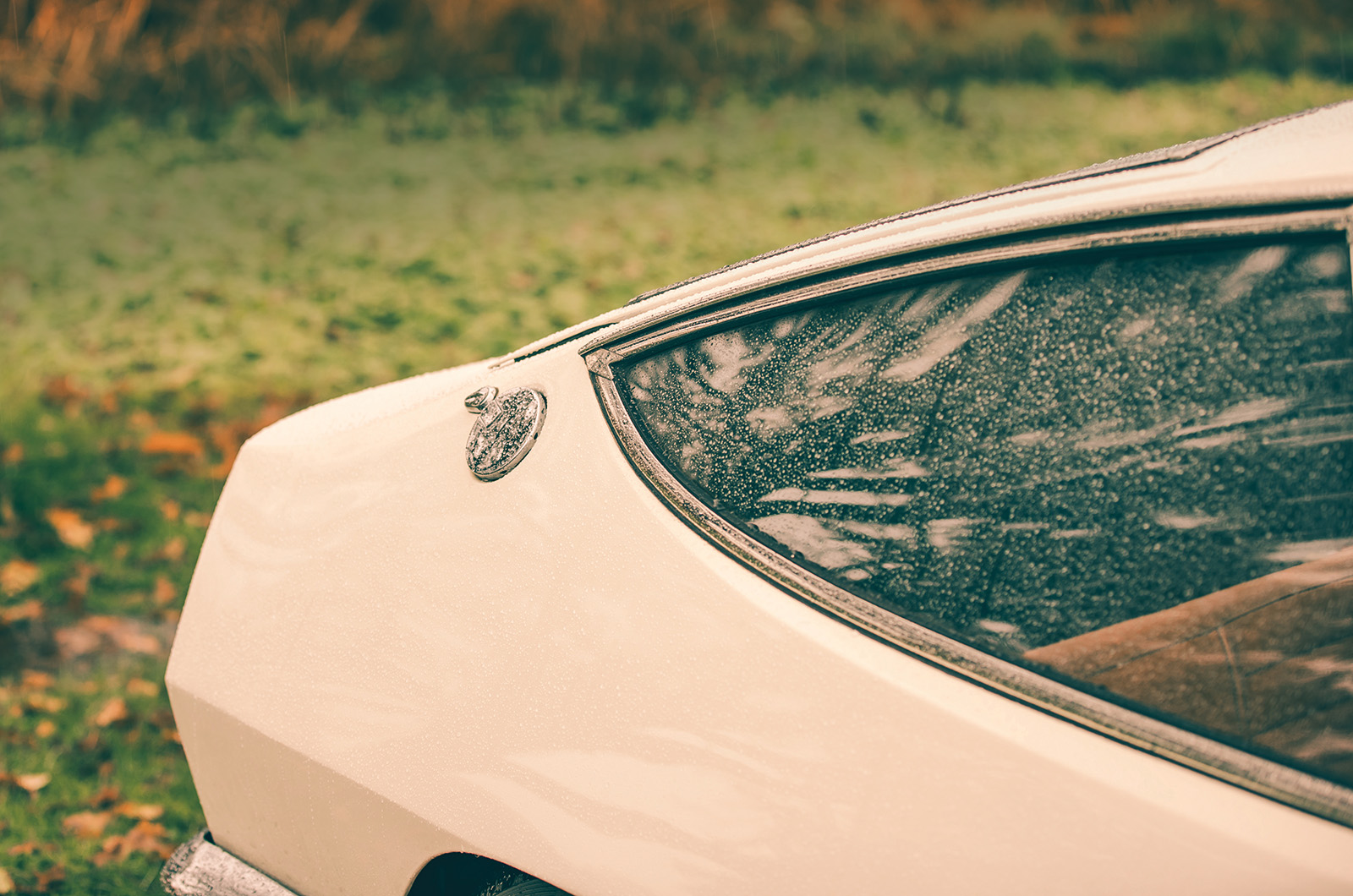
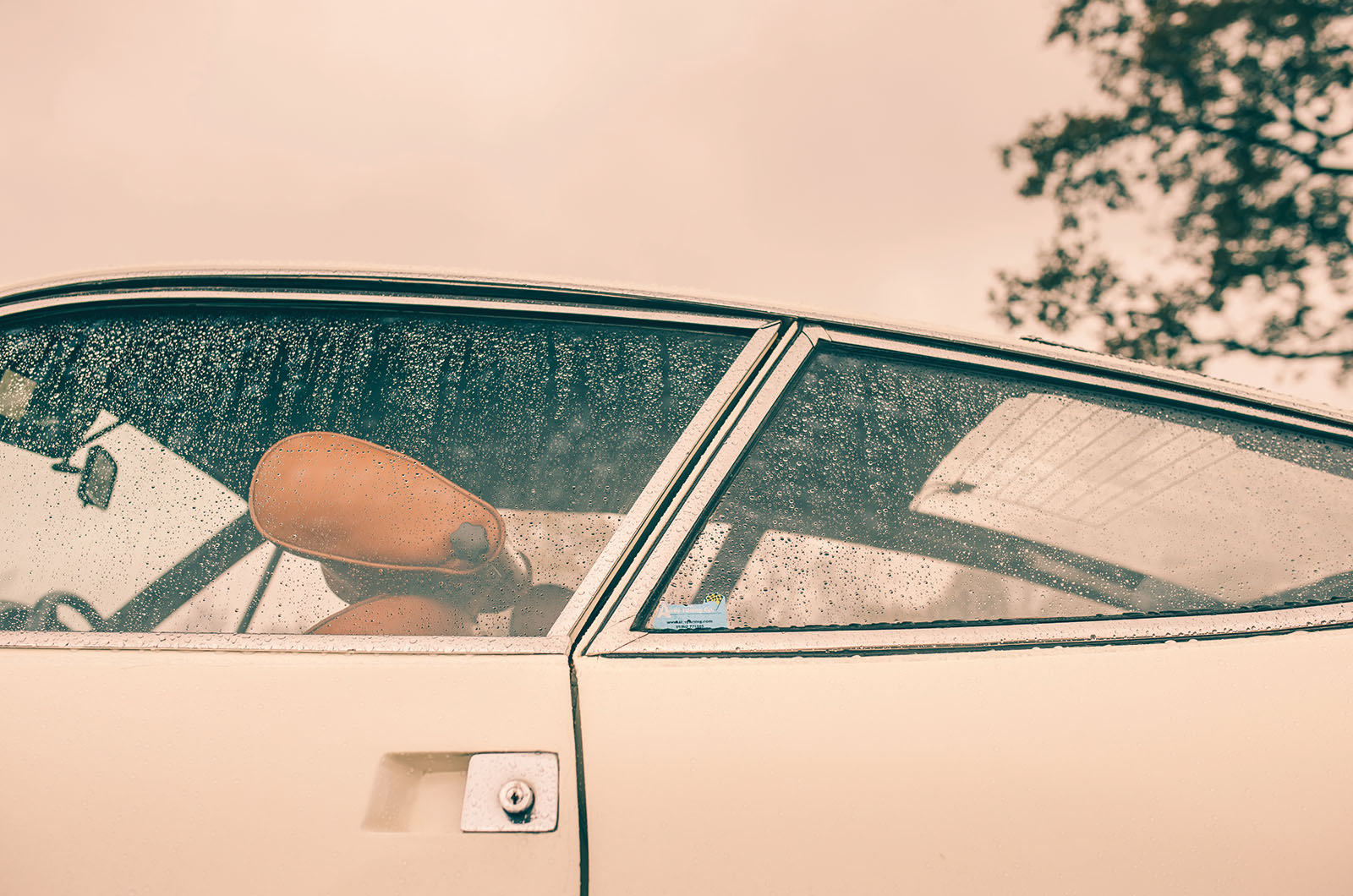
The Rover 2000TCZ’s elegantly tapered side window

The idea of such a car had, in any case, become embroiled in the politics of the BLMC merger: it is hard to imagine Sir William Lyons being fond of a car that represented in-house competition for his 2+2 Jaguar E-type.

Alongside the similarly shaped Lancia Flavia Super Sport, Fiat 125 GTZ and Volvo 142 GTZ, the Rover 2000TCZ was one of the last shapes penned by Zagato’s chief stylist Ercole Spada before he left to join Ford in 1969.

His departure marked the end of a golden period of design activity for the carrozzeria – one it never fully recaptured.

Apart from the fact that the original Rover P6 wheelbase had to be retained, Spada, not yet 30 years old, was given a free hand with the understanding that the car would be lower-slung, shorter overall, more slippery and lighter than a standard Rover 2000.

Classic & Sports Car – Rover 2000TCZ: sporting chance
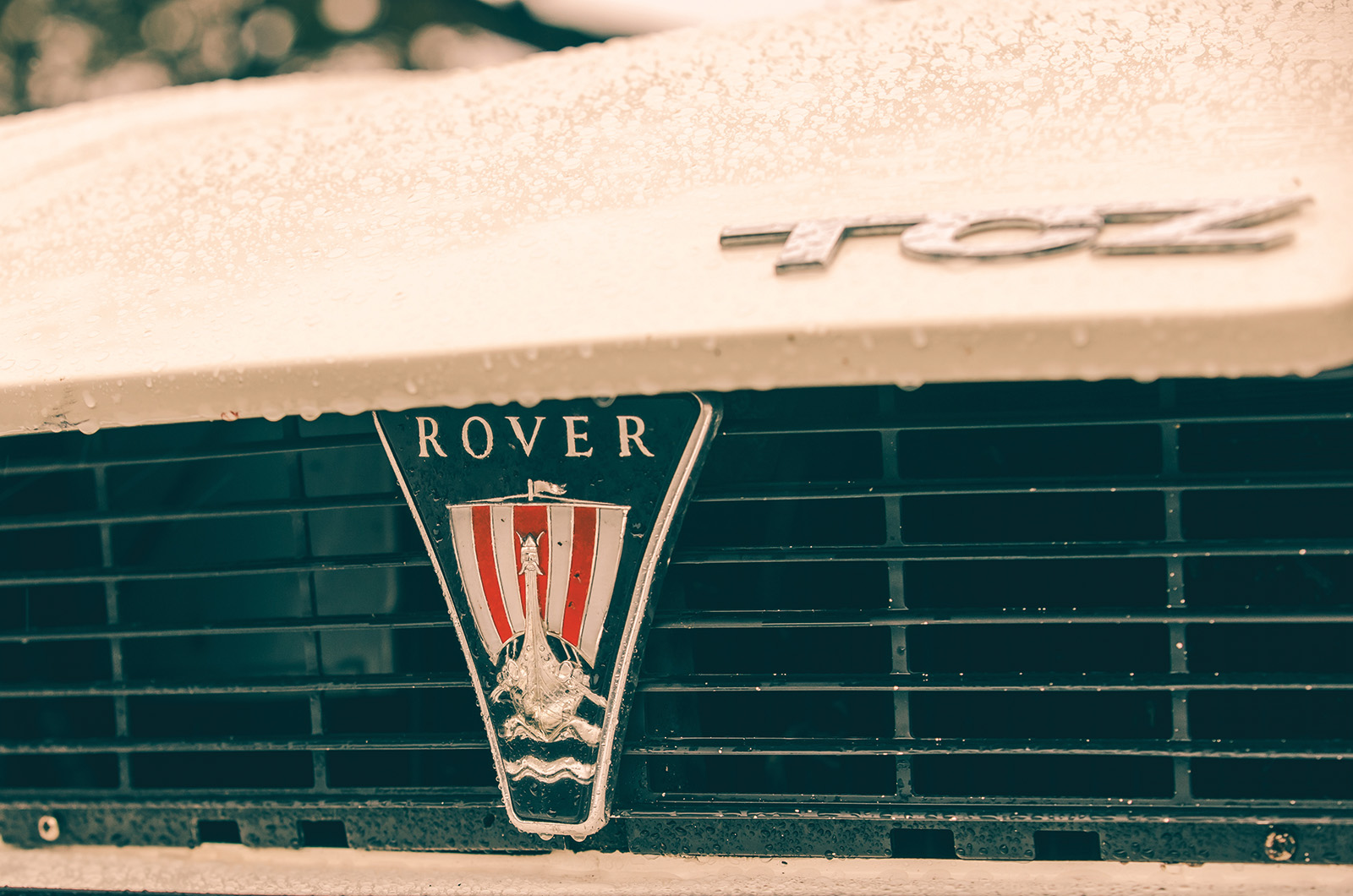
The Rover badge is set neatly into the unique 2000TCZ’s stylish grille

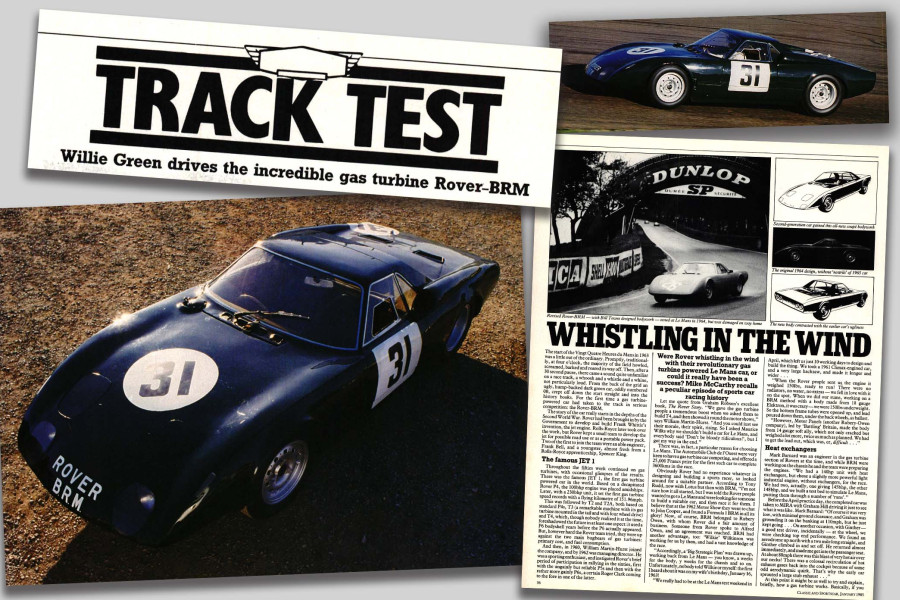
The base-unit construction offered some limitations, and there was no chance of altering the front suspension, whose curious design was a hangover from abandoned plans to fit a gas-turbine engine in the production Rover P6.

With its longitudinal top links and the coil springs attached to the bulkhead, the set-up tended to dictate the high point of the beltline.

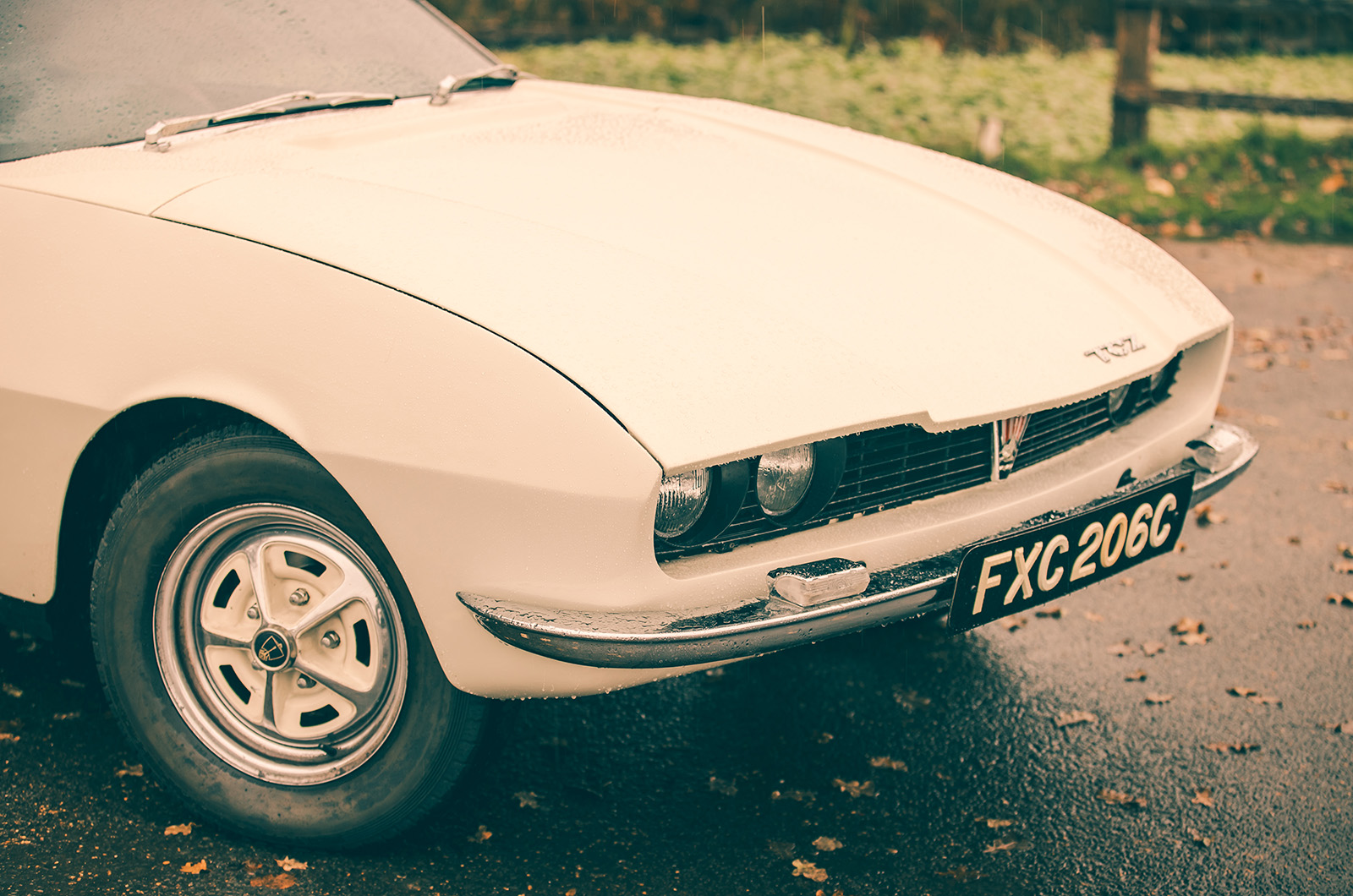
Spada ‘lost’ this bulky impression by giving the car a deep windscreen and wide central depression in the bonnet, which was now forward-hinged, creating an arresting four-seater coupé with much shorter overhangs. 

It sat 100mm lower than the factory saloon and was a useful 440lb lighter, with deep side windows and a rear hatch that opened electrically for extra ventilation.

Classic & Sports Car – Rover 2000TCZ: sporting chance
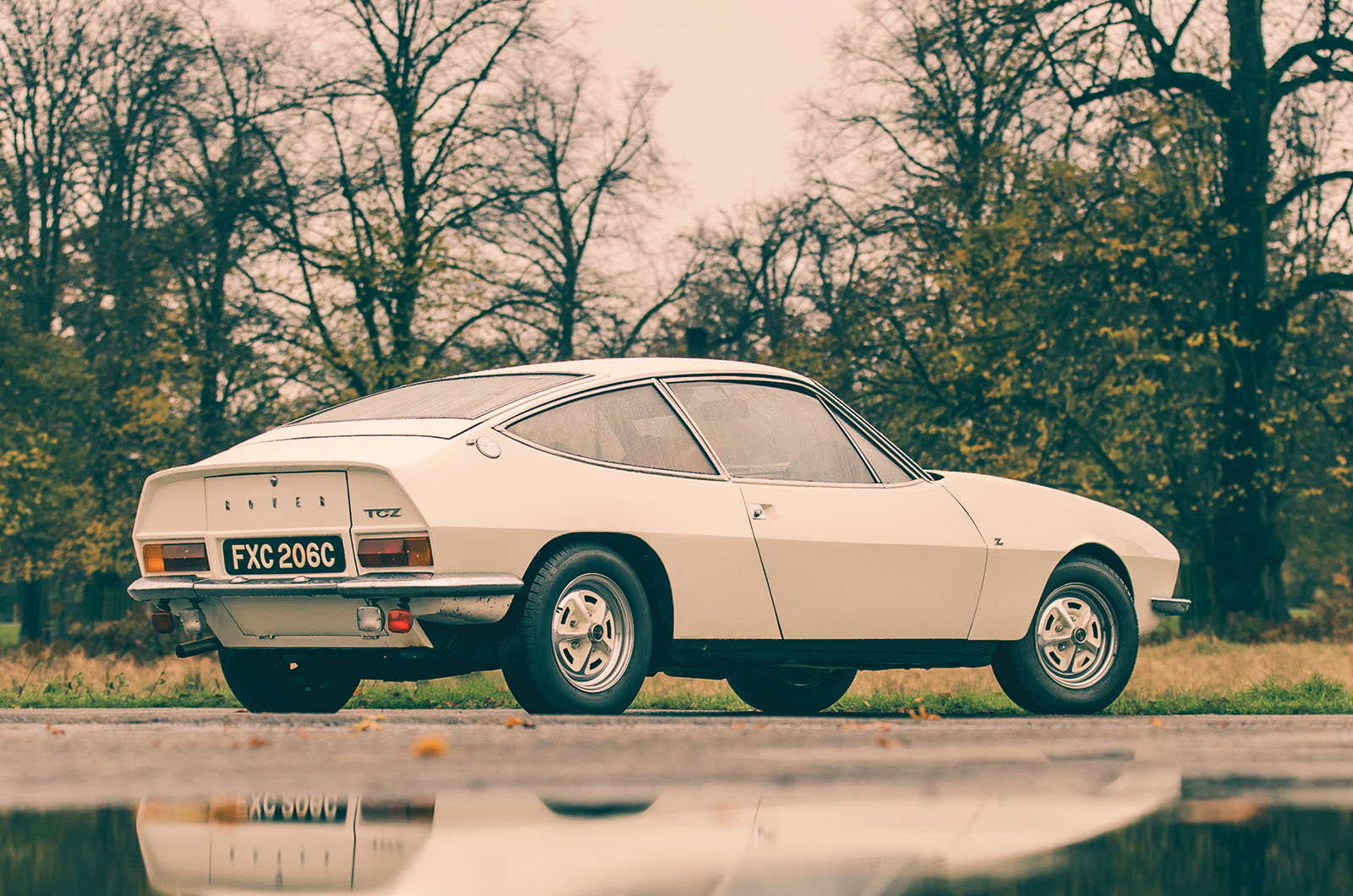
‘The Rover TCZ is deceptively simple-looking and bereft of tinsel. Only the skinny tyres and slim bumpers date it to the 1960s’

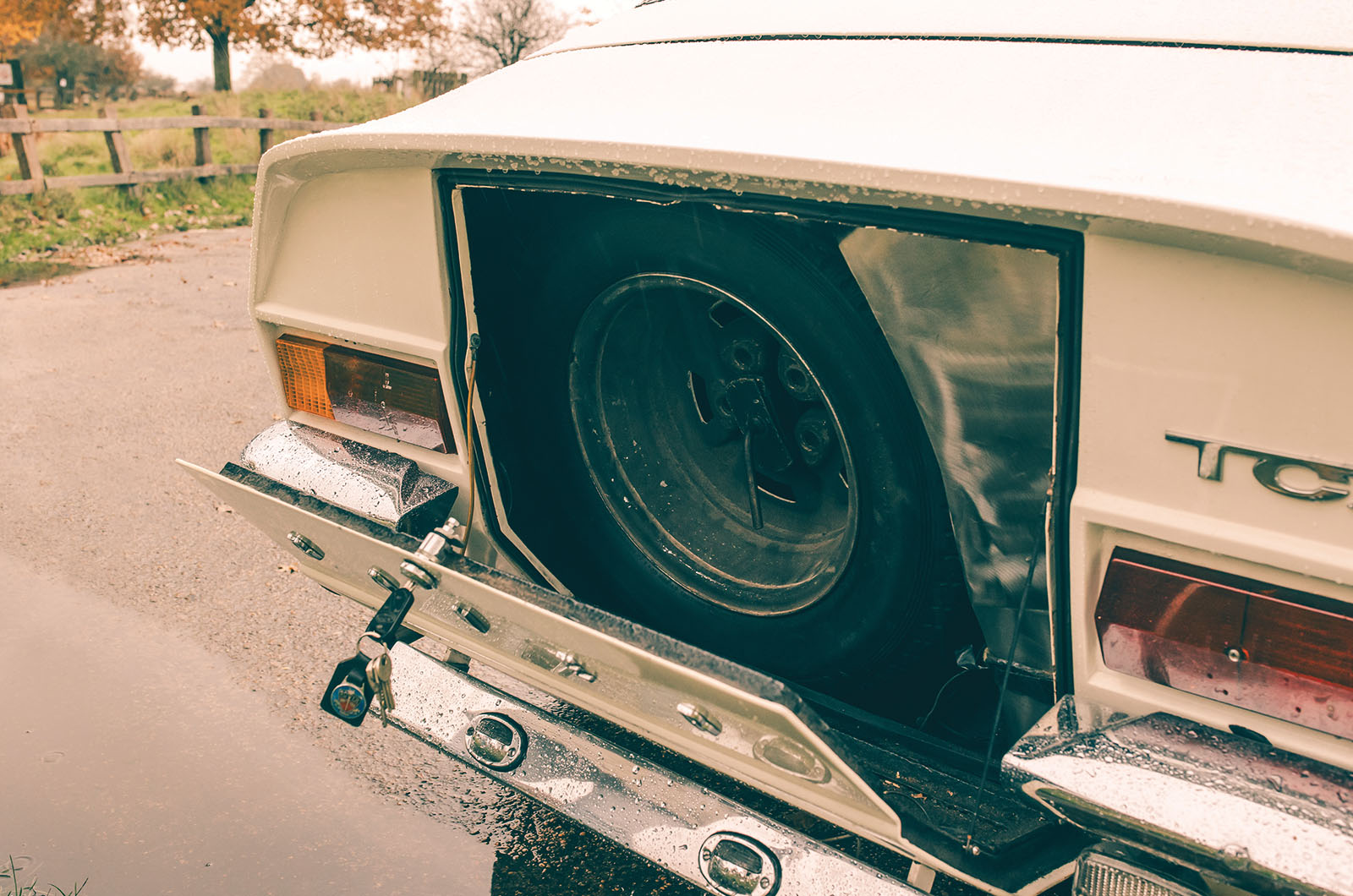
The spare wheel, rather than being in the boot floor (which was now much shorter), was stored centrally and upright next to a bespoke fuel tank and accessed via a bottom-hinged trap door in the truncated tail, which took the rear bumper’s centre section with it.

The grille was adapted from the original, but painted matt black, and the sidelights were now mounted on the bumpers.

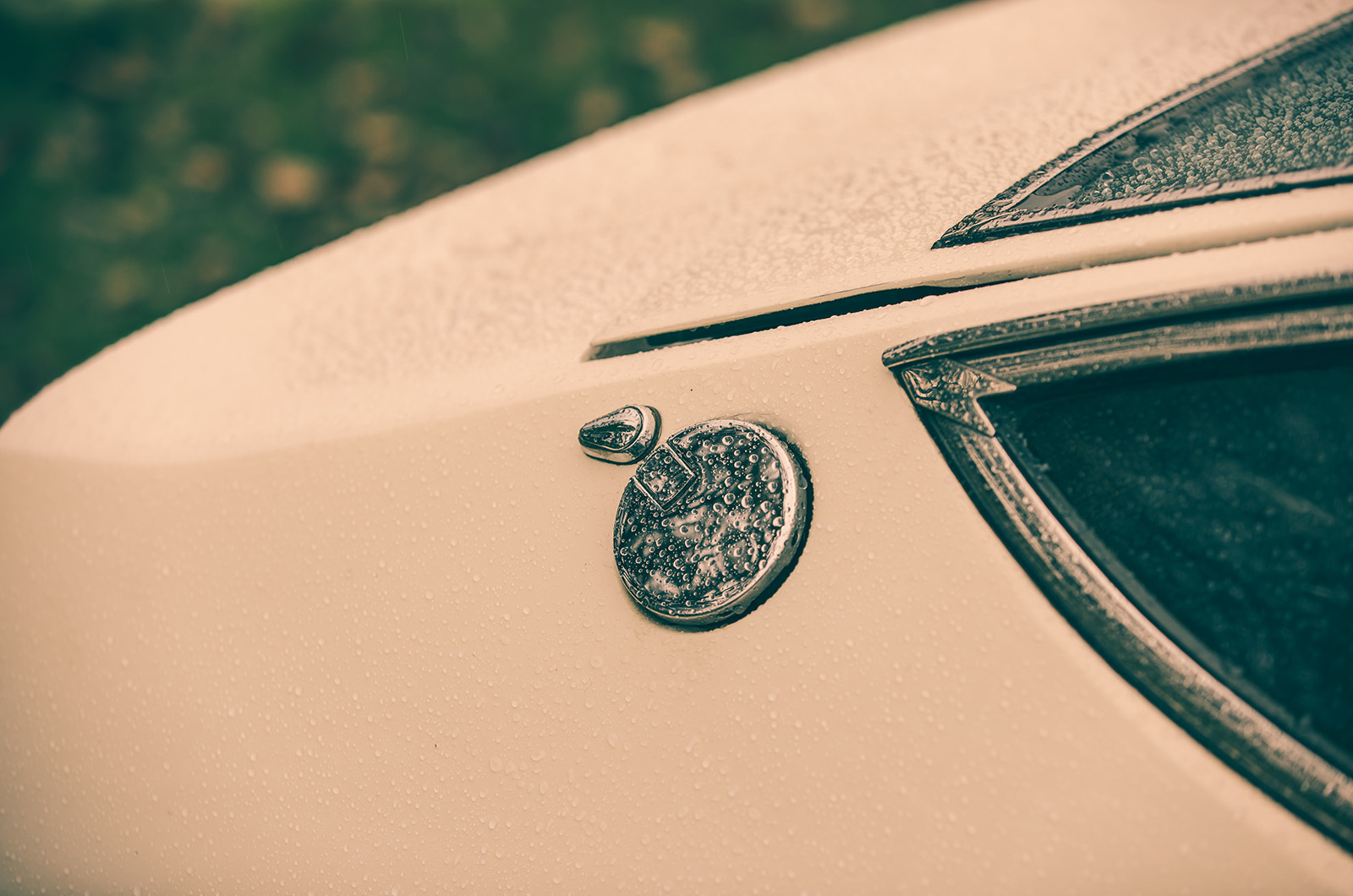
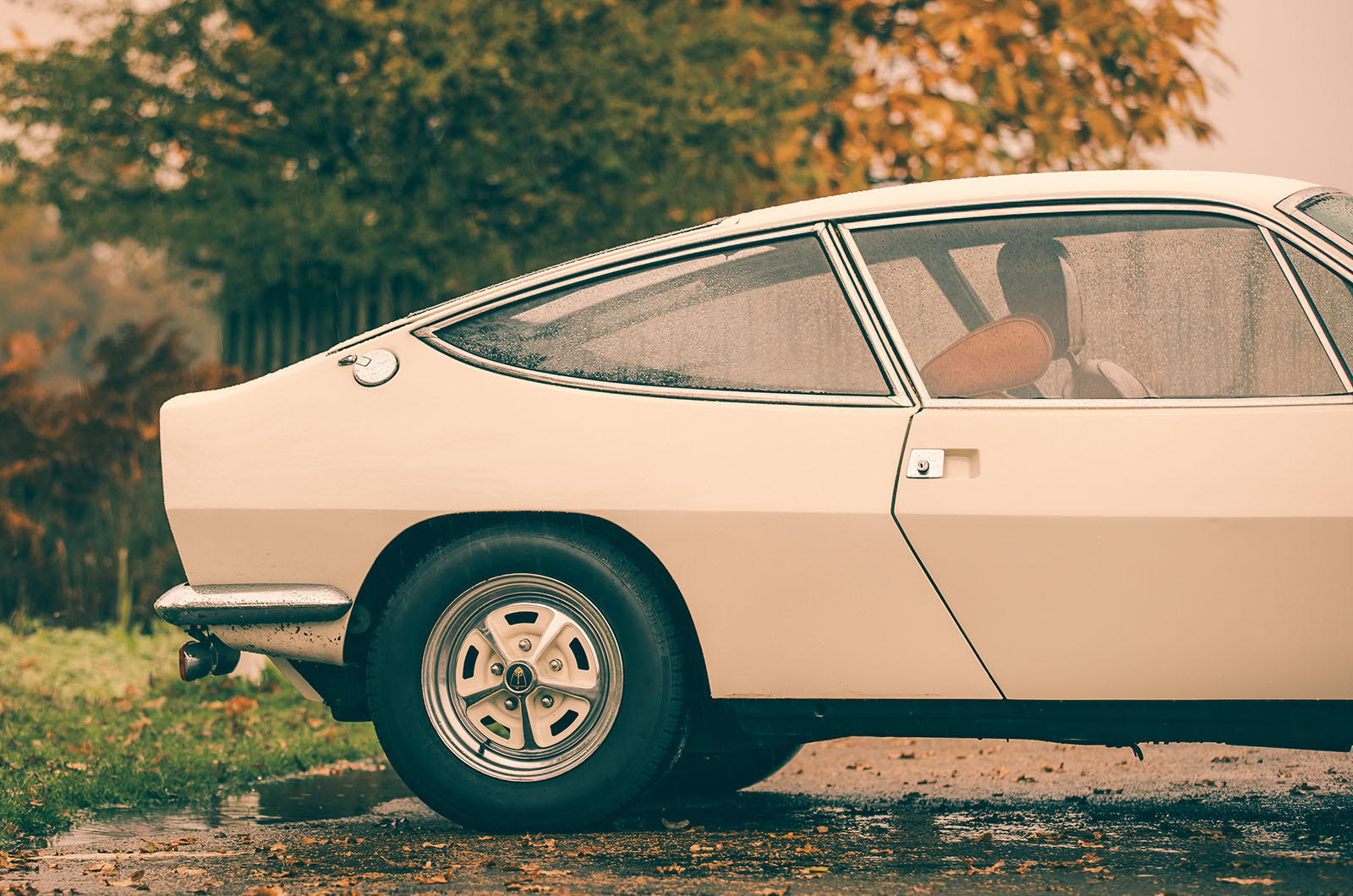
The Minimalist pushbutton doorhandles were a typical Zagato detail, and the fuel cap was moved over to the opposite side in the C-pillar to feed a relocated fuel tank.

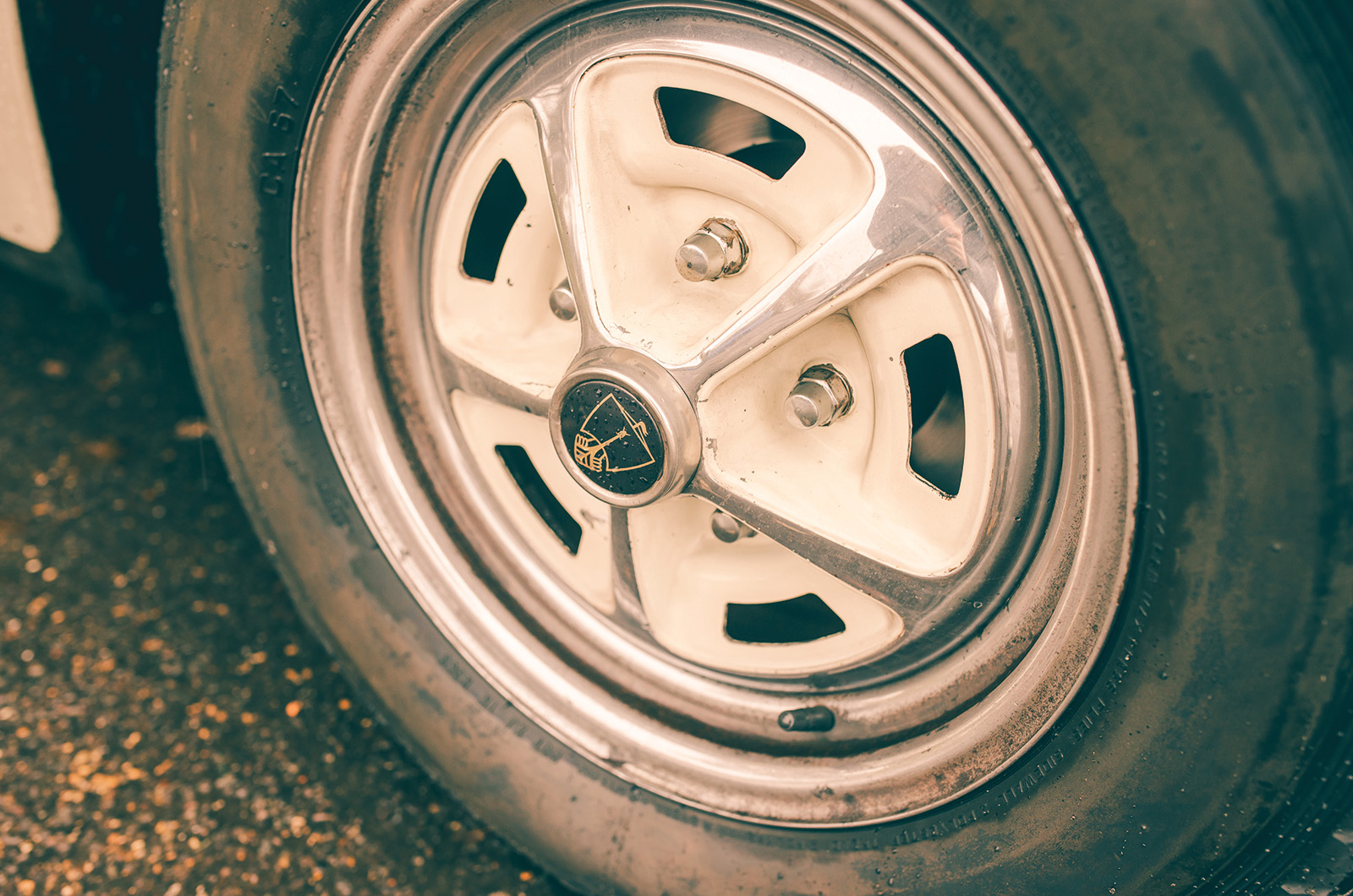
Early press shots show the TCZ on standard steel wheels and Rover 2000 hubcaps; by the time it had started the rounds of the European shows, it had acquired a set of RoStyles of the type fitted to US-market P6s.

Classic & Sports Car – Rover 2000TCZ: sporting chance
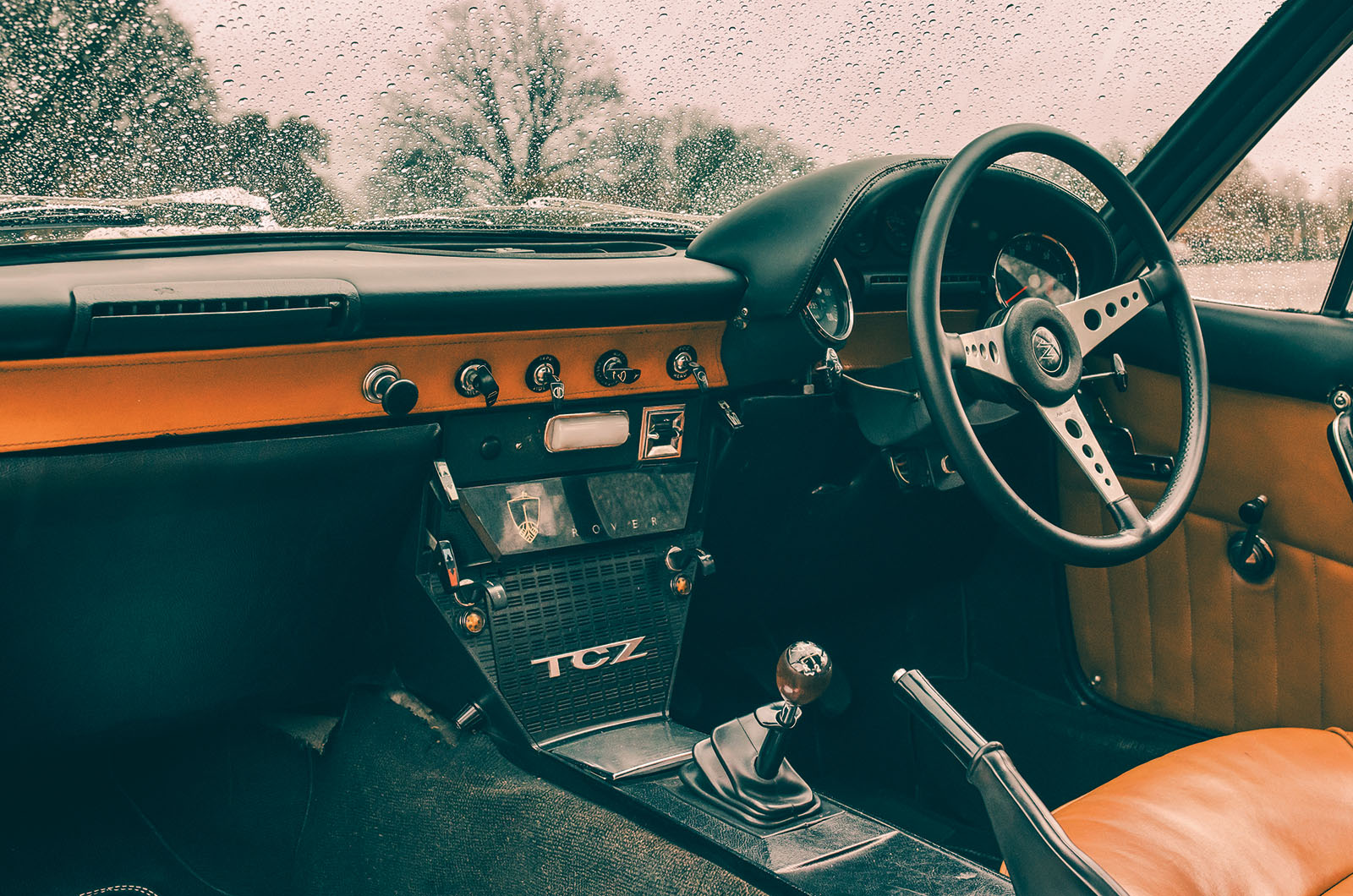
Rover P6 switchgear and vents in the Zagato-styled 2000TCZ’s tan-leather cabin

Having its debut alongside the Fiat 125 and Volvo 142 GTZs, the Rover 2000TCZ did the Geneva, Earls Court and Turin shows in 1967, its impact diluted somewhat by the BMC Pininfarina Aerodinamica and Lamborghini Marzal.

Afterwards, it went back to Zagato and was sold off in 1968 to its first private owner.

That may, or may not, have been the person who placed an advert in Autocar offering the 29,000-mile one-off show car for £2500.

A while later it was for sale on the forecourt of a Rover agent in Pershore, Worcestershire: I know because, aged five or six, I sat in it while my dad kicked the tyres, leaving thinking that £1500 would have bought this dream car.

Classic & Sports Car – Rover 2000TCZ: sporting chance
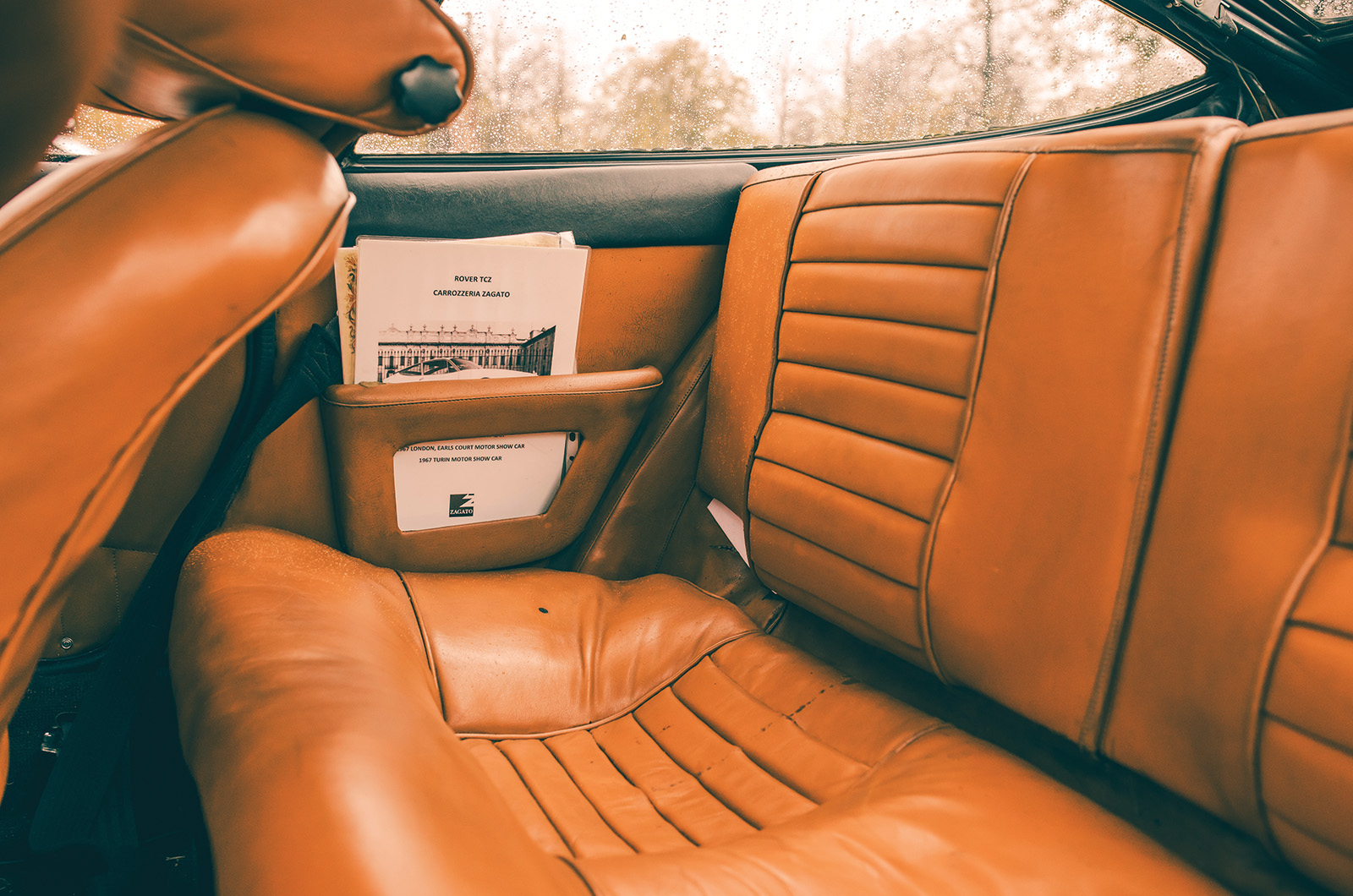
The Rover 2000TCZ is spacious enough to be an occasional four-seat car

It then went through a Christie’s auction and was acquired by one Peter Silverthorne, who did some restoration work on the 10-year-old car before advertising it in C&S in July 1984.

By that stage, its long-term custodian, John Hamshere, was hooked on all things Zagato, having bought the ex-Leonard Setright Bristol 406 Z.

His motoring career started when, aged 19, he bought a Graber Alvis that he still owns: John, like many of us, finds cars easy to buy but “impossible” to part with.

The Rover 2000TCZ is part of the family, almost part of the man himself.

Classic & Sports Car – Rover 2000TCZ: sporting chance
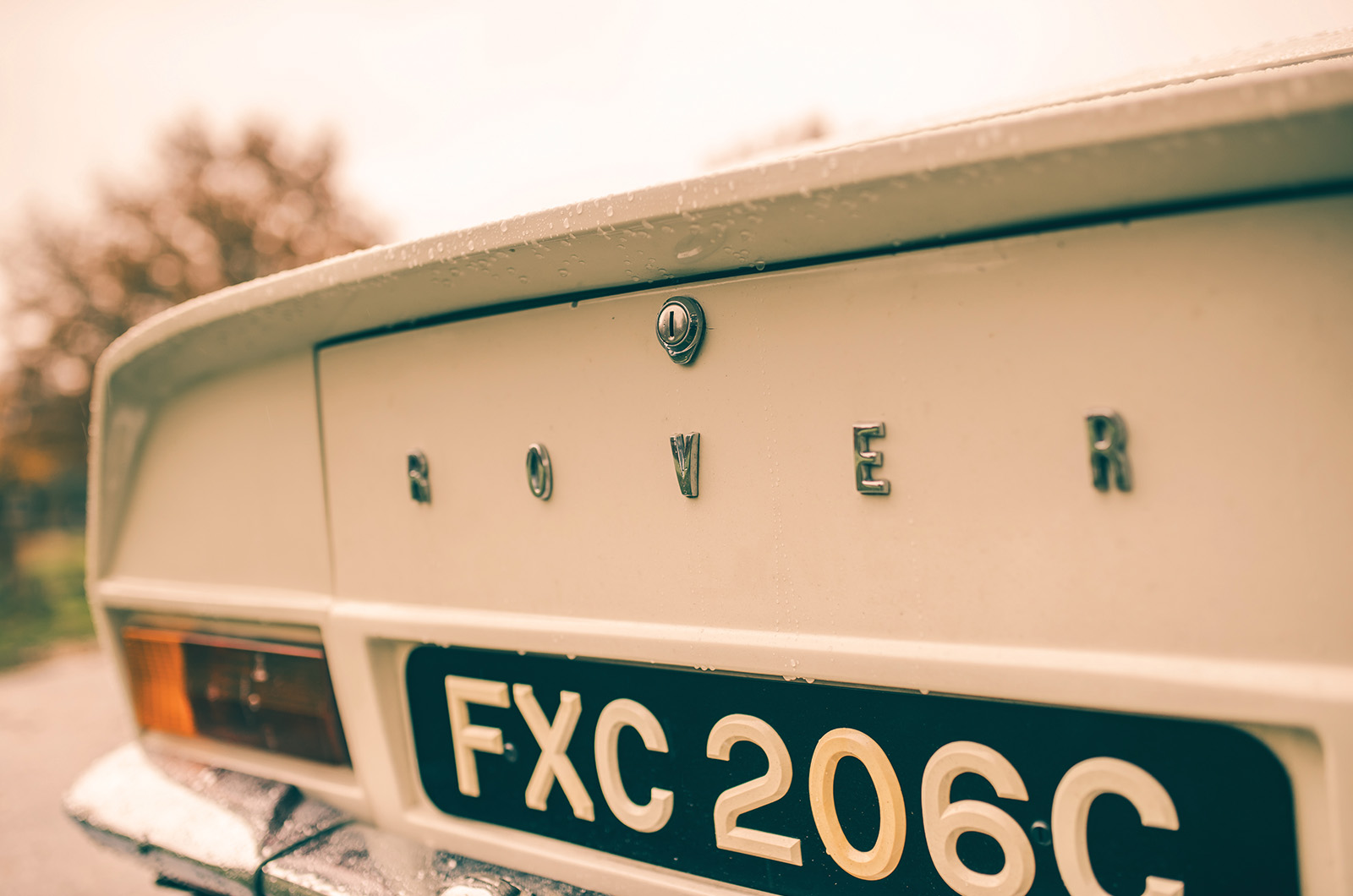
The Rover name is almost incongruous on the 2000TCZ coupé

“I tracked down Peter Silverthorne – he was chairman of The Buckler Register – and he happily let me look at the car,” says John.

“But at that stage it wasn’t for sale, so I went home and forgot about it.

“Then, 18 months later, it ended up with a well-known dealer in Romsey: Silverthorne had traded it in for some big Yank thing – completely bizarre!”

Classic & Sports Car – Rover 2000TCZ: sporting chance
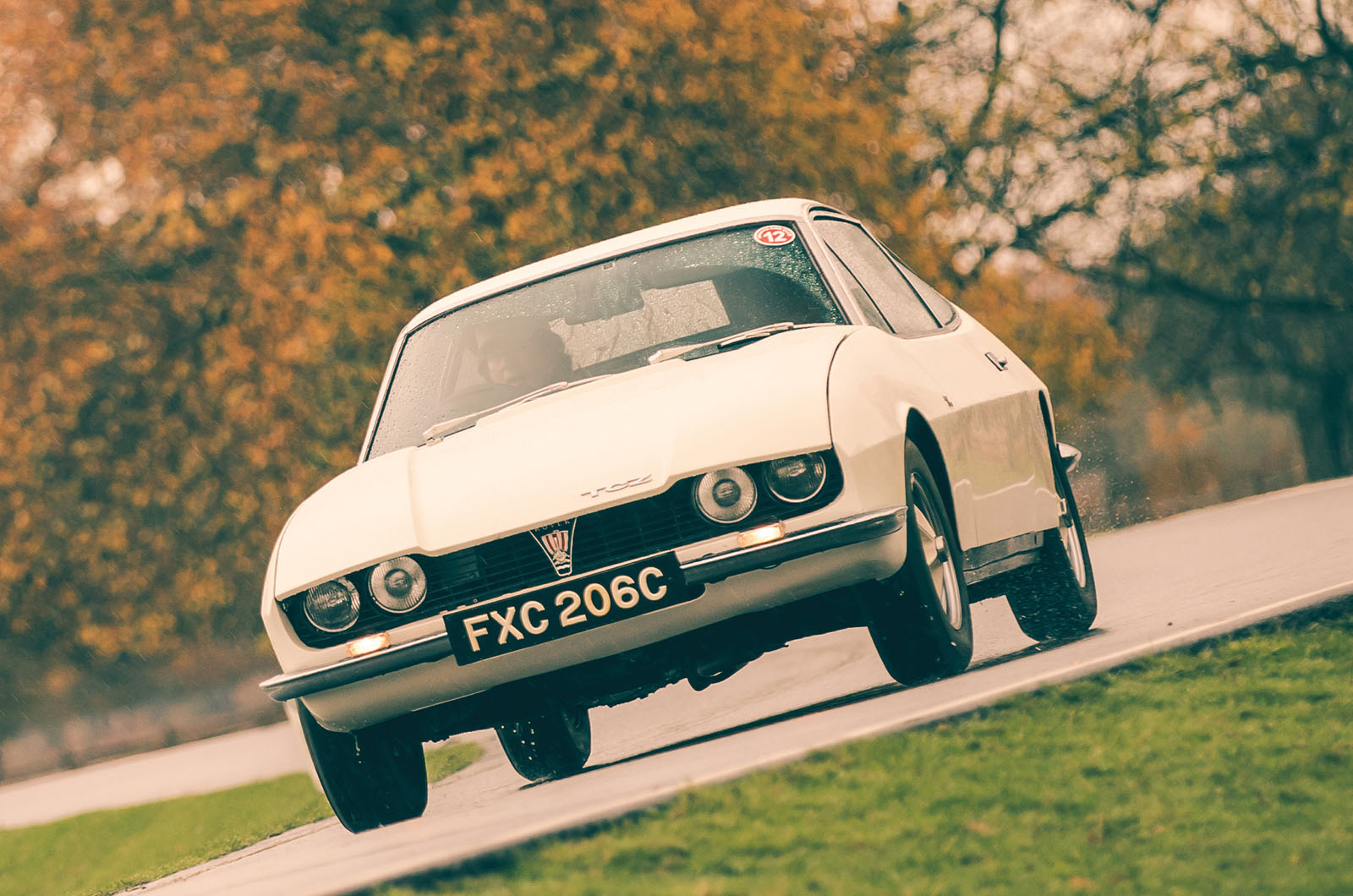
The Rover 2000TCZ’s low-slung stance and 440lb weight loss compared to the P6 saloon enhance its sporting credentials

The asking price was £10,000, which was an enormous amount of money then to John, he says: “But I thought, ‘This is an opportunity; I need to buy this.’

“I was so nervous at spending the money, but I bought it anyway. The dealer was a bit worried it was not going to sell.”

John has now owned the Rover 2000TCZ for 40 years.

It is currently worth an estimated £200,000, making it probably the world’s most valuable Rover P6 and a wise investment.

Classic & Sports Car – Rover 2000TCZ: sporting chance
‘The Rover’s fuel cap was moved over to the opposite side in the C-pillar to feed a relocated fuel tank’

“Initially it was a funny feeling to be driving something totally unique,” he continues. “But you live with it and understand that anything can be repaired.”

Those tail-lights, incidentally, are from a Volvo truck – John bought a spare set recently for £10.

He hasn’t had to do too much to the car, other than restoring the floorpan.

“We did a trip to Trieste when it was leaking,” he explains, “and I was bailing the water out.”

Classic & Sports Car – Rover 2000TCZ: sporting chance

The Rover 2000TCZ was one of stylist Ercole Spada’s last projects at Zagato

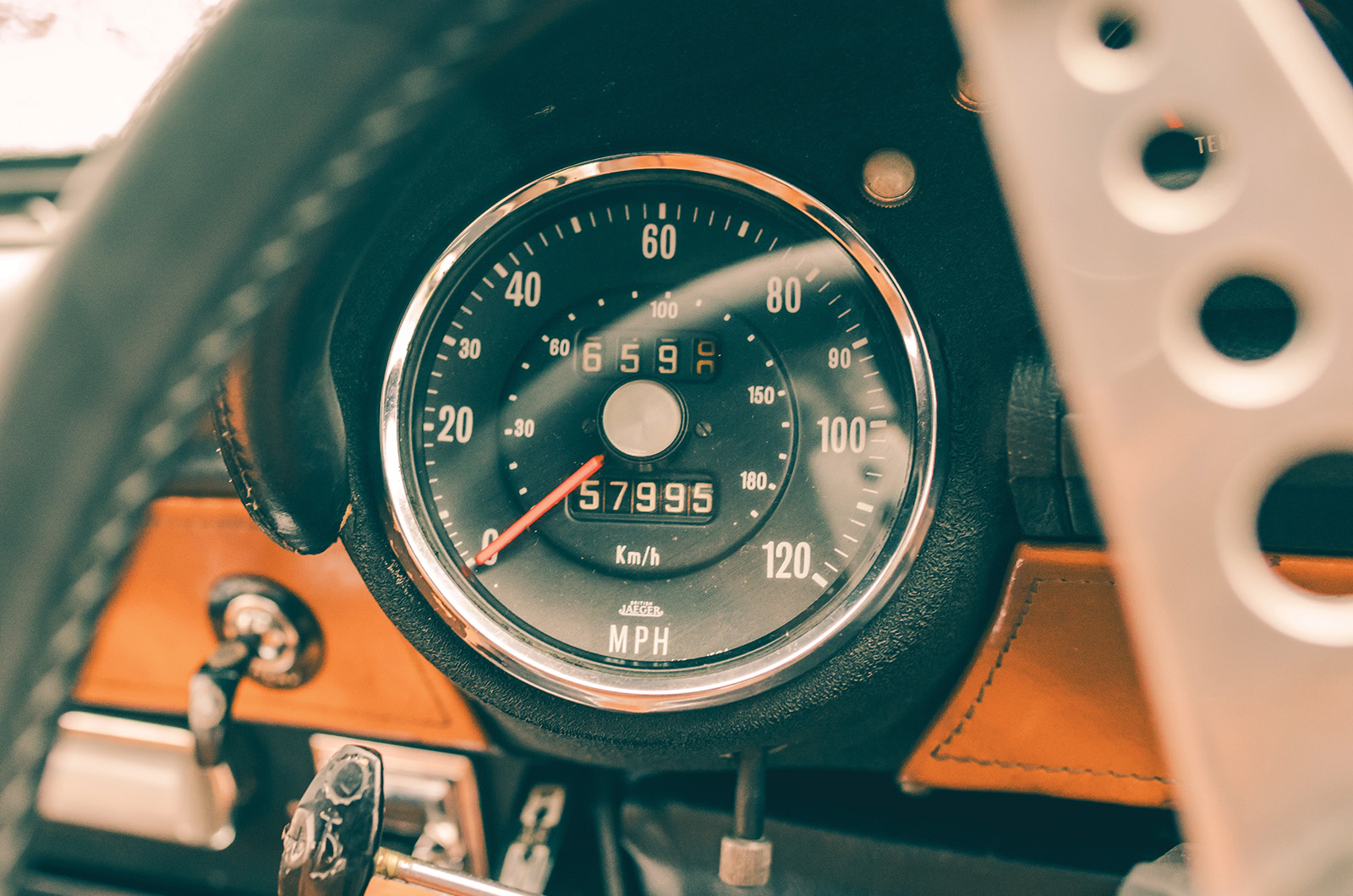
John bought the Rover showing 40,000 miles; it now has 60,000.

He has taken it as far afield as Japan (for the Zagato 100th-anniversary celebrations in 2019) and to Italy many times.

“Andrea Zagato – Gianni’s son – remembered the car from when he was seven,” says John. “He loved it.”

Sadly, the Hamsheres just missed showing it to the then 82-year-old Ercole Spada a couple of years ago: “He is a lovely man, with a fantastic, stylised signature, like a sword.”

Classic & Sports Car – Rover 2000TCZ: sporting chance

The Rover 2000TCZ’s RoStyle wheels were the same as those fitted to US-market P6 saloons

Like most dream cars, the Rover 2000TCZ was just a show exercise, put together very quickly.

“A few years ago,” says John, “I met the man from the Rover main depot in London who was given the job of making it into a real working car. He said it took him three months.”

John has one of the 600 Lancia Flavia Zagatos built in his collection, and would love to know where the Zagato-bodied Fiat 125 and the Volvo 142 are, sister designs to the TCZ.

Classic & Sports Car – Rover 2000TCZ: sporting chance

The Rover 2000TCZ has minimal brightwork

He regrets missing out on one of the two (or was it three?) Hillman Zimps, but is keen to point out that there was only ever the one Rover 2000TCZ.

“It’s always been white but has had different numberplates,” he says. “It came here for the motor show and then did the Turin Salon and went back to Zagato.

“It returned to the UK in 1968 and came off a C-plate and on to a G-plate – which was where confusion arose – but there was only ever one.

“I wrote to the DVLA and got the original FXC numberplate.”

Classic & Sports Car – Rover 2000TCZ: sporting chance

The Rover 2000TCZ offers great visibility

John has found the TCZ to be dependable, but not without problems.

“It has got a high compression ratio and it’s difficult to tune,” he explains. “I’ve struggled to get anyone to do good work on it mechanically.

“It was set up for five-star fuel: I try to use Esso 99-octane E5.”

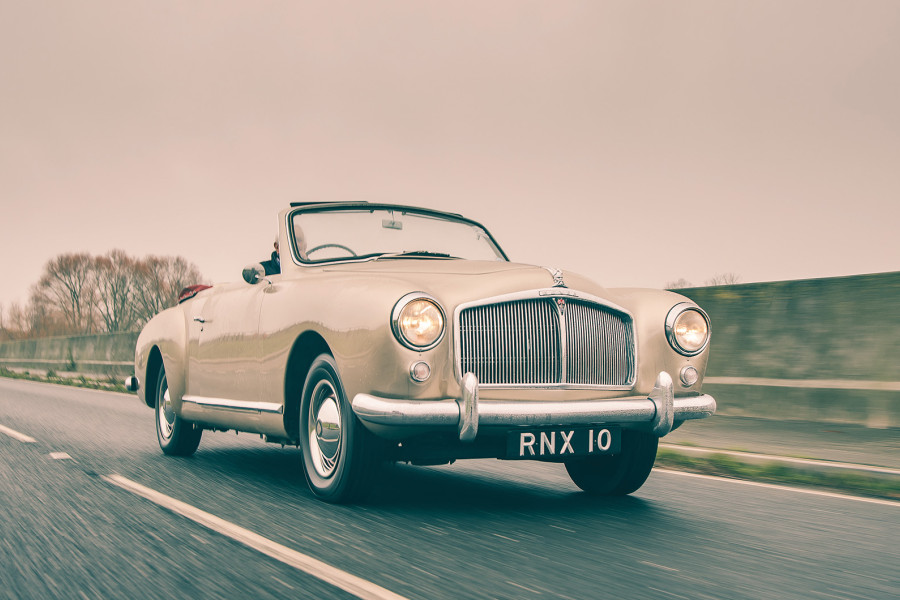
The Rover 2000TCZ is deceptively simple-looking, largely bereft of brightwork or other tinsel.

Classic & Sports Car – Rover 2000TCZ: sporting chance

The Rover 2000TCZ’s spare wheel lives upright behind a hinged rear panel

Pared-down and futuristic, it could have had a second career as a back-up car for Colonel Straker in UFO.

Only the skinny tyres and slim chrome bumpers date it to the 1960s.

Spada’s early figurini show that he was thinking along the lines of a coupé with Jaguar XJ-S-style buttresses, lozenge-shaped headlights and a concave tail panel, but the finished item is much more mature and resolved.

It is more handsome than the slightly unhappy Fiat 125 GTZ and a match for the Lancia Flavia Super Sport that came close to replacing his original (and undeniably eccentric) 1962 Flavia Sport.

Classic & Sports Car – Rover 2000TCZ: sporting chance

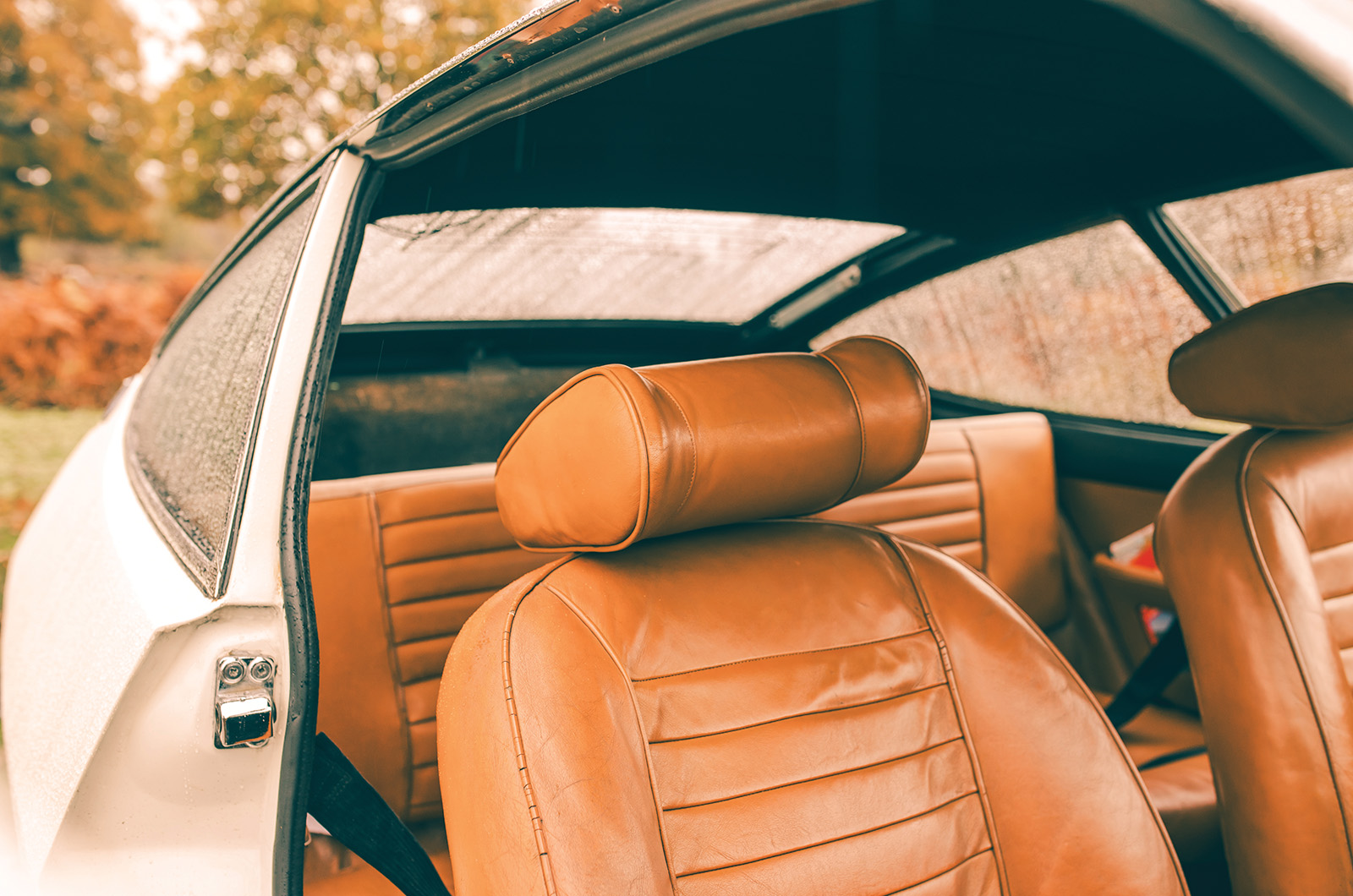
The Rover 2000TCZ’s head restraints call to mind the P6’s optional ‘ET’ items

The cabin was one of the many highlights of the 1963 Rover 2000, but Zagato abandoned the strip speedometer for a custom dashboard with a concave instrument panel and circular Humber Sceptre dials.

The classic Rover P6 central switchgear, ‘shin bins’ and face-level vents remain, but the wood-rimmed steering wheel is a one-off Zagato job, as are the sumptuous tan leather seats – even if the headrests pay homage to the 2000’s optional ‘ET’ restraints.

There is sufficient rear legroom for the car to be an occasional four-seater, with backrests that fold down for skis and the like.

Classic & Sports Car – Rover 2000TCZ: sporting chance

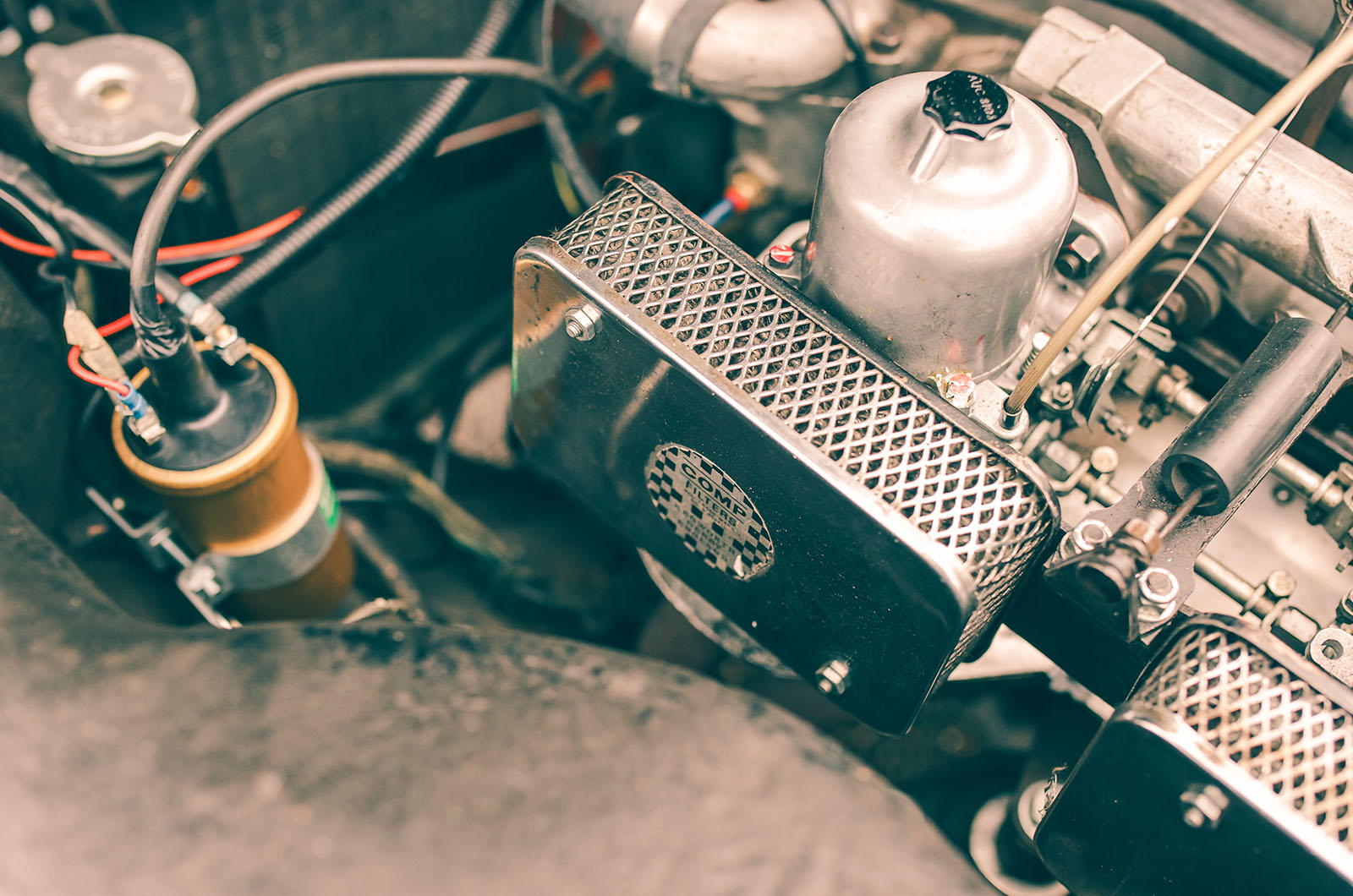
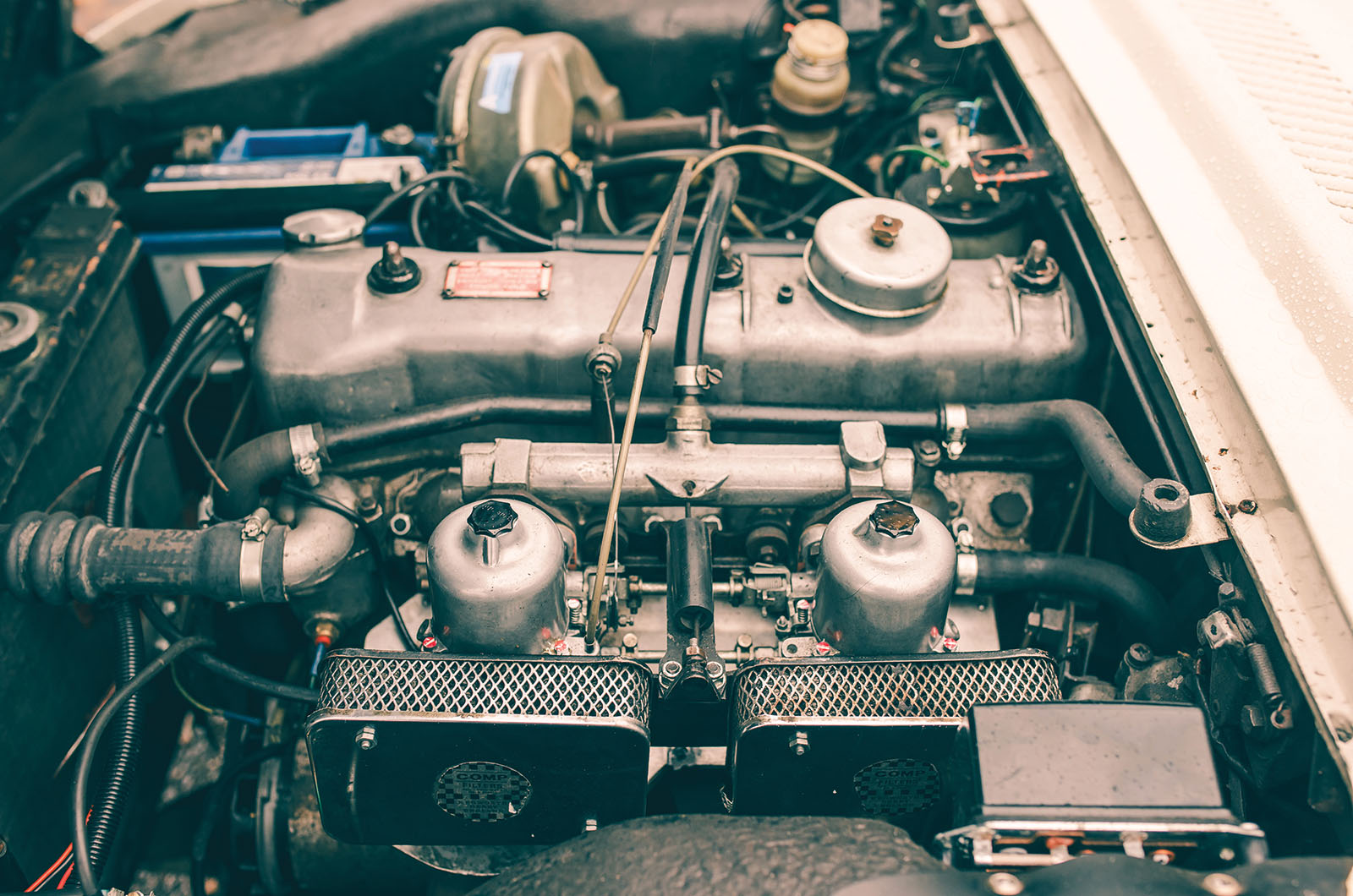
The Rover 2000TCZ’s 2-litre ‘four’ did run Dell’Orto carburettors, but now has twin SUs

The gearlever is standard 2000, and details of trim and door furniture are of Lancia/Alfa Romeo origin, with a chrome Ducellier switch on the dash to operate the electrically opening rear hatch.

A late-’60s feature on the Rover TCZ published in the Italian magazine Style Auto states that, to get a lower bonnet line, the twin SU carburettors were dispensed with in favour of Dell’Ortos.

It runs SUs today (possibly on a cut-down manifold), and at some point in its existence it has been converted from early Rover 2000TC Dunlop to Girling brakes, with a Girling servo.

Classic & Sports Car – Rover 2000TCZ: sporting chance

The Rover 2000TCZ’s clean and sporty lines, and neatly truncated tail, are a world away from the P6 2000TC’s upright, relatively staid silhouette

The throbby sound and feel of the Heron-head engine and the nifty, short-throw gearchange are familiar from the Rover 2000TC, but the low seating position and goldfish-bowl-like 360° vision make driving the 2000TCZ a quite distinct experience.

With less weight and better aerodynamics, I would guess it has a 10mph top speed advantage on the saloon at least.

Even with its current 2000rpm flat-spot it has plenty of urge in second and third, and it would be well capable of taking a longer top gear.

Lighter steering is another pleasing benefit of the less-hefty bodywork (the smaller wheel masks the inherent low gearing to a certain extent), and less weight means less roll than the saloon.

Classic & Sports Car – Rover 2000TCZ: sporting chance

The Rover 2000TCZ’s small steering wheel frames Humber Sceptre dials

It’s as comfortable as a factory P6 and, all things being equal, would cruise at least as quietly by cutting through the air more cleanly. 

Like the mid-engined Rover BS, the 2000TCZ died at the hands of those who were perhaps jealous of the high regard in which Rover was held in the 1960s.

It faced internecine opposition from David Bache’s in-house Rover P6 Coupé project, but perhaps most of all from the forthcoming Triumph Stag.

Classic & Sports Car – Rover 2000TCZ: sporting chance

‘The throbby sound and feel of the Rover 2000TCZ’s Heron-head engine and the nifty, short-throw gearchange are familiar from the 2000TC’

The success of the Fiat 124 and Alfa Romeo 1750/2000 GTV coupés – and, to a lesser extent, the Lancia Flavia coupé – shows there would have been demand for a car like the Rover 2000TCZ, both at home and abroad, if a more rationalised body-making process could have been found to make it a less rarefied proposition.

The Rover P6 2000 was one of the most sophisticated saloons in Europe – more than a match for anything from Italy or Germany – that already had the attention of relatively well-off, design-conscious buyers.

Could enough of them have been found to have made the TCZ viable as a luxury/boutique marque flagship?

Today most onlookers think it’s some kind of Italian exotic, while the younger ones don’t even acknowledge the Rover connection when they read the badges.

Classic & Sports Car – Rover 2000TCZ: sporting chance

The stylish Rover 2000TCZ still turns heads today, but its obscurity keeps onlookers guessing

John doesn’t care; he is simply profoundly grateful to remain the Rover 2000TCZ’s custodian.

“I think it’s a stunning thing, even after all these years,” he smiles.

He looks after the 2000 Zagato very well, but believes in using it – you may even have spotted the car occasionally street-parked in West London.

I doubt he would even flinch at having his two spaniels – Graber and Flavia – sitting on the rear seat.

Images: Jack Harrison


Factfile

Classic & Sports Car – Rover 2000TCZ: sporting chance

Rover 2000TCZ

  • Sold/number built 1967/one
  • Construction steel base unit, aluminium panels
  • Engine iron-block, alloy-head, sohc 1978cc ‘four’, twin SU carburettors
  • Max power 114bhp @ 5500rpm
  • Max torque 126lb ft @ 3500rpm
  • Transmission four-speed manual, RWD
  • Suspension: front independent, by longitudinal top links, transverse bottom links rear de Dion axle, Watt linkages, transverse link; coil springs, telescopic dampers f/r 
  • Steering worm and roller
  • Brakes discs, with servo
  • Length 13ft 9in (4191mm) 
  • Width 4ft 4in (1321mm) 
  • Height 4ft 1in (1245mm) 
  • Wheelbase 8ft 7in (2616mm) 
  • Weight 2400lb (1089kg) 
  • 0-60mph 9.5 secs (est) 
  • Top speed 120mph
  • Mpg 22-30
  • Price new £25,000 (est)
  • Price now £200,000*

*Price correct at date of original publication


Enjoy more of the world’s best classic car content every month when you subscribe to C&SC – get our latest deals here


READ MORE

Lancia Fulvia Sport vs Alfa Romeo Junior Zagato: premium blend

Zagato Bristols: tri-nation turismo

European Car of the Year at 60: the best of the best